
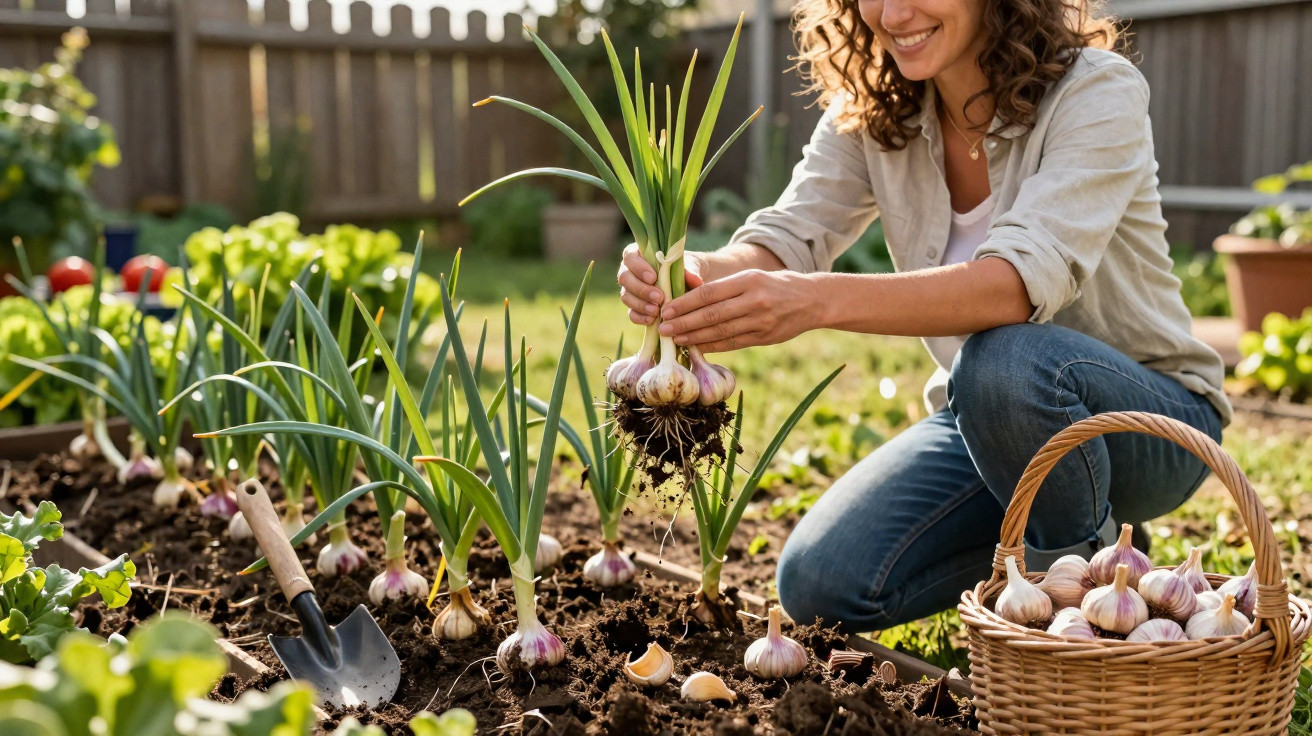
What ends up in the pasta pot can become a small self-sufficiency success story in the vegetable patch: ordinary garlic cloves from the supermarket can grow into impressive rows of home-grown garlic. By following a few straightforward rules and avoiding one key beginner’s mistake, you can save money, cut food waste and stock the larder almost effortlessly.
Why supermarket garlic is a smart choice for the garden
Garlic is among the least demanding vegetables to grow. It does not require perfect soil, daily attention with a watering can or complicated maintenance. That makes it ideal for anyone new to gardening who does not want to buy specialist planting stock from a garden centre straight away.
“From a single garlic clove, a new, fully formed bulb of garlic can grow in the right conditions.”
The main appeal is clear: cloves from a supermarket net cost very little, are usually already in the house and are often thrown away once they soften or begin to sprout. Instead, these apparent “problem cases” can get a fresh start in the vegetable patch.
There is one drawback, however: some shop-bought garlic is treated so that it looks fresh for longer on the shelf and does not sprout as quickly. These cloves may emerge reluctantly in the soil or remain weak. Supermarket garlic is therefore best suited to small trial areas or raised beds, and to gardeners who enjoy experimenting while avoiding waste.
Choosing supermarket garlic: what gardeners should look for
Not every bulb is suitable for growing. Anyone hoping for a good harvest should begin by selecting carefully. Many mistakes are made while shopping or when reaching into the kitchen store cupboard.
How to spot suitable garlic bulbs
- Ideally, choose garlic carrying organic certification.
- White or pink varieties generally perform well.
- Bulbs should feel firm, rather than soft or shrivelled.
- Avoid any with mould or dark marks around the root base.
- Early signs of sprouting are more of an advantage than a problem.
Before planting, gently separate the bulb into individual cloves. The skin must stay on: it acts as a small suit of armour, protecting the clove from rot and damage.
The most common beginner’s mistake: unsuitable soil
Garlic cannot tolerate waterlogged conditions. This is precisely where many attempts to grow supermarket garlic fail.
“The greatest risk for supermarket garlic is permanently sodden, heavy soil – the cloves then rot before they even get started.”
Well-drained, fairly loose soil is essential. In heavy clay soil, there is only one answer: plant on raised mounds or small ridges so water drains away more quickly.
Step by step: planting garlic from the supermarket
Using the right method greatly improves the likelihood of a generous harvest. No specialist tools are needed; a small hand trowel is enough.
Spacing, depth and position for supermarket garlic
Garlic enjoys sunshine. A spot in full sun in an open bed, raised bed or even a deep balcony planter is ideal. Then proceed as follows:
- Separate the cloves, leaving their skins intact.
- Plant each clove with its pointed end facing upwards.
- Set the cloves 3–5 centimetres deep.
- Leave 10–15 centimetres between plants.
- Space rows approximately 25–30 centimetres apart.
In very wet or heavy soil, creating a small planting ridge is worthwhile: an earth bank around ten centimetres high dries more quickly and significantly reduces the risk of rot.
A cold-treatment trick used by experienced growers
Gardeners wanting to get more from supermarket garlic often use a simple technique: a chilling period. Store the cloves in the fridge for one to two weeks before putting them in the ground. This artificial “winter rest” encourages strong shoot growth.
Sorting the cloves gives you a double benefit: those that develop a small white or green shoot during their time in the fridge go into the bed. The rest can be used in the frying pan without any guilt.
| Type of clove | Use |
|---|---|
| Large, firm cloves | For planting – they usually produce the biggest bulbs |
| Small cloves | Best used straight away in the kitchen |
| Soft, mouldy cloves | Put in the bin, not on the compost heap |
Low-effort care: keeping garlic healthy
Once the garlic is in the ground, growing it is easy-going. This crop is forgiving and generally prefers to be left alone.
Watering, weeding and loosening: little else is needed
In an average year, garlic needs very little water. Only during extended dry spells will it benefit from some additional watering. Ideally, stop watering entirely in the final weeks before harvest, as this allows the bulbs to dry more effectively and keeps them longer in storage.
As garlic produces only shallow roots, lightly loosening the soil from time to time is sufficient. Removing weeds early ensures young plants do not lose light and nutrients to them.
Protecting garlic from disease and rot
A few basic measures help keep the plants resilient:
- Remove leaves with suspicious spots or rust infection promptly.
- Do not plant garlic directly after onions or other alliums.
- Move the growing area after a few years.
- Never plant an entire bed with supermarket garlic without first trialling a few cloves.
“Anyone who plants an entire bed of supermarket garlic in wet soil risks years of problems with rot and fungal diseases.”
Harvesting, storing and useful companion plants
Harvesting at the right time determines whether the bulbs will keep for a long period. The plants themselves indicate when they are ready.
Recognising the ideal harvest time
Once two thirds of the leaves have turned yellow and dried out, it is worth checking beneath the soil. This point is usually reached between early and high summer. On dry days, carefully lift the entire plants from the ground with a garden fork.
The bulbs should then be left to dry for a few days in an airy, shaded place. Many gardeners plait the dried leaves into decorative braids and hang them in the larder or a cool cellar.
Planting with garlic: suitable and unsuitable neighbours
Garlic often acts as a natural protective barrier in the vegetable patch. Its scent deters certain pests from, for example:
- Carrots
- Strawberries
- Roses
The partnership is not equally harmonious with every crop. Garlic is especially poorly suited to beans and peas, as yields and plant growth often fall short of expectations.
Risks, limitations and practical everyday tips
Anyone experimenting with supermarket garlic should be aware that record harvests are not guaranteed. Treated bulbs can perform poorly, wet soil can rot the cloves, and some nets simply contain inferior produce. It is therefore sensible to begin on one to two rows or in a single raised bed.
At the same time, curious gardeners can try certified planting stock and compare the results. This soon reveals whether the soil and climate in their own garden favour spontaneous supermarket experiments or professionally bred stock.
It becomes particularly rewarding when the best bulbs from a successful first row of garlic are carefully selected and replanted the following year. Gradually, this creates a garden-adapted “house line” of your own, beginning with a supermarket net that had almost ended up in the bin.

Comments
No comments yet. Be the first to comment!
Leave a Comment