
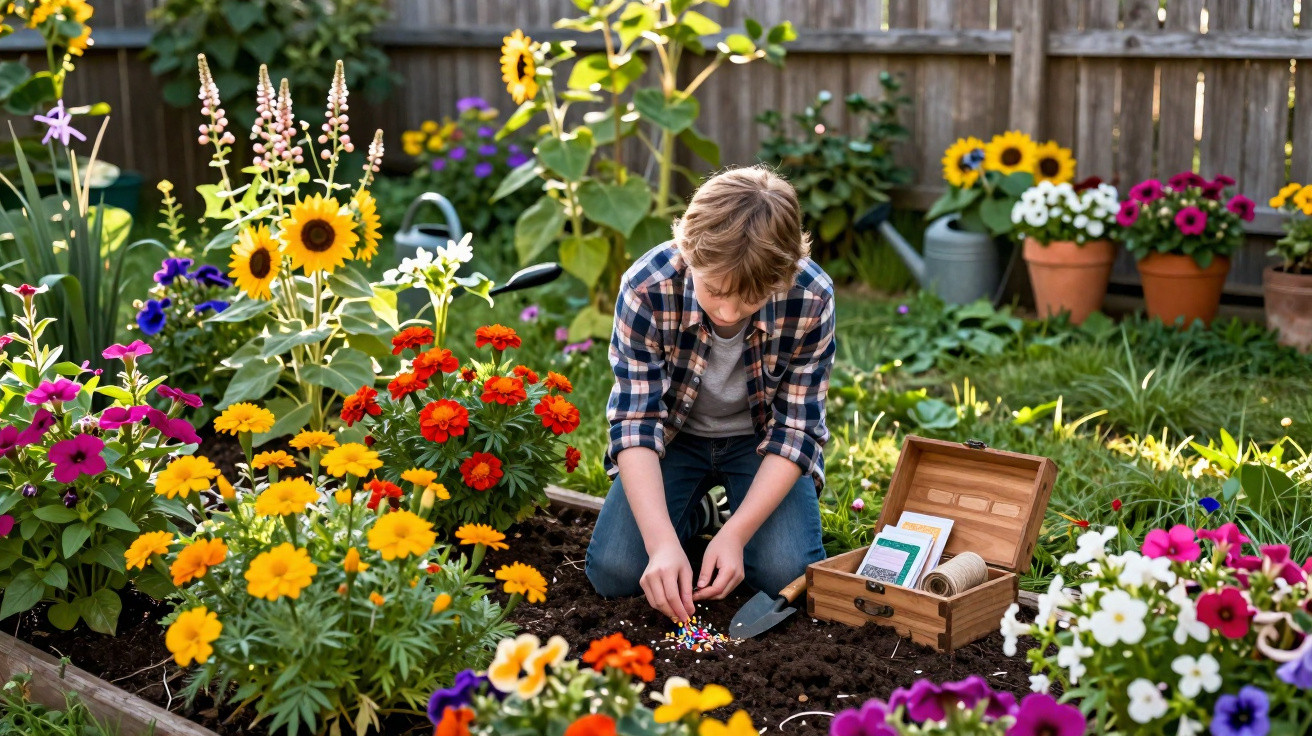
With the right fast-growing flowers, the whole picture can change completely within just a few weeks.
Sow wisely in March or April and, by early summer, you could be looking at a dense, colourful sea of blooms – even without years of gardening experience. The key is choosing a few annual flowers that grow exceptionally quickly and often need only 45 to 90 days from sowing to their first flowers.
How to get fast-growing flowers off to a safe spring start
Timing is the most important part of getting started in spring. These flowers do not require professional gardening skills, but they do dislike frost. Sow them either:
- from March in pots on a windowsill or in a greenhouse
- or directly into the flower bed from mid to late April, once night frosts are no longer expected
Choose soil that is loose, free-draining and in as sunny a position as possible. Waterlogged ground slows growth, whereas well-drained soil allows these plants to grow at a pace that surprises many gardeners.
Fast-growing flowers love sunshine, loose soil and frost-free nights – give them these conditions and they will take off in record time.
When sowing, scatter the seeds thinly, press them in lightly and water them: that is all that is needed. Once the seedlings are a few centimetres tall, thin them out, leaving only the strongest plants with several centimetres between them. This gives them sufficient light, air and nutrients to grow vigorously.
The 9 fastest flowering stars for a full flower bed
These nine plants can turn a bare garden into a lush, lively summer space. They grow quickly, flower for a long time and also perform well in containers or window boxes.
- Zinnia
- Globe amaranth (Gomphrena)
- Marigold (Tagetes)
- Sunflower
- Borage
- Nasturtium
- Celosia
- Petunia
- Spider flower (Cleome)
Zinnias: colour bursts for gaps and flower vases
Zinnias are among the classic quick starters. Start them off in warmth and they will produce their first large, rounded blooms in early summer; sow them straight into the flower bed and they will follow shortly afterwards. Taller varieties make excellent cut flowers, while shorter types such as Profusion or Zahara cover the ground quickly and add colour to borders and containers.
Globe amaranth: a long performer in heat and dry weather
The round flower heads of globe amaranth may appear modest, but they last remarkably well and cope very successfully with heat and short dry spells. Once established, they often continue flowering well into autumn. They are ideal for sunny, dry spots where other plants soon give up.
Marigolds: tough edging plants with a bright effect
Marigolds are perfectly suited to bed edges and borders. They flower quickly in strong shades of yellow and orange, while asking for very little care. Fine-leaved varieties give off a delicate lemon scent and remain compact, making them equally appealing in pots.
Sunflowers: instant height for empty corners
Sunflowers are the understated stars of the summer garden. They quickly add height, screen fences or unattractive corners, and are highly attractive to bees and, later, birds. There is a choice from miniature varieties for containers to giant sunflowers; the important thing is to select a final height that suits the available space.
Celosias: vivid texture with a crinkled-paper look
Celosias bring texture to a flower bed. Their blooms resemble flames or delicate feathers, appearing almost like tissue paper in sunlight. Placed in front of sunflowers or spider flowers, they create a second layer of flowering that adds movement and depth to the planting.
Spider flowers: an airy backdrop with wow factor
Spider flowers grow rapidly, reach a reasonable height and produce delicate, radiating flower clusters. They seem almost to float, creating an open backdrop for lower-growing varieties. They are also easy for beginners to raise from seed, provided the site is warm and sunny.
Borage, nasturtiums and petunias: gap fillers with extra benefits
Borage grows at speed and is a genuine insect magnet. Bees and bumblebees love its blue, star-shaped flowers, while the plant visually softens spaces between other plants in the bed. If desired, its young leaves and flowers can also be used in the kitchen.
Depending on the variety, nasturtiums climb or trail, making them ideal for quickly covering fences, wall edges or window boxes with greenery. Their brilliant flowers create an immediate summer feel. Both the leaves and flowers are edible, adding a gentle peppery note to salads.
Petunias mainly fill window boxes and containers, but can also close gaps in flower beds. With enough water and nutrients, they flower continuously for months and offer an enormous palette of colours, from pastels to vivid brights.
How to create a dense floral display in just a few weeks
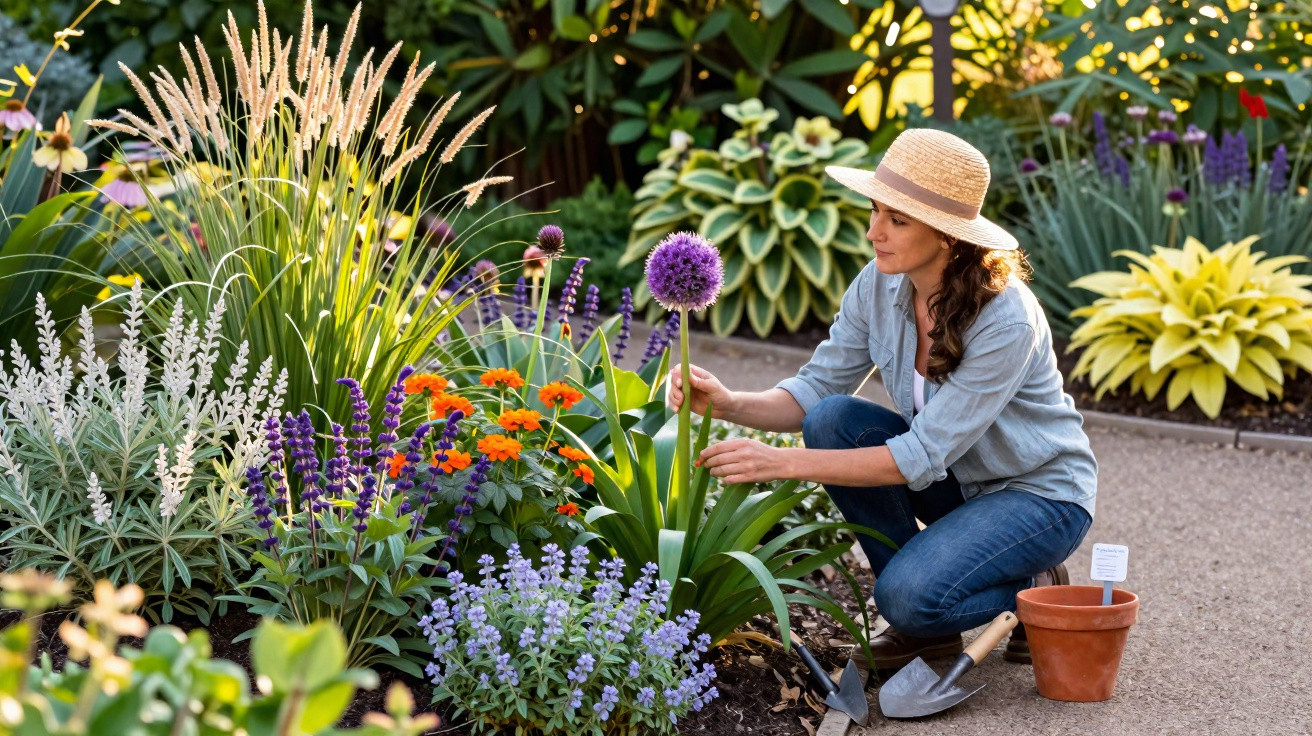
The secret is to combine plants of different heights. Rather than scattering every colour together at random, it pays to make a simple plan:
| Position in the flower bed | Suitable plants |
|---|---|
| Background | Sunflower, spider flower |
| Middle zone | Zinnia, celosia, globe amaranth |
| Foreground/edge | Marigold, petunia, nasturtium, borage |
Planting the same varieties in beds, pots and window boxes creates a continuous look around the home. Repeated accents of colour make the garden feel larger and more cohesive.
Put tall varieties at the back and mounding or trailing plants at the front – this makes the garden look coordinated in record time.
Practical tips for maximum flowering power
A few straightforward measures determine whether the garden looks merely “quite nice” or truly abundant:
- Water regularly, but avoid waterlogging.
- Remove faded flowers so that fresh buds can follow.
- Feed with liquid fertiliser every two to three weeks, particularly container plants.
- Support strongly growing varieties, such as sunflowers, in good time.
- Protect young plants from slugs at first.
If time is limited, choose resilient, heat-tolerant plants such as globe amaranth, marigolds and nasturtiums. They will forgive the occasional missed watering and still provide plenty of flowers.
How fast-flowering plants work with natural garden trends
Fast-growing flowers are not only attractive; they also fit naturally into wildlife-friendly gardens. Borage, sunflowers, zinnias and nasturtiums draw in numerous pollinators. Dot them among perennials or through vegetable beds to bring more life into the garden while supporting insects at the same time.
Mixed planting schemes are particularly interesting: place these turbo-charged flowers in front of slower-growing perennials for one year. While the perennials settle in and establish their roots, the annuals provide immediate fullness. The following year, the perennials take over, ensuring the area never appears bare from the outset.
What beginners should know before sowing
Many people are wary of seeds and prefer buying ready-grown young plants. Yet these nine varieties are especially easy to grow. One small packet of seed is often enough for several square metres and costs considerably less than individual potted plants.
If you are starting from scratch, begin with half a flower bed or a few large containers. This makes mistakes easier to correct without affecting the entire garden. Once the first attempt succeeds, the area can simply be expanded the following year.
With a little planning, a few packets of seed and one free spring afternoon, a great deal is possible. A garden that still looks like a building site in March can look as though it has been carefully developed for years by early summer – thanks to a handful of fast growers that put all their energy into a single season.

Comments
No comments yet. Be the first to comment!
Leave a Comment