
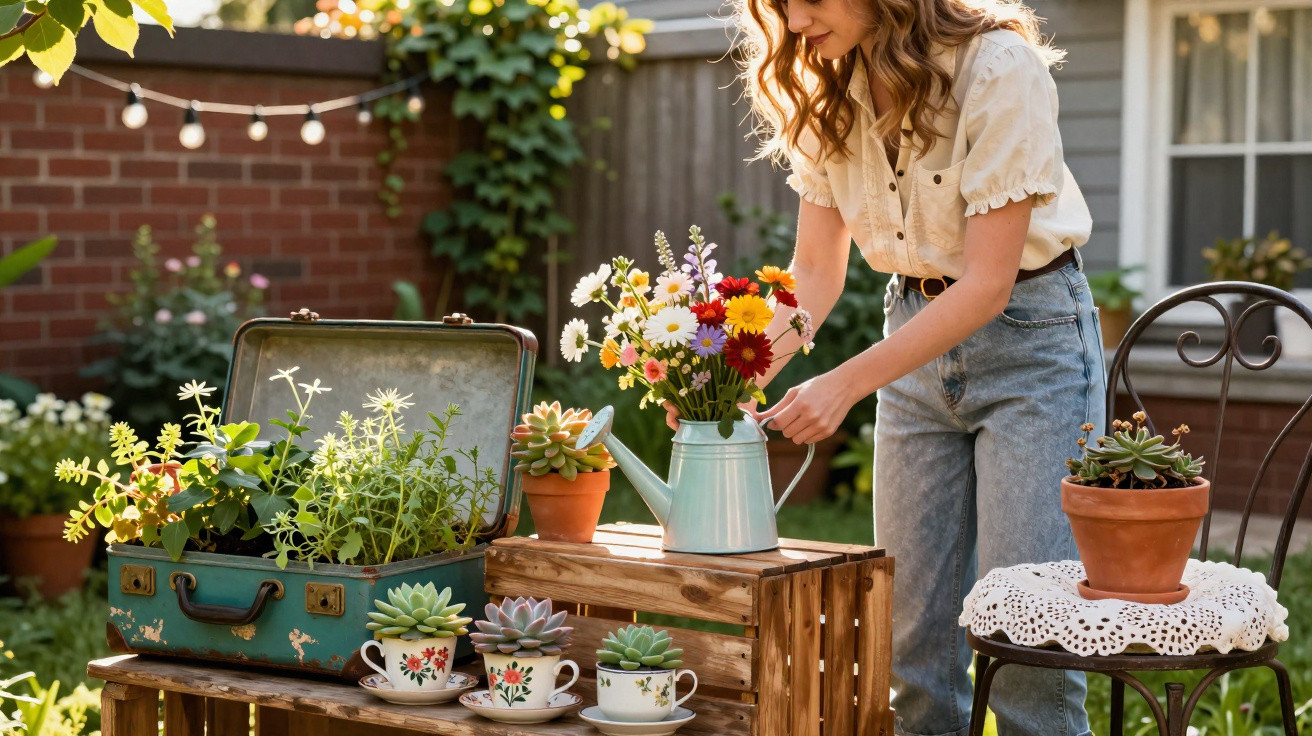
Standard furniture from DIY stores can quickly look interchangeable in the garden. That is why more and more people are choosing second-hand pieces from flea markets or online classified adverts. Items that once stood in the living room are now moving outdoors: old lights, iron furniture, terracotta pots and retro loungers. The look is deliberately imperfect – and that is precisely what makes it so appealing.
Why the Brocante look is so popular in the garden right now
For a long time, outdoor spaces were viewed purely as functional areas: a table, four chairs, job done. These days, many people treat their balcony or garden as a second living room. The usual plastic set is no longer enough. What people want is character, history and something the neighbours do not all own.
“Second-hand garden furniture tells a story – and makes a young garden feel older, more established and more homely.”
Flea-market finds are ideal for this approach. They arrive with signs of age, feel less sterile and can be refreshed with just a few simple measures. Rather than buying everything new and flawless, an individual collection takes shape piece by piece.
1. Old garden lamps with patina instead of sterile LED string lights
Lighting determines whether a patio feels inviting in the evening or resembles a car park. For convenience, many people opt for inexpensive LED string lights. Anyone seeking a more atmospheric result should look out for old outdoor lamps instead.
Typical finds worth considering include:
- Brass or copper lanterns from the 1960s or 1970s
- Pendant lamps with frosted glass to hang above the garden table
- Wall lights with visible patina for the house or garage wall
These types of lights regularly appear at flea markets and on online marketplaces. It is important to have the wiring checked and, where necessary, renewed by a qualified professional. The casing, however, can look as old as it likes – small rust patches and chipped paint tend to look charming outdoors rather than unattractive.
“The combination of modern technology inside and an aged exterior creates a light feature with personality.”
2. Terracotta pots and garden urns with genuine ageing
Few garden trends have the lasting appeal of old terracotta containers. New pots often appear smooth and sterile, whereas older pieces with moss, lime marks and small cracks create instant atmosphere.
How to spot good pieces
Flea markets often have entire stacks of clay pots, so it pays to inspect them closely:
- Check the wall thickness: quality pots are generally sturdy without being excessively heavy
- Look for a drainage hole underneath: without one, there is a risk of waterlogging
- Assess cracks: fine hairline cracks are usually harmless, but avoid breaks that run right through
- Examine the patina: moss and discolouration are welcome, but loose, flaking plaster is less desirable
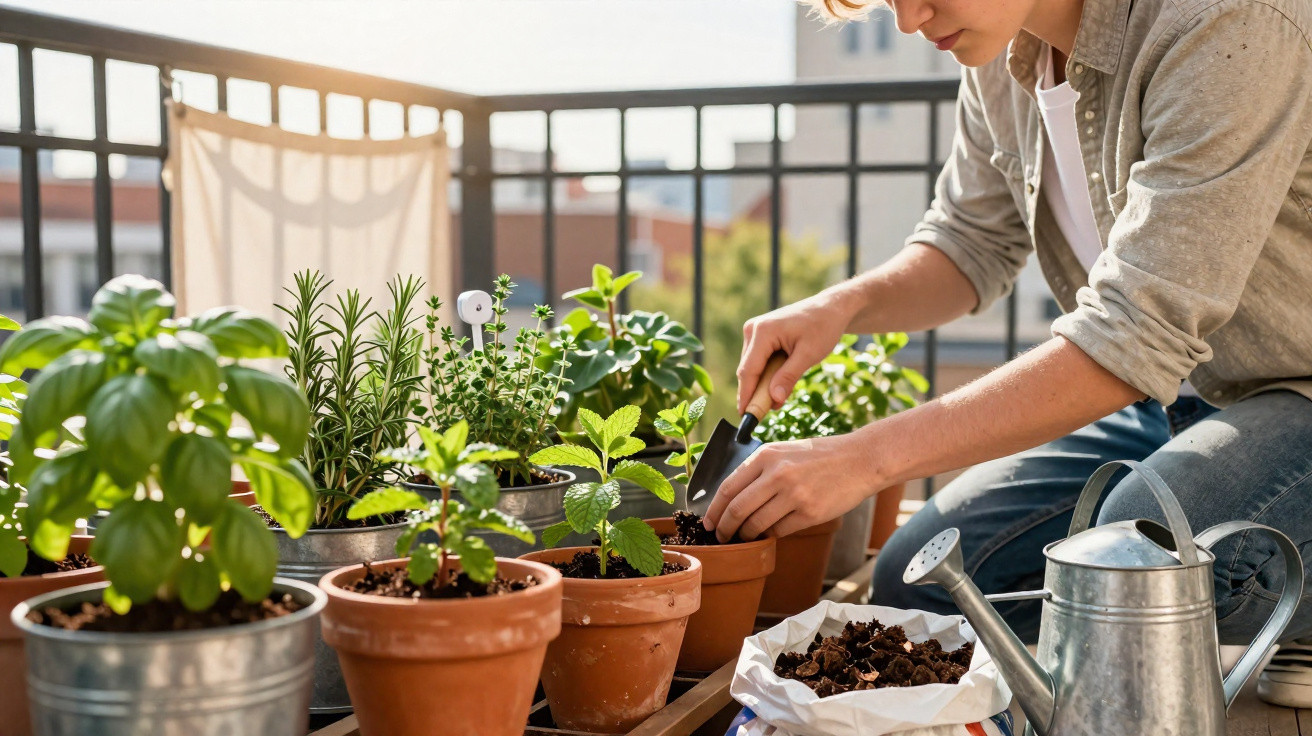
Large urns or planters work particularly well as focal points, for example at the entrance to a patio or at the end of a path. Plant them with fragrant herbs, an olive tree or box, and they immediately create a Mediterranean feel – without any elaborate design work.
“One large, old pot alone can visually organise and bring together an entire garden area.”
3. Wrought iron: from pergolas to bistro sets
Wrought iron is making a comeback in the garden. Rather than bringing to mind sterile railings, the current trend recalls old town gardens and enchanting courtyards. Particularly sought-after pieces include:
- Ornamental gateways and gates
- Arches for climbing roses or clematis
- Pergolas for vines or wisteria to grow over
- Round bistro tables and chairs with ornate lines
Older pieces made from thicker material can last for decades. They often come from demolished houses or former hospitality venues. Rust is not a problem here but part of the look – provided the metal has not rusted through completely. A wire brush, rust protection and fresh paint can restore many items surprisingly easily.
Care tips for iron furniture
Anyone buying second-hand iron furniture should set aside an afternoon for a little “spa treatment”:
- Remove loose rust with a metal brush or sanding attachment.
- Clean all surfaces thoroughly and allow them to dry.
- Apply a rust-inhibiting primer, especially around welded joints.
- Finish with metal paint – a matt finish looks more elegant than a high-gloss one.
Many collectors look for particular makers or eras, such as designs from the 1950s and 1960s. However, unbranded pieces can also be striking standalone items, provided their shape and condition are convincing.
4. Vintage seating: rocking chairs, loungers and more for a change of mood
The biggest impact in an outdoor area often comes from the seating. Instead of standard stackable chairs, comfortable one-off pieces are now taking centre stage.
Especially popular are:
- Wooden rocking chairs, ideally with a gently worn finish
- Rounded rattan armchairs with an aged seat base
- Wooden loungers with striped fabric covers
- 1970s folding armchairs with metal frames
“An old rocking chair on the veranda changes the whole mood – suddenly the space feels like a retreat rather than simply a passageway.”
For upholstered furniture, replacing the fabric is worthwhile, particularly for hygiene reasons. The frame is retained while the cover gets a second life. Those less confident with DIY can use simple loose covers or replace only the seat cushions.
How to rescue discarded chairs
Many second-hand chairs have just one issue: they creak, wobble or have sagging seats. A few straightforward repairs can turn them back into a favourite place to sit:
- Tighten or replace screws
- Secure loose joints with wood glue
- Reinforce the seat with new webbing or wooden slats
- Lightly sand the surface and treat it with oil or varnish
A great many faults look worse than they really are. Anyone who invests time rather than money is often rewarded with a unique piece that can no longer be bought new.
5. Serving trolleys, side tables and small finds
Alongside the larger pieces, small details also shape the atmosphere. An old wheeled serving trolley becomes a mobile bar. A redundant bedside table turns into a flower stand. Even a peeling stool can serve as a plinth for plants.
Furniture with castors, folding functions or unusual shapes is especially interesting. It can be moved around flexibly when guests arrive or the barbecue needs room. Every centimetre matters on small balconies in particular, where compact, foldable vintage furniture makes all the difference.
“The Brocante style thrives on the mix: nothing looks overly planned, yet the individual pieces still form a harmonious overall picture.”
What to look for when buying at a flea market
For all the enthusiasm for patina, a quick inspection prevents disappointment after purchase. These questions are useful, for example:
- Will the furniture comfortably support your weight?
- Are there sharp edges or brittle areas?
- Can the rust still be removed, or is the metal already perforated?
- For lamps, is the housing dry and stable enough for the wiring to be renewed?
Keeping a tape measure in your bag helps avoid awkward surprises – not every dream chair will fit through every stairwell or onto every tiny balcony.
How to combine new and old styles wisely
There is no need to turn the whole garden into a retro scheme. A considered mix is often enough. A modern table with four comfortable chairs, for instance, can be complemented by an old serving trolley and two second-hand rattan armchairs. New textiles, such as outdoor cushions, throws or rugs, can tie the styles and colours together.
If you are unsure, begin with one larger statement piece: an old bench beneath the apple tree, a striking clay pot at the entrance or a vintage rocking chair. If it works, further pieces can be added gradually. In this way, the garden grows like a collection – individual, personal and far removed from the catalogue look.
Comments
No comments yet. Be the first to comment!
Leave a Comment