
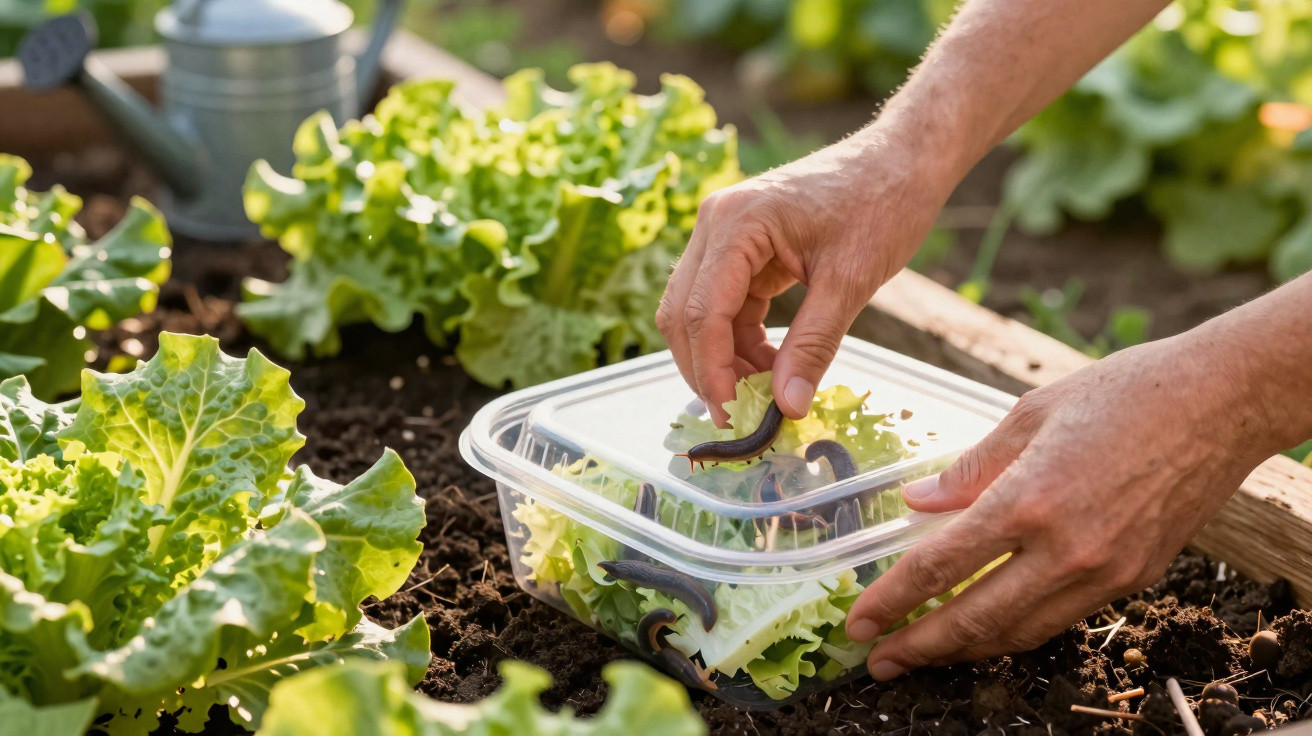
A simple trick using an old salad box can put an end to the problem – without harming any animals.
Many amateur gardeners know the frustration: the vegetable patch looks thriving in the evening, yet by morning only nibbled stems remain. After rain in particular, the garden can seem like a party venue for slugs. Rather than reaching straight for poison or beer traps, consider this remarkably easy solution, which protects plants without causing animals any harm.
Why slugs love your garden
Once night falls and the soil gleams with moisture after a shower, the beds become a busy thoroughfare. Slugs are drawn to damp conditions and fresh, tender leaves – both of which are plentiful in most gardens.
Plants particularly at risk include:
- young lettuces and other delicate leafy vegetables
- strawberries just before they are ready to pick
- newly sown seeds and seedlings
- ornamental plants with soft foliage, such as hostas
Slugs are naturally part of a healthy garden. They become an issue when their numbers increase sharply. A fully grown slug can eat up to 40 per cent of its body weight in plant material every day. Just a small number can therefore destroy an entire bed over the course of a few nights.
Why drastic slug control does more harm than good
Garden-centre shelves are filled with anti-slug products: blue pellets, toxic baits and beer traps in which the animals drown. In sheer desperation, many people use them. Their consequences may not be visible immediately, but they can be considerable.
“Poison baits rarely affect only slugs; they also harm their predators and can ultimately damage the whole garden.”
Hedgehogs, toads, birds and ground beetles all readily eat slugs. Where slug poison is used, they can ingest it through their prey. This harms precisely the creatures that could help establish a natural long-term balance. Children and pets can also easily come into contact with products intended to remain in the flower bed.
Beer traps attract slugs from the surrounding area, often from well beyond the boundaries of your own garden. The animals drown unnecessarily, while the flow of new arrivals remains high. Gardeners seeking a sustainable approach are therefore increasingly choosing methods that protect plants without poisoning wildlife.
The clever alternative: a converted salad box slug trap
The idea is as straightforward as it is effective: turn a clear plastic container, such as one from a ready-made salad or takeaway meal, into an animal-friendly trap. It offers slugs a tempting refuge and food source – simply away from your vegetable bed.
What you will need
- a transparent plastic container with a lid, such as an old salad box
- a very ripe or slightly overripe piece of fruit or vegetable waste, such as an apple piece, melon rind or wilted lettuce leaf
- a craft knife or sharp scissors
- some damp soil or moss
- a small stone to raise one side
How to make the animal-friendly slug trap
- Cut openings in the sides: Pierce or cut several small holes into the side walls of the box, around 2 centimetres above its base. They should be large enough for slugs to crawl through, but small enough to retain moisture.
- Add a damp base layer: Cover the bottom of the container with a little moist soil or moss. This recreates a cool, natural hiding place.
- Place the bait inside: Put the ripe fruit or vegetable remnant in the centre. The sweeter the scent, the more effective the bait will be.
- Turn over and position the box: Place the container upside down in the bed, with the lid facing downwards. Choose a shaded, damp spot at the edge of the affected area.
- Raise the entrance: Prop one side of the box up slightly using a small stone or twig. This gives slugs easy access while keeping most of the moisture inside.
“The sweet scent draws slugs into the box, where they gather while your lettuces continue growing undisturbed.”
Ideally, inspect the trap in the morning or evening. You can then easily move the collected animals to another location.
Why the salad box slug trap works so well
Slugs rely heavily on their sense of smell. Ripe or slightly decaying fruit releases aromas that strongly attract them. Combined with darkness and moisture, the container resembles premium accommodation: shelter, food and the right level of humidity.
The transparent plastic also makes the animals inside somewhat disorientated. They do not find their way back out as quickly, meaning they remain in the trap long enough for the gardener to collect them. Other garden creatures are unlikely to be caught because both the bait and the size of the openings are specifically suited to slugs.
Placing several traps around the garden, especially along known slug routes, can significantly reduce pressure on your beds. Those who check them regularly and relocate the slugs often notice a clear improvement after only a few days.
Common mistakes that ruin the results
- Full sun: If the box sits in midday sunshine, its contents dry out quickly and become too hot. The trap then acts more like an oven.
- Food that has rotted too far: Heavily decomposed scraps attract flies, ants and other unwanted visitors. Use fruit that is very ripe but not completely rotten.
- Choosing the wrong release site: Releasing slugs immediately beside the garden makes their quick return unsurprising. A wild, well-vegetated strip, ditch or hedge located sufficiently far from cultivated areas is ideal.
How to make your garden more resilient over time
The salad box trap is an effective tool, but it cannot replace a well-planned garden system. To reduce problems with slugs, strengthen the entire garden ecosystem.
This can include:
- providing shelter for hedgehogs, toads and lizards, such as leaf piles, log stacks and gaps between stones
- creating flowering areas that attract insects and, in turn, insect-eating wildlife
- applying mulch layers to protect the soil and support stronger plants
- leaving some space between plants so that everything does not remain constantly wet
- using barriers such as coarse sand, crushed eggshells or sheep’s wool around particularly vulnerable beds
Many gardeners report that slug pressure decreases noticeably over the years when they allow greater diversity and avoid chemical treatments. Natural slug predators can then once again find sufficient habitat and food.
Practical tips for everyday work in the vegetable bed
In practice, these traps are especially useful during damp spells, such as in spring and after extended periods of rain. Checking the boxes every other day prevents unpleasant conditions from developing inside.
If you have children, they can easily be involved. Collecting slugs is often more exciting than any television programme, while also teaching them a great deal about garden cycles. The only important point is to choose the new release site carefully together, so the animals do not end up in the next vegetable bed.
It is also worth considering the role slugs play in a garden. They break down dead plant matter, recycle nutrients and provide food for many animals. The aim, therefore, is not “zero slugs”, but a manageable number. This is exactly where the salad box slug trap helps: it guides the animals away from the beds and gives them another chance elsewhere, while allowing your vegetables a genuine chance of survival again.
Comments
No comments yet. Be the first to comment!
Leave a Comment