
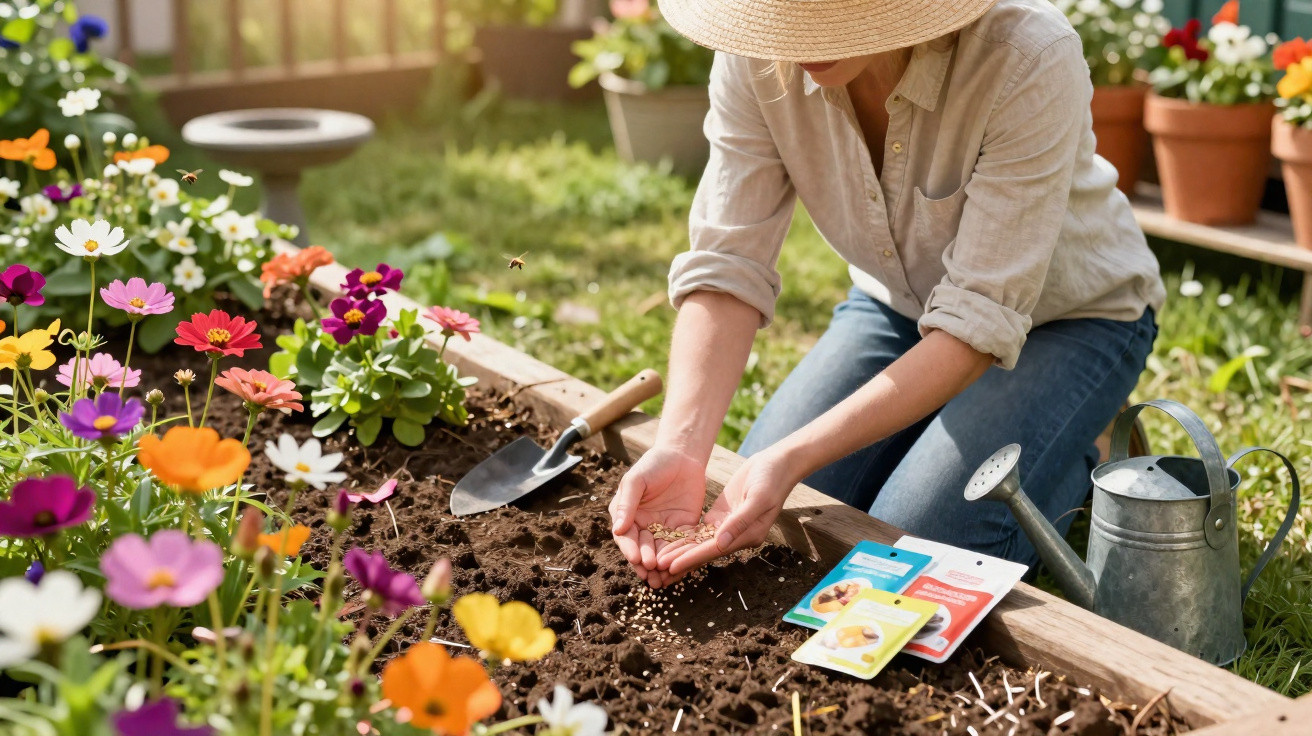
Early April, little time, big impact: with a few packets of seeds, amateur gardeners can now lay the foundations for a summer full of colour – and buzzing bees.
The calendar may still say spring, but summer is already beginning beneath the soil. Anyone who acts quickly and sows a few hardy annual flowers can turn a balcony, flower bed or front garden into a colourful display that irresistibly attracts bees and other pollinators. The essentials are good timing, suitable varieties and a few straightforward steps.
Why early April is a hidden gem
At the beginning of April, the soil starts to warm noticeably. Days are lengthening and the sun is higher in the sky. For many annual flowers, these are ideal conditions for getting started. Seeds germinate more quickly, young plants establish strongly and will later cope better with heat.
“Sowing in early April gives your flowers a head start – and gives you weeks more flowering time.”
Even so, it is worth checking your local climate. In higher locations and colder areas, late frosts can still occur well into May. There, it is better to start more sensitive varieties in pots or beneath basic protection such as a polytunnel or mini greenhouse. In milder areas and lowland locations, direct sowing in the flower bed usually works without difficulty.
Annual flowers particularly worth sowing now
For abundant, long-lasting flowers right through to autumn, choose annual varieties that grow rapidly, require little attention and provide plenty of nectar. Some are almost essential for a lively summer garden.
Colourful cosmos and zinnias
Cosmos produce delicate, elegant stems topped with airy-looking flowers in pink, white or vivid cerise. They bring a light touch to flower beds and sway in even the slightest breeze. Bees and butterflies visit them constantly.
Zinnias, by contrast, deliver intense colour: red, orange, yellow and purple are all possible. Their blooms last well, make excellent cut flowers and suit richly coloured beds that make an impact even from a distance.
California poppy, pot marigolds and love-in-a-mist
California poppy shines in warm shades of yellow and orange. It has a slightly wild character, as though it has wandered in from a summer meadow, and is among the easiest garden flowers to care for. Once established, it often self-seeds.
Pot marigolds are robust all-rounders. They tolerate cooler nights, flower tirelessly and are positively surrounded by beneficial insects. Many gardeners deliberately plant them among vegetables as a “health police”.
Love-in-a-mist, also known as nigella, looks delicate and almost transparent. Its fine flowers sit within a soft green collar of foliage, adding a romantic quality that works equally well in borders and bouquets.
Nasturtiums, sweet peas and classics for pots
Nasturtiums are multi-talented plants: they grow quickly, trail attractively over the edges of window boxes and containers, and can be used in salads. Their open flowers are genuine nectar bars for bumblebees and bees.
Sweet peas (Lathyrus) climb supports, fences and balcony railings with their delicate tendrils while releasing an intense scent. Cutting them regularly ensures a constant supply for the vase.
For window boxes and pots, dependable classics such as petunias and tagetes are also good options. They are considered tough plants, cope well with full sun and reliably fill gaps in balcony planting.
Which flower goes where? Guidance for beds and window boxes
A basic plan for your available space creates more movement and reduces maintenance. Taller varieties such as cosmos belong towards the back of a bed, while lower-growing or trailing plants work best along the edge or in containers.
| Flower | Recommended sowing method | Spacing |
|---|---|---|
| Cosmos | Bed or pot, direct-sown or started indoors | 20–30 cm |
| Zinnias | Direct sowing in the bed | approx. 20 cm |
| Nasturtiums | Pot or bed, scatter loosely | around 30 cm |
| Pot marigolds | Direct sowing | approx. 25 cm |
| Love-in-a-mist | Direct sowing in the bed | 10–15 cm |
On a balcony, mixing trailing, medium-height and upright varieties is worthwhile. This creates a lively overall effect that can make even a small space appear larger.
How to sow: a step-by-step guide
Begin with well-prepared soil. Clear away weeds, stones and old plant material. Loosen the top layer using a rake or cultivator, then work in some mature compost so seedlings can access nutrients straight away.
- Loosen and level the soil
- Make seed drills or scatter seeds broadly
- Cover fine seeds with only the thinnest layer
- Press down gently to ensure contact with the soil
- Water with a fine spray without washing the seeds away
Fine seeds should not be buried deeply. Usually, a light dusting of soil or sand is enough. Larger seeds, such as nasturtium seeds, can be placed slightly deeper.
If you raise young plants in small pots, position them somewhere bright and airy. Briefly standing watered pots in a tray of water often works better than watering from above. The roots draw up water actively while the leaves remain dry.
Sow outdoors or keep plants protected? Making the choice
The decision largely depends on night-time temperatures. If they still frequently fall below five degrees, sowing under cover offers clear benefits. A windowsill, mini greenhouse or simple cold frame provides steady warmth and speeds up germination.
In mild regions, many annual varieties can be sown straight into the bed. This avoids extra tasks such as pricking out later on, while ensuring plants become accustomed to wind and weather from the outset. For new gardeners, this is often the least stressful option.
Everyday tips that can save your flowers
Regular but moderate watering is one of the most important routines. Soil should never dry out completely, but it must not become waterlogged either. A thin mulch layer of grass clippings or finely shredded material retains moisture and suppresses weeds.
“A simple strip of horticultural fleece overnight can make the difference between full flowering and total failure when a cold snap is forecast.”
When a cold night is expected, quickly protect sensitive pots with horticultural fleece, old bed sheets or cardboard boxes. Remove everything promptly in the morning so heat does not build up underneath.
Bee magnet in your own garden: attracting pollinators
Annual flowering mixes are veritable self-service shops for solitary bees, honey bees and butterflies. Single, open flower forms are particularly attractive because insects can reach nectar and pollen easily.
Removing faded blooms regularly encourages plants to form new buds. This can extend the flowering season until the first frosts. At the same time, it creates a steady supply of new feeding spots for pollinators – benefiting both the garden and biodiversity.
Practical additions: seed mixes, water sources and repeat sowing
Alongside individual varieties, dedicated bee-friendly or summer-flower mixes are a convenient option. They cover different flowering periods, add variety to beds and save a lengthy choice in the garden centre. Anyone who leaves some space free can sow again in May and June to extend flowering even further.
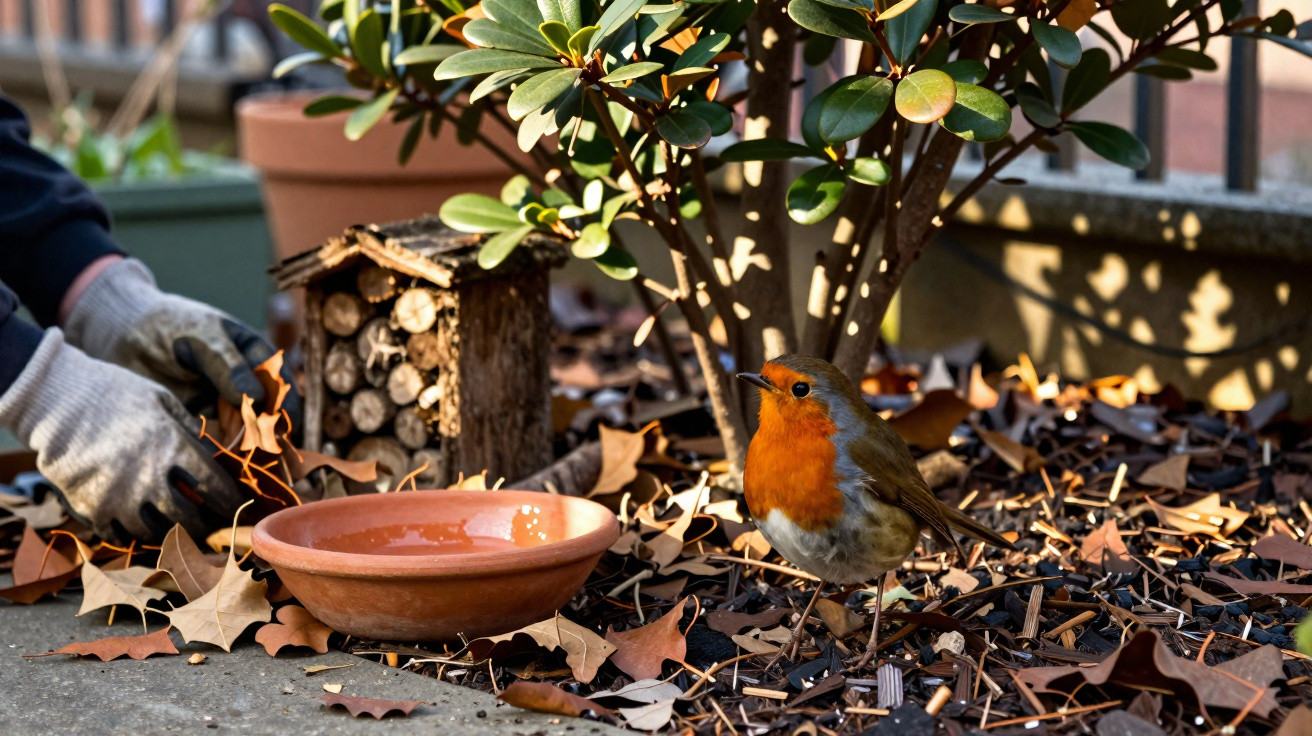
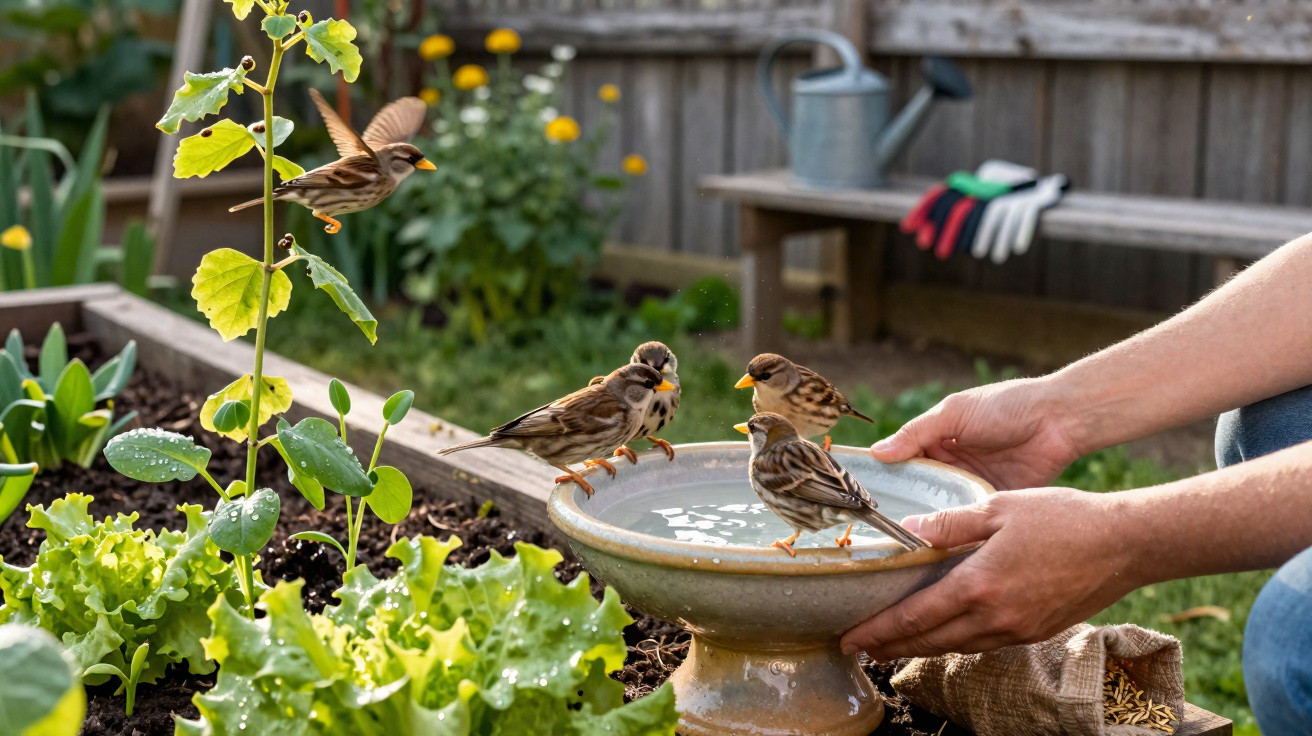
A small water source makes your garden more attractive as well. A shallow dish containing stones or gravel gives bees a safe place to land. This provides them with not only food, but also somewhere to drink.
Early April passes quickly. That is precisely what makes this period so appealing: one or two afternoons with seeds, a watering can and a little patience can turn an unremarkable patch of earth into a vibrant summer garden – for you and for plenty of gratefully buzzing visitors.

Comments
No comments yet. Be the first to comment!
Leave a Comment