

Gardening is often viewed as a pleasant springtime hobby. Yet weeding, pruning shrubs and digging over beds amount to a remarkably effective health programme. Doctors and therapists have long regarded it as far more than a leisure activity, particularly for people getting older or hoping to regain strength after illness and stress.
Gardening as a natural fitness programme
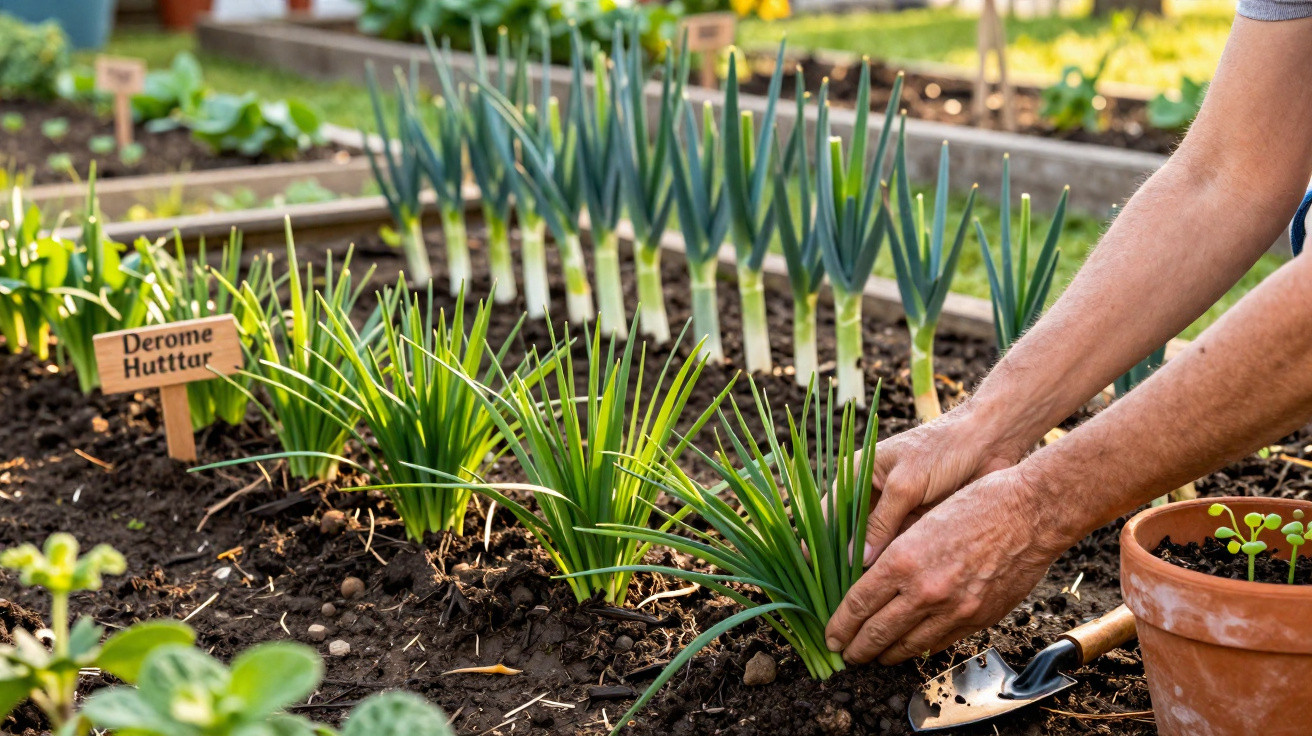
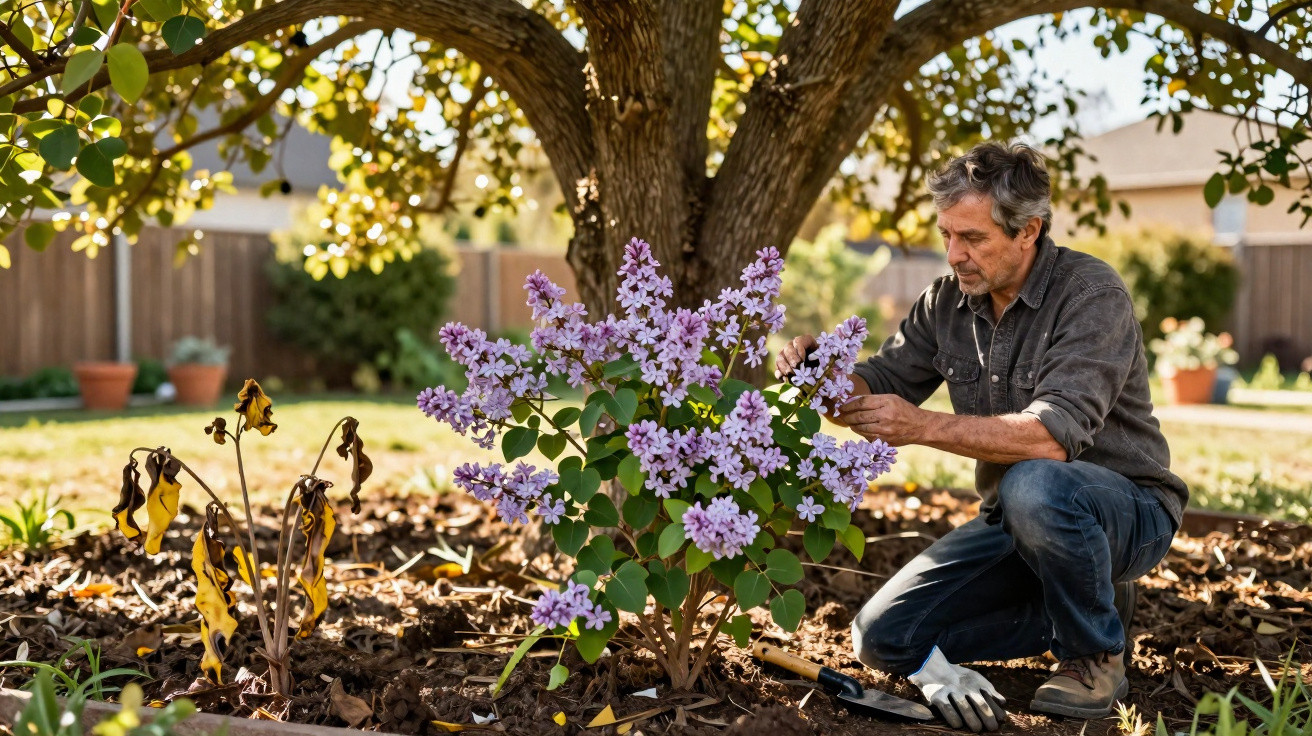
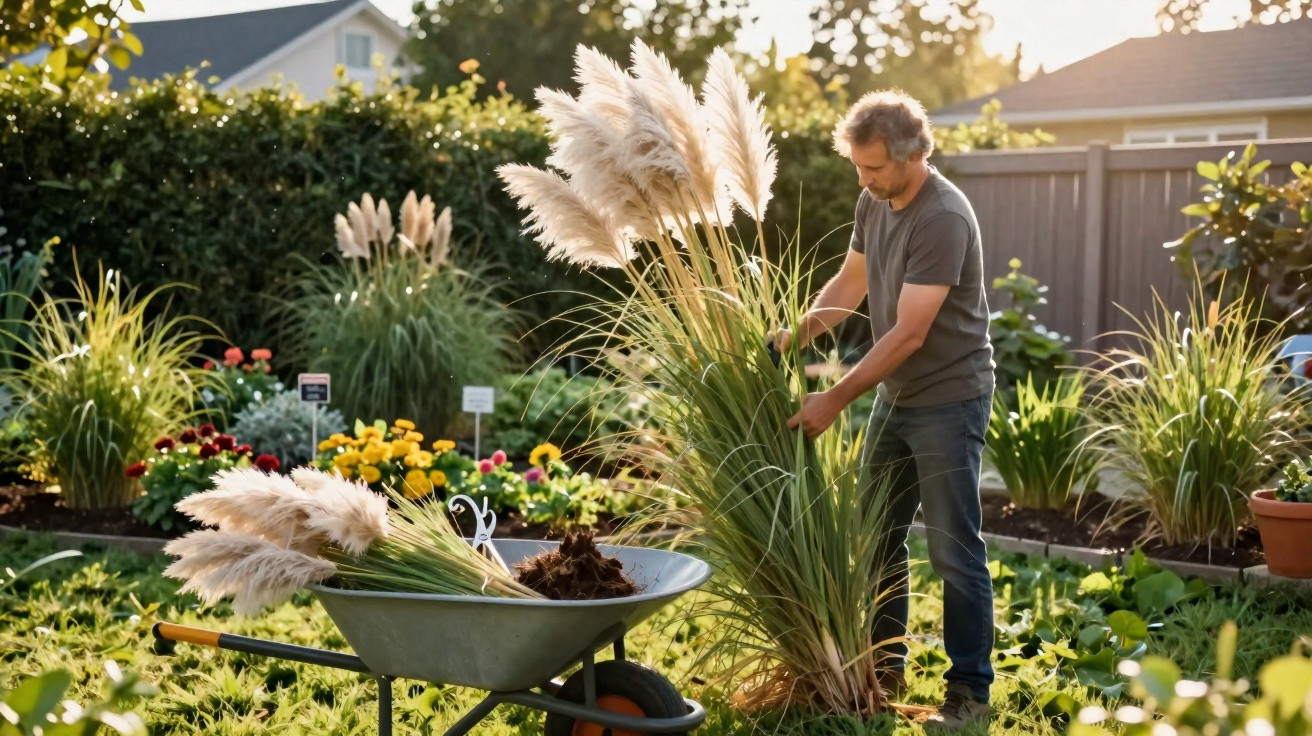
Anyone who spends a day in the garden soon realises that it is not desk work. You lift, carry, bend down, squat and walk back and forth. Most of this happens at a moderate pace and without pressure to perform – precisely what makes it so beneficial.
- The heart and circulation benefit from sustained movement.
- Muscles in the arms, legs, back and abdomen are constantly engaged.
- Joints stay mobile thanks to changing positions.
- Coordination and balance are practised while bending, standing up and carrying.
“Many doctors regard the garden as a free gym on your doorstep – with no membership and no mirrored walls, but with birdsong instead.”
Studies show that regular physical activity in everyday life significantly reduces the risk of cardiovascular disease. Gardening is part of this: it challenges the body, but generally does not place it under as much strain as intensive exercise.
How gardening steadies your mood
Working outdoors with soil and plants usually makes the mind feel clearer after only a short time. Looking at green leaves, fresh earth, flowers or the first vegetable plants provides a direct contrast to screen-related stress and noise.
There is also the sense of doing something worthwhile. A bed that looks tidy and well cared for by the evening offers a clear feeling of achievement. A movement of the hand becomes a visible result, strengthening self-esteem.
“Gardening combines several factors that promote happiness: sunlight, movement, experiencing nature and the immediate sense of having created something.”
Psychologists report that gardening can ease low moods. Time spent outdoors helps regulate the sleep-wake cycle, while the calm, repetitive actions have a soothing effect. Many people say they “sort out their thoughts in the garden”, and science can explain this too: the combination of light, fresh air, movement and manageable tasks measurably lowers stress levels.
Vitamin D, strong bones and better immune defences
People who work outdoors regularly absorb sunlight. The body uses it to produce vitamin D, which it needs for strong bones and a stable immune system. Older people in particular often have a deficiency because they spend too little time outside.
A garden almost gently encourages you to step outdoors more often. Just 20 to 30 minutes on bright days can stimulate vitamin D production – naturally, with sun protection if you remain in the sun for a long time.
- Vitamin D supports bone strength.
- It plays a role in

Comments
No comments yet. Be the first to comment!
Leave a Comment