
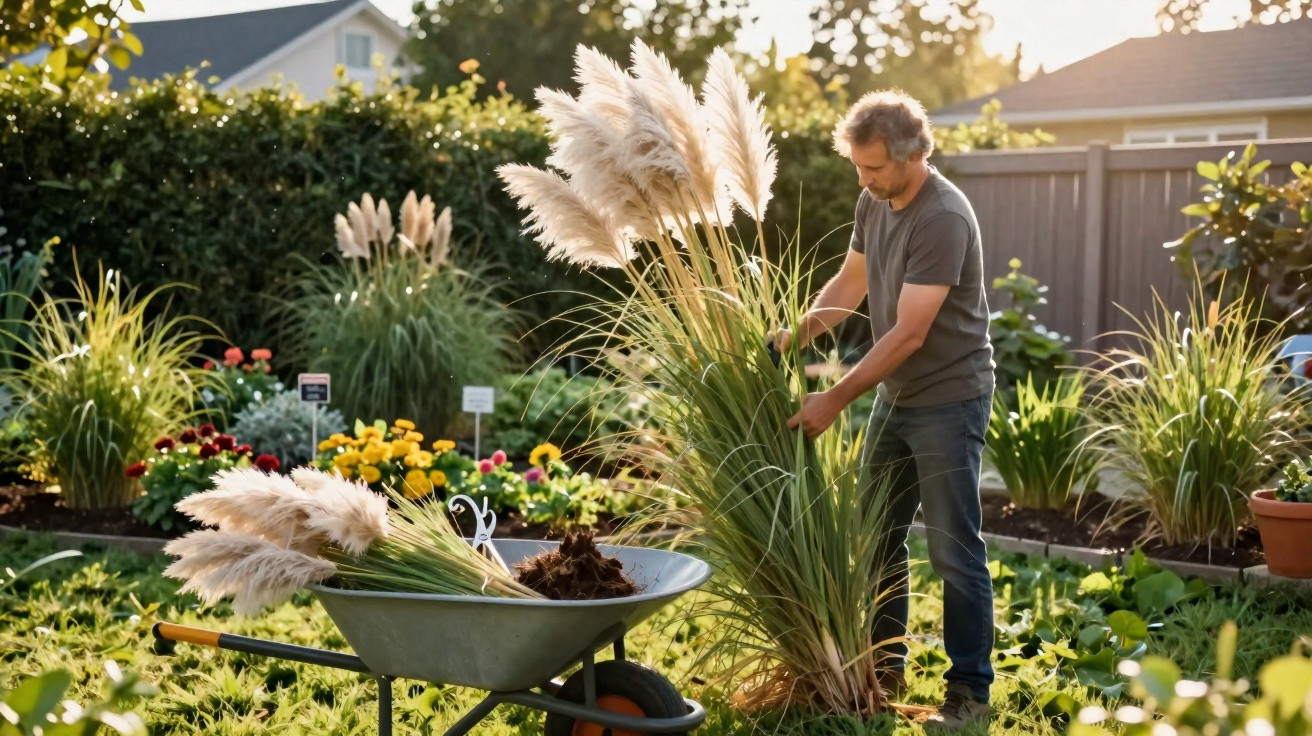
Pampas grass, with its cream-coloured plumes, is still a familiar sight in many gardens, along roadsides and around new housing developments. For years, it was regarded as a fashionable plant for decoration enthusiasts and boho-style gardens. Since 2023, however, the species has appeared on a prohibited-plant list in France, with potentially severe penalties for trading it or planting new specimens. Why has this happened, and what does it mean for amateur gardeners, including those in Germany, Austria and Switzerland?
Why pampas grass is considered a threat in France
Pampas grass, botanically known as Cortaderia selloana, originates in South America. These perennials form enormous clumps, frequently growing to more than two metres tall and almost as wide. Although their ornamental flower plumes appear harmless, they pose a serious ecological issue.
Every individual plume can produce hundreds of thousands of exceptionally light seeds, which can be carried for kilometres by the wind. As a result, the grass can establish itself in dunes, on embankments, on derelict land and beside roads, far beyond the garden bed where it was originally planted.
“Pampas grass displaces native plants, impoverishes habitats and changes entire landscapes.”
For this reason, the species is classified as a “non-native invasive species”. This refers to plants that do not naturally occur in an area and spread so vigorously that they force out native species. Pampas grass combines several problematic characteristics:
- extremely high seed production and long-distance wind dispersal
- strong competitive ability on poor soils and in locations receiving little maintenance
- hardly any natural predators in Europe
- a tough rootstock that is difficult to remove
There are also practical everyday hazards. Its leaves are razor-sharp, making gardening more difficult and potentially causing injuries. Its pollen can severely affect allergy sufferers. In addition, dry clumps act like tinder, increasing the risk of fires close to homes.
What France has prohibited since 2023
France took decisive action in 2023. A nationwide decree placed pampas grass on its list of prohibited plants, supported by national environmental legislation and an EU regulation on invasive species.
Clear restrictions apply to living plant material. The following activities are prohibited, among others:
- bringing plants or seeds into the country
- possessing or keeping live plants capable of reproduction
- trading, selling, giving away or exchanging them
- transporting plants or plant parts that can still reproduce
- deliberately planting them out or allowing them to become naturalised
Nurseries had to clear their stocks, while landscape designers are no longer permitted to use the plant in new schemes. Dried flower plumes for bouquets, by contrast, are considered harmless because they are no longer alive and cannot spread further.
“Anyone who continues to trade live pampas grass in France despite the ban risks severe penalties – theoretically up to three years in prison and a fine of €150,000.”
In reality, authorities primarily inspect wholesalers, importers and newly established plantings. An old individual clump in a private garden is seldom targeted, although private individuals are also legally covered by the rules.
Must garden owners remove pampas grass immediately?
Anyone who planted pampas grass before 2023 does not need to panic and remove it overnight in France. There is no nationwide obligation to carry out immediate, complete removal.
However, responsibility clearly rests with the property owner, who should prevent the plant from spreading further. In practical terms, this means:
- cutting off flower heads consistently before seeds can develop
- not dividing the clump or relocating it elsewhere in the garden
- never giving away or selling young plants or divided sections
- wearing gloves, sturdy clothing and safety glasses whenever working with the grass
Environmental authorities are especially alert where a garden borders dunes, riverbanks or wetlands. In such areas, they strongly advise gradually removing plants entirely, often with professional assistance, as large clumps can only be extracted with heavy equipment or considerable physical effort.
Most importantly, cuttings and root fragments must not be put on the compost heap. Even small remnants can regrow or produce seed. The recommendation is to seal all material in tear-resistant bags and dispose of it through a recycling centre or green-waste collection facility.
Alternatives for an ornamental garden
The characteristic appearance of tall, airy grasses can easily be recreated in a garden without encouraging an invasive plant. Numerous species provide similarly decorative effects while being considerably easier to maintain and more environmentally compatible.
Popular replacement grasses for borders
- Stipa tenuissima (Mexican feather grass): fine, softly arching stems that move in the breeze, ideal for natural-style gardens.
- Molinia (purple moor-grass): a native species with delicate flower panicles that turn golden brown in autumn.
- Festuca glauca (blue fescue): low-growing clumps with blue-grey foliage, well suited to front gardens and containers.
- Miscanthus (Chinese silver grass, non-invasive cultivars only): tall and striking, with impressive flower panicles.
Many of these species offer more than ornamental appeal. They provide shelter for insects, help to stabilise banks and need relatively little maintenance once established.
What amateur gardeners in Germany, Austria and Switzerland should do
There is currently no uniform Europe-wide prohibition on pampas grass in Germany, Austria and Switzerland, although regional rules may differ. Anyone planning a new planting should first check the situation in their own federal state or canton and should preferably choose native alternatives.
It is also worth taking a critical look at existing gardens. How close is the grass to open countryside, riverbanks or protected areas? Are young plants already appearing nearby? The more independently the plant begins to spread, the stronger the case for reducing or removing the established clump.
“Every garden owner helps determine whether invasive species spread – or whether their own garden remains a refuge for native species.”
Why invasive plants are such a problem for nature
Pampas grass is only one example among many. Specialists also regularly debate cherry laurel, butterfly bush and giant hogweed critically. The underlying principle is the same: non-native species cope well with the climate, have few natural enemies and exploit gaps in the landscape.
They consequently displace native plants that are vital to the survival of local insects, birds and small mammals. A seemingly attractive shrub or decorative grass can therefore trigger a chain reaction: less plant diversity, less food and fewer nesting sites.
Many invasive plants also alter the soil or the water balance. They create more shade, accumulate certain substances or dry out soil more quickly. This makes it even harder for native species to return, even after the non-native plants have been removed.
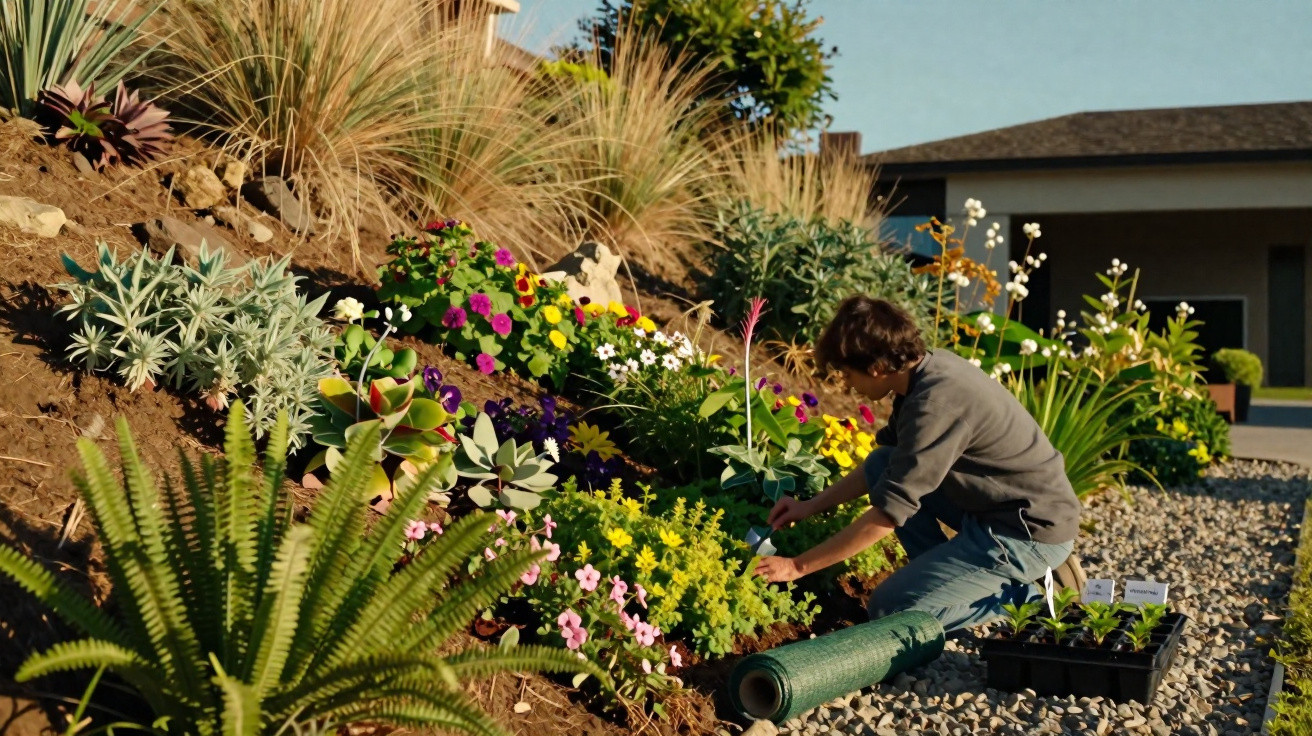
Practical advice for an attractive, nature-friendly garden
Anyone who does not want to forgo the ornamental value of tall grasses can follow several basic principles:
- specifically ask for native or non-problematic species when buying new plants
- read labels carefully: take an “invasive” warning seriously and, if in doubt, select a different species
- check vigorous plants regularly to see whether they are spreading into neighbouring areas
- remove seed heads from problematic species before they ripen
- contact local nature conservation authorities or environmental organisations if you are uncertain
Those considering replacing their pampas grass can do so gradually: first remove the flower heads, then dig up the clump in autumn or early spring, or reduce it through repeated cutting. The resulting gap can then be planted directly with an alternative ornamental grass or an insect-friendly shrub.
This keeps the garden attractive without creating long-term problems for surrounding landscapes. Pampas grass may be photogenic, but in many parts of Europe it no longer has a place in future-proof garden design.
Comments
No comments yet. Be the first to comment!
Leave a Comment