
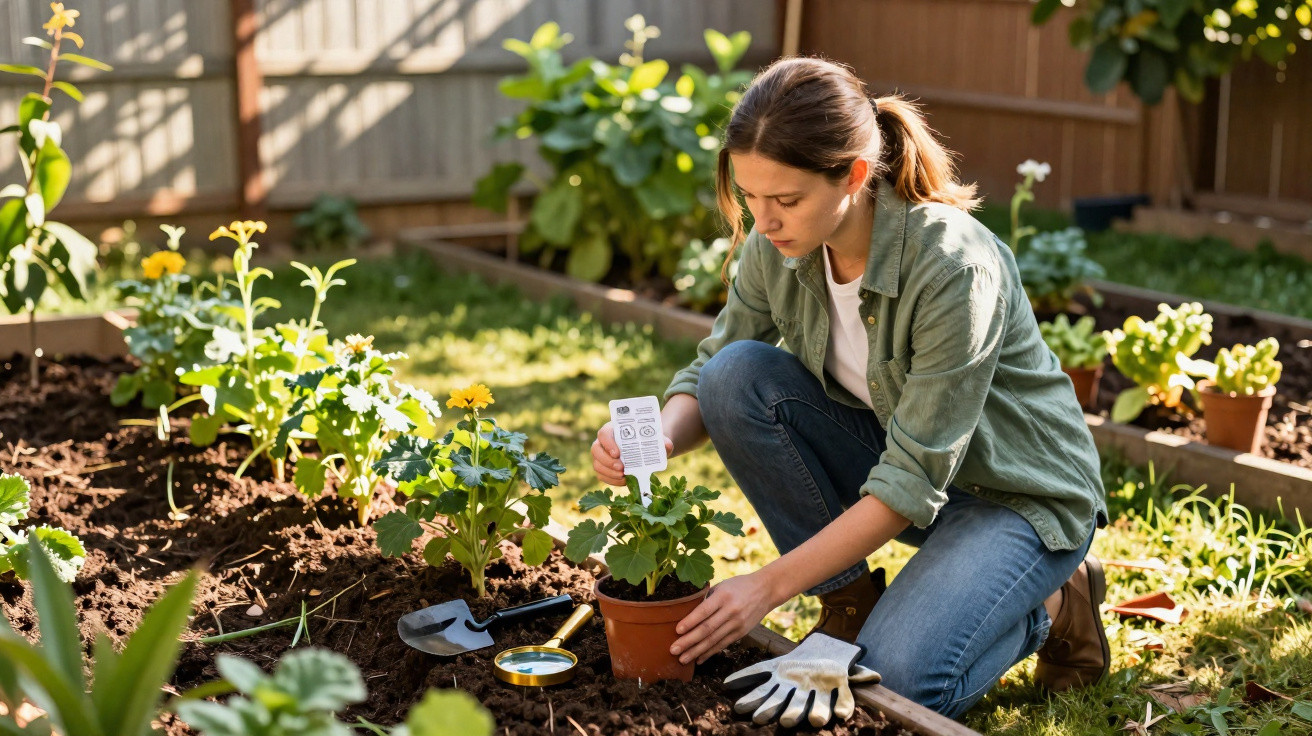
Marta initially blamed the soil.
In her modest suburban garden, she held a plastic bag of spent petunias in one hand while rubbing a handful of earth between her fingers like a forensic investigator. “Too clay,” she said. The previous year, it had been “too sandy”; the year before that, “too poor”. Each spring, she bought compost, soil improvers and miracle powders labelled with words such as “booster” and “reviver”. Each summer, half her plants gradually gave up, rather like a relationship going wrong.
The odd part?
Her neighbour, two fences away, had a jungle of thriving shrubs growing in what appeared to be precisely the same soil.
There is a quiet realisation that the problem is not the stage but the performers you keep choosing.
Your garden is the stage.
Why plants fail in good soil
The gardening industry is very keen to make soil the villain.
“Improve your soil, and anything will grow!” But visit any large garden centre on a Saturday morning and you will find people choosing plants for flower colour and Instagram appeal, rather than for climate and growing conditions. They pass the unassuming native shrubs that could flourish for years, then head straight for exotic statement plants that cannot cope with wind, sunshine or cold.
When those demanding plants die, the soil gets the blame.
Not the choices we made.
Consider the familiar hydrangea disaster. Someone wants enormous blue clouds of blooms, just like the ones they saw while visiting a misty coastal town. But they live in a dry inland suburb, with fierce afternoon sunshine and irregular watering. They buy three hydrangeas, make shallow planting holes and settle them into a sun-baked front garden. The first heatwave arrives, leaves turn crisp, flowers wilt and, by August, those once-dreamy shrubs look as though they have survived a minor house fire.
The following spring, that gardener buys “better soil” and stages the same drama again.
A new year, the same disappointment.
The reasoning is straightforward, if a little harsh.
Plants are not ornaments: they are living organisms shaped by millions of years of survival in highly particular environments. Some developed in damp, shaded woodland with rich layers of leaf litter. Others originated on dry, stony slopes with few nutrients and relentless sunshine. Put a mountain plant in a heavy, waterlogged clay bed and you are not “testing” it. You are subjecting it to a slow-moving catastrophe.
Your soil is not bad; it simply is not suitable for every species you admire on Pinterest.
The greater the gap between a plant’s “home climate” and the actual conditions in your garden, the more you will spend on fertiliser, water, pruning and pest control merely to keep it alive.
Choosing plants that want to live in your garden
Begin with unsentimental observation rather than hopeful thinking.
Spend a whole day studying your space. Notice where sunshine lands at 9 am, midday and late afternoon; identify corners that remain damp for days after rain, areas that crack and bake, and places exposed to punishing wind. Make notes, or simply take photographs every few hours on your phone and review them that evening.
Next, choose plants for these micro-zones rather than for a mood board.
Put sun-loving plants in the brightest areas, shade plants where light is filtered or indirect, and drought-tolerant varieties in places the hose does not properly reach.
A city gardener with a small balcony told me that she once bought ferns and lush woodland plants because she wanted a “forest vibe”. Her balcony faced south on the eighth floor, receiving full sun and forming a wind tunnel between two towers. The ferns crisped within a week, while the compost dried out in a day. She almost gave up.
One spring, she turned the approach around.
Instead of searching for “aesthetic balcony ideas”, she looked for “plants that love wind and sun”. She chose robust Mediterranean herbs, compact grasses and a dwarf olive in a large, heavy pot. There were fewer plants and less variety, but they grew spectacularly. Maintenance fell to one thorough weekly watering and an occasional trim.
The same balcony.
Entirely different plant choices.
The science behind this result may sound dull on paper, but it is transformative in practice.
When a plant grows in a “near-native” environment - with similar sunshine, watering patterns, soil texture and temperature fluctuations - its stress falls dramatically. Reduced stress produces stronger cell walls, deeper roots and fewer opportunistic diseases. Lavender in free-draining, sandy soil and full sun almost never rots. Put that same lavender in heavy, wet clay, however, and it becomes a soft, sweet feast for fungi and root rot.
This explains why gardeners who “never do anything” often have the healthiest plants.
By chance, they selected species suited to both local conditions and their own level of neglect. Honestly, nobody does this every single day.
How to read a plant label like a detective
Treat plant labels as warning notices, not marketing material.
Before the flowers win you over, check three details on every pot: light, water and hardiness zone. “Full sun” means at least 6 hours of direct sunshine, not a patio that is merely fairly bright. “Moist, well-drained soil” means compost or soil that is neither waterlogged nor as dry as concrete. A hardiness zone indicates the lowest temperature a plant can tolerate.
Compare those words and figures with your real garden, not the one you imagine having.
If winter temperatures regularly fall below a plant’s limit, it is a seasonal fling rather than a lasting relationship.
A frequent mistake is buying plants marketed as solutions without reading the small print. A gardener with heavy clay soil may purchase something described as “clay tolerant” and assume it cannot be killed. Yet they plant it in a low-lying area where rainwater pools after every shower. A year later, its roots have rotted, and they are once again shaking their head over their “terrible soil”. Clay was not the issue on its own. It was clay combined with poor drainage and a plant that tolerates - but does not love - permanently wet roots.
We have all experienced that moment: staring at another dead shrub and feeling oddly personally insulted.
The plant did not hate you. It simply lost the environmental lottery.
“Right plant, right place” is one of those simple garden mantras that people nod at, then instantly ignore in the nursery car park. A landscaper once told me, “Half my job is un-teaching people the plants they think they want.” When you choose a species that suits your soil and climate, you aren’t lowering your standards. You’re trading drama for ease.
- Step 1: Map your sunshine
Watch or photograph the space throughout the day. Mark each area as full sun, partial shade or full shade. - Step 2: Test your soil type
Squeeze a handful of slightly damp soil. If it makes a firm sausage shape, it is clay-heavy. If it falls apart, it is sandy. Crumbly soil is loam. - Step 3: Choose plants for conditions, not colour
Filter online searches or catalogues by sunshine, soil and hardiness zone first. Choose the appearance you prefer only afterwards.
Living with the garden you actually have
There is a quiet freedom in accepting that your garden will never become a coastal hydrangea paradise or a lush rainforest if you live in a dry, windy suburb. When you stop trying to force every square metre into submission, you begin to see the plants thriving quietly in pavement cracks, the shrubs that still look fresh in late August and the street trees that never appear to struggle. These are your clues.
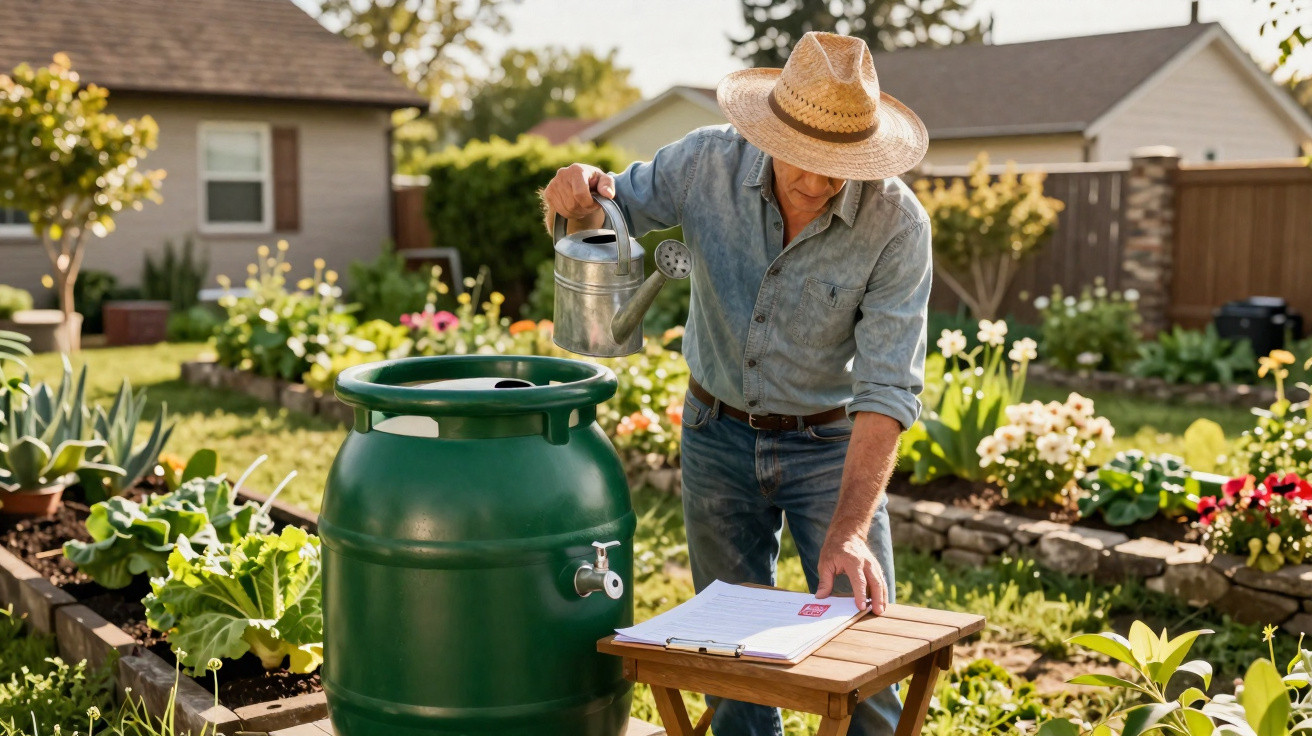
Selecting species that suit your actual conditions does not mean settling for a wild-looking or dull garden. It means you can direct your effort towards small, rewarding improvements - better mulch or a strategically positioned water butt - rather than continual rescue operations.
Once you begin with the question, “What already survives here with no help?”, the possible plant palette expands quickly.
That includes local native plants, certainly, but also tough non-native ornamentals that behave responsibly and do not require constant fussing. You may still treat yourself to one or two divas in pots by the house, where you see them daily and can indulge their needs when required. The rest of the garden can contain species that cope with holidays, heatwaves and the week when you forget where you put the watering can.
When something dies next time, ask less often, “What’s wrong with my soil?” and more often, “Did I ask this plant to be something it’s not?”
The answer may sting briefly. Then it gives you permission to plant in a different way.
The understated success stories are rarely the ones that go viral.
They are gardens where plants grow together naturally, where the owner spends more time sitting than repairing, and where diseases occur without taking over because nothing is desperately stressed. You do not need a horticulture qualification to achieve that. You only need to change from “forcing” to “matching”.
Once you recognise the difference between a plant permanently on life support and one that plainly wants to be there, going back becomes difficult.
That is when you understand that the soil was never truly the enemy. It was the honest friend showing you what belongs.
| Key point | Detail | Value for the reader |
|---|---|---|
| Match plants to real conditions | Assess sunshine, wind and moisture before buying anything | Reduces plant deaths and money wasted on replacements |
| Read labels as warnings | Prioritise sunshine, water requirements and hardiness zone | Reduces disease risk and reliance on fertilisers and chemicals |
| Embrace “right plant, right place” | Select species naturally suited to your soil and climate | Cuts maintenance time and creates a more resilient garden |
FAQ:
- How do I find my hardiness zone?
Search for a hardiness zone map for your country and find your area. Use that zone number when checking plant labels or online descriptions, and favour plants rated for your zone or colder.- Can I improve my soil rather than change my plants?
Yes, but only gradually and to a limited extent. Compost, mulch and improved drainage will help, but attempting to turn heavy clay into perfect sandy loam throughout an entire garden is a lengthy, expensive struggle. Usually, it is wiser to improve the soil a little, then select plants that enjoy what you already have.- Are native plants always the best choice?
Native plants are often robust, low-maintenance and excellent for wildlife, making them a strong starting point. However, many non-invasive non-native plants also thrive with little attention. Consider natives your foundation rather than your only choice.- Why do my plants suffer from so many diseases?
Stressed plants attract disease. Give constant moisture to a species that needs dry roots, and fungi and rot will take hold. Put a sun-loving plant in shade, and it will stretch, weaken and become easy prey for pests. Better matches lead to fewer outbreaks.- Is choosing plants for containers different?
Both yes and no. Light and climate must still be matched, but containers allow you to “fake” soil types with tailored compost mixes and move plants into more suitable positions. They are ideal for fussier species, provided you are happy to water and feed them more regularly.
Comments
No comments yet. Be the first to comment!
Leave a Comment