
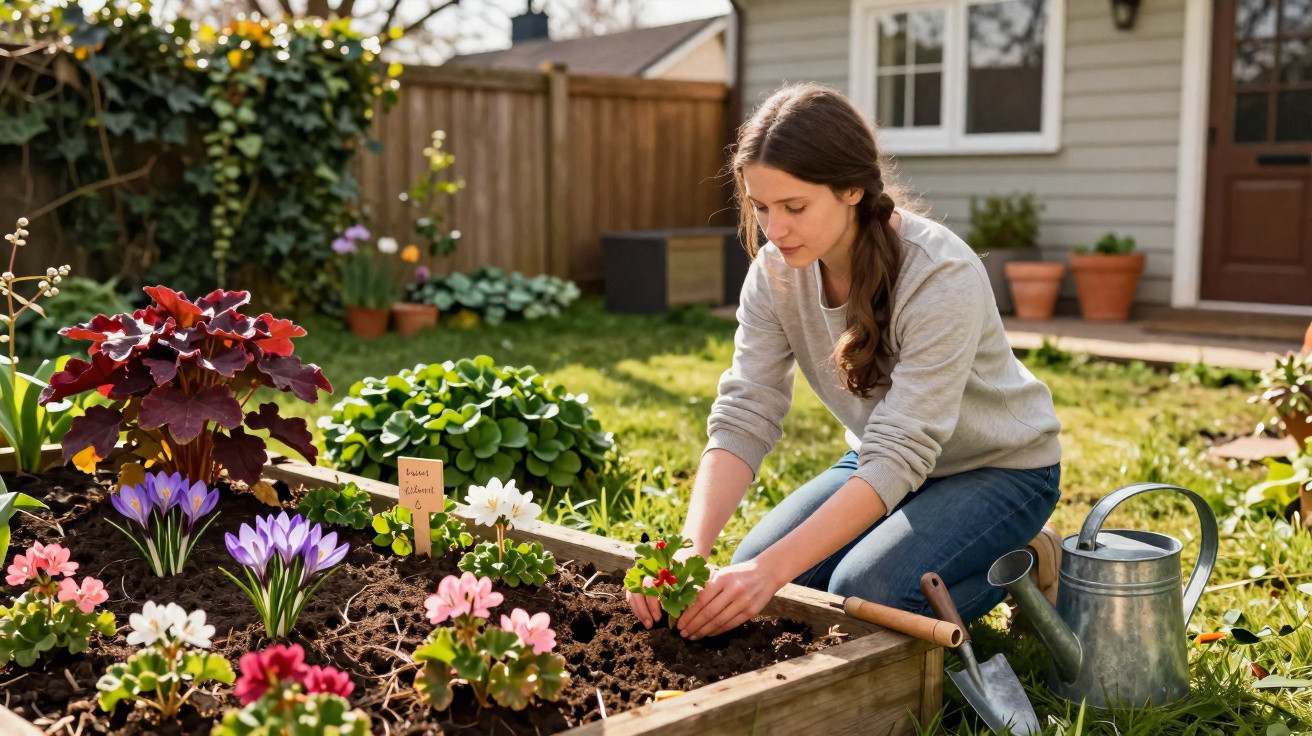
Many people new to gardening end up discouraged by dried-out pots and bare borders. Costly impulse purchases at the garden centre, too little time or the wrong position can quickly take the enjoyment out of gardening. Yet a border that looks impressive without constantly demanding attention can be created with a few carefully chosen, inexpensive perennials.
Why these 6 plants save beginners so much effort
Anyone starting out in the garden needs plants that are forgiving: varieties that will not immediately suffer if watering is missed for a day or the soil is less than perfect. This is where six readily available classics excel. They are inexpensive, cope well with common mistakes and can be bought almost anywhere.
“With just six affordable species, you can create a border that provides colour from winter through to autumn – without having to keep replanting.”
The basic idea is to use perennial plants and bulbs that return on their own every year. By matching their flowering periods thoughtfully, you create a kind of ‘relay of blooms’, with each plant taking over the garden in turn. A reliable trio is:
- Christmas rose (Helleborus): flowers in winter
- Crocus: flowers in very early spring
- Hardy geraniums (Geranium): flower from late spring into autumn
Add foliage plants and ground-covering varieties to fill gaps and suppress weeds. The result is a remarkably resilient system that needs little money or effort.
The 6 affordable plants that largely look after themselves
1. Hardy geraniums: a flowering carpet from May to October
Hardy geraniums, not to be confused with the familiar balcony geraniums, are real workhorses in a border. They spread widely, cover the soil effectively and, depending on the variety, bloom from late spring until autumn.
- Position: sun to partial shade
- Soil: ordinary garden soil, provided it is not too wet
- Care: trim back faded stems from time to time and thin them out once a year
They suit beginners particularly well because, once established, they need very little attention. After a few years, they can simply be divided and replanted elsewhere, giving you more plants at no cost.
2. Crocuses: a burst of colour in late winter
Crocuses are among the year’s earliest flowers. While everything else still looks grey, their purple, white or yellow blooms push through the cold soil.
Plant the bulbs in autumn and they will take care of the rest themselves. They naturalise readily, meaning they spread over the years and provide more and more flowers without any help.
3. Christmas roses: flowers in the middle of winter
Christmas roses seem almost magical, flowering in the depths of winter from December to March. Frost hardly affects them; indeed, they often look especially attractive in cold conditions.
They prefer a partially shaded spot, such as beneath open-growing shrubs. Once settled in, they mainly want one thing: to be left alone. It is a classic case of “Plant once, enjoy for years”.
4. Coral bells: when foliage takes centre stage
Coral bells (Heuchera) are a useful trick for anyone wanting to add structure to a border without continually planting fresh flowers. Their delicate blooms are less of a feature than their foliage, which can be green, red, almost black or even variegated, depending on the variety.
- Ideal for giving dull corners more visual interest
- Well suited to partially shaded areas
- Suitable for both pots and borders
After several years, they form strong clumps that can be divided and used elsewhere, another benefit for a limited budget.
5. Bugleweed: the inexpensive weed stopper
Bugleweed (Ajuga reptans) is a true groundcover plant. It spreads by runners and closes gaps in a border that weeds would otherwise take over. In spring it produces attractive blue flower spikes, while for the rest of the year it forms a dense carpet.
Anyone seeking a low-maintenance garden needs this type of ‘carpet plant’. It keeps the soil covered, helps it retain moisture and means you need to reach for the hoe far less often.
6. Ivy: the tough gap filler
Ivy divides opinion, but it is invaluable for certain uses. It covers bare ground, greens up walls or fences and thrives in shade. For beginners, the key point is that ivy tolerates almost anything, including extended dry spells.
“Ivy and bugleweed stop weeds from gaining the upper hand – using them saves many hours spent kneeling in the border.”
The only important point is not to let ivy grow unchecked. Keep an eye on it around trees and on house walls, and trim it regularly.
Keep costs down by dividing plants rather than buying more
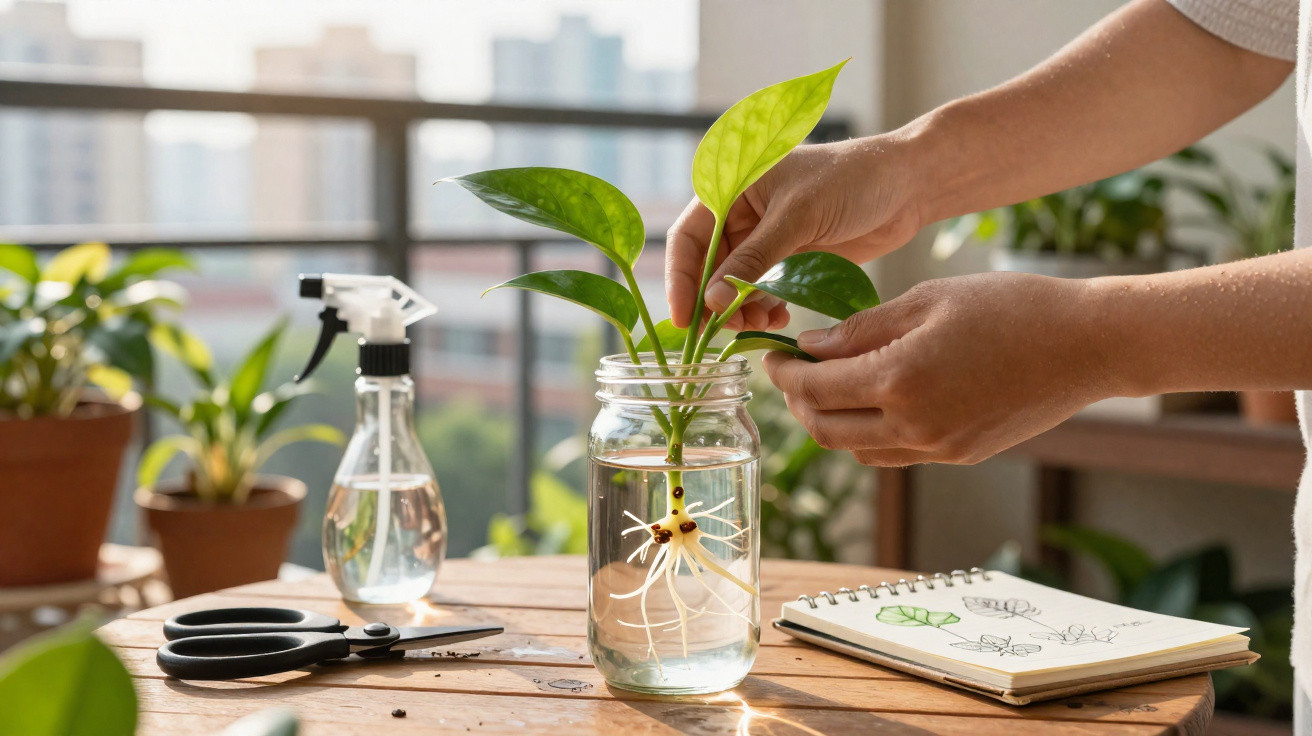
Gardening on a tight budget means thinking in cycles. Over time, many perennials become large enough to divide, creating new plants without any additional expense.
| Plant | Propagation method | Suitable time |
|---|---|---|
| Hardy geraniums | Divide the rootball | Spring or autumn |
| Coral bells | Divide established clumps | Spring |
| Bugleweed | Separate rooted runners | Possible almost all year round |
| Ivy | Cut off and plant rooted shoots | Spring to autumn |
The method is straightforward: dig up the plant, split the rootball into several pieces with a spade or sharp knife, replant every section with strong roots, water thoroughly – and that is it.
Keeping animals away: inexpensive protection for young plants
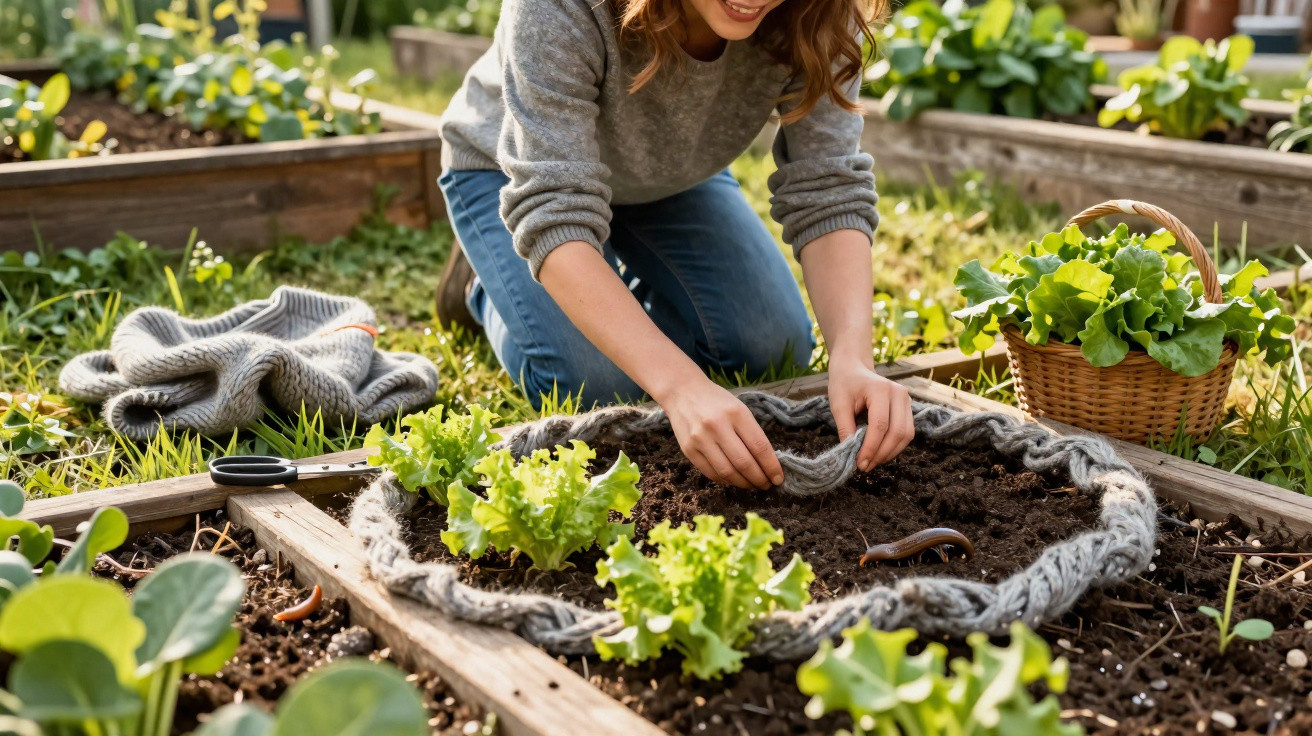
Many gardeners know the problem: no sooner have plants gone in than cats, birds or slugs arrive and undo the work. You then lose not only time, but also the money spent on plants and compost.
Garden experts in the United Kingdom recommend a surprisingly simple solution: cayenne pepper. Sprinkle a light layer of the hot-tasting powder around vulnerable plants. Animals dislike its smell and taste and avoid the area, while the plants themselves are not harmed.
- Apply only a light sprinkling; do not pile it up
- Reapply after heavy rain
- Do not put it directly onto open wounds on the plant
Combined with robust species that are naturally resilient, this can noticeably reduce losses in the border. As a result, replacement plants are needed less often.
How beginners can plan their first low-maintenance border
A beginner’s border does not need to be perfect, but it should be planned carefully. Shopping without a plan costs more in the end. A small sketch on paper is more useful:
- Check the position: full sun, partial shade or mostly shade?
- Assess the soil roughly: is it heavy and clay-rich, or sandy and dry?
- Choose three or four main plants as a framework, such as hardy geraniums, coral bells and Christmas roses
- Add groundcover plants: bugleweed and, where appropriate, ivy
- Tuck bulbs such as crocuses between the perennials
Starting small lets you expand the border year after year with divisions and offshoots. The garden then grows alongside your experience, while your bank balance stays comfortable.
What beginners often underestimate: position and patience
These six plants are robust, but they are not miracle workers. Even they will struggle if left permanently waterlogged or in bone-dry, severely compacted soil. A simple improvement to the soil with a little compost often works wonders. It is equally helpful to water regularly during the first few weeks after planting, until the roots have become established.
Many people give up too soon when everything still looks sparse in the first year. Perennials generally need two to three years before they really get going. Give them that time and they will later reward you with little effort required: flowers, dense foliage and considerably fewer weeds.
These ‘easy-going plants’ are especially suitable for people in work, families or anyone on a limited budget. They reduce maintenance, make the border more stable and provide a satisfying sight through the window for many years: something is growing there, without turning every Saturday into an obligatory day in the garden.

Comments
No comments yet. Be the first to comment!
Leave a Comment