

November offers a calm opportunity to reset the garden and get ahead of the season.
On social media, practical gardening voices are highlighting six modest jobs that can bring winter order and encourage spring flowering. One recommendation is particularly notable: trim roses carefully now to prevent wind damage and maintain neat, compact shrubs.
Why November sets the tone for spring
Although plants begin to slow as daylight shortens, the ground often remains workable after autumn rainfall. This makes it an ideal period for clearing up, planting and making light structural cuts. Well-chosen timing can limit disease, shield roots and save considerable time in March.
Do the basics now and spring work feels lighter, beds look cleaner, and losses from winter weather shrink.
Flourish Living, a popular TikTok gardening account, reduces November gardening to six straightforward jobs: lightly prune roses, clear borders, choose and plant bulbs, deal with fallen leaves, introduce hardy colour and spend ten minutes outdoors each day. It is a simple plan, but one that reflects the work many head gardeners undertake when the clocks go back.
Pruning roses in November: how much to cut and why it works
Tall, soft rose growth can be rocked by wind, potentially loosening the roots. A modest autumn trim limits this movement while keeping plants orderly. For hybrid teas and shrub roses, reduce stems by roughly one third, concentrating on weak, crossing or damaged canes.
- Make each cut on a slight angle, 5–7 mm above an outward-facing bud, so water runs away.
- Cut dead or diseased wood back to sound, white pith, then dispose of the prunings in the bin.
- Secure long climber and rambler canes to their supports to reduce storm damage.
- Save major reshaping for late winter or very early spring, after hard frosts have passed.
In colder parts of the country, heap composted bark or soil around the base to protect the graft. In milder gardens, applying mulch after the ground has cooled will help retain moisture and nourish soil life.
Think “tidy and wind-safe” now, “big cuts and shaping” later. That rhythm keeps roses strong and flowering on time.
Six quick wins for a clean, resilient garden
The November list being adopted by many gardeners is as follows. Each job is brief, but the benefits build over time.
- Give roses a light prune to reduce wind rock, remove weak shoots and retain a compact shape.
- Tidy borders by lifting exhausted annuals, cutting back waterlogged perennials and retaining robust stems for wildlife.
- Select and plant spring bulbs in drifts to fill spaces that will appear by May.
- Clear leaves from paths and lawns, then use them as bed mulch or begin a leaf-mould heap.
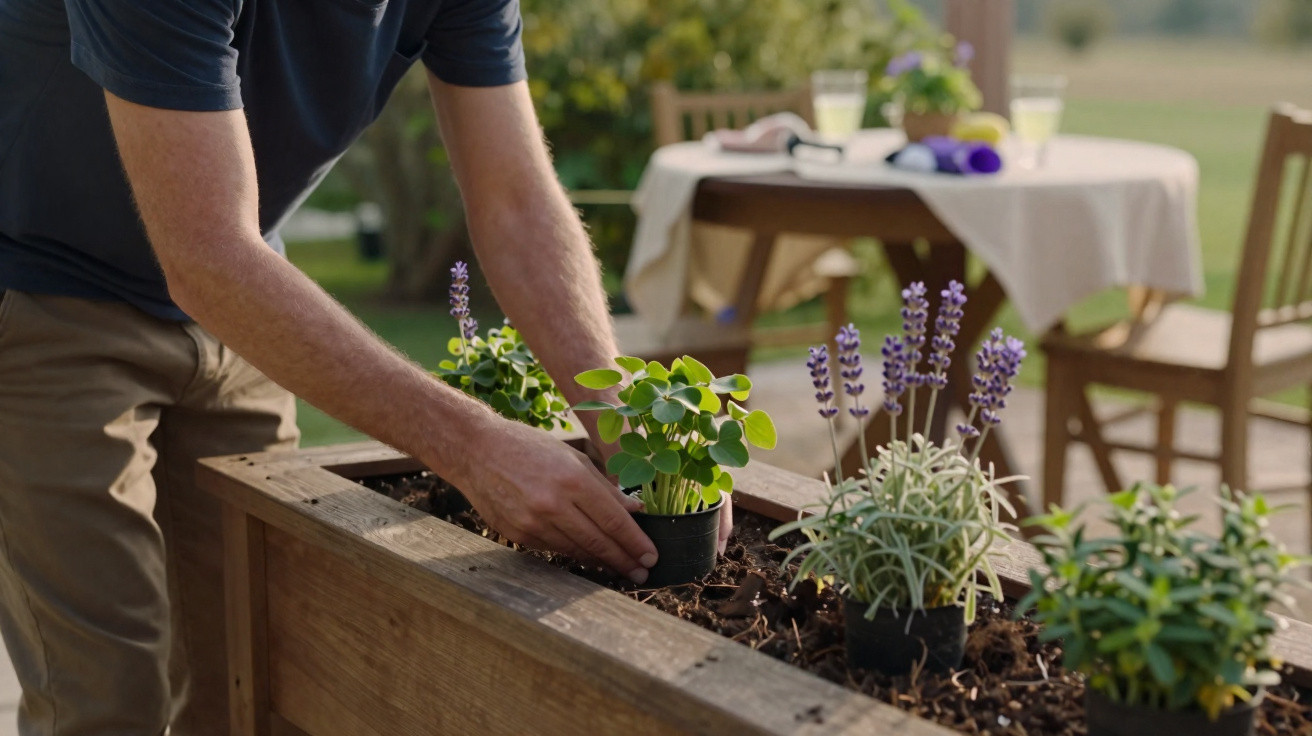
- Add winter-hardy colour-cyclamen, violas, pansies and heucheras-before the end of the month.
- Spend ten minutes outside every day, watering newly planted bulbs if rain has missed your postcode.
| Task | Why now | Pro tip |
|---|---|---|
| Rose tidy-up | Prevents wind damage and smartens beds before storms | Disinfect secateurs between plants to limit black spot spread |
| Border clean | Clears potential disease hosts and creates room for bulbs | Retain echinacea and sedum seed heads for birds and winter structure |
| Bulb planting | Cool ground encourages roots before severe cold arrives | Plant at three times the bulb’s height; water once to settle soil |
| Leaf management | Avoids smothered lawns and blocked ponds | Shred leaves with a mower; bag damp leaves to produce leaf mould |
| Winter colour | Keeps beds and pots bright during short days | Pick hardy cyclamen and violas; combine them with evergreen grasses |
| Daily 10 minutes | Identifies issues early and supports wellbeing | Use the walk to inspect ties, covers and water levels |
Bulbs to plant now for spring results
Daffodils establish roots readily in cool ground and cope well with late frosts. Tulips favour colder soil, making later November the better planting time for them. Alliums and muscari take over after tulips fade, extending the display into early summer.
- Depth guide: plant at three times the bulb’s height; improve clay drainage with added grit.
- Spacing: relaxed drifts are more attractive than formal grids, so plant groups of 7–15 together.
- Pest watch: place chicken wire over tulip beds to discourage squirrels, removing it in spring.
- Containers: create a “bulb lasagne”-tulips at the bottom, daffodils in the middle, with crocus or muscari above.
Plant when soil sits near 8–10°C (46–50°F). Roots establish fast, and bulbs push stronger stems in spring.
Fallen leaves: what to clear and what to leave
Leaves left on lawns reduce light levels and can encourage fungal patches, so remove them weekly using a rake or mower. On beds, however, leaves provide free mulch, suppressing winter weeds and feeding soil organisms as they decompose.
- Maintain a 5 cm layer of leaves around trees and shrubs, but clear perennial crowns to prevent rot.
- Remove leaves from ponds before they sink and turn the water sour.
- Make a leaf-mould heap inside wire netting; it will become a useful surface mulch within 12–18 months.
- Keep a few untidy areas containing leaves and hollow stems for hibernating insects and hedgehogs.
Cyclamen and other hardy colour for winter
Hardy cyclamen add flashes of pink, white or red beneath shrubs and in pots by the porch. They tolerate cold weather provided drainage is good. Combine them with ivy, carex or heuchera for contrasting planting that lasts into spring. Violas and pansies flower through much of winter when deadheaded weekly and lightly fed during mild spells.
Plant them before the month ends, while roots can still establish. Water them in once, and stand containers on pot feet to prevent waterlogging. During a cold snap, cover pots with fleece overnight, taking it off again each morning.
Small November jobs that matter on short days
Sharpen and oil secateurs and loppers. Empty hoses and watering timers before frost arrives. Inspect outdoor lighting and ensure paths are safe for dark journeys home. Label divided clumps, so that spring you can identify what autumn you planted. Buy mulch while suppliers are still delivering promptly. Keep horticultural fleece close to the back door for unexpected frosts.
Ten calm minutes outside beats one panicked hour after a frost warning. Little checks prevent big losses.
Extra context gardeners are asking about now
How severely should roses be pruned in autumn? Keep it light. A gentle trim reduces the sail effect during storms, while substantial cuts should wait until late winter, when winter dieback is visible and plants can be shaped more confidently. Pruning hard now may trigger soft new growth that a cold snap can scorch.
How should timing vary by region? In colder areas, complete bulb planting sooner and protect rose grafts with mounded mulch. In mild coastal gardens, November remains an excellent time for tulips and cyclamen. Pay closer attention to soil temperature than calendar dates. Cold, wet clay benefits from grit and raised bulb positions, whereas sandy ground needs a deeper mulch layer to retain moisture.
Concerned about pests and disease? Gather spotted rose leaves and put them in the bin to reduce black spot spores. Clean stakes and ties, and rotate winter bedding between containers and beds to avoid repeat aphid hotspots. Where vine weevils are common in pots, empty the compost and inspect it for grubs before planting cyclamen.
Need a fast routine? Set a 15-minute timer twice each week. On the first day, sweep paths, clear leaves from the lawn and empty saucers beneath pots. On the second, deadhead winter bedding, inspect fleece and ties, water recent plantings in dry conditions and record gaps that need bulbs. These small, regular habits keep a garden looking cared for without sacrificing an entire weekend to chores.




Comments
No comments yet. Be the first to comment!
Leave a Comment