
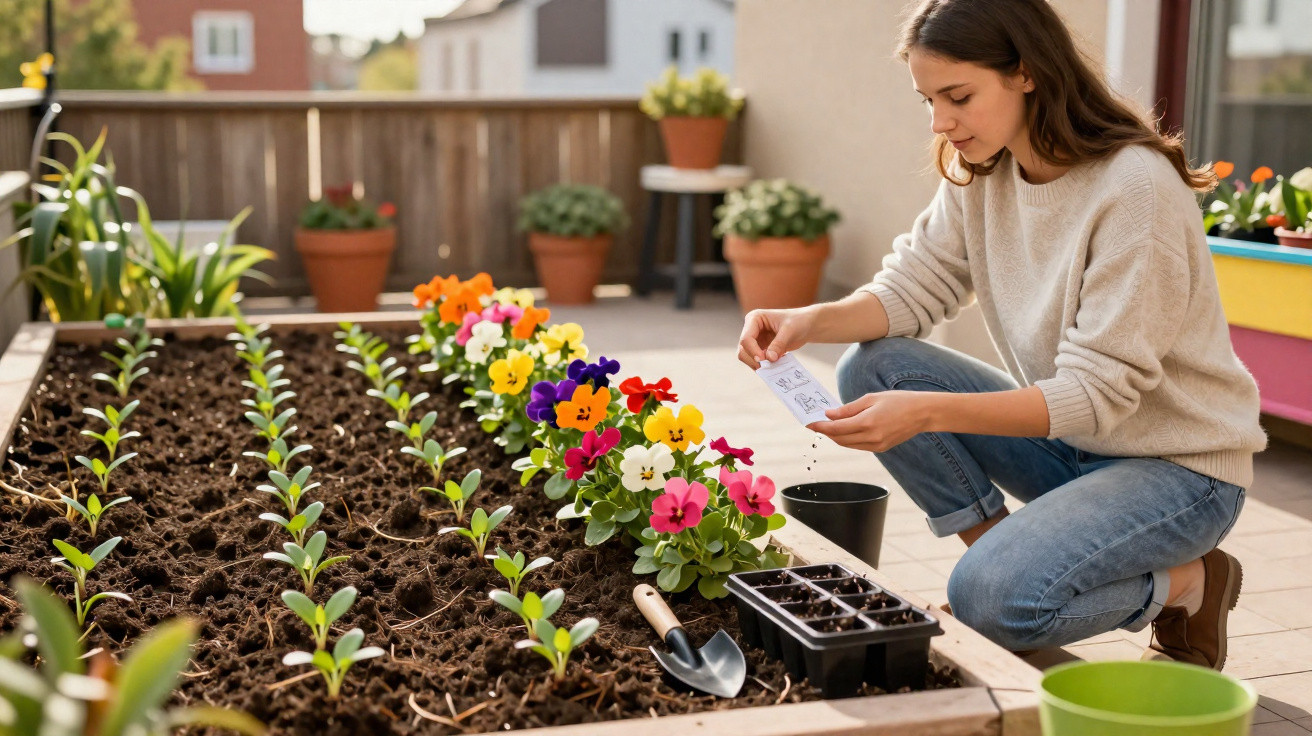
In the UK, experts are currently showing how even bare beds can burst into colour within just a few weeks in March – without a professional greenhouse or complicated techniques. The secret is a small selection of fast-growing flowers and a straightforward schedule that can be applied almost exactly to gardens, patios and balconies across the UK.
Why March is the secret turbo month for flowers
In March, gardens can still look weary: soggy lawns, empty pots and a few tired winter plants. Yet plenty is already happening beneath the surface. Soil temperatures are gradually rising, the sun is higher in the sky, and most parts of the UK enjoy longer spells of mild weather during the day.
British amateur and professional gardeners use precisely this period as a kind of rapid launch for the flowering season. Some annual flowers can progress from seed to bloom in six to ten weeks.
Anyone who sows the right fast starters in March can enjoy colourful beds and window boxes from late April to May, rather than waiting until summer.
These are chiefly annual plants, which complete their entire life cycle within one season. Many have been bred to grow especially quickly and produce buds early.
Hardy or half-hardy: which flowers really get going in March
British gardening guides frequently distinguish between “hardy annuals” and “half-hardy annuals”. Put simply, these are tough annuals and warmth-loving annual plants.
Hardy annuals: sow straight into the bed, even while nights remain cool
Hardy annuals cope far better with lower temperatures and light frosts. They can be sown directly into beds or window boxes in March.
- Pot marigolds
- Cornflowers
- Love-in-a-mist (Nigella)
- Californian poppies
These varieties do not need cosy conditions and manage typical March weather in the UK well. Sowing them now often brings the first splashes of colour in late spring – much earlier than many traditional summer flowers.
Half-hardy annuals: start them on the windowsill, then move them into the garden
The second group recommended by British experts consists of “half-hardy annuals”. Although these plants are sensitive to frost, they grow extremely rapidly in warmer conditions.
- Zinnias
- French marigolds
- Petunias
- Cosmos
- Nasturtiums
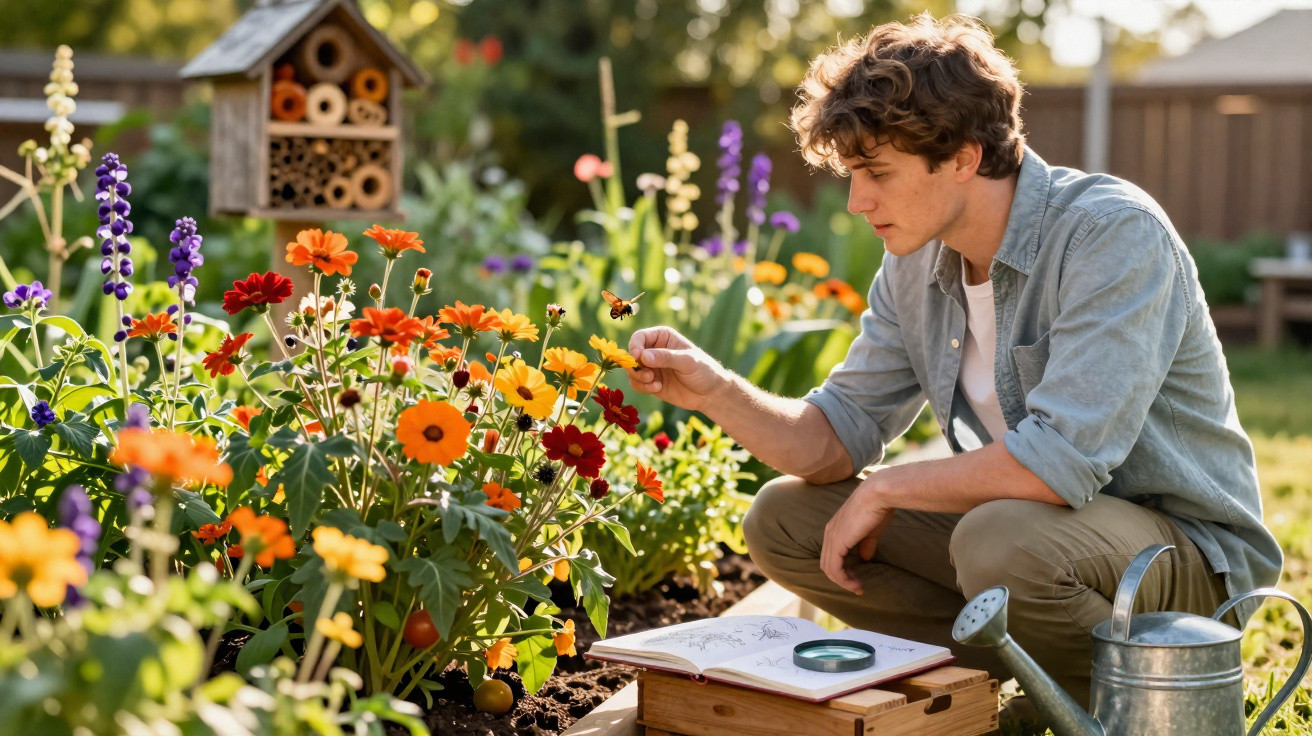
- Borage as an insect-friendly companion plant
Start them in March on a windowsill, in an unheated but frost-free greenhouse, or in a simple plastic mini greenhouse. Once there is no longer a risk of frost overnight, they can move outdoors – where they quickly gather pace.
The fastest flowering sprinters: figures to help you plan
Many familiar bedding plants take around three months to flower after sowing. For impatient gardeners, that can feel like an age. The varieties highlighted in the British article are noticeably quicker.
| Flower | Approximate time from sowing to flowering | Special feature |
|---|---|---|
| French marigold | 45–60 days | Very easy to grow, ideal for beginners |
| Zinnia | approx. 65 days | Large, striking flowers, excellent for vases |
| Nasturtium | approx. 60 days | Edible flowers, bold colours |
| Californian poppy | approx. 60 days | Tolerates dry conditions, delicate appearance |
| Cornflower | approx. 8–10 weeks | Classic wildflower, popular with bees |
| Pot marigold | approx. 8–10 weeks | Medicinal plant, long flowering period |
Anyone who fills their balcony deliberately with such “sprinters” in March can show off a display resembling a ready-made garden centre selection by late spring – at considerably lower cost.
The March routine: three straightforward rules for record speed
The British advice is not only about choosing varieties; it is also about following the right process. Essentially, it comes down to three memorable steps.
1. Prepare the position and soil
Before the first seeds go into the ground, a little quick preparation is worthwhile:
- Loosen the top layer of soil and remove stones and old roots.
- Work in a layer of compost or well-rotted planting compost.
- Pick a spot receiving at least six hours of sunshine a day.
- Fill large containers with good-quality, free-draining potting compost and prevent waterlogging.
This initial boost saves considerable time later. Fast-growing flowers make use of every available nutrient and all the light they receive. When the soil is right, they establish themselves far more quickly.
2. Sow correctly: start outdoors and indoors at the same time
The recommendation from the UK follows a dual approach:
- Outdoors: sow hardy annuals such as pot marigolds, cornflowers, Californian poppies and Nigella directly where they are intended to flower. Keep the soil lightly moist, rather than soaking it.
- Indoors: sow warmth-loving varieties including zinnias, cosmos, petunias and French marigolds in seed trays or small pots. Place them somewhere bright, maintain even moisture and prick them out carefully later.
This means the first rows are already growing outside while young plants are developing indoors, ready to fill gaps seamlessly afterwards.
3. Give plants room and prevent competition
As soon as the first seedlings appear, comes the step many amateur gardeners dislike: thinning them out. Sowing too densely and leaving every seedling in place slows growth.
Fewer plants with more space grow faster and stronger – and ultimately produce considerably more flowers than an overcrowded bed.
The key rules are:
- Thin seedlings so every plant has air, light and space all around it.
- Remove weeds early, so there is no competition for water and nutrients.
- Feed only if growth is visibly slowing – too much fertiliser can encourage soft, vulnerable foliage instead of flowers.
Professional tricks: colour combinations and longer flowering periods
British gardeners think not only in terms of varieties, but also of the effects they create. Planning in March makes it possible to achieve surprisingly varied results with minimal effort.
A quickly colourful balcony in three window boxes
Here is a simple example for a small urban balcony:
- Box 1: sow cornflowers and Californian poppies directly – they provide delicate, slightly wild-looking spring flowers.
- Box 2: plant out pre-grown zinnias from the windowsill once it is frost-free – they bring strong colours later on.
- Box 3: combine trailing petunias with nasturtiums – creating cascades of flowers that work from above and below.
With this mix, the balcony gradually fills out from March into summer, without the need for continual replanting.
A longer season through staggered sowing
Another suggestion from the British guide is not to use all seeds at once in March. Sow in stages instead. For example:
- Make the first sowing in early March, with hardy varieties outdoors and tender ones indoors.
- Sow again four weeks later, partly into spare gaps and partly into pots.
This gently staggers the flowering times. Rather than the bed switching suddenly from “in full flower” to “all over”, it remains lively for weeks.
Fast-track care: small actions, major results
Rapid flowering does not require complicated methods, only a few brief routines that are easy to fit into everyday life.
- A quick morning watering: water smaller amounts more often rather than giving large quantities infrequently, so roots are not left sitting in wet soil.
- Remove spent blooms: petunias, pot marigolds and zinnias produce fresh buds much faster when faded flowers are removed regularly.
- Check after storms: after windy days, support taller varieties such as cosmos with canes so they do not bend or snap.
Petunias in particular benefit greatly from so-called “deadheading”, meaning the removal of spent flowers. This directs their energy away from making seed and towards fresh buds.
What beginners often misunderstand – and how to do it better
Many newcomers assume fast-growing plants are automatically effortless. Most do forgive mistakes, but they do have a few characteristics worth knowing.
- Too much fertiliser: quickly results in excessive leaf growth and too few flowers.
- Too little light: zinnias and petunias in particular become leggy and then topple over easily.
- Constantly wet soil: encourages fungal diseases in seedlings.
Gardeners who avoid these pitfalls will usually enjoy a surprisingly reliable and colourful season – even in the smallest space.
What terms such as “annual” and “self-seeding” mean
Garden centres often use terms around these March flowers that can be confusing. Two are worth a brief explanation.
Annual: These plants germinate, grow, flower and die within one season. They do not survive winter as plants, only as seed. This makes them ideal for fast colour, as all their energy goes into growth and flowering.
Self-seeding: Varieties such as borage and Californian poppies drop ripening seed directly onto the ground. With a little luck, they will do the work themselves the following year. Anyone who prefers a neat, structured garden can contain these areas with clearly edged beds or pots.
Adapting British tips for flowers to a roof garden or courtyard
Many readers do not live in a traditional house with a front garden, but in a town or city. The principles from the British guide still work – simply in containers.
A realistic example is a small, mostly shaded courtyard with a sunny windowsill. Hardy annuals go in the brightest spots, while warmth-loving plants such as petunias and zinnias germinate by the window before moving into larger containers. Nasturtiums trail down from a wall or railing, while borage grows in a bucket and attracts bees and bumblebees from neighbouring balconies.
This combination can make even a narrow, grey courtyard resemble an improvised yet lively flower display in May – without needing to plan an entire winter in advance around expensive ready-grown plants.

Comments
No comments yet. Be the first to comment!
Leave a Comment