
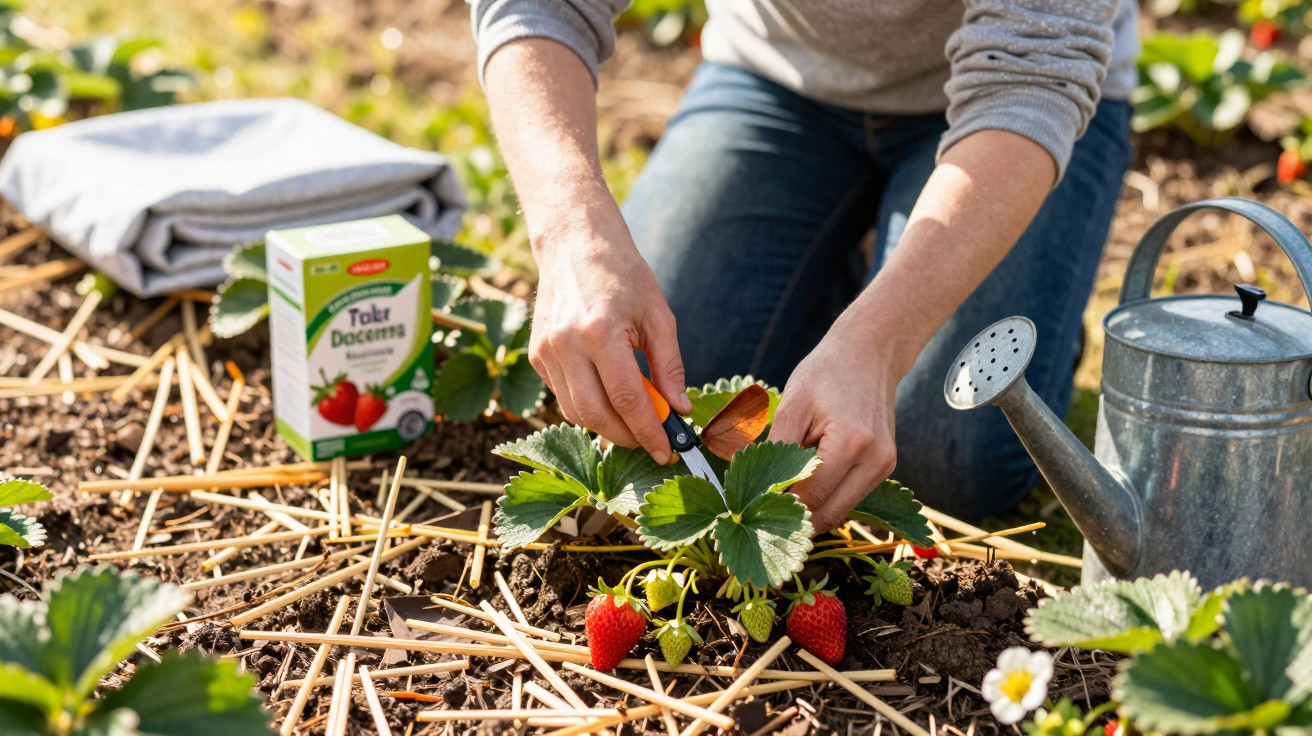
Act wisely now and you may often be picking before your neighbours.
Every year, many amateur gardeners ask why their strawberries barely produce in June – or only start yielding once the appetite for the first red berries has almost passed. The cause is rarely the variety; much more often, it comes down to four straightforward spring jobs that are underestimated or overlooked altogether.
Why spring determines your strawberry harvest
Strawberry plants are naturally hardy, long-lived performers. They can remain in the same bed for several years, yet they are highly sensitive to unsuitable care in early spring. This is when they establish the foundations for flowering, fruit set and flavour.
Anyone who cares for their strawberries purposefully in March and April can harvest noticeably earlier, more abundantly and often more sweetly from mid-June.
This does not require complicated professional techniques. It is about four simple measures: cleaning thoroughly, feeding wisely, mulching effectively and watering correctly – along with a little protection from late frosts. Together, these measures can turn tired clumps back into productive strawberry plants.
Step 1: Remove old foliage for a healthy start
From late March or early April, it is time to give the strawberry bed its spring clean. Remove all old, brown or spotted leaves without exception. Wilted foliage often harbours fungal spores that may later infect both leaves and fruit.
- Cut away every dried or brown leaf just above the crown
- Remove rotten or soft plant material completely
- Weed the area around the plants
The crown – the short, thickened stem section at the centre of the plant – must not be covered with soil. It should sit just at soil level and remain exposed to the air. This allows the plant to warm up sooner, put on new growth earlier and develop flower buds more readily.
If you have several rows, take one small detail seriously: clean your tools regularly. A damp cloth with a little alcohol or hot washing-up water is enough. This prevents fungal diseases from being transferred unnoticed from one plant to another.
Step 2: Add nutrients with a light touch
Once cleaning is complete, the plants need an energy boost. Strawberries are not heavy feeders like cabbages, but they do require a strong start to the season for good flowering. Well-rotted compost is ideal: it should no longer generate heat and should feel crumbly in the hand.
Around two loose handfuls of mature compost per plant are enough to give flowering and growth a noticeable boost.
Spread the compost in a ring around each plant rather than tipping it directly into the crown. Then use a hand fork or small cultivator to loosen only the uppermost layer of soil – no more than two to three centimetres deep, as strawberry roots grow very close to the surface.
This minimal cultivation breaks up a hard surface crust, lets air reach the roots and helps rainwater or irrigation soak in more easily. Applying mineral all-purpose fertiliser alone can quickly lead to excessive salt levels in the soil and watery fruit. Organic matter such as compost works more gradually but for longer, while also improving soil structure.
Step 3: Mulch as a shield for strawberry fruit and soil
Once the plants begin producing fresh growth, it is worth applying organic mulch. Straw, hemp shives or flax shives are traditional choices for a strawberry bed. They keep soil moisture more even and stop ripening berries from resting directly on the ground and rotting.
- Apply a mulch layer of around 5–10 centimetres around the plants
- Leave a clear gap of 2–3 centimetres around the crown
- Choose material that breaks down slowly and does not become mouldy
Covering the plant crown with mulch encourages waterlogging and rot at its most vulnerable point. A distinct ring that leaves the centre open is the better option. Later, the mulch keeps the fruit clean, reduces rain splash and therefore lowers the risk of grey mould (Botrytis).
Stones or plain gravel are of little use for strawberries. They become very hot in sunshine, dry the soil out and add no humus at all. Organic mulch, by contrast, gradually becomes valuable material for the living soil.
Step 4: Water properly and protect against late frost
As the first warmer days arrive, strawberry plants need more water. They dislike permanently wet roots, but they also suffer from drought shortly before and during flowering. The best approach is to water less often but thoroughly.
Watering generously once or twice a week is generally sufficient, provided the soil is not extremely sandy.
Always water at ground level rather than over the foliage. Wet leaves and flowers remain damp for longer and are more easily affected by fungal disease. Drip hoses or watering cans without a rose attachment have a clear advantage here.
Late frost remains the hidden enemy of early strawberry flowers. Cold nights during the well-known mid-May frost period can freeze the first delicate blooms. Simply drape horticultural fleece loosely over the rows in the evening and remove it again in the morning; this small rise in temperature can save many flowers.
Additional ways to produce more and better fruit
Limit runners and focus the plant’s energy
During spring and summer, strawberries produce plenty of runners. If all of them are allowed to grow, the plant directs a great deal of its energy into new young plants rather than fruit. If your main aim this year is harvesting, cut off most runners early.
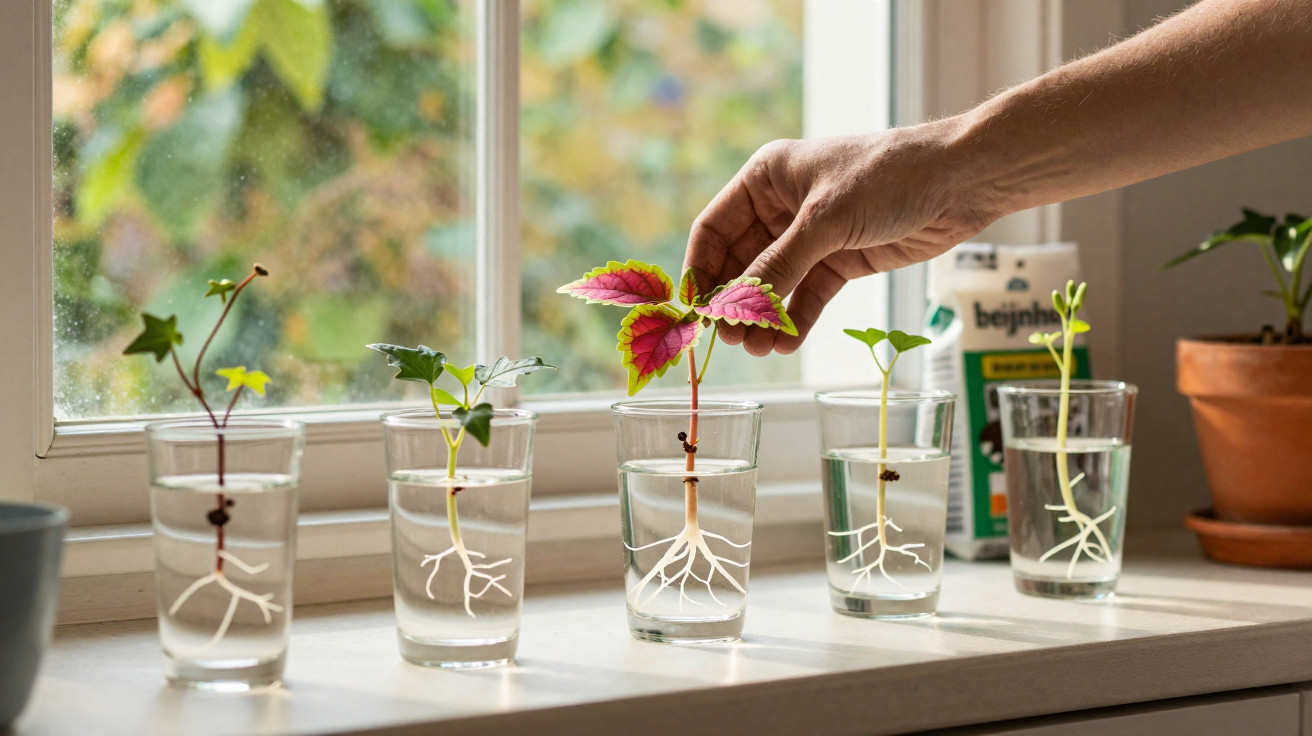
Only gardeners intending to propagate plants should leave a few strong runners in place, root them in small pots and use them to create new plants for the next bed.
Spot diseases early
Fungal diseases such as powdery mildew and grey mould can often be halted at an early stage if you inspect plants closely. Warning signs include:
- dark, sunken patches on the leaves
- pale green or limp foliage despite adequate water
- fruit with grey fluff or soft, mushy areas
Cut away affected plant parts promptly and do not add them to the compost heap. Dispose of them separately or burn them instead. This significantly reduces disease pressure across the whole bed.
Site, soil and tips for strawberry lovers
Strawberries thrive in sunshine. A position receiving at least six hours of direct sunlight daily delivers not only more fruit but, above all, more sugar. In partial shade, berries often ripen later and remain sharper in flavour.
The soil needs to be loose, free-draining and rich in humus. Waterlogging, for example in dips or in heavy clay soil without drainage, quickly causes root rot. In difficult sites, slightly raised beds or broad rows built up a little higher can help.
For an even greater flavour boost, work a thin layer of mature leaf compost into the soil in spring, then water once more lightly with well-diluted nettle feed in May. This supplies extra potassium, which supports flavour and sugar formation.
A sunny site, loose soil, organic feeding and consistent spring care – this combination turns every strawberry bed into a small berry-picking oasis.
The maintenance itself can also be enjoyable: children can help cut away old leaves, carry mulch or lay the frost fleece over the plants in the evening. By maintaining these routines year after year, you gradually create a resilient strawberry system, with your own young plants, well-established soil and reliable harvests from mid-June onwards.
Comments
No comments yet. Be the first to comment!
Leave a Comment