
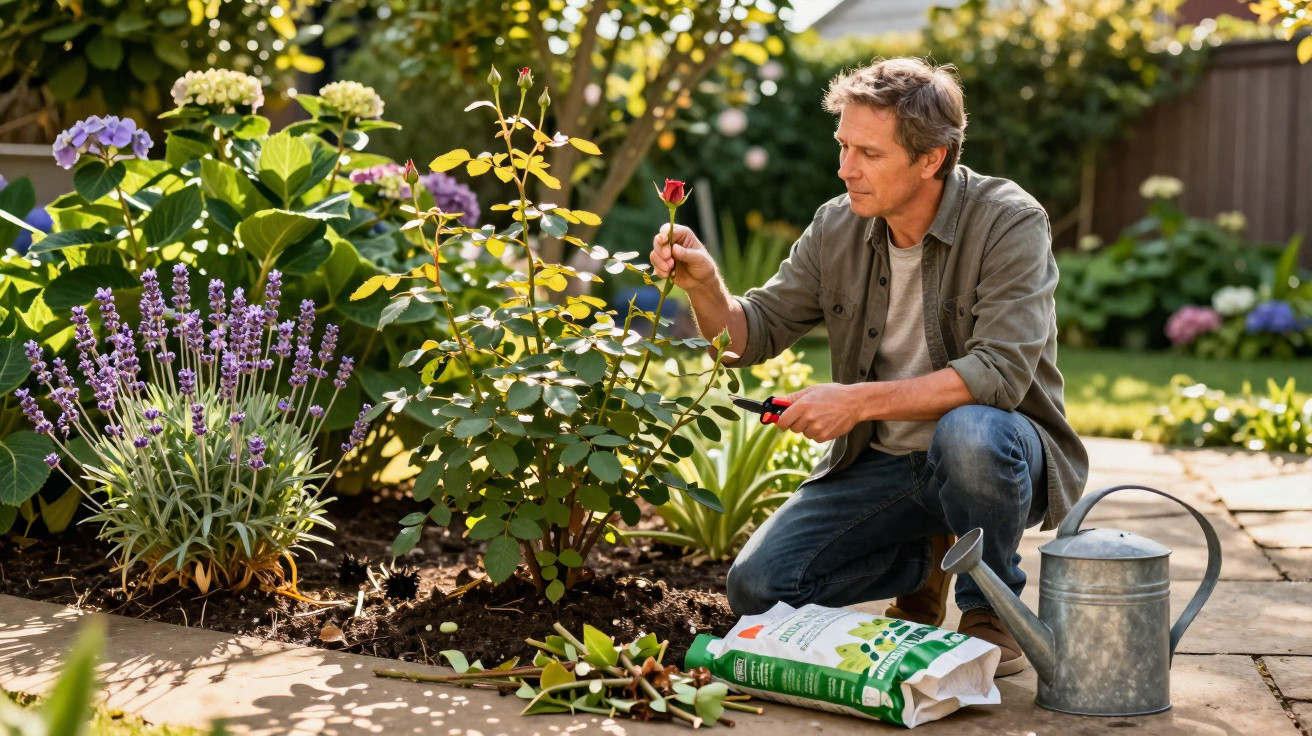
A sharply defined green border, crisp edges and not a single loose leaf. It was the sort of garden that made neighbours slow their cars and look twice. Yet, once you opened the gate and came nearer, there was an uneasy feeling.
The plants were certainly alive. Still, the roses carried only a handful of timid buds, the lavender appeared trapped in leafy growth, and the hydrangeas seemed never to have received the instruction to flower. Everything had been clipped and controlled, almost excessively cared for: a garden with the volume turned down.
Its owner insisted that he was “doing everything right”: pruning regularly, relying on quick fixes and tidying constantly. A horticulturist arrived, surveyed the space for ten seconds, then said: “You’re doing one thing too much.”
That single shortcut is destroying the blooms.
The shortcut that quietly steals your flowers
Take a walk along almost any suburban road in late spring and it is easy to spot. Gardeners stand outside with secateurs, cutting anything that appears even slightly untidy. A wayward branch? Removed. A faded flower? Cut back hard. An entire plant? Trimmed into a tidy green sphere before it has even considered producing buds.
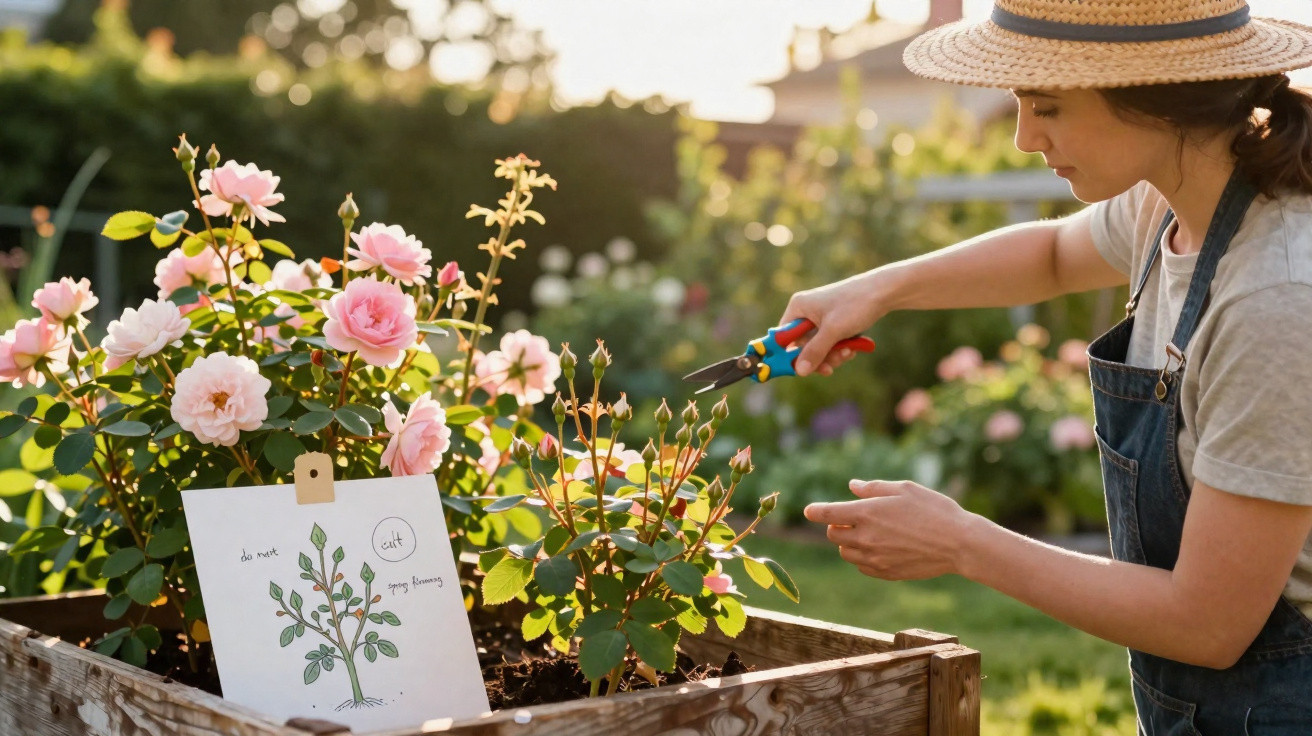
At first glance, it seems caring. You are engaged, active and “on top” of the garden. But the endless need to neaten has a damaging side. Excessive pruning and repeated “haircuts” at the wrong time can physically remove buds before they ever open. The plant puts energy into creating flowers… then your shortcut sends that investment straight into the compost heap.
One landscaper I spoke to calls such spaces “evergreen prisons”. Their owners value neatness. They prune roses every week “so they don’t get wild”. They trim lavender into compact cushions, cut hydrangeas down to knee level every autumn and clip flowering shrubs the instant they extend an inch past the lawn edge.
These are not lazy gardeners; if anything, they are the reverse. They are simply repeating what they see in glossy images and maintenance videos concerned with form rather than flowers. Then July arrives, with its full borders and weighty roses, and every year they pose the same question: “Why is my neighbour’s garden exploding with colour while mine stays green?” Usually, the answer lies in the small heaps of newly cut clippings beneath their plants.
The reasoning is brutally straightforward. Most flowering plants make buds on either “old wood”, meaning the previous year’s growth, or “new wood”, meaning growth produced this year. Prune at the wrong moment and you cut away the future flowers. Continually snipping the tips makes a plant focus on survival: it produces leaves and structure rather than blooms. You’re asking it to be a hedge while you secretly expect a flower show. That seemingly harmless shortcut - “I’ll just quickly tidy that” - interrupts the natural cycle a plant needs to develop, set and open its flowers.
How to prune so your plants actually bloom
The key is not whether you prune at all, but why and when you do it. Before making a cut, establish where the plant produces its buds. Roses, summer-flowering shrubs such as butterfly bush, and many perennials flower on new wood. They respond well to a firm cut-back in late winter or very early spring, followed by very little disturbance.
By contrast, lilacs, forsythia, many climbing roses, camellias and certain hydrangeas create their buds during the previous season, on old wood. Give these plants a drastic cut in autumn, or a vigorous trim in early spring, and you effectively erase that year’s flowering schedule. A shortcut that saves ten minutes today can cost an entire season of flowers.
A useful approach is to choose a dedicated “pruning window” rather than cutting throughout the year. Shape old-wood shrubs immediately after they have flowered, rather than several months afterwards. For plants that bloom on new wood, choose a weekend in late winter for a thorough reset. Then leave them be. For the rest of the season, only deadhead faded flowers and take out wood that is plainly dead or diseased.
Many people assume that doing “a little bit often” is the safer option. It seems mild, almost like routine grooming. In fact, frequent light trimming removes the tender tips where flower buds are developing. It is like cutting your eyelashes as they emerge, then wondering why they never grow long. In ordinary gardens, the most floriferous plants often belong to people who prune with a clear purpose, then stand back and allow a little untidiness between sessions. That modest wildness is often where the flowers are made.
There is another quiet shortcut that prevents flowering too: reaching for high-nitrogen fertiliser. It is the general “green-up” product promising instant, luxuriant growth. You scatter it around plants in spring, perhaps again in early summer, and see them produce thick foliage… before they appear to stop at that point.
Nitrogen nourishes leaves. Dense green growth looks healthy, feels rewarding and photographs well from a distance. However, when nutrient levels are unbalanced - too much nitrogen and too little phosphorus and potassium - the plant continues making stems and foliage instead of moving into flower production. The result is a familiar complaint: “My plant looks amazing, but where are the blooms?” Using a one-size-fits-all fertiliser automatically and repeatedly can gradually leave your garden in a permanent leafy season.
Garden centres do not necessarily make this easier. Brightly coloured bags across the shelves announce “instant results”, “fast action” and “deep green lawn”. Plenty of people pick one up and apply it to everything: roses, shrubs, perennials and kitchen herbs. It is fast, simple and makes a Sunday morning feel productive. But flowering plants can behave like determined artists: offer the wrong conditions, and they will not perform.
Let us be honest: nobody carefully reads every fertiliser label in full every time. That is how the subtle harm begins. If a plant is already growing in rich soil, an additional high-nitrogen feed can be excessive. The plant becomes reluctant to bloom, much like someone who has eaten a heavy meal and decides to skip dessert. Its energy is directed towards upkeep rather than fireworks.
A more flower-friendly option is slower and more targeted. Test the soil once, or at the very least observe your plants for a complete season. When leaves are pale and weak, an early-year balanced fertiliser may be useful. If foliage is already a deep green but flowers are scarce, reduce the nitrogen and choose a feed containing slightly more phosphorus and potassium. Alternatively, use organic compost and potash sparingly; these can gently support roots and flowering rather than forcing lush foliage overnight.
There is an emotional element too: the impulse to solve everything at once. You step outside on a grey morning, spot a plant that seems “tired”, and immediately reach for the secateurs or fertiliser bag. It is a reflex, a way of feeling in control. We have all experienced the moment when we cut a little too much without thinking, simply to feel as though we are doing something.
Gardens operate on longer timescales than we do. The rose that appears “lazy” may still be creating the framework required for abundant flowers next year. The leaf-heavy hydrangea could be recovering from last year’s severe trim. The difficult reality is this: sometimes the boldest gardening choice is to do less this week and see what happens next month.
One gardener I interviewed put it simply:
“Every time I resist the urge to ‘just tidy a bit’, I get more flowers. The plants don’t need me to be perfect. They need me to be patient.”
To make this simpler, many gardeners keep a short cheat sheet close to the shed:
- Old-wood shrubs: prune immediately after flowering, then leave them alone.
- New-wood bloomers: prune hard in late winter, then use a light touch during the season.
- Roses and perennials: concentrate on deadheading rather than continual reshaping.
- Fertiliser: use less than the packet recommends and monitor how plants react.
Letting your garden breathe again
Once you understand how this shortcut stops flowers forming, it becomes difficult not to notice it everywhere. There are over-clipped front hedges without one flower inside them, endless leaf-filled hydrangeas in social media reels that offer striking green but no colour, and roses shaped into tight lollipops. You begin to recognise highly controlled gardens that seem oddly quiet.
Moving away from that approach changes the feeling of a garden. You start to leave certain stems longer. A shrub is allowed to retain its natural arching habit rather than being forced into a cube. You tolerate a few awkward weeks when plants look “between phases” and are not ready for Instagram. During that interval, stems mature, buds enlarge and the garden settles… just before it bursts back into life.
This different rhythm is less about becoming a flawless gardener and more about becoming an observant witness. You see which stems bear buds after winter. You notice which fertiliser applications produce leaves and which seasons bring flowers. You begin to interpret your patch of soil as a living diary rather than a checklist of jobs.
That is when the conversations begin. A neighbour leans over the fence and asks: “Your lilac is incredible this year, what changed?” You tell them, laughing slightly, that you mostly stopped “improving” things. A friend messages you a photograph of their bare hydrangea and asks, “Did I cut it too hard?” You know the pattern now, and your reply becomes gentler, slower and more grounded in your own errors.
Ultimately, this is not really a story about pruning or fertiliser. It concerns the pull between speed and seasons, and between our desire for tidiness and the untidy process through which flowers actually emerge. That gardening shortcut - the one that prevents plants from flowering fully - exists within that tension.
Once you can identify it, you can make another choice. Exchange a few minutes of instant control for the long, almost old-fashioned pleasure of waiting and watching, before stepping outside one morning to discover that a plant you barely touched is suddenly and magnificently covered in flowers.
| Key point | Details | Why it matters to readers |
|---|---|---|
| Over-pruning removes future flower buds | Frequent light trimming removes soft shoot tips, where many plants create buds. Shrubs including lilac, forsythia and some hydrangeas produce the following year’s flowers on current growth, so tidying at the wrong time eliminates the future display. | It explains why a plant can look healthy yet fail to flower, helping you stop the unnoticed habit that quietly ruins bloom season. |
| Wrong timing is worse than no pruning | Plants flowering on old wood should be pruned immediately after flowering, whereas new-wood bloomers favour a hard cut in late winter. Pruning beyond these periods disrupts the plant’s cycle and makes it rebuild its structure rather than open buds. | This provides a straightforward calendar principle, allowing you to prune confidently instead of guessing and losing flowers for a whole year. |
| High-nitrogen “quick fix” fertilisers favour leaves over flowers | Many general feeds and lawn products contain large amounts of nitrogen, encouraging lush foliage but potentially reducing bud production. Flowering plants generally require a more balanced, moderate feed and ample light, rather than repeated “green-up” applications. | It helps you avoid spending money on products that make plants appear healthy from a distance while preventing close-up flowering. |
FAQ
- Why do my shrubs have lots of leaves but almost no flowers? Two common causes are excessive pruning and too much nitrogen feed. When you regularly cut the tips or shape shrubs during the growing season, you may be removing flower buds. Heavy use of general fertiliser can likewise favour foliage over blooms.
- How can I tell if my plant flowers on old wood or new wood? Check the particular variety, but there is a useful indication: plants that naturally flower early in the year, such as forsythia, lilac and camellia, often bloom on old wood. Plants flowering later in summer, including butterfly bush and many modern roses, generally flower on new wood made in the same season.
- Is it really bad to lightly trim my plants all year round? Removing a little dead wood is not a problem, but regular tidying cuts to green tips can greatly reduce flowering. Most plants favour one or two deliberate pruning sessions at the appropriate time rather than constant micro-management.
- What kind of fertiliser should I use if I want more flowers? Select a product intended for flowering plants or roses, with balanced NPK values and no excess of nitrogen. Many gardeners also use compost, a small amount of potash and good watering habits instead of powerful chemical feeds.
- How long will it take for an over-pruned plant to bloom well again? This depends on the species, but many shrubs require one full growing season to rebuild their framework and reset their buds. If you stop the shortcut habits now and provide the plant with light, water and space, the following year is often far better.


Comments
No comments yet. Be the first to comment!
Leave a Comment