
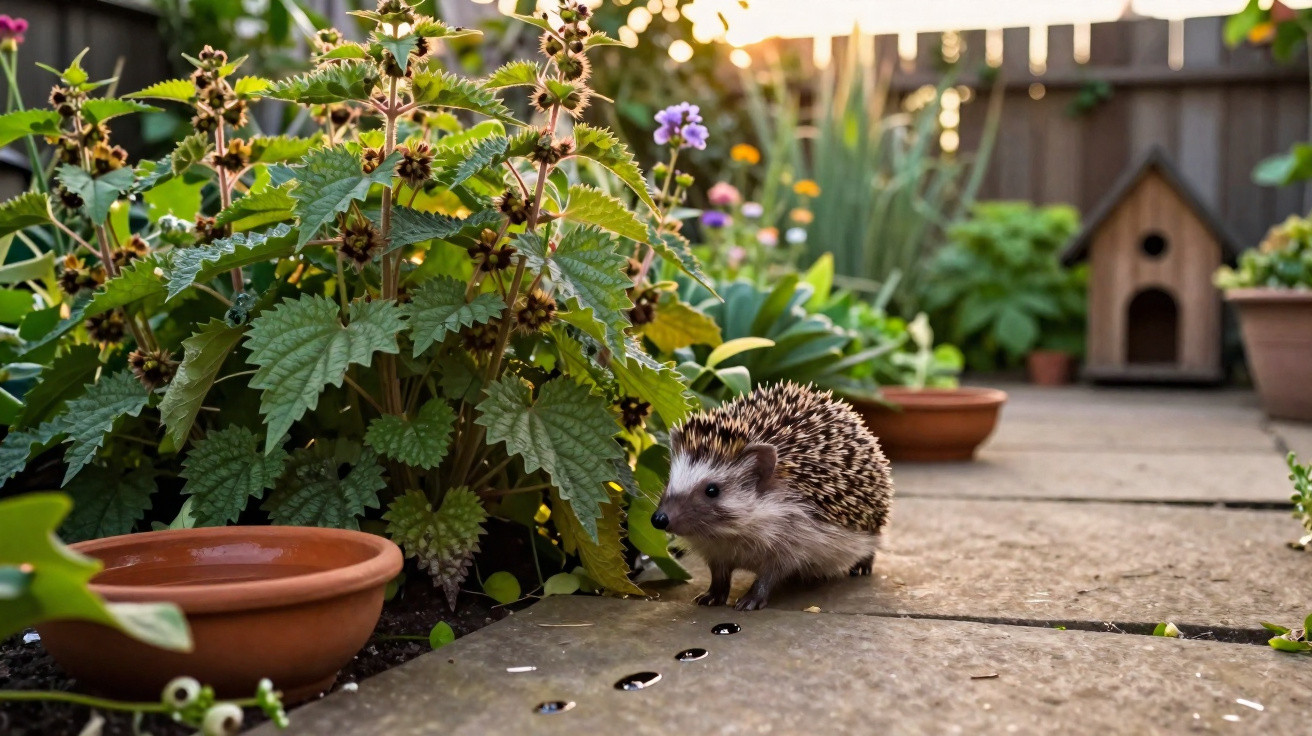
Anyone who automatically pulls up every nettle in the garden may be harming more than their own harvest. They may also be depriving one of the most valuable garden allies: the hedgehog. In particular, low-growing nettles give these prickly insect hunters shelter and food, while helping to cut numbers of slugs and other troublesome pests.
Why nettles are so attractive to hedgehogs
Small nettles grow into dense, well-defended patches of greenery. Although unpleasant for people, they are highly beneficial for hedgehogs. Their stinging hairs deter predators, creating a prickly thicket where a hedgehog can feel protected.
“A clump of nettles acts like a natural protective bunker for hedgehogs – cool, secure and avoided by predators.”
Among the stems, hedgehogs can find:
- Protection from cats, martens and birds of prey
- Shaded, cool spots during hot weather
- Quiet places in which to raise their young
Nettles also attract insects in abundance. Aphids, caterpillars and a range of larvae gather on them in large numbers. For a hedgehog, this amounts to a ready-made feast: it forages through the vegetation and finds plenty of protein.
There is another interesting behaviour repeatedly observed by wildlife watchers: some hedgehogs deliberately rub themselves against nettles. Experts suspect this may help them remove parasites or stimulate their skin, much as birds sit among ants to “delouse” themselves.
The hedgehog: an underrated pest controller in vegetable beds
Anyone growing vegetables will know the frustration: lettuce disappears, strawberries are nibbled and emerging beans are chewed off. A slug invasion is often responsible. This is precisely where hedgehogs prove especially useful.
Their diet mainly includes:
- Slugs, both shell-less slugs and snails
- Caterpillars and various larvae
- Grubs and worms
- Beetles and other insects that burrow through the soil
“Over the course of a season, a single hedgehog can eat thousands of slugs and pests – without poison and without any effort.”
This makes the hedgehog a form of biological pest control, only more graceful and entirely free. Supporting hedgehogs means there is far less need for spraying, while slug pellets can remain on the shop shelf. That protects not only household budgets, but also birds, pets and children playing in the garden.
Turning your garden into a hedgehog haven
The most important measure is simple: do not tidy every area to perfection. An immaculate lawn mown without gaps and beds cleared meticulously offer virtually nothing for hedgehogs.
A small nettle corner is enough
There is no need to let the entire garden run wild. Simply leave a strip or corner untouched and allow nettles to grow there. A spot along the edge of the garden, partly shaded and away from the patio, is ideal.
This corner becomes even more appealing when it sits beside natural features such as:
- A small pile of wood or branches
- A heap of leaves left in place over winter
- A loose hedge that is not cut back constantly
These spaces allow hedgehogs to rest, hibernate and retreat when threatened. Nettles provide both a protective canopy and an insect-filled pantry.
Without access gaps, hedgehogs get trapped
Many gardens are now divided by solid fencing. For hedgehogs, these barriers are impossible to cross. Yet they need several gardens within their territory; otherwise, they cannot find enough food or mates.
The solution is remarkably straightforward: make an opening around 13 centimetres in diameter at the base of a fence or wall. This is large enough for a hedgehog to pass through, but will generally keep dogs out.
“One small opening in a fence can determine whether a hedgehog starves or finds enough food.”
It is best when neighbours take part too. This creates a genuine hedgehog network running through the gardens along an entire street.
Shelter and water, but no milk myth
Those wishing to offer extra help can build a simple hedgehog house. A few boards, weatherproof covering and an entrance that does not face directly into the wind are sufficient. Dry leaves or hay are all that is needed inside.
Water is equally important. During summer, a shallow dish of fresh water refilled daily can quickly become a lifeline. Milk, however, must never be offered: hedgehogs tolerate it poorly and it can cause serious digestive problems.
Other hazards include:
- Slug pellets and insecticides
- Leaf blowers and vacuums that destroy shelters
- Open light wells and steep-sided ponds without an escape route
Nettles: from a ‘weed’ corner to a versatile garden asset
This supposedly troublesome plant can do far more than attract hedgehogs. Gardeners have used it for generations to strengthen plants and improve soil.
Common uses in the garden include:
| Use | Benefit |
|---|---|
| Nettle feed | Liquid fertiliser for heavy-feeding plants; helps strengthen plants against disease |
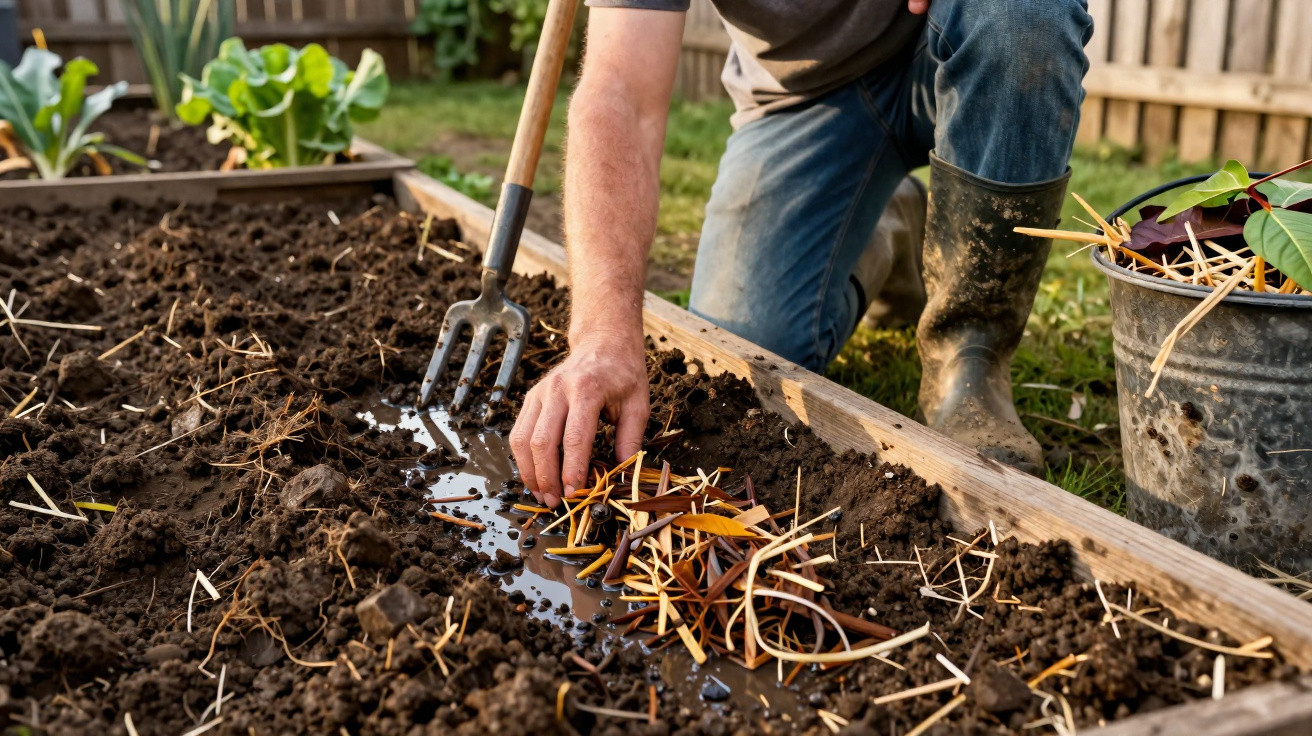
| Nettle mulch | Supplies nutrients and retains moisture in the soil |
| Food plant for butterfly caterpillars | Encourages insect diversity and, in turn, birds |
Nettles also have a place in the kitchen. Young shoots work well in soups, pesto or as a substitute for spinach. Once heated, nettles lose their “spines” and develop a mild, slightly nutty flavour. Anyone picking them should wear gloves and choose clean locations away from roads and dog-walking routes.
How a native plant boosts biodiversity
Nettles bridge two environments: the tended garden and the wildness that is so often pushed aside. Clusters of stems and leaves provide shelter, food and breeding sites for countless animals, from spiders and butterflies to hedgehogs.
“A few square metres of ‘chaos’ in the garden can become a lifeline for many animals – without demanding much effort from people.”
This matters especially in densely populated areas, where hedges are disappearing and gravel gardens are becoming more common. Every patch left close to nature gains value. Allowing small wild areas deliberately helps beneficial wildlife persist, including hedgehogs, birds, frogs and solitary bees.
In practical terms, this means not every corner needs to look perfect. A wilder area containing nettles, leaves and dead wood brings a garden to life. The reward is fewer pests, more birdsong and the reassuring feeling of having done something for nature right outside the door.
Anyone wanting to take the first step can simply stop pulling up every nettle this season. Leave a small corner untouched, create an opening in the fence and put out water – often, that is all it takes before the first hedgehogs appear. Along with them comes a whole living network of helpers that makes the garden more stable and resilient over the long term.
Comments
No comments yet. Be the first to comment!
Leave a Comment