
The timer clicked into action, the sprinkler lifted, and the lawn gleamed like glass in the late-afternoon sunlight.
Seen from the kitchen window, it all appeared ideal: even sweeps of water, a gentle hiss across the foliage, and the reassuring sense that the garden was being properly cared for. There was no hosepipe to haul around, no uncertainty, and no nagging guilt.
A few weeks on, however, the scene was different. The soil turned hard and baked between watering sessions. Certain plants sagged during hot weather despite being “well watered”. Their roots began clinging close to the surface, as though reluctant to venture downwards. During one windy day, a young shrub even shifted sideways in its planting hole.
This tidy, reassuring habit had been gradually undermining the entire garden. It is also an error many conscientious gardeners make without realising it.
The popular watering habit that quietly sabotages roots
On almost any suburban street on a summer evening, the same sight appears: sprinklers chattering away for 10 or 15 minutes each day across lawns and borders. It seems diligent, even professional, as if the garden is receiving special treatment. The ground sparkles, foliage glows, and the faint scent of damp dust suggests “good care”.
At first glance, the plants seem perfectly happy. There is no wilting, no scorched leaf edges and no obvious trouble. The gardener heads to bed reassured that the timer has everything covered. The routine feels dependable, almost scientific. But beneath the upper few centimetres of soil, something very different is happening.
Consider a compact garden in Oxford. Its owners fitted an automatic sprinkler programmed to run for 12 minutes every evening. During a brief heatwave, their lawn remained greener than their neighbours’ lawns, and they assumed they had got it right. Then the autumn storms arrived. In strong winds, several newly planted shrubs bent over or were pulled loose, despite being supported with stakes.
While replanting them, the owners found that the roots had created a dense, shallow layer, largely confined to the top 5–8 cm of soil. Very few roots had travelled any further down. A local horticulturist explained the cause: water had never reached below that narrow, frequently wetted band. The plants had no incentive to push their roots deeper. When the first dry spell lasting longer than a day arrived, they declined quickly.
A routine of “daily light watering” may feel attentive, but it trains plants to adopt the wrong survival pattern. Brief, frequent watering only dampens the surface, where evaporation is greatest. The soil beneath remains persistently dry. Roots naturally stay where conditions are easiest, so they spread outwards near the surface rather than growing down.
With shallow roots, plants cannot access the cooler, damper layers of soil below. They become remarkably reliant on the next planned sprinkling. Miss one day during a heatwave and they wilt. Let a strong gust blow through, and they move in the soil because nothing is anchoring them deeply. The habit that seems so dependable is quietly preparing them to struggle.
How to water for stronger roots rather than weaker ones
The most robust gardens tend to follow a very different pattern: water less frequently, but make each session slow and substantial. Aim for a soak rather than a quick spray. Instead of watering for 10 minutes every day, many experts suggest 30–45 minutes every 3–4 days, with adjustments for weather conditions and soil type. The simple aim is to carry moisture at least 15–20 cm down into the ground.
A useful method is the screwdriver test. Once you have watered, press a long screwdriver or stake into the soil. It will slide easily through moist ground and meet resistance where the soil remains dry. This straightforward check tells you more than any timer programme can. If the moisture hasn’t reached root depth, the watering session was mostly theatre.
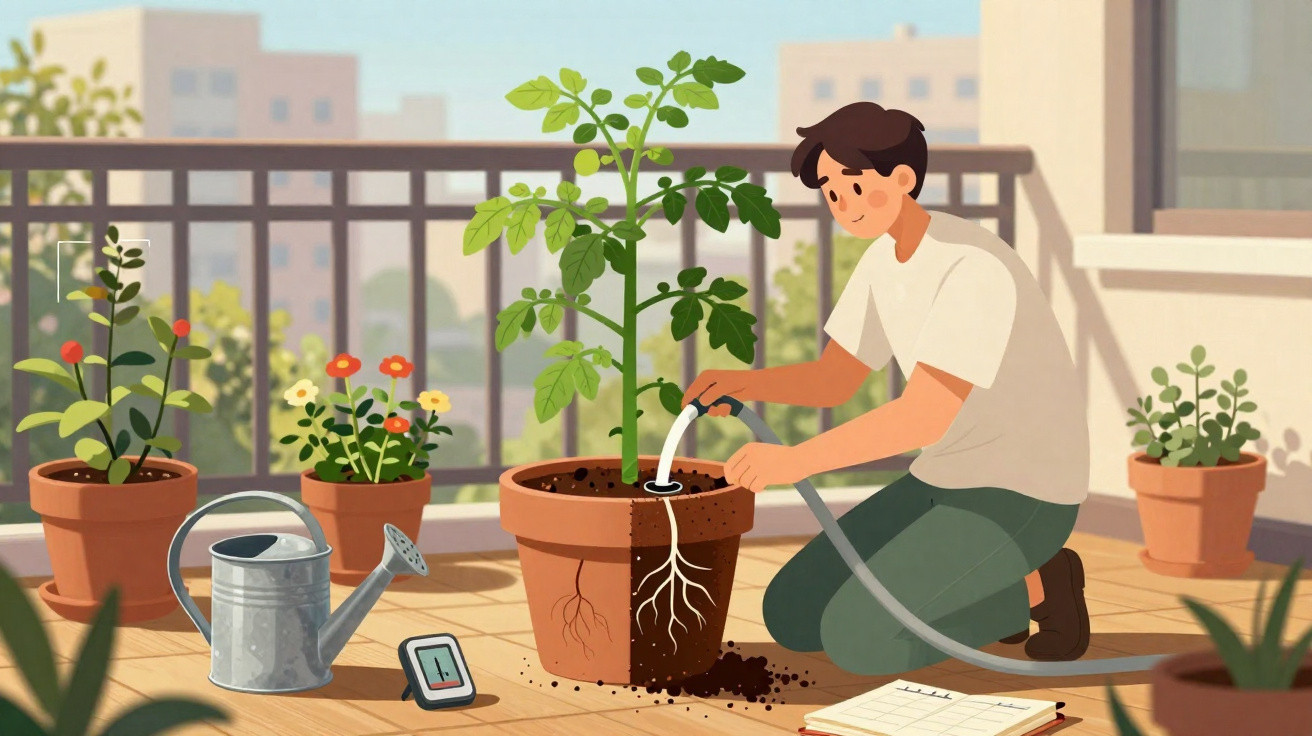
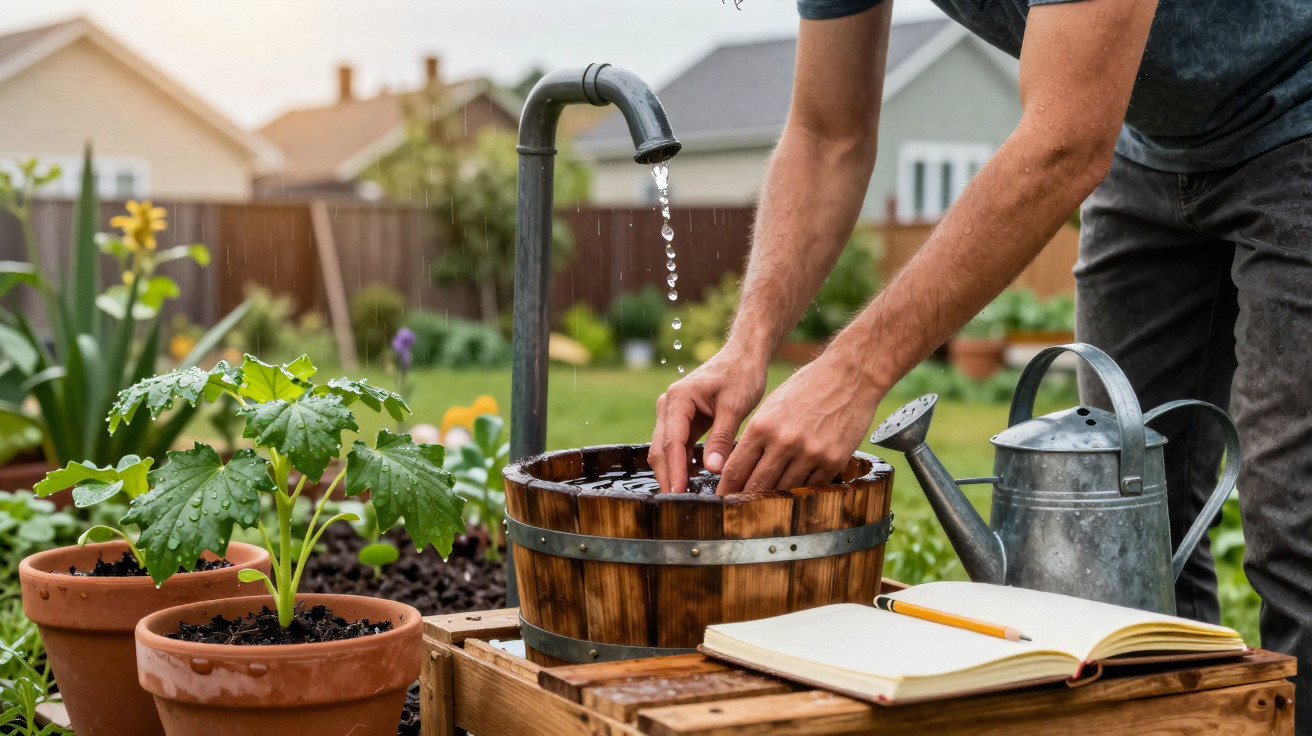
For flower borders and vegetable beds, a slow-running hose or drip line is often gentler than an overhead sprinkler. Allow the water to trickle gradually, so that it infiltrates the soil instead of running away across the surface. When watering pots, water once, wait a few minutes, then water a second time; this helps the compost absorb moisture instead of allowing it to stream down the sides. Once a plant is established, gradually lengthen the gaps between watering sessions to encourage its roots to search further down.
Here is the truth few people enjoy hearing: the best watering practice is a little inconvenient. It requires you to stay nearby, observe the soil’s response and occasionally alter your plan. Let’s be honest: nobody really does that every day. Even so, a few carefully targeted, deeper waterings each week can improve a garden’s resilience far more than automated daily sprinkles.
Garden designer Claire Hayes put it this way during a workshop:
“If your plants think water falls from the sky at 6 pm every day, they’ll behave like spoiled teenagers. Make them work a bit and they’ll grow up strong.”
Watering in this manner creates a subtle emotional change, too. On a hot afternoon, you begin noticing which plants remain upright and which quickly droop. You become aware of the weight of a watering can and of water sinking into the ground rather than skating across it. During a dry week, you feel less anxious because your plants do not panic after the first missed day.
- You water less often, but with purpose.
- You pay as much attention to roots as to leaves.
- You no longer place more trust in the timer than in your own observations.
Rethinking the “good gardener” routine
Psychologically, watering every day can feel like evidence that you care. In practical terms, though, it may be a trap. The garden can begin reflecting our own worries: repeated checking, constant topping-up and continual fear that there is “not enough”. On a warm evening, holding a hosepipe can seem like a ritual against failure, even while it produces vulnerable plants.
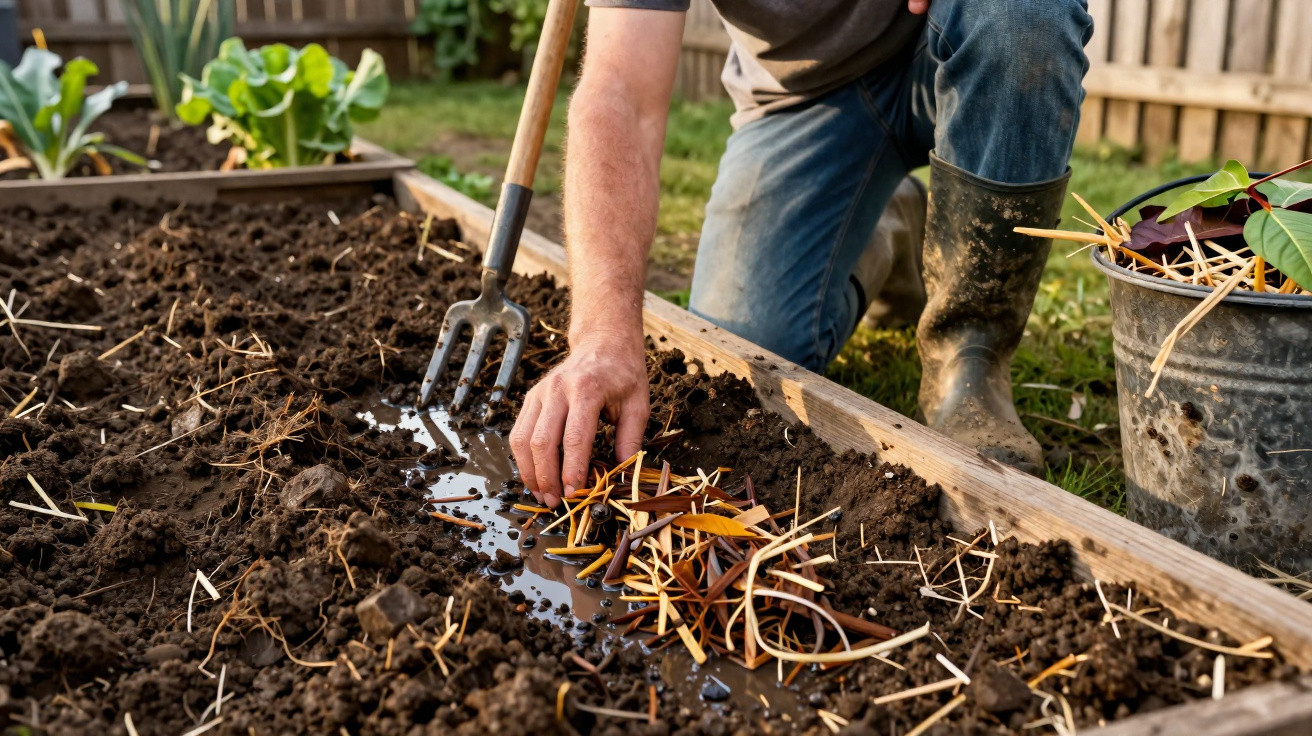
Try a different method on a calm morning. Feel the soil rather than looking only at the leaves. Dig a small test hole beside a plant that has followed your usual schedule, and check how deeply the moisture has travelled. The result may be slightly startling. That small moment of investigation is where a more resilient garden starts. It can also be unexpectedly liberating to discover that watering less often can produce stronger plants.
| Key point | Details | Why it matters to readers |
|---|---|---|
| Shallow daily watering creates weak roots | Brief sessions (5–15 minutes) generally wet only the upper 3–5 cm of soil, where evaporation is greatest and roots are most exposed. | It explains why plants can collapse rapidly in heat or wind despite being “watered all the time”. |
| Deep, less frequent watering builds resilience | Soaking soil to a depth of 15–20 cm every 3–4 days encourages roots to grow down into cooler, more dependable moisture reserves. | It enables readers to water less often while helping plants become more drought-tolerant and stable. |
| Use simple tests, not just timers | A screwdriver, finger test or small inspection hole can show the true depth of moisture and help prevent both overwatering and underwatering. | It helps readers make watering choices from real soil conditions rather than guesswork or default sprinkler settings. |
FAQ
How long should I water to reach deep roots? There is no universal answer, as it depends on your soil and the rate at which water is delivered. As a general guide, many domestic sprinklers require 30–45 minutes to moisten soil 15–20 cm deep. Carry out a one-off check: water, then dig a small hole or use a long screwdriver to establish how far down the moisture has reached. Base the duration on that result, rather than simply trusting the timer dial.
Is it bad to water every day in a heatwave? Newly planted specimens and potted plants may require daily attention in extreme heat, but established plants usually manage better with a deep soak every few days. If daily watering is necessary, keep it as a temporary measure and still water for long enough to soak the soil properly, rather than merely dampening the surface. The risk lies in allowing emergency watering to become a permanent routine.
What about lawns – don’t they like frequent watering? Lawns often do best with one or two deep waterings each week rather than a light daily sprinkling. Short, regular sessions keep the roots close to the surface, leaving grass susceptible during dry periods. Allow the lawn to become slightly pale between soaks; most grasses recover well after brief stress and will actually root more deeply.
How do I change my plants from shallow to deep rooting? Make the adjustment gradually. Begin by extending the time between watering sessions while increasing the length of each watering. Monitor plants closely while they adapt: some afternoon wilting is normal if they have recovered by the following morning. Over several weeks, the roots will respond to this new pattern by seeking moisture further down.
Are drip systems better than sprinklers for root strength? Often they are, as they supply water slowly and directly to the soil, encouraging it to penetrate further down. A properly configured drip system used for longer, less frequent sessions can develop very strong root systems. Timing is still crucial: even a drip line operated for five minutes every day will mainly wet the surface layer.
Comments
No comments yet. Be the first to comment!
Leave a Comment