
The first sign is rarely glamorous. You are crouched down again, pulling another dandelion from a cracked patch of empty ground, asking yourself when gardening became unpaid work on your knees. The sun is blazing, your lower back is beginning to protest, and the beds you carefully prepared in spring already seem worn-out, dry and prematurely aged.
Meanwhile, the neighbour next door wanders about with a coffee and no tools at all. Their borders look full, peaceful and almost able to manage themselves. There is no exposed earth or powdery dry patch in sight: only a gentle layer of mulch, with plants growing closely together like old friends.
You begin to wonder whether the answer is not to work harder.
Perhaps it is simply to cover the soil and let it do the work for you.
Why bare soil always bites back
Take a walk around any garden that demands constant maintenance and you will usually spot the same feature: plenty of uncovered soil. Immediately after weeding, it can look neat, rather like a freshly swept floor, but the effect soon disappears. Within a few days, weeds return, moisture has gone and the soil feels almost like concrete beneath your fingers.
Bare ground is an open invitation. Wind carries in seeds, while rain reshapes the surface. You are not only tending plants; you are trying to manage chaos.
Contrast that with gardens owned by people who have quietly learned the value of soil cover. I once met a retired teacher in Kent whose beds had not been bare for ten years. Her borders were built in layers, with perennials, creeping thyme, self-sown calendula and a substantial mulch of shredded leaves.
She said that, during the busiest part of the season, maintenance takes perhaps one long afternoon each month. At other times, she deadheads, harvests or simply walks around with pruning scissors in her pocket. She is not hunting weeds or hauling hoses out every evening. The edges beside her paths revealed the difference: there were hardly any volunteer invaders, only a gradually spreading carpet of plants.
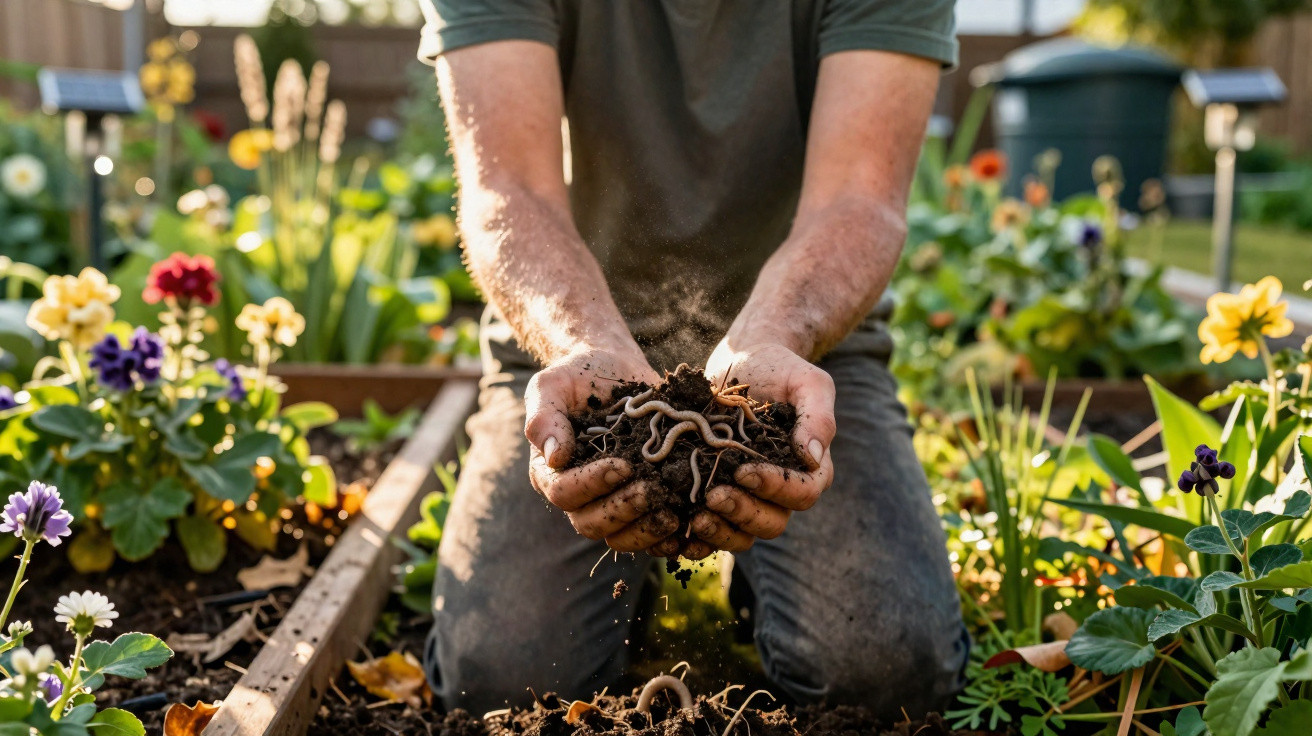
The reason is straightforward. Covering soil with mulch, living groundcovers or low-growing plants makes it harder for sunlight to reach weed seeds, slows moisture loss and reduces sharp temperature changes. Microbes and earthworms remain active, while roots grow deeper instead of gripping the surface crust.
Open soil produces the reverse effect. It bakes, splits and loses its structure. Shallow-rooted, opportunistic weeds move in, leaving you as the permanent clean-up team. Good soil is like skin: exposed all the time, it burns and ages fast.
How to let soil cover do the hard work for you
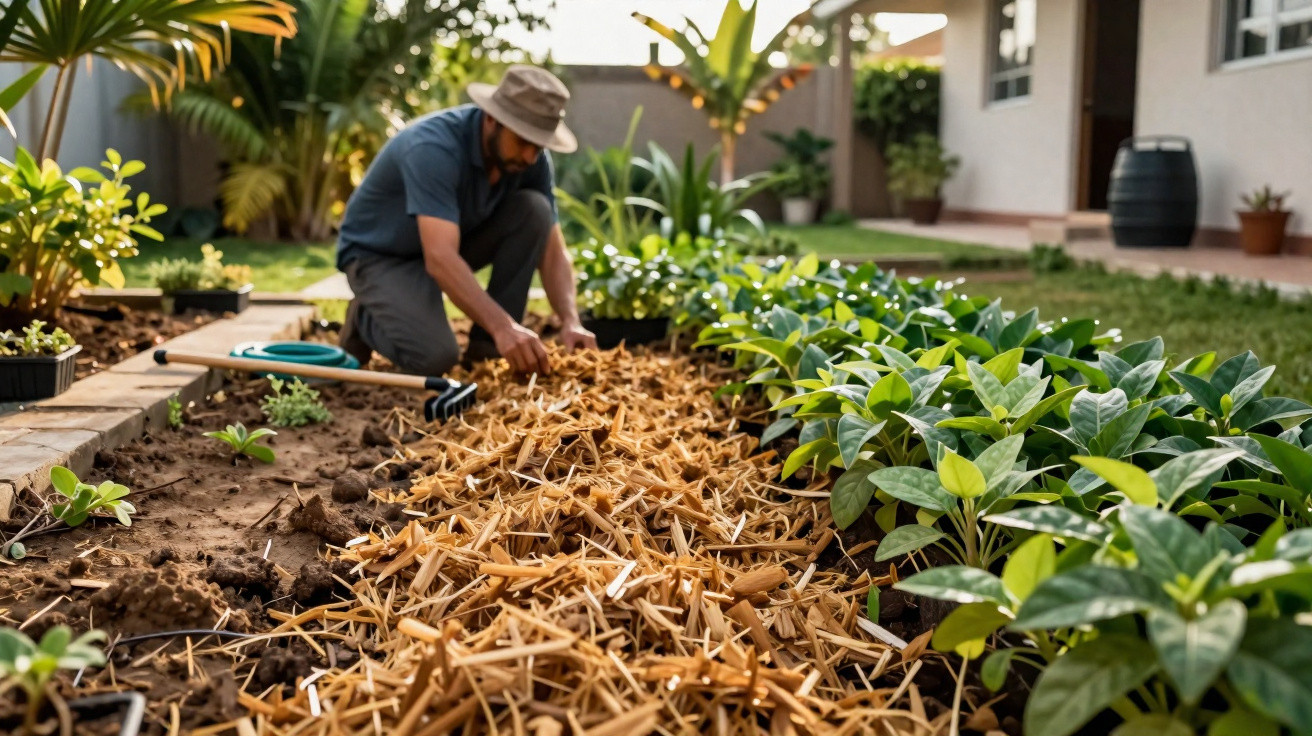
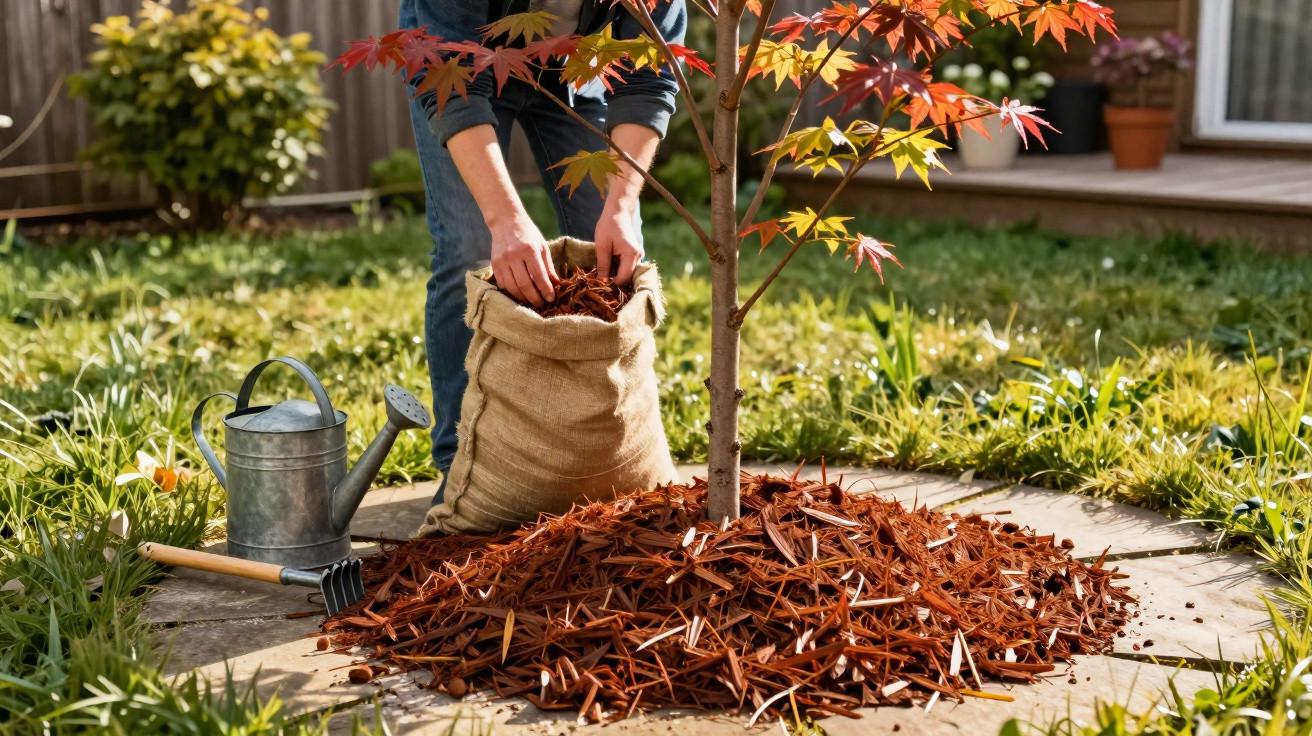
Begin on a modest scale. Choose one bed, or simply a strip beside a path, and make a decision: that patch will no longer be left uncovered. Weed it once, then spread a 5–8 cm layer of organic mulch, such as shredded leaves, composted bark, grass clippings combined with leaves or well-rotted compost.
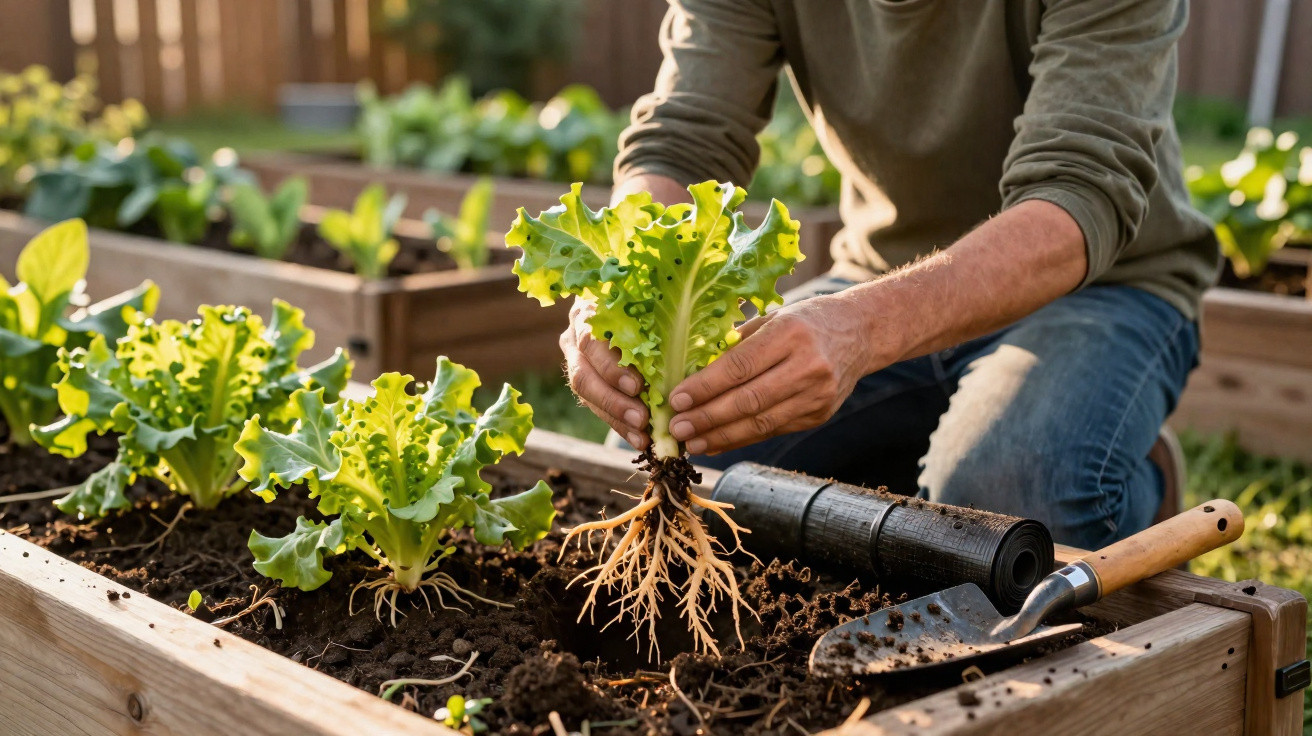
Ease the material around plants rather than burying their crowns, and leave a small clear ring around each stem. For vegetables, wait until seedlings reach 10–15 cm in height before placing mulch between the rows like a blanket.
After that, your main job changes from “pull weeds” to “keep the blanket topped up”.
Many people attempt this once and then conclude, “Mulch doesn’t work, my weeds came back.” The problem is treating soil cover as a single task, like painting a wall, rather than as a habit that develops over time. Mulch decomposes, and groundcovers may need a season or two before they knit together. There is an uncomfortable middle stage when a few unwanted plants still need to be pulled by hand.
This is the point at which many gardeners abandon the approach and return to bare ground and frustration. Go easy on yourself while it is happening. You are altering a whole system, not merely changing its surface. Let’s be honest: nobody really does this every single day. What matters is the trend, not perfection.
“Once I stopped seeing mulch as decoration and started seeing it as armor,” a young urban gardener in Leeds told me, “everything changed. The weeds slowed down, the soil stayed crumbly, and suddenly my Sundays belonged to brunch again, not the hoe.”
- Use organic mulch
Shredded leaves, compost, straw and wood chips nourish soil life, which then helps to feed your plants. - Layer, don’t suffocate
A sensible depth is most effective; heaping mulch against stems can encourage rot and pests. - Mix mulch with living cover
Low-growing herbs, clover or sedums can grow between taller plants and take on much of the weeding for you. - Top up once or twice a year
Apply new material when too much exposed soil begins to show through. - Watch where water goes
Covered soil takes in and retains rainwater, so adjust watering to prevent beds from becoming waterlogged.
Shifting from “gardening muscles” to “gardening minds”
The most important change is not technical but mental. Soil cover encourages you to think like a woodland rather than a factory. In forests, you do not see pristine stretches of naked ground: every fallen leaf and twig contributes to the system. Once gardeners follow that principle, something falls into place. They plant more closely, welcome self-seeders and allow small, ground-hugging plants to fill the gaps.
The garden starts to seem less like a list of chores and more like a settled community that only occasionally needs a nudge.
That does not mean abandoning neatness or design. Some of today’s most design-conscious gardens pair clipped forms and bold lines with deeply mulched beds and dense underplanting. Their tidy appearance comes from assured structure and repetition, rather than exposed earth.
The work itself changes. There is less scraping out weeds and more selective editing of plants. You water less and observe more. In time, that means fewer hours with your knees in the soil and more time enjoying what you have grown.
Gardens that put soil cover first also mature more successfully. As mulch decays, soil becomes deeper and darker, and earthworm numbers increase. Drought has slightly less impact, while heatwaves bring a little less drama. It is understated resilience rather than a showy solution.
That is the simple reality: gardeners who appear effortlessly relaxed on summer evenings are often those who decided, at some stage, never to leave their soil bare again.
| Key point | Detail | Value for the reader |
|---|---|---|
| Soil cover cuts weeding | Mulch and groundcovers prevent light reaching weed seeds and make conditions more difficult for invaders | Fewer hours bent over, more time enjoying the garden |
| Covered soil holds moisture | Mulch reduces evaporation and moderates temperature swings around plant roots | Less watering, better plant health during heat and drought |
| Organic cover feeds the soil | Breaking-down mulches improve structure and support beneficial microbes and worms | Richer, easier-to-work soil and stronger plants over the long term |
FAQ:
- How thick should my mulch layer be? Generally 5–8 cm is enough for most beds. Go a bit thicker on heavy, weedy areas, but keep mulch slightly away from trunks and stems.
- What’s the best material to cover soil with? For most home gardens, compost, shredded leaves, straw, or bark chips work well. Mix textures over time to feed the soil and keep things looking natural.
- Will soil cover attract slugs or pests? Dense, soggy mulch can shelter slugs. Use a moderate layer, avoid piling it against plants, and keep some open air around slug-prone crops like lettuces.
- Can I use stones or gravel as soil cover? Mineral mulches like gravel do reduce evaporation and weeds, especially in dry gardens, but they don’t feed the soil. Many gardeners combine gravel with pockets of organic mulch around key plants.
- How long before I see less maintenance? You’ll notice easier weeding within a few weeks, but the real payoff arrives after a season or two, when soil structure, moisture, and plant health all start working in your favor.

Comments
No comments yet. Be the first to comment!
Leave a Comment