
The first time I spotted the issue, I was on the patio in soggy socks, holding a coffee and watching the sprinkler cough into action over soil that was already drenched. Rain had stopped only an hour before, puddles were still gleaming across the lawn, but the automatic system began precisely on cue, as though the sky had not just watered everything for nothing. A few metres away, my potted hydrangea was drooping in its corner, with yellowing leaves and limp stems. Clearly, something was not right.
That evening, I scraped back the surface of the compost and uncovered the cause: black, soft roots with a sour smell. Root rot.
The following day, driven by equal parts annoyance and curiosity, I made one small, almost ridiculous change.
I stopped watering after rain.
When I realised my “smart” watering was drowning my plants
I once took pride in my garden technology. The timer, drip lines and sprinklers were all programmed to start at 6 a.m. exactly. It seemed efficient, almost like having a professional setup. Yet plants began dying for reasons I could not explain. Their leaves sagged, the soil remained dark and saturated, and pots developed the greenish coating nobody likes to mention.
Initially, I blamed the weather, the compost blend and even the nursery. I blamed everything except the one factor entirely under my control: watering. Some weeks brought heavy rainfall, and my system simply ignored it. It carried on. No hesitation. No adjustment. Just as I had told it to.
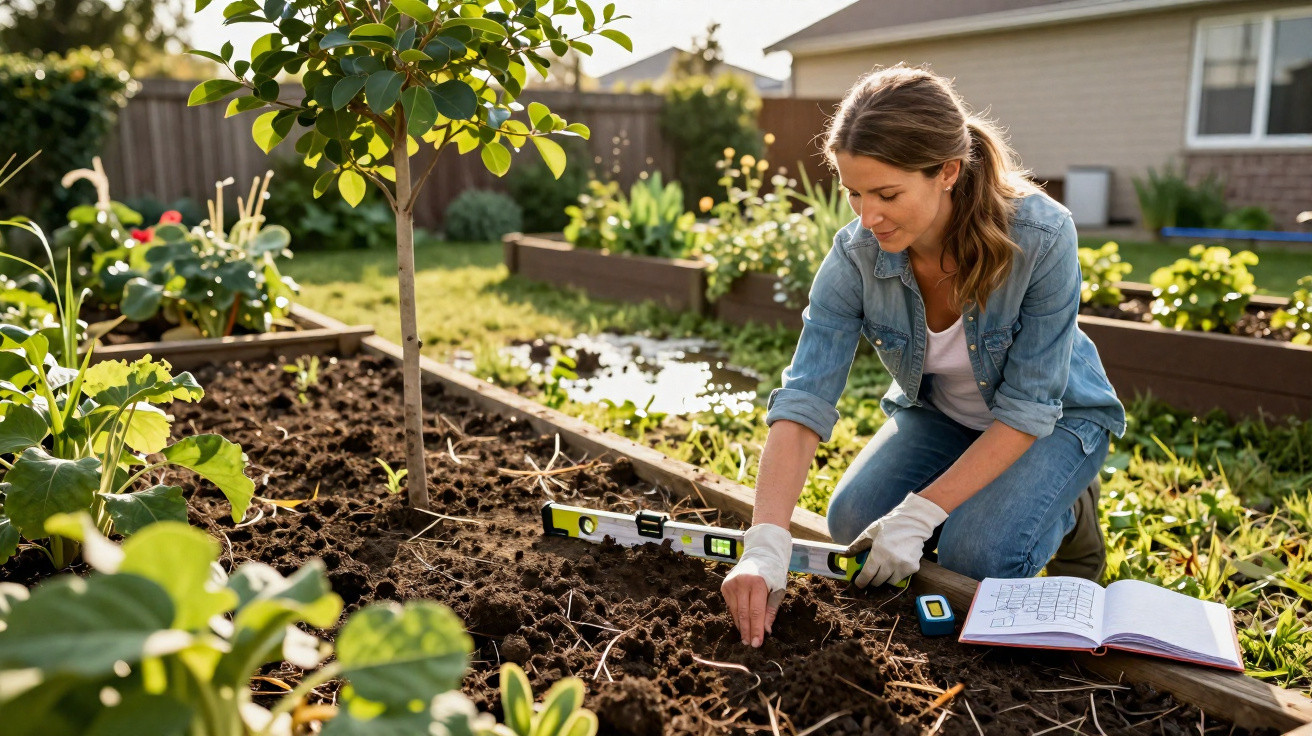
Eventually, I sat down with a notebook and kept track. During ten days, it rained on five days, sometimes lightly and sometimes heavily. Even so, the system continued with its usual amounts: 15 minutes for the lawn and 10 minutes for every potted zone. At the end of that period, I estimated that the beds and containers had received almost twice the water they needed. Those figures were not merely theoretical – they appeared as black roots and foul-smelling, decomposing potting mix.
We have all had that moment when it becomes clear that a supposedly useful habit has silently created half the trouble.
Root rot flourishes once the soil runs out of oxygen. Rain can saturate the ground, and adding another irrigation cycle afterwards floods the tiny air spaces roots depend on. The roots effectively suffocate. They weaken, die and decay, then fungi and bacteria move in like opportunistic tenants. By the time dark, mushy root tissue is visible, the problem is already well advanced.
Watering immediately after rainfall meant I was effectively keeping my plants on life support in a bathtub. The rain wasn’t the enemy. My settings were. That realisation made me question every “set and forget” rule I had accepted for years.
The day I flipped the switch and changed one small habit
The solution began with one straightforward rule: after rain, I would not water. Not later that same day, nor the following morning. At times, I would wait several days. I went outdoors, checked the soil and felt it with my fingers, restarting the system only once it was dry a couple of centimetres below the surface. It was low-tech, a little messy and strangely freeing.
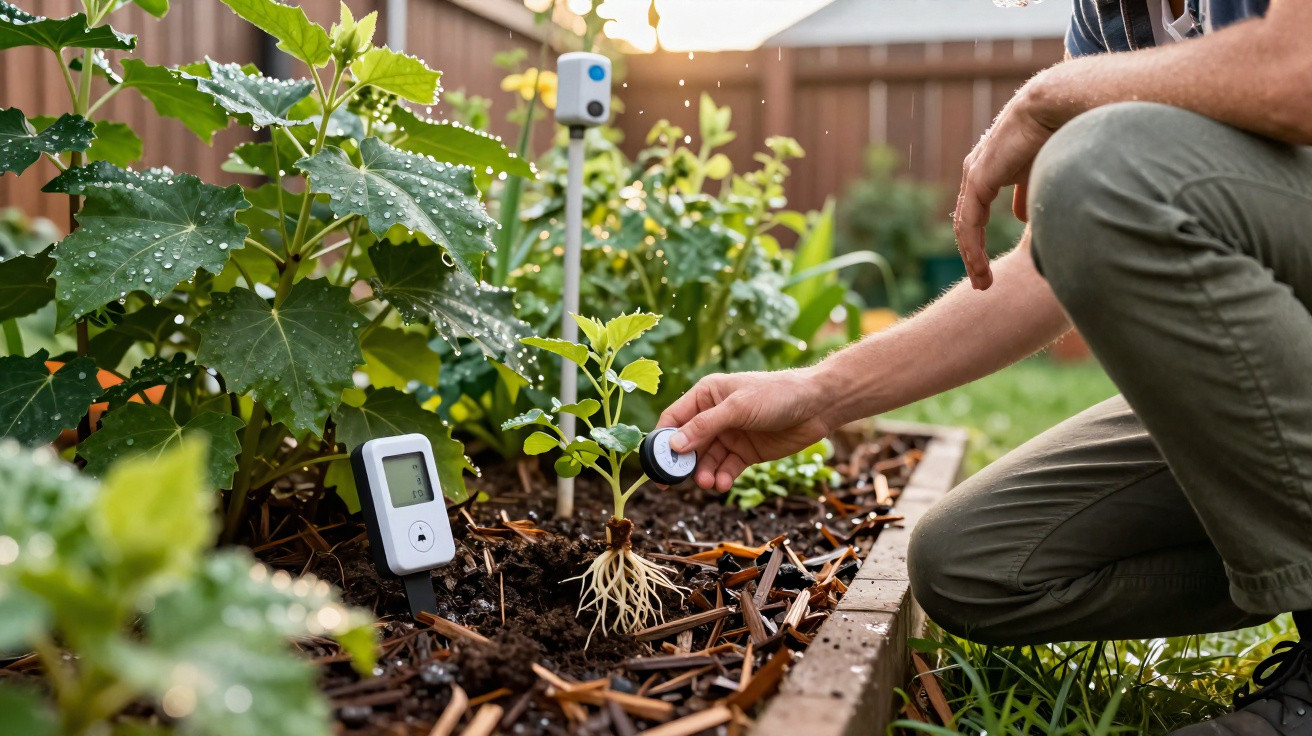
I disabled recurring programmes during wet spells on the controller. I also fitted an inexpensive rain sensor that automatically pauses the system once it detects sufficient moisture. That little device covered its own cost in the first month through water saved and plants spared.
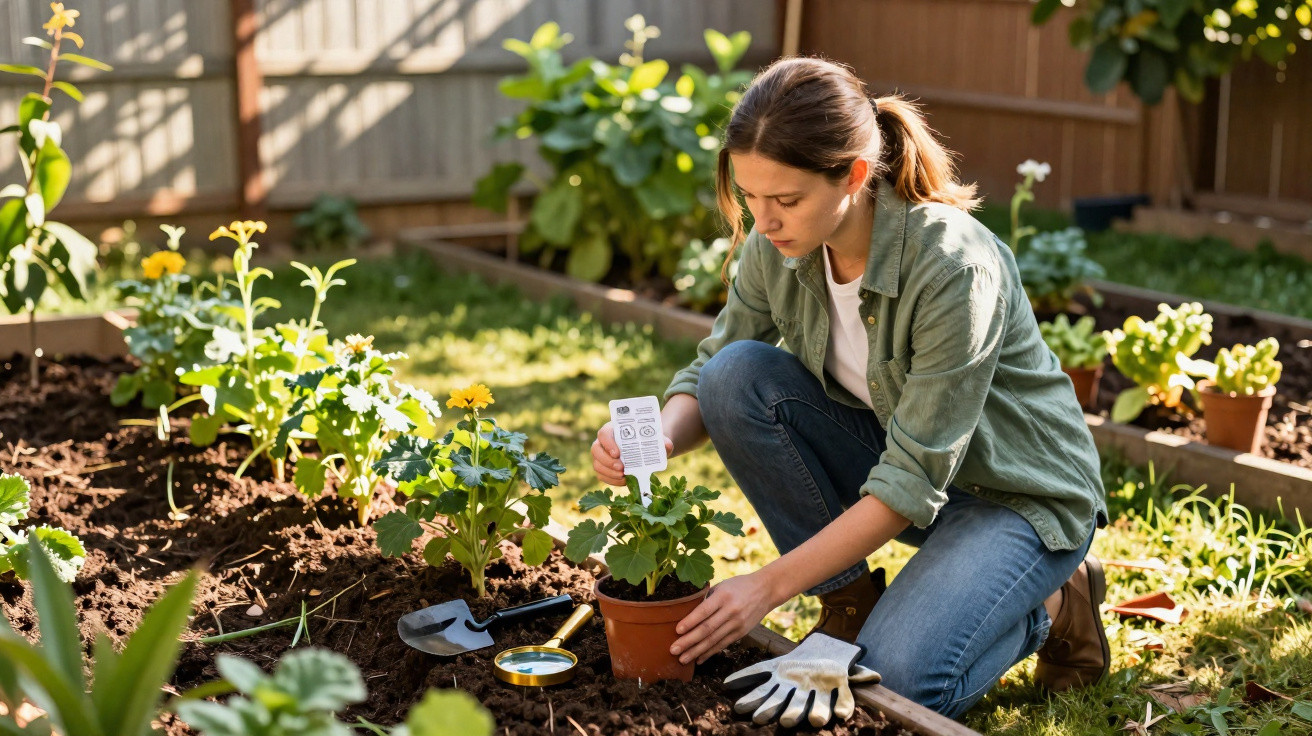
A potted rosemary became my experiment. Beforehand, it sat in permanently damp terracotta and gave off a faint swamp odour rather than the scent of a Mediterranean hillside. Its needles were turning brown at the base, and it was one overwatering away from being thrown out. I repotted it, cut away the dead roots and gave myself a rule: following rain, no irrigation for at least 48 hours, and sometimes longer.
Over the following weeks, the compost dried between watering sessions, the pot became lighter to lift and vivid green new growth emerged at the tips. The swampy smell went away. I applied the same approach to a struggling indoor monstera, manually delaying watering after rainy days when the air humidity was already elevated.
The trend became impossible to miss: fewer “automatic” watering sessions after rain meant fewer root rot disasters.
The reasoning is simple, although it is not often put into practice. Rain provides a deep soak that reaches further into the ground than most irrigation systems can manage. Adding scheduled watering on top does not “ensure consistency”; it creates a swamp. Roots have evolved to cope with wet periods followed by relative dryness. That rhythm is where the benefit lies: roots grow deeper, soil life can breathe and helpful microbes flourish.
In truth, hardly anyone does this every day without fail. We set a timetable once and then ignore it until plants begin dying or the water bill becomes painful. That’s the trap of automation with living things: they quietly change, while the settings never do.
How to stop watering after rain without killing your routine
The most useful change is almost embarrassingly easy: base watering on the soil rather than the calendar. Begin with your fingers. Once it has rained, wait. The next morning or evening, push a finger two knuckles deep into the soil close to the plants. If it is cool and moist, do not water. If it is only faintly damp or dry, water as intended. That is all there is to it.
For automated setups, install a rain sensor or a Wi-Fi controller connected to a local weather feed. Configure it so that meaningful rainfall pauses irrigation for a chosen number of hours or days. My cautious starting point was a 48-hour pause after heavy rain, then I adjusted it according to how quickly soil dried in my garden.
Many people become anxious at this point. Once they begin skipping days, they worry about underwatering. The emotional instinct is genuine: dry soil at the surface appears “wrong”, whereas wet soil feels reassuring, as if you are actively caring for the plant. That was the same instinct that had my sprinklers operating over puddles.
What helped me was following plant signals rather than the clock. Leaves that are upright and firm? No problem. A slight afternoon droop that recovers by evening? Also fine. Ongoing wilting, lower leaves turning yellow or brown, soft stems? That indicates too much water, not too little. Most garden plants would rather be a bit thirsty than constantly sitting in sludge. The more confidence I had in that principle, the fewer “just in case” watering sessions I gave them.
I asked a local horticulturist what changed most for her when she stopped watering automatically after rain.
“Honestly?” she said. “I stopped treating my garden like a machine. Once I let the rain ‘count’, I had fewer sick plants, smaller water bills, and way less guilt. Root rot practically disappeared.”
- Pause watering for 24–72 hours after meaningful rain, depending on your soil type.
- Before every “post-rain” watering, test the soil with your fingers or an inexpensive moisture meter.
- Choose pots with drainage holes and use slightly open, airy compost mixes so roots have room to breathe.
- Arrange plants according to their water requirements, so a thirsty plant does not drown one that prefers drier conditions.
- Reassess your timer programme at least once each season and whenever major weather patterns change.
What changed once the root rot stopped
The unexpected part was not simply that root rot issues disappeared. The entire garden felt different when I stopped seeing rain as a decorative extra. The soil dried between waterings, but never alarmingly so. Earthworms returned nearer to the surface, mulch decomposed more slowly and my pots no longer smelled like buckets left behind at a flower shop.
My connection with the garden changed too. I went outside more frequently simply to observe, rather than to complete a task. After rainfall, I would stand listening to water drip from the eaves and calculate how many days could pass before I needed to touch the irrigation system again. In some weeks, I skipped full cycles. The plants did not object; they improved.
There is a quiet strength in recognising that not every issue requires another product or a complicated system. Sometimes the answer is to remove something rather than add it. Taking away that automatic reaction – watering as though rainfall had never happened – revealed how much I had been overmanaging a patch of ground that mostly wanted to look after itself.
Now, when the controller lights up for a scheduled cycle after a night of heavy rain, I get a small surge of satisfaction as the rain sensor stops it. No guilt. No rot. Just a brief, gentle click and a garden allowed to breathe.
The roots under the soil never send thank-you notes. Their silence says enough.
| Key point | Detail | Value for the reader |
|---|---|---|
| Let rain “count” as a watering | Pause irrigation 24–72 hours after rainfall and rely on soil checks | Reduces root rot, saves water, lowers stress about schedules |
| Watch soil, not the timer | Use the finger test or a moisture meter before watering after rain | Prevents chronic overwatering and keeps roots oxygenated |
| Adjust your system, not your plants | Add a rain sensor or weather-linked controller and seasonal reviews | Makes automation work with nature instead of against it |
FAQ:
Should I ever water right after rain?
Only when rainfall was extremely light and did not soak into the soil, or where very fast-draining sandy ground is involved. In most gardens, even moderate rain is equivalent to a full watering.How do I know if my plant has root rot already?
Check for yellowing or wilting leaves while the soil remains wet, a sour or swamp-like odour, and black, mushy roots when you carefully lift the plant from its pot or scrape around its base.Is a rain sensor really necessary?
It is possible to manage without one by turning the system off manually, but a basic rain sensor or smart controller soon pays for itself if you are busy or regularly away from home.What about indoor plants near windows when it rains?
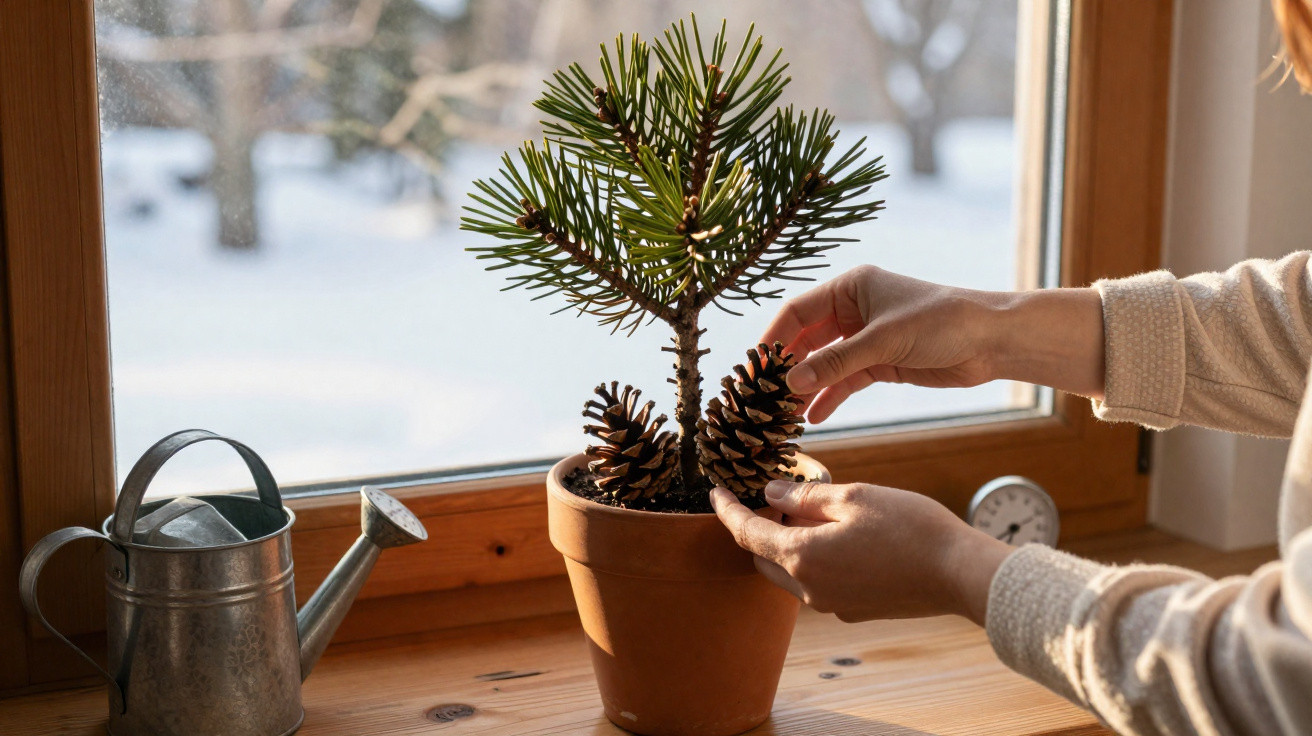
Rain often brings greater humidity and less light. Many houseplants require less water during these periods, so leave longer between waterings and always check the top few centimetres of soil first.Can clay soil handle skipping water after rain?
Clay retains moisture for longer, so skipping watering after rain is even more beneficial. Wait until the surface looks paler and feels only slightly damp before watering again.
Comments
No comments yet. Be the first to comment!
Leave a Comment