
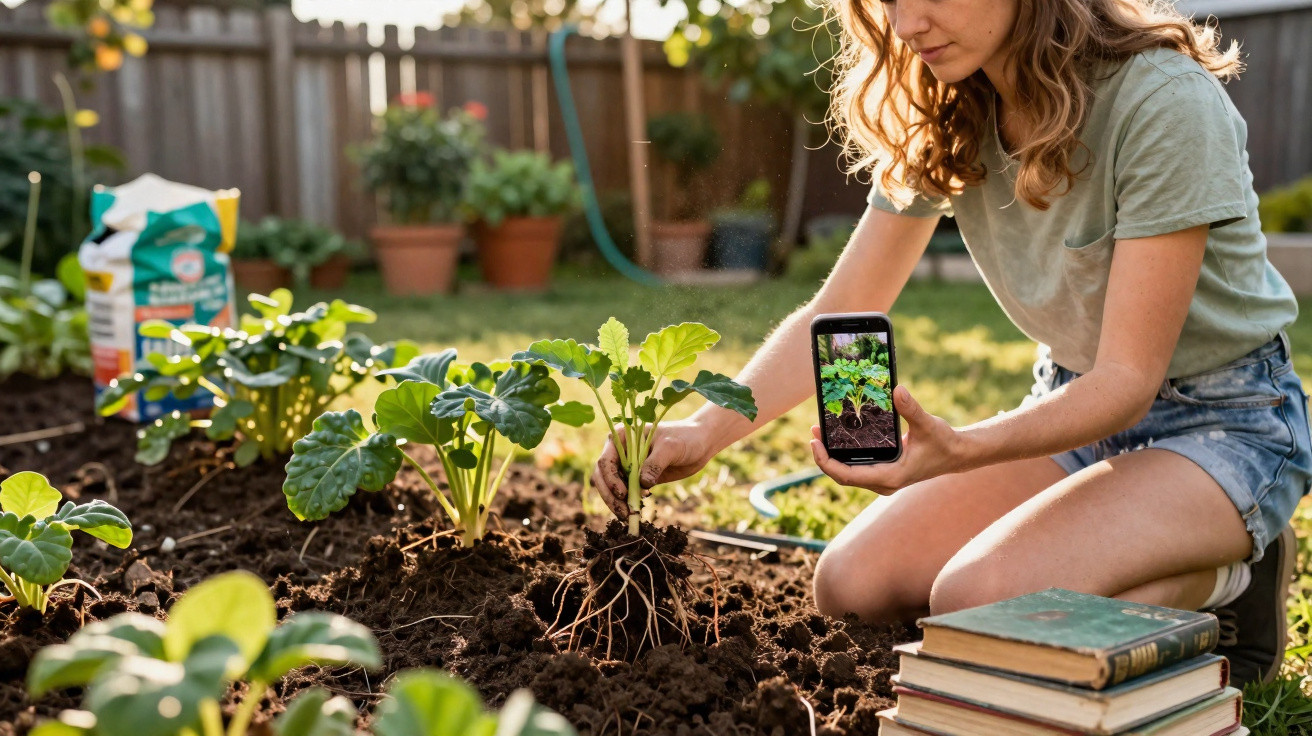
Five minutes into spring, you are already outside: phone in one hand, trowel in the other, determined to turn your garden into the dreamy Pinterest garden you saved at 1:17 a.m. last winter. In the image, lavender tumbled across a gravel path, dahlias were as large as your head, and a lemon tree stood in a pale terracotta pot. It appeared effortless, soft and almost as though real life had been filtered.
A few months later, the lavender is nothing but brown twigs, the dahlias did not survive the slugs’ feast, and the lemon tree died on the night the temperature dropped “just a little”. Now you are looking at a patchy disappointment that cost more than you would care to tell anybody.
The garden on your screen left out the one factor your own cannot avoid:
your climate and soil.
Why Pinterest gardens die in real gardens
Scroll for long enough and it is easy to assume that every garden exists in the same misty, golden, never-ending sunset. California plants sit beside English cottage borders, each labelled “low maintenance” or “beginner friendly”. Before long, your mind has combined them into one beautiful but unworkable dream border.
Then you go outdoors and are met by dense clay, a north-facing fence and wind that seems to have a personal grudge against tall flowers. The images do not reveal frost dates, summer temperatures or rainfall frequency. They capture only the five flawless days of the year.
That is how a lovely garden idea becomes a very costly heap of compost.
Consider Anna, who lives in a small Ohio town. Last year, she became obsessed with an image of a silvery Mediterranean courtyard: an olive tree in a container, a lavender hedge and airy grasses swaying in the breeze. The photograph had been taken in a coastal garden in southern France, with mild winters, intense light and light, stony soil that drains within seconds.
Anna’s garden could hardly be more different. Its heavy clay retains water like a sponge, frosts can arrive as late as May, and summer humidity feels like soup. Nevertheless, she bought every plant on the “get the look” list. By July, the olive had dropped leaves through stress, the lavender had rotted at its base and the grasses had collapsed into a tangled mass.
The issue was not the style. It was the mismatch between plant and climate.
Once you notice it, the same pattern is everywhere: Mediterranean herb gardens recreated in wet, cold places; lush hydrangea avenues moved to scorching, dry suburban plots; cactus beds planted in gardens that sit beneath snow for three months. The shared problem is not poor gardening. It is imaginary growing conditions.
Every plant is, in effect, a living record of the climate it evolved in. It carries expectations about sunlight, how long its roots can remain wet and how warm summers should be. When we disregard that in pursuit of a photograph, we ask it to live with permanent jet lag.
The simple truth is this: your garden will always follow your postcode before your Pinterest board.
How to “steal” a Pinterest garden look without killing your plants
Instead of duplicating the plant list from an image, begin by working backwards from the picture you love. Study its forms, atmosphere and colour scheme. Does it rely on soft hummocks and feathery grasses? Bold upright shapes with dark leaves? Cool whites and blues, or fiery reds and oranges? That is the design language that has caught your eye.
Next, recreate that feeling with plants suited to your actual conditions. Have a hot, dry roof terrace? Use drought-tolerant native plants and grasses that echo the movement in the photo. Dealing with a shaded, damp corner? Choose ferns, hostas or shade-tolerant shrubs while retaining the same rich, layered effect.
You are not reproducing somebody else’s garden. You are translating it into your own climate’s accent.
Before buying a thing, spend five minutes investigating your garden. Where does sunlight really fall, and for how many hours? Morning sun is mild, while late-afternoon sun can scorch. Is the soil sandy, sticky or crumbly? Take a handful after rain: soil that compacts into a solid ball is clay; soil that immediately falls apart contains more sand; soil that holds together but crumbles easily is closer to loam.
Check the fixed facts as well: your RHS hardiness rating, average rainfall and highest and lowest temperatures. It may sound rather nerdy, but this small amount of information prevents major disappointment. Once you know what to look for, plant labels and garden centres offer plenty of useful clues.
Honestly, almost nobody studies every line on every plant label while standing in an aisle. Yet that is precisely where half the budget can vanish.
One of the easiest improvements you can make is to learn what already grows well within 8 km of your home. Look at neighbours’ front gardens, walk around established local gardens and visit allotments or community plots. Plants that look good without constant attention have already been approved by your soil and climate.
If possible, speak to local growers-the people with soil beneath their fingernails. They will tell you plainly which fashionable plants sulk and which will endure your worst weather.
“Pinterest is fantastic for inspiration,” says a nursery owner I spoke with, “but your best shopping list is still written by your own backyard.”
- Watch for plants that appear repeatedly in gardens around your neighbourhood.
- Combine those dependable local plants with the colours and forms you have saved online.
- Forgo one impulse buy each month and put that money towards improving the soil instead.
Spend on soil, not only pretty plants
There is an understated reason some gardens look good even when their owners buy plants at random: the soil is healthy and forgiving. Deep, crumbly soil rich in organic matter works as a buffer. It retains water during drought, drains more effectively in heavy rain and nourishes roots, enabling plants to recover from stress. Pinterest never displays that element. You do not see the wheelbarrow of compost just beyond the camera frame.
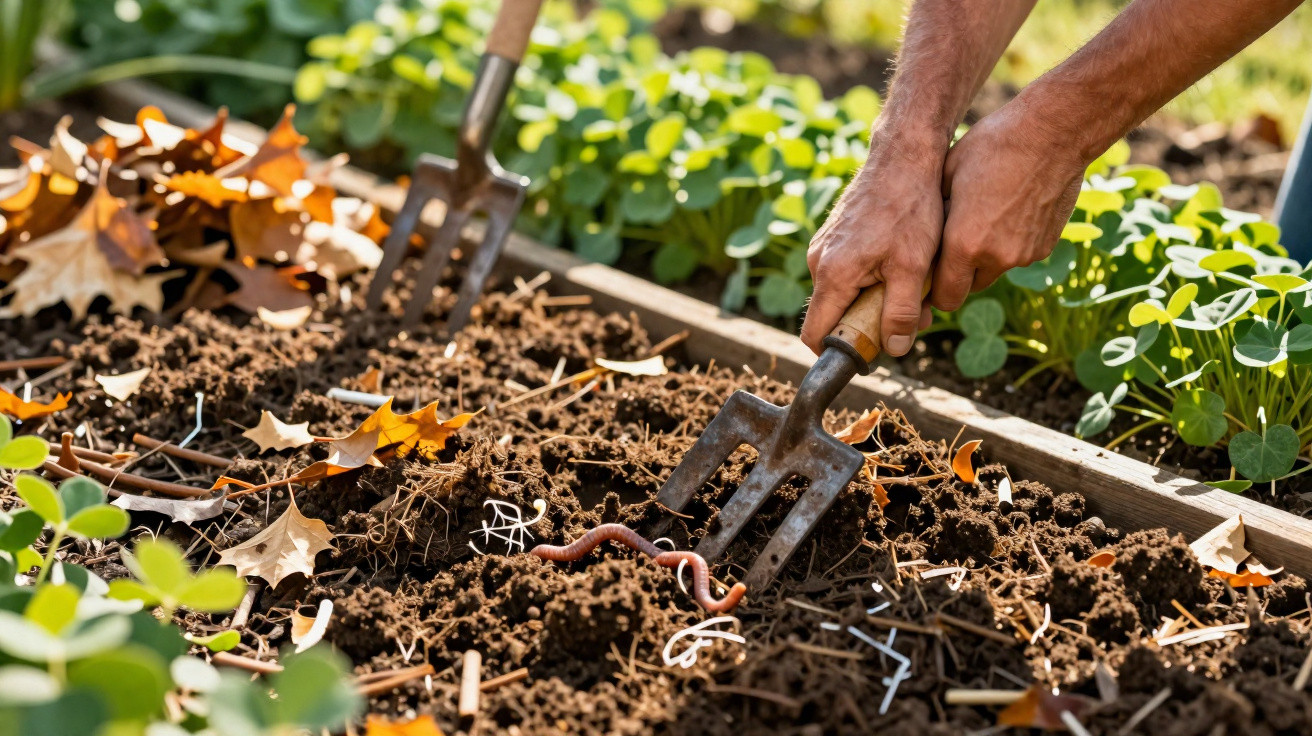
Before copying even one flower, put money into improving the ground beneath your feet. Apply compost, leaf mould or well-rotted manure once or twice yearly. Even unyielding clay can be transformed over a few seasons by organic matter, changing it from something like concrete into soil plants genuinely want to inhabit.
It is less exciting than filling a trolley with hydrangeas, but the expense quietly lowers the failure rate of everything you plant afterwards.
When you fall for a photo, make a habit of asking three unexciting questions before pressing “add to cart”. Will this plant withstand my lowest winter temperature? Can my soil drain quickly enough, or retain sufficient moisture, for it? How many hours of genuine, unfiltered sun does my garden receive? Those three checks save more money than any “sale” sign.
This approach also gives you permission to stop battling your garden. Have a wet patch? Embrace it with moisture-loving astilbe, iris or dogwoods. Got a dry, gravelly slope? Choose salvias, sedums and ornamental grasses rather than hauling in endless bags of topsoil.
Trying to copy Pinterest gardens pixel for pixel can lead to a quiet sense of shame. You blame your “black thumb”, your timetable or a supposed lack of discipline. It is easy to forget that the original garden may have a full-time gardener, automated irrigation and a coastal breeze that never reaches 38°C.
There is a kinder option. Treat the images as mood boards rather than contracts. Select two or three elements you love from each one: perhaps a relaxed gravel path, one dramatic tree, a repeated sweep of a single flower or oversized terracotta pots. Then use local, climate-hardy plants to complete the scheme.
The trend you truly want is not lavender or dahlias. It is a garden that withstands your real conditions and still makes you breathe out as you step outdoors.
| Key point | Detail | Value for the reader |
|---|---|---|
| Begin with climate and soil | Identify your sunlight, hardiness rating and basic soil type before copying any style | Fewer dead plants, less wasted money and choices suited to your actual conditions |
| Translate the style, not the plant list | Replicate shapes, colours and atmosphere, then replace plants with locally appropriate options | Achieve the same visual effect with plants that genuinely flourish at home |
| Invest in soil health | Add compost and organic matter regularly, particularly to clay or sand | Hardier plants, stronger growth and long-term savings on replacements |
FAQ:
- How do I find my gardening zone? Check your postcode using the RHS or Met Office maps online. In North America, use the USDA maps. Garden centres often show a hardiness range on plant labels, so knowing your rating helps you identify suitable options quickly.
- My soil is awful. Must I replace all of it? No, almost never. Apply a few centimetres of compost or well-rotted manure to the surface once or twice annually, allow worms to work it down and improve the upper 20–30 cm gradually-the layer where roots grow.
- Can I grow Mediterranean plants in a cold climate? Sometimes, although they will usually need containers that can be moved or winter protection. A better option is choosing hardy alternatives: Russian sage in place of tender lavender varieties, hardy rosemary cultivars or silvery native plants that create a similar effect.
- Why do my “full sun” plants still look weak? “Full sun” means 6+ hours of direct light. Tall trees, buildings and fences may mean your garden receives only partial sun, even when it seems bright. Monitor the sun on a day off, then select plants for the conditions you actually have.
- Is copying Pinterest always a bad idea? Not at all. Use it for ideas and structure, then check every plant against your local climate, soil and sunlight. When Pinterest is inspiration rather than instruction, those saved boards can finally become living, long-lasting gardens.

Comments
No comments yet. Be the first to comment!
Leave a Comment