
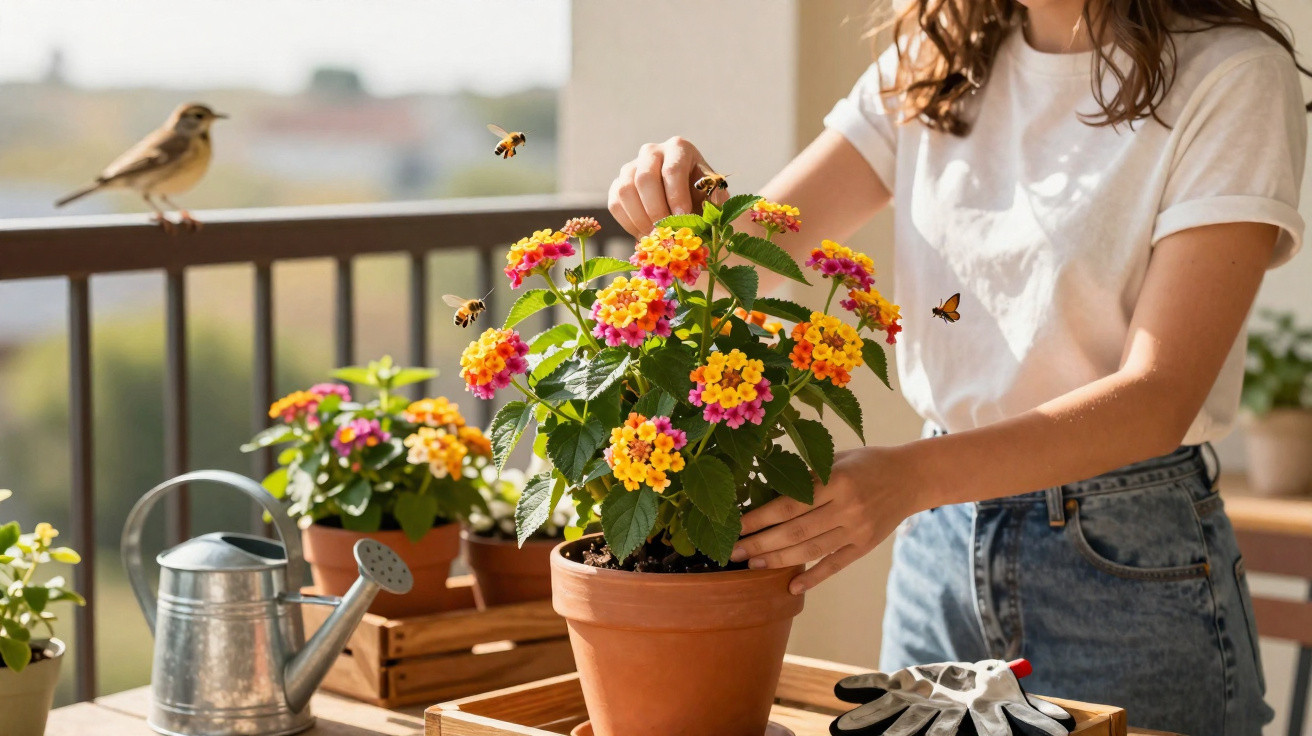
Many amateur gardeners pursue the latest fashionable rose or experiment with unusual perennials. Yet one shrub quietly ignores lengthy gaps between flowering, and can even produce buds in winter. It is Lantana camara, more commonly known as lantana.
A shrub that scarcely stops flowering
Most ornamental plants follow a fixed schedule: flowers in spring or summer, then a finish, retreat and dormant period. Lantana does not follow that pattern. Provided conditions are reasonably suitable, it produces rounded flower clusters in almost every season.
Its spherical flower heads are particularly distinctive. Each cluster contains numerous tiny individual flowers that open one after another. Older blooms fade just as fresh buds emerge behind them. This continuous succession means the shrub rarely looks bare.
“Lantana’s special trick is its constant supply of fresh flowers, rather than brief, intense flowering periods.”
The plant is equally striking for its colour. Depending on the variety, it can bloom in yellow, orange, pink, red or purple, often displaying several shades within one flower head. While many perennials begin to look tired towards late summer, a well-maintained lantana is often only just reaching its stride.
Colour when other plants have long taken a break
Its performance becomes especially noticeable as temperatures fall. When roses are becoming dormant and summer flowers turn grey-brown, lantana often continues for weeks. In mild areas, new blooms can even appear repeatedly through winter - a major benefit for anyone unwilling to endure dull months without garden colour.
Unlike bulb plants, which often reveal their full potential only in their second year, lantana gets going quickly. Plant it in spring in a reasonably suitable position and it can provide a lengthy flowering season in its first year.
Lantana care: maximum ease with minimal effort
Its second major advantage is that this shrub is exceptionally forgiving and asks for very little. Lantana originates in tropical and subtropical parts of the Americas and Africa, where it has adapted to heat, drought and poor soils. These qualities also benefit it in central European gardens.
The key care requirements at a glance
- Watering: Needed only during prolonged dry spells; daily watering is unnecessary.
- Soil: Ordinary garden soil is sufficient, provided it drains well and does not become waterlogged.
- Feeding: An occasional general-purpose fertiliser encourages growth and flowering, but is not essential.
- Pruning: One or two light trims a year keep its size and shape under control.
- Health: It is largely unaffected by many common fungal diseases and pests.
Lantana is happiest in full sun. More light produces richer flower colours and denser flowering. It will survive in partial shade, but with considerably less colour. This makes it ideal for south- or west-facing balconies and patios.
“Anyone short of time but unwilling to forgo flowers will find a true ally in lantana.”
Grow lantana in containers rather than lose it to frost
In many parts of Germany, Austria and Switzerland, lantana is not fully hardy. The straightforward answer is to grow it in pots or larger containers. When temperatures drop, it can then be moved into a garage, conservatory or bright cellar room.
The plant performs surprisingly well in a pot. All it needs is free-draining compost, a drainage hole in the base, and regular but moderate watering during summer. Trimming the container-grown plant slightly in autumn makes winter storage easier, while encouraging fresh, compact growth in spring.
Ecological value: lantana as a meeting point for insects and birds
Lantana is not simply attractive; it can also support biodiversity in the garden. Its long flowering period provides nectar for many months. Butterflies are especially fond of the tiny individual flowers and will repeatedly visit larger groups of plants.
Bees also find additional feeding opportunities on lantana, particularly when other nectar plants are between flowering periods. In gardens that already contain insect-friendly perennials such as lilies or wildflower perennial mixes, lantana fills gaps in the flowering calendar.
After flowering, small dark berries form. These provide food for birds, particularly later in the season. The same shrub therefore feeds insects first and then a range of bird species, delivering several benefits in a small space.
Where lantana works particularly well in the garden
The shrub can be used in many ways. Typical options include:
- as a low flowering hedge alongside paths or patios
- as a colourful edging around beds planted with grasses or perennials
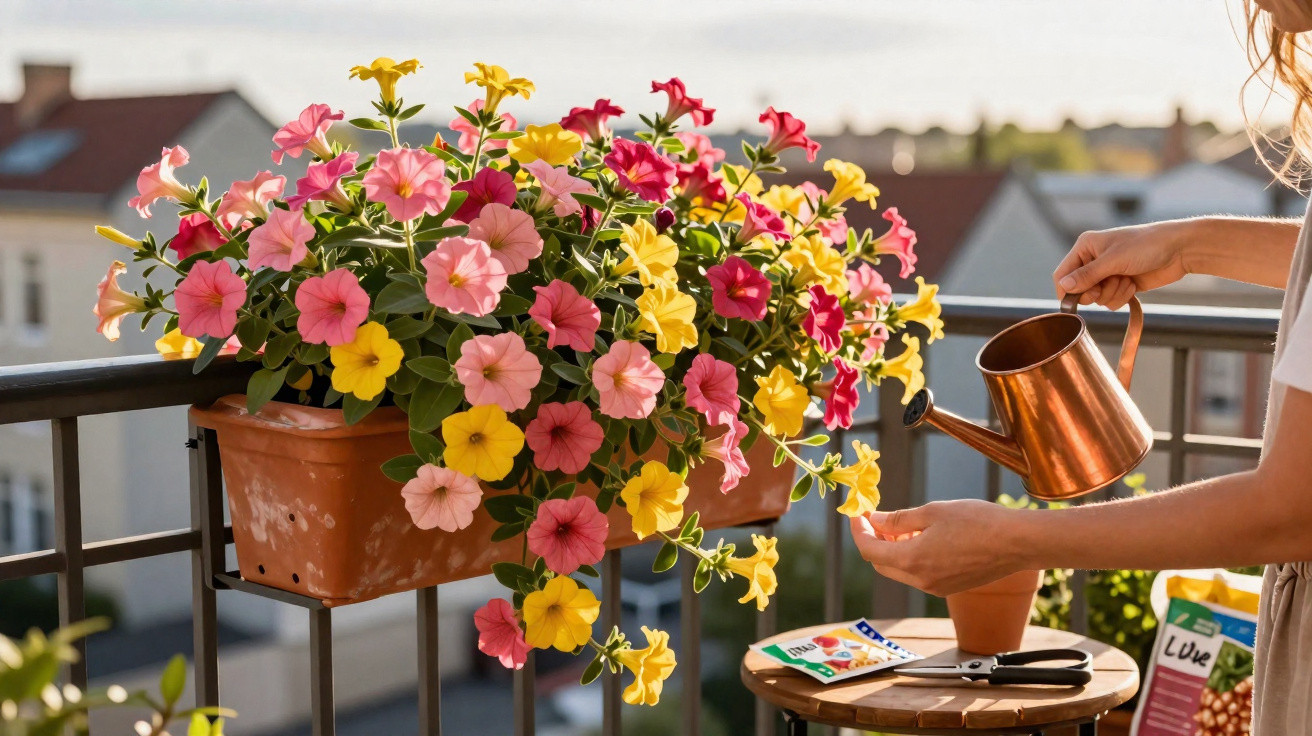
- as a specimen plant in a large container on a balcony or roof terrace
- as a ground-covering carpet of flowers in sunny front gardens
Because lantana grows fairly quickly, it soon fills open spaces in borders. This can be useful, but it does require attention. Without any pruning, it may overwhelm weaker neighbouring plants. A decisive cut-back once or twice a year keeps it controlled, while also promoting branching and more abundant flowers.
Practical advice for beginners and impatient gardeners
Plant care can seem like a science to gardening newcomers, but lantana removes much of the pressure. Those who have struggled with orchids or sensitive houseplants may find it almost liberating: little theory, considerable impact.
A typical season for container-grown lantana might look like this:
- Spring: Bring the plant out of its winter quarters, trim it lightly and top up with fresh compost.
- Late spring: Place the container in full sun, gradually reintroducing it to intense sunlight.
- Summer: Water regularly, feed occasionally if needed, and shorten spent shoots only slightly.
- Autumn: Move it to a frost-free location before the first heavier frosts.
- Winter: Keep it somewhere bright and cool, water sparingly, and apply no fertiliser or only a minimal amount.
With this simple routine, the plant will usually flower for many years and become more impressive with each season.
What else to know: toxicity, combinations and risks
For all its appeal, one point needs to be made clearly: many parts of lantana are considered poisonous, particularly the berries. In homes with young children or pets, it is therefore advisable to position it where the fruit cannot be easily reached. On high balconies or in raised beds, this is generally not a concern.
In borders, lantana pairs well with plants that share its preference for sunshine and dry conditions. Suitable examples include lavender, sage, Mediterranean subshrubs and compact ornamental grasses. In containers, varieties in different colours can be combined to create a “firework display” of yellow, orange and pink.
“Lantana is particularly suitable for places where other plants have long given up - sunny, hot and preferably a little drier.”
Gardeners seeking to make their gardens more resilient to climate conditions are increasingly choosing species that cope with heatwaves and water shortages. Lantana fits this approach exactly. It does not resent short gaps between watering, tolerates full midday sun and still creates a striking display of flowers.
Especially in new-build areas, where soils are often compacted and poor, lantana can quickly create a more welcoming appearance. With a little planning, awareness of its potential toxicity and minimal care, it becomes a long-lasting splash of colour that offers something throughout the year - yet still feels like an insider’s choice.

Comments
No comments yet. Be the first to comment!
Leave a Comment