
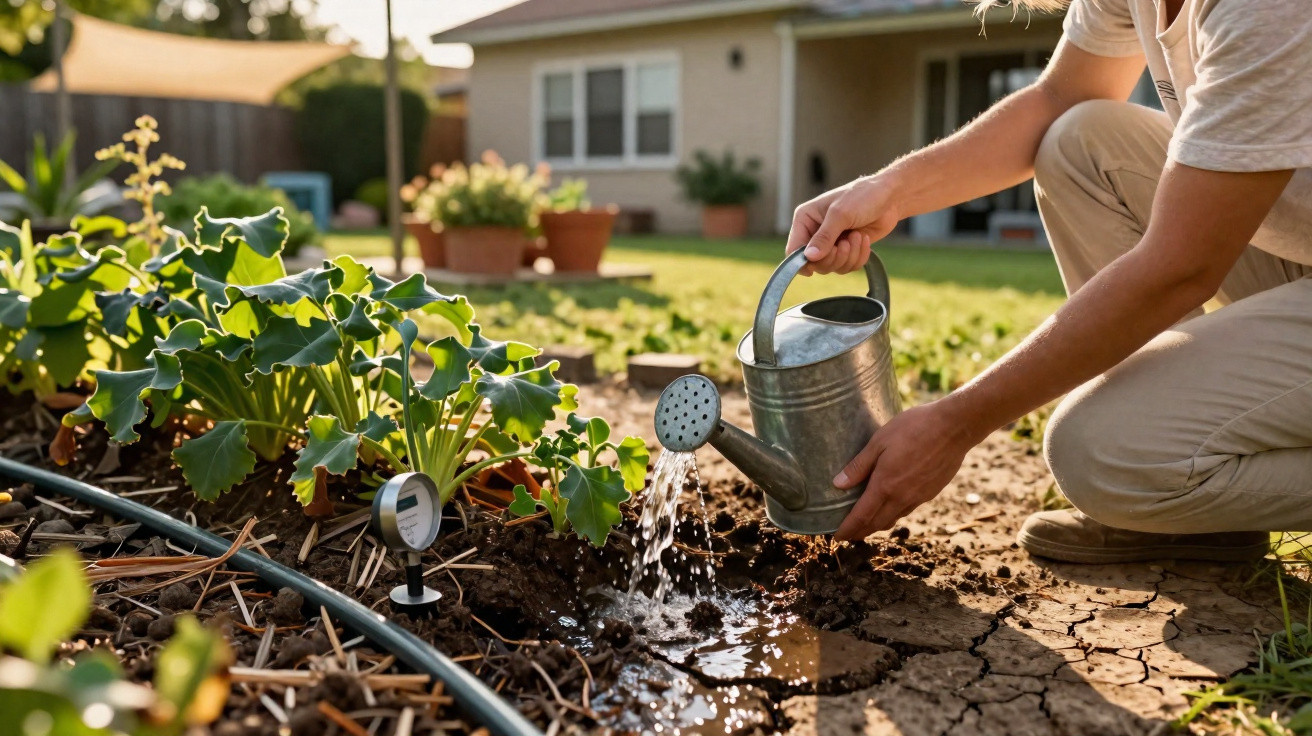
Coping with an intense heatwave calls for extra care when maintaining your home garden. High temperatures quickly evaporate water from the soil, so efficient irrigation strategies are needed to keep vegetation healthy and prevent severe water stress.
How can you spot signs of dehydration in plants?
When flowerbeds experience an extreme lack of moisture, plants begin to show obvious signs of physical distress. Leaves that are wilted, yellowing or dry at the tips are common, indicating that the available hydration is not meeting their essential needs.
As well as wilting, compacted, cracked soil around the stem shows that evaporation has happened rapidly. Check how each species is responding every day, so protective action can be taken before lasting damage affects the root system of your valued crop.
Why is watering the garden in the midday sun dangerous?
Watering during peak sunshine creates a lens effect in water droplets, severely scorching plant tissues… Read more
What is the best time to water?
Early morning is the best time to water the garden on hot days. Doing this at the start of the day allows the water to soak into the soil, enabling the roots to take up nutrients before the strong sun heats the ground.
Watering at the right time greatly cuts immediate evaporation, saving valuable water resources. Avoiding late afternoon also stops excessive moisture from remaining on leaves overnight, helping to prevent harmful fungi and other damaging foliar diseases from developing.
Below is a video from the Spagnhol Plantas YouTube channel that explores the points discussed in this topic in greater depth:
How should water be directed efficiently?
In hot weather, watering plants from above and soaking their leaves is a common mistake that should be avoided. Instead, direct the flow straight to the base, ensuring the water reaches the roots and keeps soil moisture stable.
Slow, deep watering lets the soil absorb water gradually and prevents losses through surface run-off. This approach encourages root-system growth, making plants more resilient to adverse weather and prolonged periods of drought or extreme heat.
Garden Heat Protection
Items to reduce heat
Use these practical resources to retain moisture in flowerbeds:
- Mulch to cover exposed soil;
- Shade netting for sensitive species;
- Drip hoses for targeted irrigation.
Which common irrigation mistakes should be avoided?
Too much water is as harmful as drought, as waterlogged soil prevents the roots from receiving oxygen. Do not allow puddles to form around plants, because excessive water build-up causes underground structures to rot and attracts micro-organisms responsible for severe damage.
Another frequent error is shallow, quick watering that does not reach the lower layers of soil. The water evaporates rapidly without benefiting the plant, creating a constant cycle of water stress and weakening your garden’s natural defences against urban pests.
Consider the following essential recommendations to prevent serious mistakes in day-to-day care:
- Always check soil moisture with your finger before watering;
- Adjust the amount of water according to the size of the pot;
- Ensure pots have drainage holes for effective drainage.
How can moisture be retained for longer?
Applying a protective layer of mulch over flowerbeds helps retain moisture for extended periods. This organic barrier reduces the direct effect of sunlight on the soil, limiting evaporation and keeping roots protected from the extreme heat of the environment.
Temporary shade netting shields more sensitive species from severe leaf scorch. Using these straightforward measures improves the overall conditions of the home ecosystem, supporting healthy development of vegetation even during days of exceptionally high, dry temperatures.
Comments
No comments yet. Be the first to comment!
Leave a Comment