
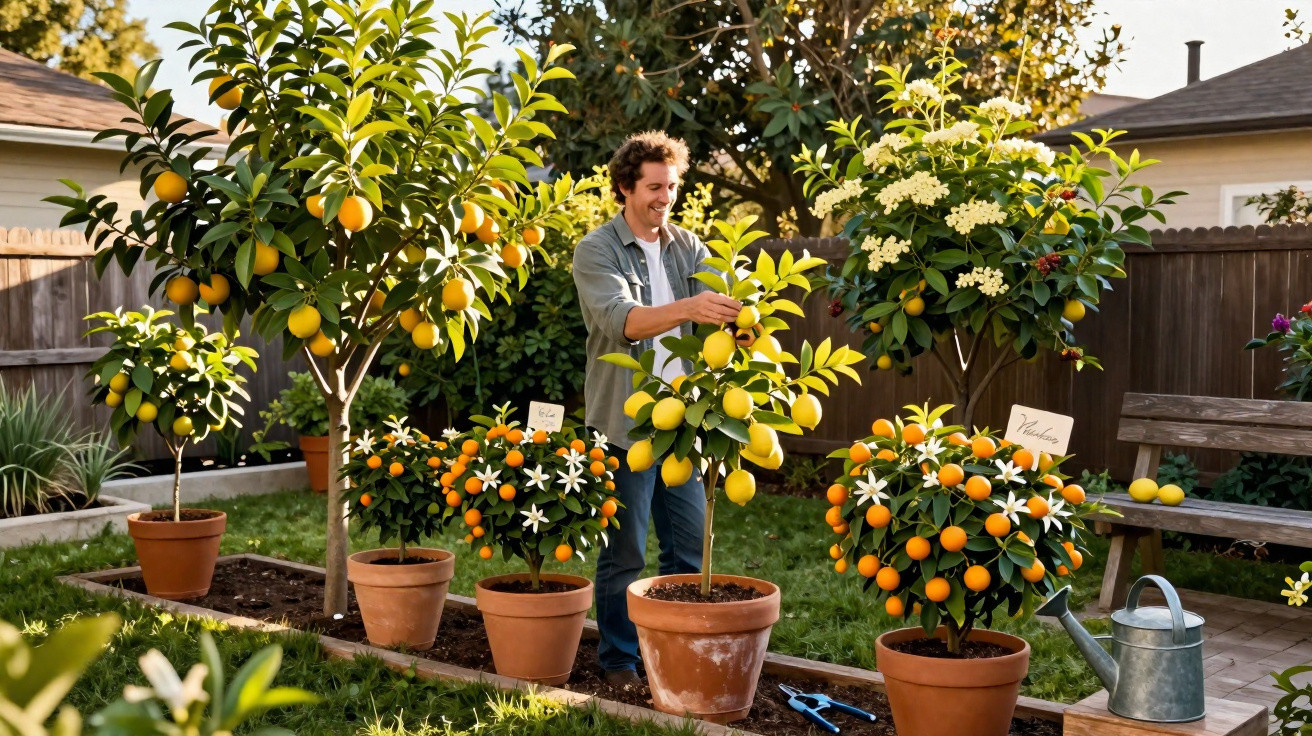
With the right fruit trees, the wait for a harvest can be dramatically shorter.
Anyone with a garden, courtyard or simply a larger balcony today need not wait ten years for their first ripe fruit. Some fruit trees grow remarkably quickly, begin cropping early and look attractive too. With a well-chosen variety, properly prepared soil and a little care, even a limited space can become a thriving mini fruit garden within just a few seasons.
Why fast-growing fruit trees are worthwhile
Many amateur gardeners are discouraged when they learn that traditional apple and pear trees can take a long time to crop properly. Faster-growing varieties fill that gap. They offer:
- an early harvest after only two to four years rather than eight to ten
- blossom, fragrance and shade for seating areas and paths
- food for bees, birds and other beneficial wildlife
- garden structure without decades of planning
“With a few carefully selected varieties, you can create an ‘express fruit garden’ that soon brings fruit, blossom and life into the garden.”
The essentials are always the same: friable soil, sufficient water during the first few years and organic fertiliser. Trees can only truly fulfil their growth potential once these basics are in place.
Citrus trees in containers: lemon, mandarin, kumquat and calamondin
For those without a large garden, fruit trees in containers are the answer. Compact citrus varieties in particular suit balconies, patios and small courtyards.
Calamondin: a repeat-flowering tree for balconies
The calamondin orange tree is a classic choice for urban balconies. It stays relatively compact, copes well with container growing and often flowers several times a year. Although its fruit is fairly sour, it is excellent for syrup, marmalade or as a garnish in drinks.
- choose a bright, warm position with as much full sun as possible
- overwinter it frost-free, for example in a bright stairwell
- keep the compost evenly moist while avoiding waterlogging
Even young plants can crop heavily if they receive enough light and nutrients.
Kumquat: compact size, early harvest
Kumquat trees remain especially compact, making them ideal for narrow balconies. They enjoy warmth but can briefly tolerate light frosts, provided their roots are protected. The small fruit is eaten whole, including the peel, which is sweeter than the flesh.
Buy a strong young plant in spring and you can often enjoy your first kumquats as early as the following year – a clear advantage over slower-growing varieties.
Lemon tree: a classic with rapid results
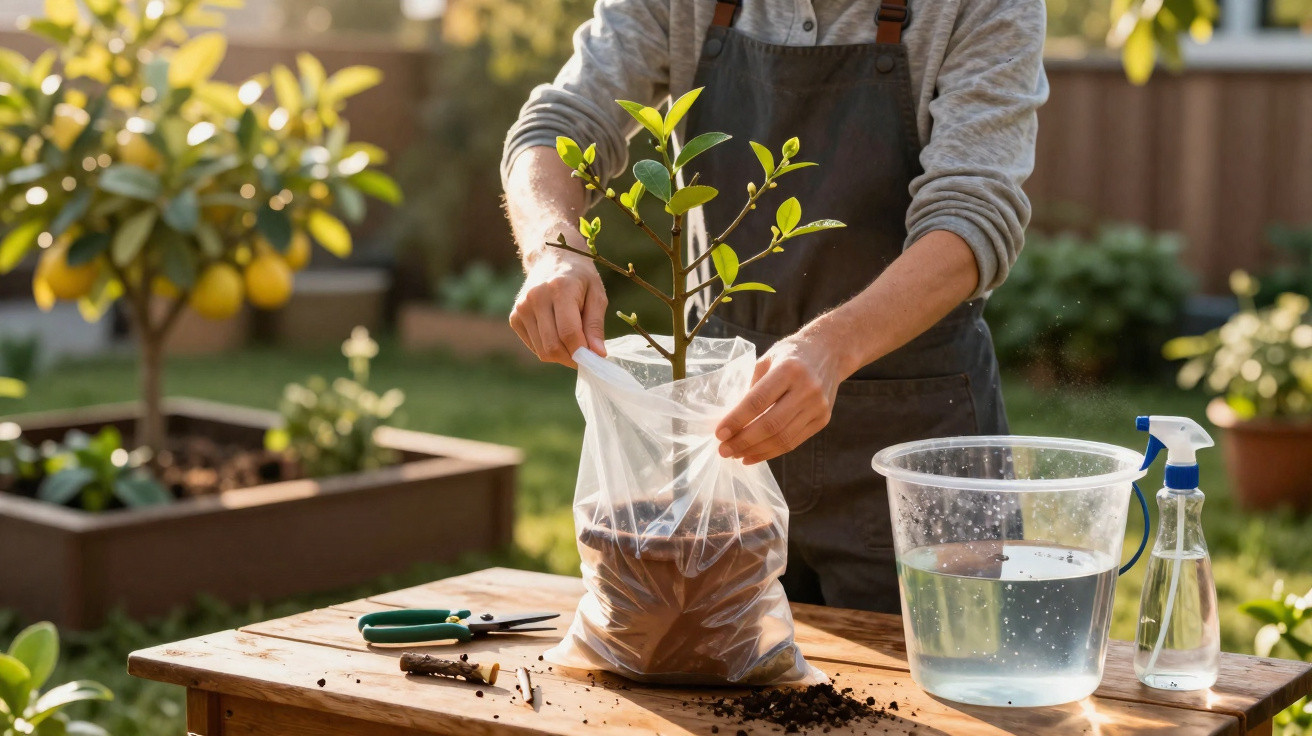
A lemon tree adds a holiday feel to any patio. As well as scented flowers, it provides juice for lemonade, tea and cooking. It grows quickly in a container as long as it has:
- a sunny, sheltered location
- free-draining compost with a proportion of sand
- regular applications of fertiliser in summer
Well-maintained lemon trees can produce plenty of fruit after just a few years. A frost-free winter position and timely pruning are important to keep the tree compact.
Mandarin tree: a fast-cropping family favourite
Mandarin trees grow at a similar rate to lemons, but their fruit is sweeter and particularly popular with children. In mild areas, they can even be planted in the garden with winter protection; in colder locations, they should remain in containers and move to winter quarters in autumn.
“Citrus trees often produce flowers and fruit after only a short time – ideal for anyone who wants quick results.”
Fast-growing fruit trees for planting in the ground
Anyone with a patch of garden can quickly establish a small, productive fruit garden with four varieties: fig, mulberry, elder and peach.
Fig tree: a sun-loving reliable producer
Figs are among the tougher Mediterranean plants. They favour warm, fully sunny spots, tolerate dry spells once established and rapidly develop into substantial shrubs or trees. Fruit now ripens reliably in many regions of Germany.
Give a fig plenty of room when planting, as its crown spreads widely. Light pruning after harvesting keeps it shapely and encourages good branching.
Mulberry: sweet berries and a magnet for birds
Mulberry trees are among the fastest-growing fruit trees of all. Only a few years after planting, they can be laden with sweet, elongated berries in summer. As the fruit stains heavily, avoid placing the tree directly above a patio.
Their major advantage is that mulberries attract numerous birds and pollinators. This makes them an excellent choice for anyone who wants a lively, wildlife-friendly garden.
Elder: versatile wild fruit
Elder grows naturally in many regions and tends to form shrubs rather than tall trees. It puts on growth quickly, continually sends up new shoots from around its roots and can gradually fill entire corners of the garden.
- early-summer flowers for syrup, jelly or a snack in batter
- autumn berries for juice, purée and jelly (slightly poisonous when uncooked!)
- dense growth for screening or background planting
Anyone planting elder should keep an eye on its spread and remove surplus shoots regularly.
Peach tree: summer fruit in record time
Peaches are among the fruit trees that produce their first crops very early. They grow rapidly and flower profusely in warm, sunny positions. Depending on the variety, the fruit ripens from July onwards, and its flavour is difficult to compare with that of shop-bought peaches when freshly picked.
“A single peach tree can deliver an impressive summer harvest in a short time – straight from your own tree to the kitchen.”
How to get the most from fast-growing fruit trees
Even rapid growth needs a few clear rules. Three factors determine whether the result is success or frustration:
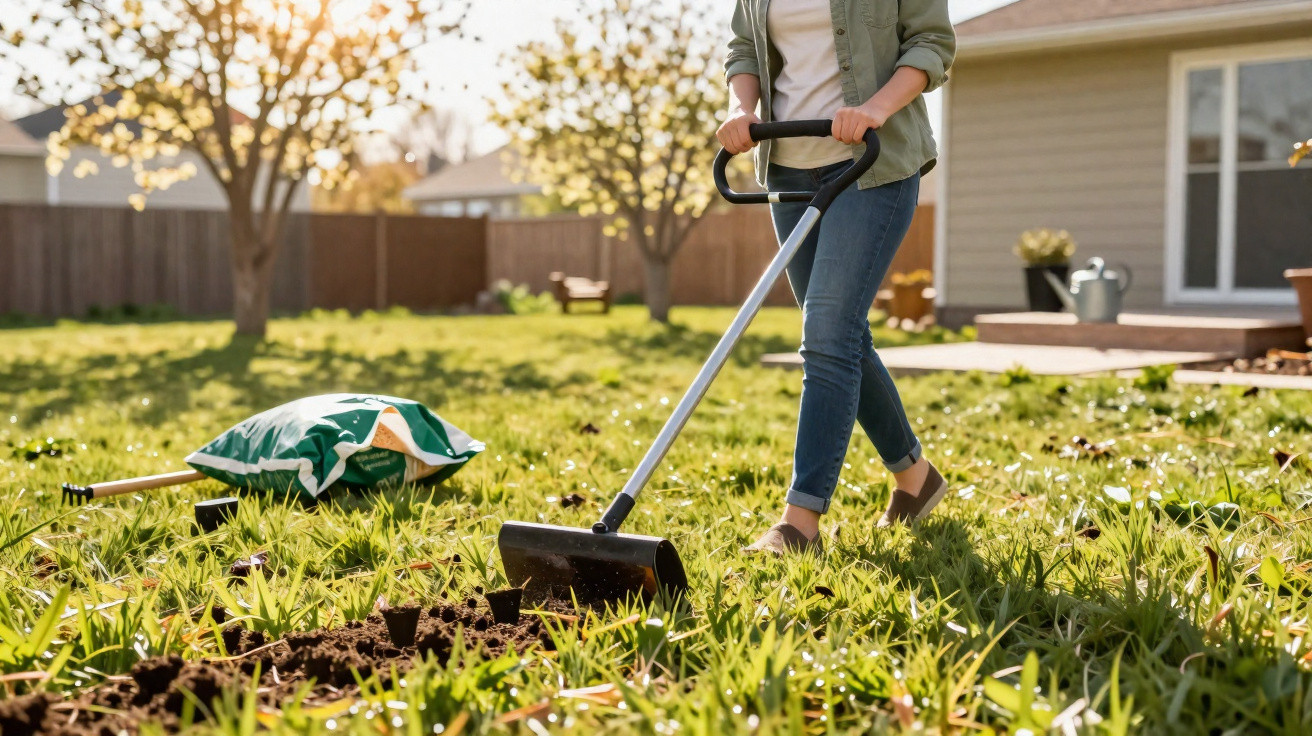
- Prepare the soil: Make the planting hole twice the size of the root ball, mix the soil with compost and loosen heavy ground with sand.
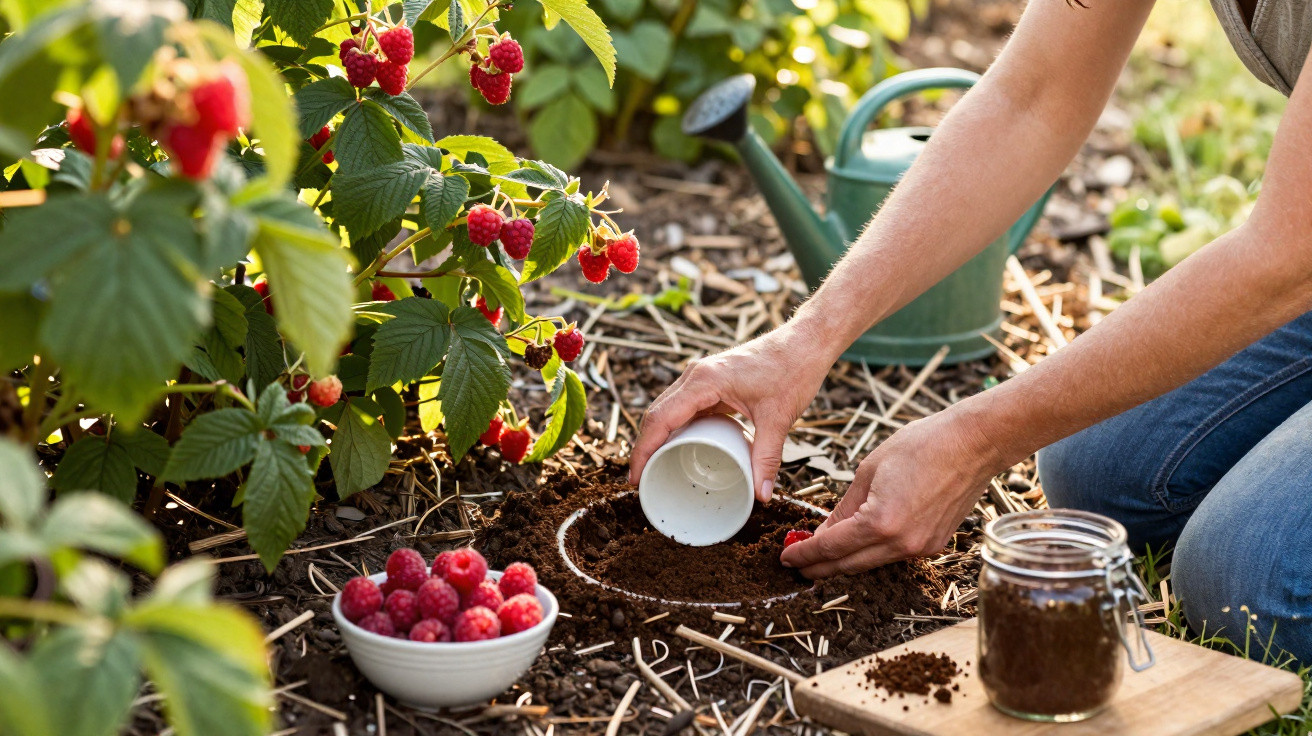
- Water and mulch: Water regularly for the first two to three years, then cover the soil with mulch to stop it drying out.
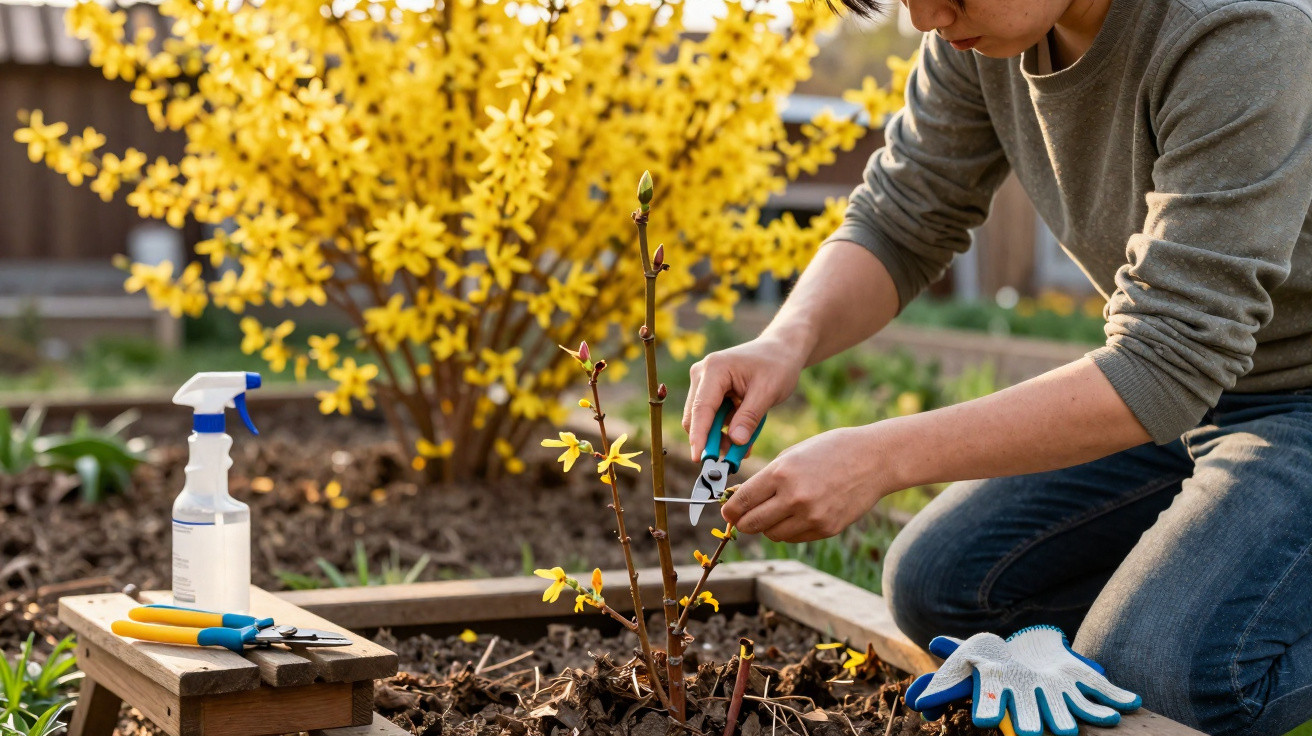
- Prune gently but consistently: Cut back a little each year, remove competing shoots and maintain an open, airy crown.
Follow these basic rules and you benefit twice over: trees establish themselves faster and remain healthier and more stable in the long term.
Common mistakes – and how to avoid them
Many projects fail not because of the tree variety, but because of small oversights:
- A pot that is too tall, with too little compost: Citrus trees need large containers; otherwise, they dry out and grow poorly.
- Shady corners: Most fast-growing fruit trees need plenty of sunshine. In shade, fruit ripening is significantly delayed.
- No pruning: Without pruning, branches become old and unproductive, break more easily and bear less fruit.
- Overfeeding with nitrogen: Too much fertiliser encourages leaves but produces few flowers and fruits.
How fruit trees fit into existing gardens
Fast-growing fruit varieties combine well with perennials, herbs and berry bushes. Lavender, thyme or low-growing vegetables, for instance, work well beneath peach or fig trees. Citrus trees in containers can frame seating areas, house entrances or pools, creating a Mediterranean feel.
For a more wildlife-friendly approach, use mulberry and elder deliberately as food sources for birds, and create insect hotels or wildflower areas nearby. This turns a quick fruit-growing project into a small, functioning habitat.
Overall, these eight varieties offer a convenient shortcut to home-grown fruit without waiting decades for mature standard trees. A thoughtful choice of position and a little care can transform a bare balcony or an unremarkable garden corner into an enjoyable space in a short time – complete with buzzing bees, singing birds and the first home-grown fruit picked straight into your hand.
Comments
No comments yet. Be the first to comment!
Leave a Comment