
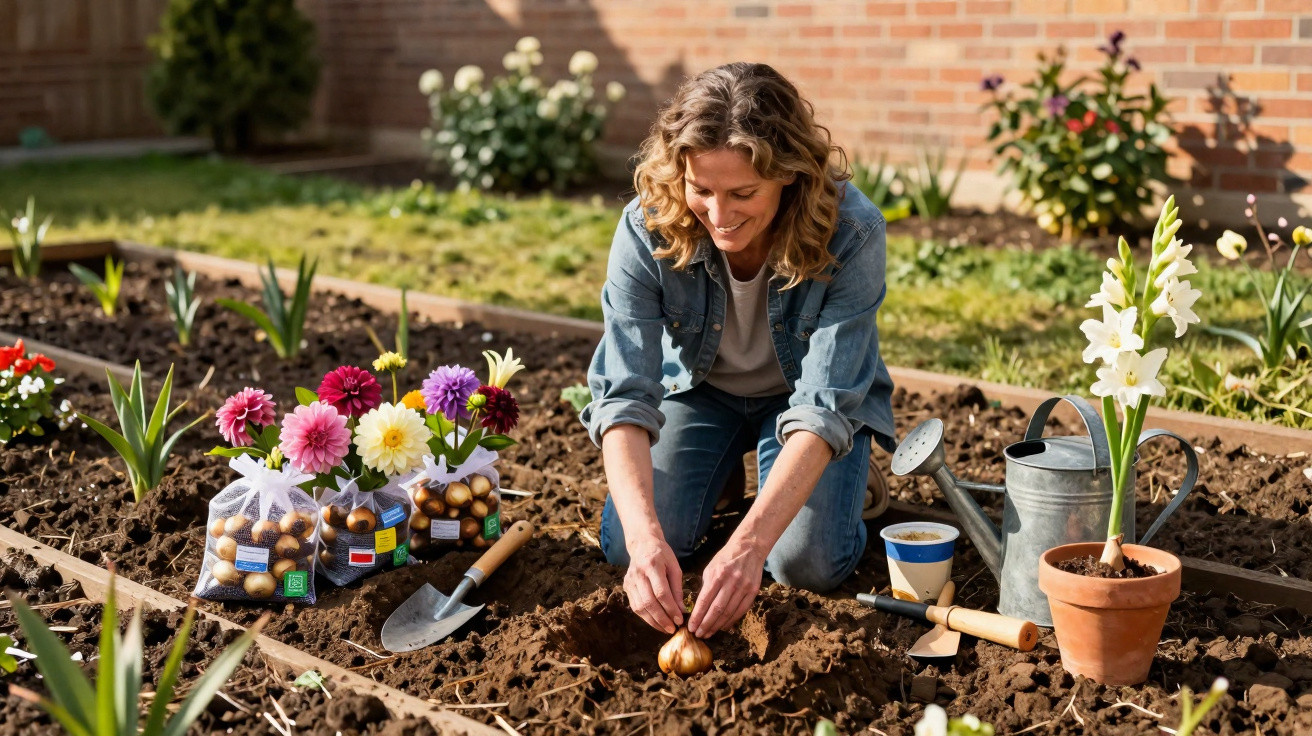
While many amateur gardeners are still staring helplessly at empty beds in March, professionals such as TV gardener Alan Titchmarsh are already planning the year’s biggest colour display beneath the soil. Plant the right summer-flowering bulbs now and you can enjoy huge blooms from June onwards – rather than regretting bare ground at the height of summer.
Why March quietly marks the beginning of the summer flowering season
Although March can still look like late winter on the calendar, the soil is already beginning its countdown to summer. Temperatures are gradually rising, daylight hours are increasing and the ground remains moist – ideal conditions for bulbs and tubers to establish roots undisturbed.
What goes into the ground in March determines how lavishly beds, containers and window boxes burst into bloom in June.
Garden professionals regard this particular window as the key to a long flowering season running from June to August. Plants have several months to develop a strong root system before dry spells and hot weather arrive. As a result, they flower more reliably, produce larger blooms and last for longer.
There is another advantage: summer-flowering bulbs and tubers are relatively inexpensive and easy to look after. They offer quick successes to anyone with limited gardening experience. More experienced gardeners use them to fill deliberate gaps in perennial borders or introduce striking touches of colour.
Summer bulbs that really should go into the ground in March
Not every bulb flowers in summer – many people know only tulips and daffodils. However, it is worth looking at other varieties that truly come into their own from June.
For tall, dramatic borders
For flower stems that can be seen from a distance, choose these enduring favourites:
- Lilies – elegant, often fragrant and producing large, graceful flowers
- Gladioli – tall flower spikes that are ideal for cutting and displaying in a vase
- Freesias – more delicate in appearance but intensely scented
- Crocosmias – narrow, arching blooms in vivid orange or red
- Ornamental alliums – spherical flower heads that bring a modern, architectural look to borders
These varieties provide height and structure, particularly towards the back of a border or as a backdrop for shorter plants.
For large, showstopping flowers
Anyone looking for a real “wow” factor will almost inevitably turn to these options:
- Dahlias – huge, often multi-coloured flowers, from pompon types to dinner-plate dahlias
- Begonias – abundant double blooms, also well suited to partial shade
- Bearded irises – spectacular forms with bold, often bi-coloured flowers
All three are excellent as the focal point of a border or for filling containers placed directly beside the patio.
For containers, balconies and small spaces
Alan Titchmarsh likes to combine flowering plants with companion plants in pots and compact beds. The following work particularly well:
- Begonias – flowering almost continuously, even in smaller containers
- Petunias – trailing varieties spill over balcony edges like a carpet of flowers
- Verbenas – finely branched stems with many small blooms and excellent staying power
- Rudbeckias – sun-like flowers that are robust and long-lasting
In window boxes and hanging baskets, these plants excel because they require little root space while delivering an enormous amount of colour.
How to plant summer bulbs correctly
The basic rules are straightforward, yet they are ignored surprisingly often. Ultimately, planting depth, position and soil determine success or failure.
Planting depth and spacing: the rule of thumb
Most flower bulbs perform best when planted at a depth of around two to three times their own height. A large dahlia tuber should therefore be buried more deeply than a delicate freesia.
| Variety | Recommended planting depth | Spacing |
|---|---|---|
| Lilies | 3 x bulb height | 20–30 cm |
| Gladioli | 10–15 cm | 10–15 cm |
| Dahlias | 5–10 cm of soil above the tubers | 40–60 cm |
| Begonias | 3–5 cm | 15–20 cm |
It is better to plant bulbs in groups of four to six of the same variety than to scatter them individually. Dense blocks of colour make a far stronger summer impression than a few isolated stems among perennials.
Beds or pots: what matters in each case
For borders, the essential point is that the soil must drain freely. Waterlogging is the greatest enemy of almost all bulbous plants. Improve heavy clay soil with sand or fine grit.
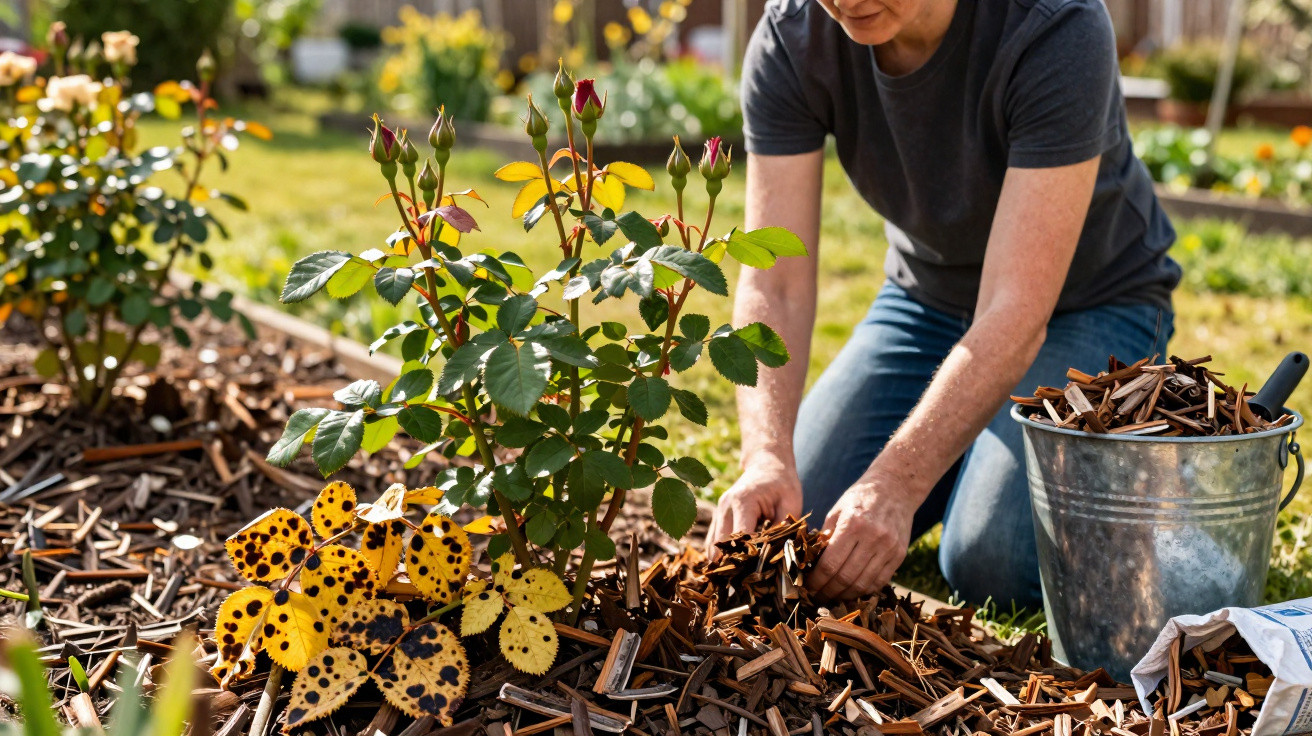
For containers and pots, use a mix of good-quality compost with a mineral component, such as clay pebbles, sand or fine gravel. Alan Titchmarsh often chooses large terracotta pots and checks the drainage holes first. He then plants the bulbs with their tips facing upwards, fills the pot with peat-free compost and leaves a 2–3 cm watering gap below the rim.
Watering, care and securing a cascade of flowers
Summer bulbs are considered undemanding, but a few basics bring major rewards.
- Water thoroughly immediately after planting so that the soil and bulb settle together properly.
- Allow the compost or soil to dry slightly afterwards, avoiding waterlogging, especially in pots.
- Keep plants evenly moist as they grow, particularly during extended dry periods.
- Remove faded blooms regularly so that plants direct their energy into new buds.
Those who water their bulbous plants less often but more thoroughly give them stronger roots and an uninterrupted flowering period.
Many varieties benefit from a light liquid feed every two to three weeks during their main growing period. In good garden soil, an organic slow-release fertiliser applied at planting is often sufficient.
Hidden pests: when inconspicuous insects ruin entire beds
One danger may be present before any green growth is visible: tiny insects known as thrips. They often hide between bulb scales, especially on planting material that has been stored. To the naked eye, they appear as tiny lines.
The insects and their larvae later feed by sucking sap from buds and leaves. Typical results include:
- distorted flowers that barely open
- brown patches and silvery streaks on leaves and petals
- generally weakened plants
How to prepare the bulbs
One brief extra step before planting can greatly reduce the risk:
- Use only firm, clean bulbs; avoid any that are soft or mouldy.
- Gently brush away loose soil and debris.
- Make a solution using 1 litre of water and 1 tablespoon of gentle soft soap or mild washing-up liquid.
- Spray the bulbs, allow them to dry, then repeat the process after three days.
Sensitive varieties such as tulips and daffodils do not tolerate aggressive products. With gladioli, ranunculus or anemones, some gardeners also use a brief soak in a mild disinfecting solution before drying the tubers thoroughly and planting them.
What to do when damage is already visible in the border
Anyone who noticed distorted blooms or silvery leaf markings last year should act decisively. It is best to remove badly affected plants so they do not become a continuing source for the next generation of pests.
Possible measures for established plants include:
- spraying leaves in the evening with a solution of water and soft soap, at roughly five per cent
- placing yellow sticky traps in borders or containers
- drying lifted or harvested bulbs thoroughly and storing them in a cool place at 2–4 °C
Bulbs that spent the winter unchecked in a warm garage or boiler room should be examined carefully and, if in doubt, discarded.
Practical March tips for lazy gardeners who want abundant flowers
If time is short, follow a clear minimum plan: one hour in March, then enjoyment throughout the summer.
- Plant one or two large containers densely with lilies or dahlias.
- Place groups of gladioli or begonias in gaps within perennial borders.
- Fill a sunny corner bed with a single variety only, such as yellow rudbeckias for a “sunspot effect”.
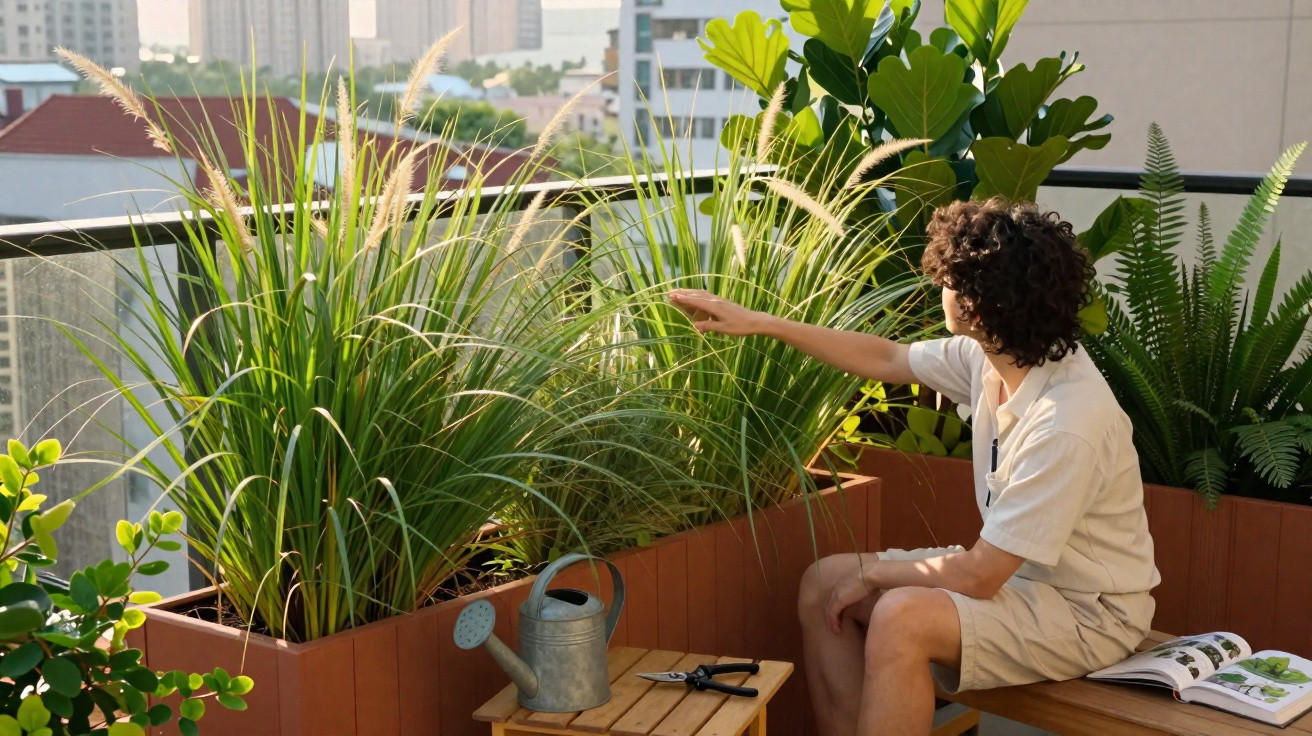
The layering method is especially worthwhile on balconies and patios: drainage at the bottom, good compost in the middle, then a mix of bulbs and fast-growing companions such as verbenas or petunias on top. This makes the container look appealing even before the large summer-flowering bulbs begin to perform.
Why summer bulbs are worthwhile in the long term
Many amateur gardeners impulsively buy flowering plants from the garden centre once the season is already under way – usually at a higher cost and with a shorter flowering period. Choosing bulbs and tubers deliberately in March is a far more efficient approach.
Once planted, many varieties return for years, provided they have a suitable position and are not damaged by frost or excessive wet. Lilies, alliums and hardier begonias in particular can become permanent features in the garden. Gradually, this creates a foundation of summer flowers that only needs topping up each year.
Perhaps the greatest benefit is that the garden looks less random in summer. Instead of isolated colourful patches, it develops clear areas of colour, graduated heights and repeating forms. That is the difference between “quite nice somehow” and “Wow, what a garden!” – and, following Alan Titchmarsh’s lead, it begins on an often unremarkable March day with soil on your fingers.

Comments
No comments yet. Be the first to comment!
Leave a Comment