
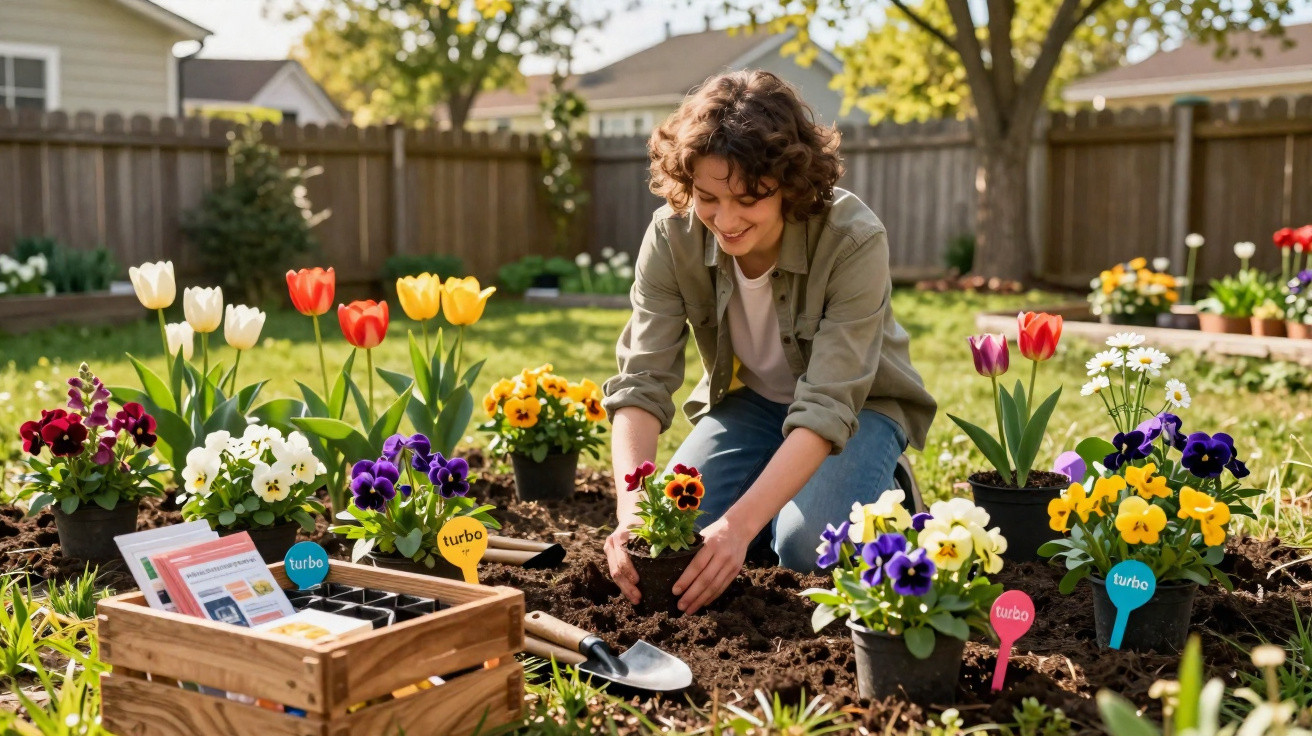
Between grey beds and bare containers, spring can often feel frustrating – but a few clever blooms can transform the scene remarkably quickly.
If all you can see in March is brown soil, there is no need to wait until high summer. Several annual flowers can go from seed to full bloom within just a few weeks. Choose well and time the sowing carefully, and an empty patch by the front of the house can become an almost overflowing carpet of flowers.
Why now is the ideal time for fast-growing flowers
The period between the end of winter and the first genuinely warm days can leave a garden looking bleak. Yet this is precisely the right time to sow fast-growing flowering favourites. Many of these annual varieties progress from sowing to their first flowers in around 45 to 90 days, provided the soil is frost-free, loose and free-draining.
“Those who sow wisely in March and April will be standing in a lush sea of flowers by the beginning of summer.”
A sunny position is essential, as most quick growers thrive on light and warmth. In cooler areas, it is advisable to sow in pots or indoors so that seedlings are not caught by a late night frost. In milder locations, seeds can be sown straight into the outdoor soil.
How to make your first sowings succeed without experience
For beginners, wide beds or larger containers are particularly suitable. The basic rule is simple: sow thinly, firm the seeds in lightly, and keep the soil moist rather than wet. Once the seedlings emerge, thin them out so that each one has sufficient room. This produces strong, sturdy plants rather than thin, spindly “spaghetti”.
- Sow only into frost-free soil.
- Use fine, crumbly soil that does not become waterlogged.
- Cover seeds with only a thin layer of soil.
- Water carefully using a watering-can rose.
- Remove the weakest seedlings later on.
If you are starting plants indoors, use small pots or seed trays placed near a window. Move the young plants outside once the nights remain consistently mild.
Nine fast-flowering stars for full beds and balcony containers
The following selection offers differing heights, colours and purposes, from bed edging to an XXL focal point.
Zinnia: an explosion of colour at record speed
Zinnias bring an unmistakable summer feel. They grow quickly and produce large, vivid flowers in red, pink, yellow and orange. Taller cultivars are well suited to cutting, while shorter types fill gaps in borders or window boxes.
Gomphrena: a long-flowering choice for heat and drought
Also known as globe amaranth, this flower produces numerous small, rounded flower heads. It copes remarkably well with hot, dry conditions and flowers for many weeks, making it ideal for sunny, relatively barren spots.
Tagetes: the tireless border-edge professional
Tagetes quickly add colour to the edge of a border. The plants stay compact, flower early and for a long time, and require little maintenance. Their distinctive scent deters some pests, which can benefit vegetable gardens.
Sunflower: rapid height for the back of the border
Sunflowers gain impressive height in a short period and develop striking flower heads. There are compact cultivars for containers as well as giants that grow taller than two metres. At the rear of a border, they add structure and create the feeling of a summer field.
Borage: flowers for insects and the kitchen
Borage grows rapidly and produces delicate blue stars that attract bees and other pollinators. Its flowers can even be used as edible decoration for salads or drinks. Planted among taller flowers, borage fills bare areas and gives the display a lighter appearance.
Nasturtium: a climber or ground cover with character
Nasturtiums can be sown directly outdoors and will either climb on supports or trail like a carpet over walls and containers. Their round leaves and bright flowers look cheerful, while the plants put on a surprising amount of growth in little time.
Celosia: glowing torches in the border
Celosias create bold accents with their feathery or crested flowers. Their flower structure appears almost papery, and they seem to glow in sunlight. They are ideal in front of taller plants or grouped together in containers.
Petunia: a classic for balconies and patio containers
Petunias flower early and abundantly, in almost every possible colour combination. They are excellent for hanging baskets, window boxes and bowls. In mixed planting schemes, they fill the spaces between more upright-growing plants.
Spider flower: airy height with a distinctive silhouette
Spider flowers grow quickly, reaching medium to taller heights and carrying eye-catching, delicate flower clusters. They create a lightly transparent backdrop without overwhelming neighbouring plants.
How to arrange the nine quick starters in a border
A simple plan helps to create a dense display without making it look chaotic. Three zones have proved effective in everyday gardening:
| Zone | Suitable plants | Effect |
|---|---|---|
| Background | Sunflower, spider flower | Height, structure, focal point |
| Middle | Zinnia, celosia, borage | Blocks of colour, variety, insect magnet |
| Foreground / edge | Tagetes, nasturtium, petunia | Defines the edge, fills gaps |
A border looks more harmonious when particular plants are repeated several times, rather than planting every variety just once. The same species can be echoed in pots on balconies and patios to create a cohesive look around the house.
Low-maintenance, but not entirely carefree
Fast-growing flowers need regular attention above all during their early stages. Too little water slows their development, while stagnant wet conditions encourage rot. Allowing the soil to dry out slightly between waterings causes little harm, as long as the position is sunny and the plants are already established.
Competition from weeds is another consideration. During the first few weeks especially, it is worth weeding beds regularly so that young plants are not crowded out. A thin mulch of fine grass clippings or shredded plant material keeps the soil moist for longer and suppresses unwanted growth.
How densely can you plant without everything failing?
It is tempting to plant everything closer together for a quicker “full” appearance. However, planting too densely increases the risk of fungal disease, and the plants remain weak. A better approach is moderate spacing, with targeted repeat sowing into individual gaps in May or June.
Staggering the sowing is also useful: sowing a small quantity every two to three weeks extends the flowering period considerably. As the first plants gradually begin to fade, freshly grown replacements take over the job of providing colour.
How a quick start works with long-term plans
Fast-growing annual flowers make excellent “gap fillers” while perennials or young shrubs reach their final size. Newly created gardens in particular can quickly look bare without these temporary plants. Over one or two years, zinnias, tagetes and the rest bring life to the space while deeply rooted woody plants are still becoming established.
Many of the species listed also provide plentiful food for bees, butterflies and other beneficial insects. If you make sure that some flowers are allowed to set seed, you can collect seed in late summer and start again the following year without extra cost. Over time, this creates a personal mix that is perfectly suited to your own garden and climate.


Comments
No comments yet. Be the first to comment!
Leave a Comment