
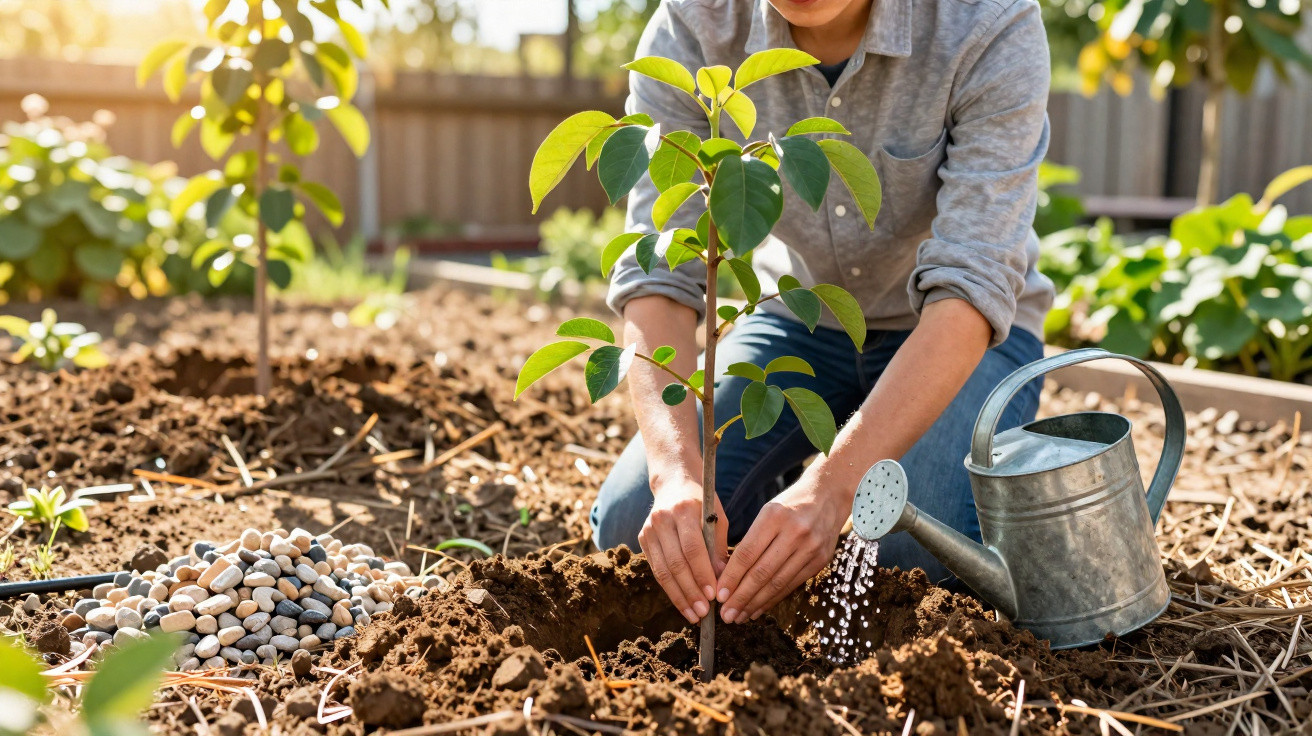
While apples, cherries and peaches tend to dominate the conversation, an exotic yet remarkably hardy fruit tree is gradually attracting the attention of keen home gardeners. Anyone who uses the short planting window and follows a few straightforward rules can look forward to years of sweet, vitamin-rich fruit – with hardly any watering stress or chemical treatments.
An exotic tree with a future: why the jujube tree is becoming so appealing
The tree in question is the jujube, or jujube tree (Ziziphus jujuba). Native to Asia, its fruit is valued there both as a delicacy and as a medicinal plant. It has so far remained relatively overlooked in UK gardens – undeservedly so.
Its fruits, commonly called Chinese dates, resemble small dates in appearance, yet their flavour is closer to a combination of sweet apple and caramel. Rich in vitamin C, they can be eaten fresh, dried, made into tea or purée, or used in sweet snacks.
“Planting in late March lays the foundations for a fruit tree that loves heat, needs little water and still produces an abundant crop.”
Why late March is the ideal planting time
Many traditional fruit trees are planted in autumn or at the very start of spring. The jujube is slightly different. It prefers warmth and is sensitive to severe late frosts around its roots.
By late March – or early April in some areas – the soil has warmed noticeably and the harshest frosts have usually passed. This is exactly the combination a jujube tree needs to establish itself without a temperature shock. Its roots can begin growing during a mild spell rather than being placed into icy, waterlogged ground.
- planted too early: there is a risk of frost damage to roots and shoots
- planted too late: the soil dries out more quickly, putting young plants under stress
- late March: the soil is warming up while there is still sufficient moisture available
Productive, drought-resistant and undemanding
Once the jujube tree has settled into its position, its greatest strengths become clear. It is considered highly drought tolerant. During hot summers, when other fruit trees struggle, it manages with just a few well-timed waterings.
From late summer into autumn, a well-established tree can carry countless small fruits. When fully ripe, they turn reddish-brown, while the flesh becomes soft and very sweet. In warmer locations, yields of several kilograms per tree are not unusual.
“The jujube tree is an ideal choice for anyone who wants to harvest fruit without having to water or spray constantly.”
Common ways to use jujube fruits
- snack on them fresh from the tree, like small sweet apples
- halve and dry them for a winter snack
- add them to muesli, baked goods or energy bars
- simmer them to make a mild tea with a light caramel note
First golden rule: choose a sunny, warm position for the jujube tree
The chosen site has a decisive influence on both flavour and yield. The jujube is an enthusiastic sun-lover.
Full sun rather than a compromise in partial shade
A spot with sunlight throughout the day is ideal, preferably facing south. A sheltered house wall or a warm enclosed courtyard can enhance these conditions. The tree will grow in partial shade, but it will remain less vigorous and bear substantially fewer fruits.
- the south side of the garden or a position beside a wall
- no shade from large trees or buildings
- a calm, sheltered site for improved flowering and pollination
Second golden rule: free-draining soil with no waterlogging
The jujube tree reacts badly to soil that is permanently damp and heavy. Waterlogging causes its fine roots to die back, leaving the tree weak or causing it to fail altogether.
A loose, well-drained growing medium is essential. The jujube is particularly comfortable in light sandy or gravelly soils. Where the soil is heavy clay, careful preparation will help:
- dig a generously sized planting hole and loosen the soil thoroughly
- add a layer of coarse sand, grit or fine gravel at the bottom
- mix in loose garden soil and a little compost, without creating excessively rich soil
“The rule of thumb is this: the soil may dry out, but it must never remain wet and sticky for weeks at a time.”
Third golden rule: plan pollination and spacing correctly
Two trees produce a much better crop than one on its own
Many nurseries market the jujube as self-fertile. In theory, one tree can form fruit, but in practice the harvest is often modest. Combining two different varieties delivers noticeably better results.
With two trees in the garden, bees and other insects move between their flowers. This cross-pollination significantly increases the number of fruits that set.
Leave enough room for healthy trees
Although placing trees closer together may seem tempting, it causes problems over time. Their crowns need air and light, and the roots also require adequate space.
A distance of four to five metres between the trunks has proved effective. This gives the trees room to develop freely without competing for water and nutrients. It also allows foliage to dry more rapidly after rain, giving fungal diseases fewer opportunities.
“Giving trees generous spacing from the outset saves a great deal of pruning work and disease trouble later on.”
Fourth golden rule: water correctly during the first few weeks
The first thorough watering after planting
Immediately after planting comes a crucial step: watering the tree in thoroughly. The newly planted tree should receive a generous soaking of around ten litres of water, or more depending on its size.
This substantial watering settles the loose soil around the roots, removes air pockets and ensures that every part of the root system is in contact with soil. It prevents sections of root from drying out in hollow spaces.
Retain moisture without drowning the roots
Over the following weeks, balance is key. The soil should stay lightly moist but must never become saturated. A thick mulch layer of straw, woodchip or leaves around the trunk works well, provided it is not placed directly against the trunk.
- mulch retains moisture and reduces evaporation
- the soil stays cooler and maintains more even moisture levels
- watering intervals become noticeably longer
Only water when the top five to ten centimetres of soil genuinely feels dry. The jujube copes well with brief dry periods. Watering too often does more harm than good because it encourages roots to remain near the surface.
How to tell whether the tree has established well
As spring progresses, the tree will show whether conditions were right. Strong new growth and plenty of fresh, pale-green leaves indicate that planting has been successful. If growth is slow to begin, it is worth checking both the soil moisture and the mulch layer.
Another benefit is that the jujube tree needs very little fertiliser in the long term. Loose, humus-rich soil is sufficient, and in most gardens a little well-rotted compost every few years is enough. Fertilisers high in nitrogen merely encourage soft growth that is more vulnerable to frost.
Who will benefit most from growing a jujube tree
The tree is particularly well suited to gardeners who:
- live in a relatively warm, dry region,
- do not want to water every other day,
- are looking for unusual fruits beyond standard orchard varieties,
- garden organically and prefer to avoid sprays.
The species is especially appealing in heat-affected towns and cities or on allotments with water meters. For anyone aiming to make their garden more climate-resilient, the jujube sends a clear message: move away from thirsty crops and towards plants that cope calmly with dry spells.
The tree is also an interesting option for families with children. Its fruits can be picked and eaten straight from the branch, contain hardly any acidity and are therefore very child-friendly. As they ripen late, they extend the fruit season into autumn, when apples and pears have often already been harvested.
With a little planning during this final week of March, an unassuming young tree can become a long-term source of unusual, sweet fruit – as well as a real focal point in the garden.
Comments
No comments yet. Be the first to comment!
Leave a Comment