

Branches become rigid, buds lie dormant and gardeners hold back. One well-timed cut can transform the following spring.
Roses do not respond well to haste or guesswork. Cut them too soon and frost can damage the tender new growth; leave it too late and wind may break canes while disease gains a foothold. Dates on a calendar are useful, but the activity within the plant’s wood matters just as much.
Why timing matters more than technique
Pruning tells a rose to start growing. Every cut encourages it to send out fresh shoots. During autumn, that new growth remains soft and vulnerable, so cold can scorch it and pruning wounds take longer to close. By late winter, conditions change: sap begins moving, buds enlarge, daylight increases and cuts heal more rapidly.
Autumn is the season in which stems become woody and the plant stores energy in its roots and canes. Heavy pruning at this point makes the rose use reserves needed to survive winter. Leave major reshaping until the closing weeks of the cold season.
Key rule: light in fall to stabilize, strong in late winter to build structure.
Light autumn pruning for roses: stabilise, don’t sculpt
Once the first light frosts arrive, focus on wind protection and cleanliness. Reduce the longest canes by roughly one third to lessen their sail effect. Only take out wood that is dead, diseased or damaged. Secure climbing roses to their supports so canes cannot lash about and split. On fruiting varieties, retain the rose hips: they discourage fresh growth and provide food for birds.
Avoid big cuts before hard frost. Fewer open wounds now means fewer entry points for rot and canker.
Late-winter rose pruning: build the framework
Hold off until the threat of severe frost has passed, then prune with purpose. One reliable signal across many regions is the start of forsythia flowering. This usually coincides with sap rising and faster wound healing.
Make each cut 5–8 mm above an outward-facing bud, on a slight angle, with clean blades.
Hybrid teas and floribundas
Hybrid teas benefit from a more severe prune. Cut them down to 30–40 cm to encourage upright, powerful stems. Floribundas need slightly more height, usually 40–50 cm, so they can retain their clusters of blooms.
Shrub and landscape roses
Retain a broad overall framework. Depending on vigour, shorten plants to 60–90 cm. Remove crossing stems and open up the middle to improve air movement. Work towards a goblet-shaped plant with three to five evenly spaced principal canes.
Climbers and repeat-bloomers
Keep the principal arms arranged horizontally or in a fan. Reduce side shoots to three to five buds. Fasten young canes at a low angle, as more horizontal training creates a greater number of flowering laterals.
Once-blooming heritage and ramblers
These roses produce the following year’s flowers on the previous year’s wood. Do not remove major canes in late winter. Prune instead straight after their summer flowering display, thinning older canes then to refresh the framework without sacrificing buds.
Microclimates and signs worth following
Every garden has its own conditions. A protected courtyard may warm up early, whereas an exposed ridge can be a month behind. In mild coastal locations, the pruning period may begin in January. In colder areas or at altitude, it may not arrive until March or early April. Let the roses guide you: swelling buds, supple green wood and soil no longer lifting with frost all indicate the right time to begin.
| Region cue | Typical window | What to do |
|---|---|---|
| Mild coastal | Late Jan–Feb | Carry out structural pruning and feed lightly after cutting |
| Temperate lowland | Feb–early Mar | Structurally prune; secure climbers; shape shrubs |
| Cold inland/mountain | Mid Mar–early Apr | Postpone major pruning; beforehand, limit work to wind reduction |
Tools, hygiene and dependable habits
Well-sharpened, clean secateurs leave neat wounds that close effectively. When cutting out diseased wood, disinfect the blades between plants. Make sloping cuts so rainwater drains away. Never leave a stub, as it can dry out and become an entry point for canker. Equally, do not cut so close that the bud is damaged.
- Prune in dry weather to reduce the spread of disease and encourage quicker callus formation.
- Start by removing dead and crossing stems, which makes the plant’s structure easier to assess.
- Wear robust gloves: rose thorns cut skin and make the task slower.
- Put diseased material in a bag; black-spot leaves should not go on the compost heap.
Feeding, mulching and winter protection
Stop applying high-nitrogen feed by late summer. This avoids producing soft late-season shoots that are likely to freeze. During autumn, spread 5–7 cm of compost or shredded leaves around the base. Mulch evens out soil temperatures and shields the roots at the crown. In colder regions, heap a collar of composted soil around young roses until spring arrives.
Mulch protects roots, steadies moisture, and gives soil life something to chew on all winter.
Before a cold snap or storm
When a deep freeze is expected, do not make major cuts. Tie in loose canes, place straw or leaves around the base and inspect any stakes. Ahead of strong winds, shorten only the longest whips that could lever the rose out of the soil. Once the weather event has passed, trim split ends back to sound wood.
Common errors to avoid
- Cutting back hard in October, which encourages tender shoots and winter dieback.
- Making level cuts that retain water and lead to rot.
- Retaining stubs that can shelter disease.
- Using heavy nitrogen feed in autumn, keeping sap flowing too late.
- Neglecting airflow, as a crowded centre holds humidity and black spot.
A practical calendar that works
Approach pruning as three separate rounds rather than one lengthy session. In late autumn, make the plant stable and protect its root zone. Complete the true reshaping in late winter. Through spring and summer, regularly deadhead repeat-blooming roses to prolong successive flushes of flowers, then reduce this in early autumn so hips can form and energy reserves can build.
Three passes, one rhythm: stabilize, shape, then maintain.
Extra rose-pruning pointers that pay off
Train for flowers rather than height
With climbers, flatter main arms create more lateral flowering shoots. A soft fan shape or low arch will yield more blooms than one cane trained straight upwards.
Match cuts to vigour
A vigorous cane produces a stronger response. When a rose is struggling, cut one or two canes back a little further to prompt renewal, while leaving the rest longer as a safeguard. This balance maintains flowering while a fresh framework develops.
Wildlife and winter appeal
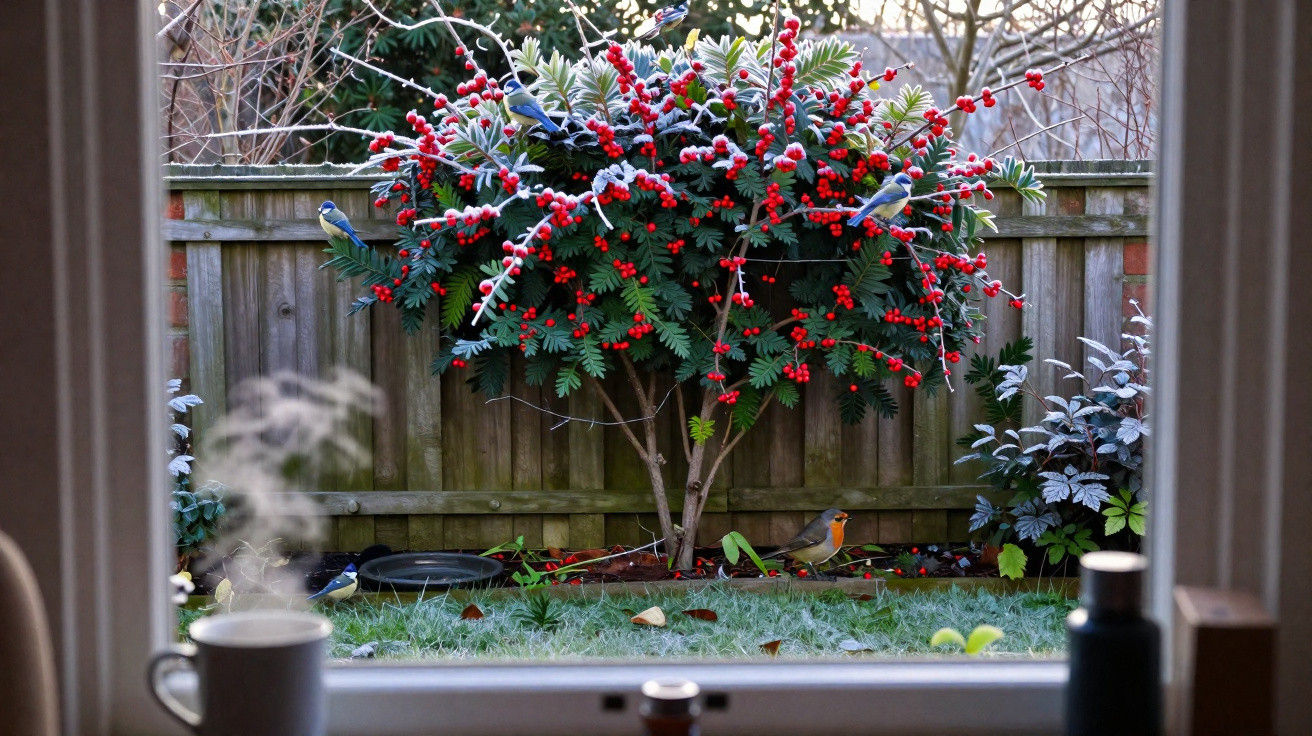
Keeping hips on chosen bushes supplies colour and food when little else is available. Birds bring activity to a quiet garden and help remove pests. Allow a few roses to carry hips, while deadheading others to preserve tidy outlines.
The risk and reward of late pruning
Pruning very late reduces the chance of frost damage, but in short growing seasons it also delays the first flowers. Where spring passes quickly, use the first safe period after hard frosts instead of waiting for genuinely warm weather. A well-timed cut is more valuable than waiting for ideal temperatures.
For gardeners who prefer evidence, try a straightforward plan on one bed this year. Make only light autumn cuts, then structurally prune when forsythia flowers. Record the first flowering date, stem length and disease pressure. The following year, move the timing by two weeks and compare the results. Small-scale local observations are more useful than any universal calendar.





Comments
No comments yet. Be the first to comment!
Leave a Comment