
The real question is not what to grow, but what to cut - and at what moment - so that spring arrives not timidly, but in full force.
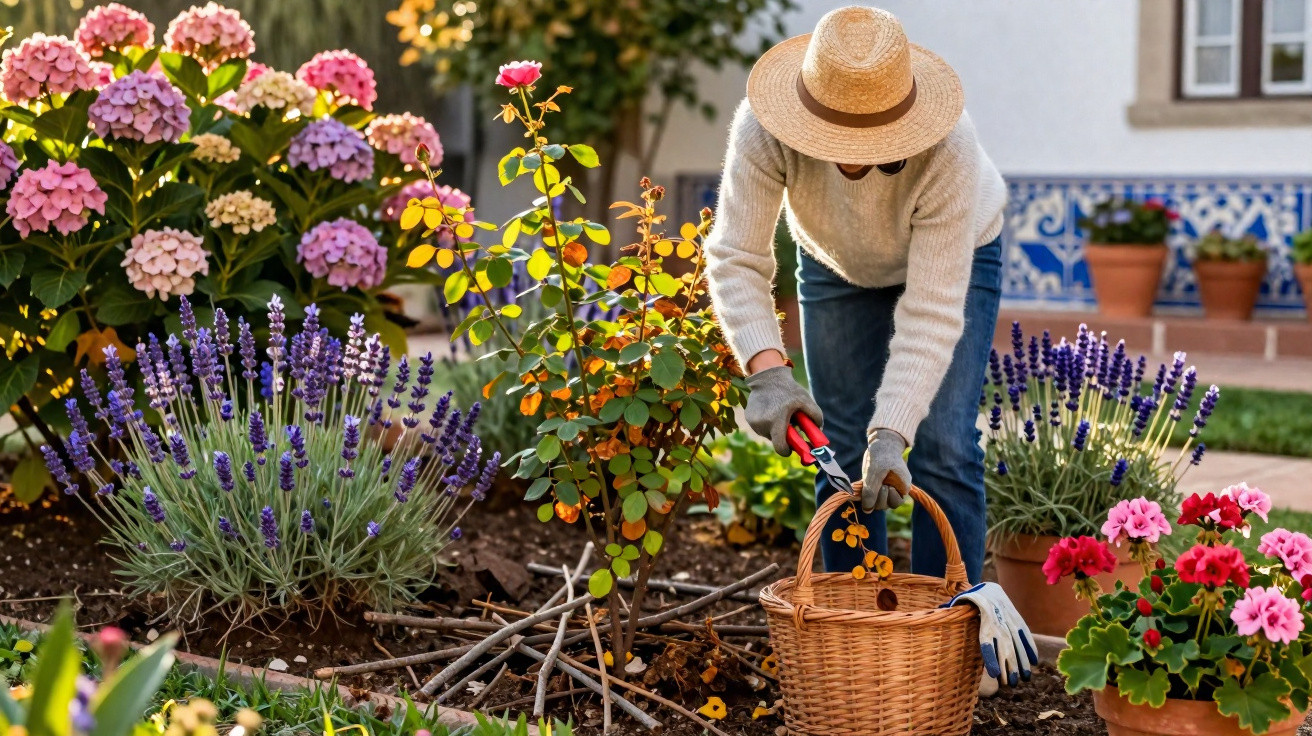
It began with the soft scrape of secateurs on a chilly October morning. Dew clung to the lavender like tiny lanterns, while the roses still seemed to believe summer might return for one final turn. A neighbour stopped at the gate and asked the important question: “If I prune now, will I lose the spring?” I looked at the Hydrangea paniculata, the salvias drooping after a season of overwork, and felt the familiar importance of timing. Cut too severely or too early, and you hold back the display. Prune wisely, and the plant stores energy through winter like a well-fed bear. I inhaled, cleaned the blades and made the first crisp cut. Then I stopped, hearing the garden exhale. A blackbird scattered soil over my boots. The rose moved in the breeze, lighter and relieved. The coming weeks would determine so much. One small secret shifts the odds.
October pruning for spring fireworks
Pruning in October is not simply another task: it is a reset. Perennials and certain shrubs react like athletes between competitions - resting, recovering and returning with greater strength. As temperatures fall, sap movement slows and plants start sending sugars towards their roots. That is the opportunity. Gentle, well-judged cuts limit wind-rock, remove disease and allow winter sunshine to reach the crown. The benefits build without fuss. By March, it may seem as if the plants have grown while you were not watching, but October’s work has been doing the hard work. Prune with intention now, and spring responds with a fuller, more settled rhythm.
Most of us have faced a faded border that looks weary and congested, with every instinct urging us to cut it all to ground level. Last October, I visited a compact terraced garden in Leeds where its owner chose a different approach. She reduced her roses by one-third, clipped lavender only where stems remained green, and cleared salvias back to their fresh basal tufts. On shrubby salvias, she intentionally retained a framework to protect them from frost. By April, the path had become a channel of flowers and fragrance. Her neighbours were convinced she had replanted everything. In truth, she had simply pruned at the right time and retained the right stems.
The reasoning is straightforward. Many much-loved garden plants bloom from new wood or renewed basal growth. With restrained pruning from October, you direct their resources towards healthy roots and a clean structure. Less top growth exposed to winter winds means fewer loosened crowns and damaged roots. Clearing diseased or mildewed foliage reduces problems that might overwinter. Light can reach the inner stems, helping buds mature. Once the soil warms, stored energy rushes to those ready growth points. This is not about cutting everything back; it is about careful editing. Consider it the equivalent of sharpening pencils before writing an essay.
Five plants, five exact pruning moves
Roses (repeat-flowering and shrub types). During October, cut the tallest stems back by roughly one-third to reduce wind-rock. Remove dead, damaged and crossing stems, making a clean cut just above an outward-facing bud. Collect and dispose of any blackspot leaves from the ground. Avoid hard shaping at this stage; retain a stable framework for winter. Save the major prune for late winter, as this early tidy-up supports the plant and protects its roots. A light mulch around the base - kept away from the stem - helps the crown withstand cold snaps and surge back in spring.
Lavender (Lavandula angustifolia). Remove spent flower stalks and gently clip the sides into compact domes, always remaining within soft green growth. Do not cut into old woody stems, as they do not consistently produce new shoots. Try to retain a 2–3 cm layer of fresh growth. This keeps plants neat over winter, reduces splitting and prepares them for a dense May display. Where lavender has become lanky and sparse, take a little extra from the tips, but stop as soon as the stems become brown and woody. Lavender appreciates a trim, rather than a close shave.
Hydrangea paniculata. In milder parts of the UK, these cone-flowered hydrangeas respond well to an autumn tidy: once the leaves have fallen, shorten stems by one-third to balance the outline. In colder gardens, leave heavier pruning until late winter and simply deadhead now to prevent snow damage. Do not use this timing for mophead hydrangeas (H. macrophylla), whose spring flowers develop from those plump buds. Salvias - both herbaceous (S. nemorosa) and shrubby forms (S. microphylla, S. x jamensis) - need a divided approach: cut herbaceous salvias down to fresh basal growth, but only gently neaten shrubby salvias, retaining a 20–30 cm framework as insurance against frost. Hardy geraniums may be clipped into a low mound, with tired foliage removed while leaving a finger-width of growth above the crown.
Easy wins and pruning mistakes to avoid
Keep the work clean and restrained. Choose sharp bypass secateurs, wiping the blades with alcohol between plants. Make slightly angled cuts above outward-facing buds. For roses, prioritise air circulation; for lavender, concentrate on form; for Hydrangea paniculata, aim for an even shape. With salvias, find the newest, tightly packed green rosettes at the base and cut immediately above them. For hardy geraniums, gather the loose foliage as though making a ponytail, then trim it into a neat cushion. If the soil is dry, water first, then apply composted bark or leaf mould as mulch to shelter roots without covering crowns.
Let us be realistic: no one does this daily. Instead, choose one dry weekend and work calmly from plant to plant. The most frequent errors I see are pruning lavender into dead wood, cutting shrubby salvias flat to the ground, and accidentally removing Hydrangea macrophylla buds. Pruning roses too aggressively now is another pitfall, because frost can then cause dieback. When you are cold and hurrying, stop and return later. Warm hands produce more precise cuts. If you are uncertain about a plant, take a photograph, go indoors and quickly check before making the cut.
A straightforward autumn routine is better than a dramatic spring rescue.
“I used to be scared of pruning,” an allotment neighbour told me, turning a salvias stem in her fingers. “Then I learned it’s like editing a sentence. Take out the clutter and the meaning gets louder.”
- Roses: reduce by one-third; remove crossing stems; clear diseased leaves.
- Lavender: trim into green growth only; never cut into old wood.
- Hydrangea paniculata: shorten by one-third; deadhead in colder areas.
- Salvias: cut herbaceous varieties to basal rosettes; lightly shape shrubby types.
- Hardy geraniums: shear into a low cushion; keep crowns clear.
Make space for surprise
There is a gentle satisfaction in stepping back from an October border and seeing it breathe once more. The pruning looks minor, but its strength lies beneath the ground. Winter brings its own disruptions - a fence blown down, a fox’s tracks, snow resting on the birdbath - yet those carefully edited plants remain steady, gathering strength out of sight. In March, new shoots weave through old frameworks, and April can seem like a chorus finishing on its highest note. Share your adjustments with a neighbour, exchange a few cuttings and compare the first flowers. Gardens enjoy company. So do we.
| Key point | Detail | Benefit for the reader |
|---|---|---|
| Timing from October | Make light, structural cuts now; carry out deeper pruning in late winter | Limits winter damage and prepares spring growth without sacrificing buds |
| Plant-specific rules | Cut lavender only into green growth; reduce roses by one-third; Hydrangea paniculata can be shortened | Prevents common errors that reduce flowering |
| Aftercare | Clean tools, clear away diseased debris and mulch crowns lightly | Supports plant health and spring performance |
FAQ
- Can I hard-prune roses in October? No. Cut them back by about one-third to prevent wind-rock and remove damaged wood. Leave hard pruning until late winter, when frosts are easing.
- Is it safe to cut hydrangeas now? For Hydrangea paniculata, yes - reduce stems by one-third in mild areas. For mopheads (H. macrophylla), deadhead only lightly and prune in spring to safeguard flower buds.
- How far back should I cut salvias? Herbaceous varieties such as S. nemorosa can be cut to fresh basal growth. Shrubby salvias should only be lightly shaped, leaving a protective winter framework.
- What if I cut lavender too hard? If you have cut into woody stems, regrowth may be unreliable. Leave the plant alone, avoid further cutting, and plan a gentle reshape next season or replace it with a young plant.
- Do I need to disinfect my secateurs? Yes. Wiping them quickly with alcohol between plants reduces the spread of fungal problems such as blackspot and mildew. It takes seconds and protects your spring display.




Comments
No comments yet. Be the first to comment!
Leave a Comment