
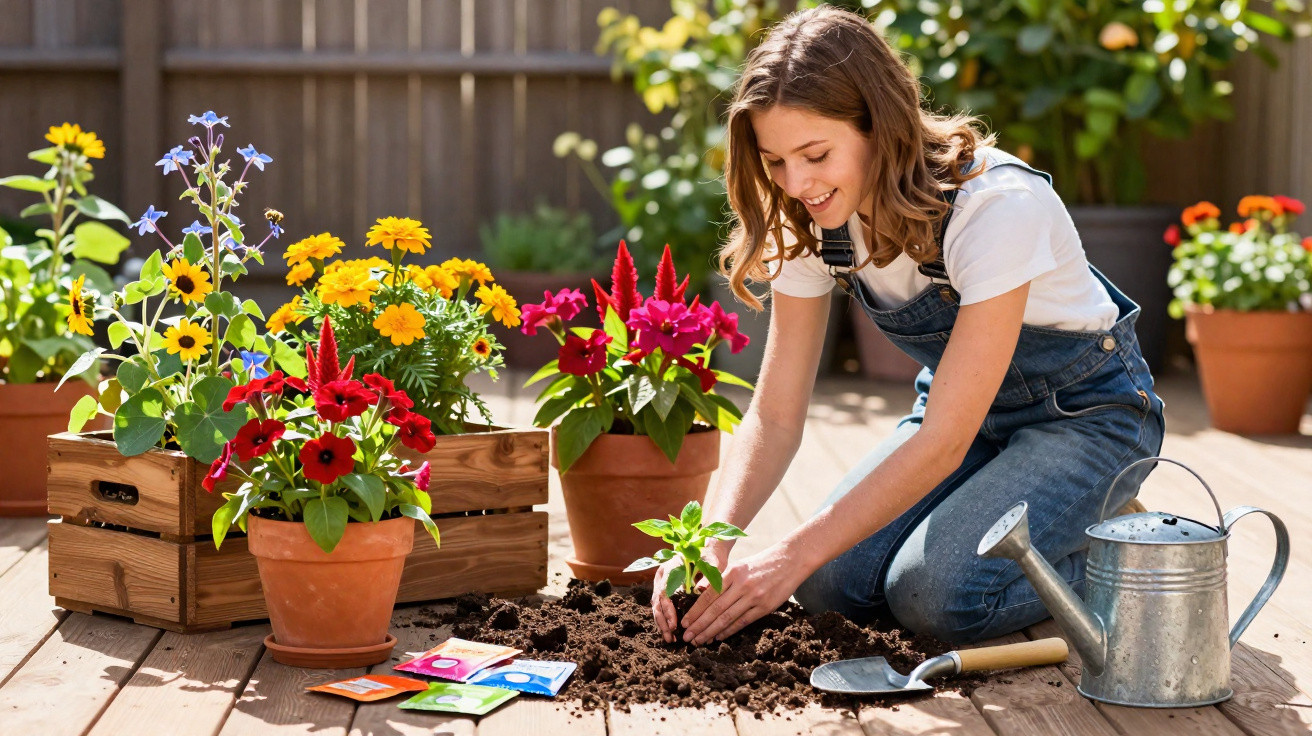
Between the final frosty nights and the first genuinely warm days, many flower beds can look rather bleak. However, with a little forward planning and a few especially fast-growing flowers, your garden can be bursting with colour within just a few weeks – no expert knowledge or costly perennials required, simply seeds and a little patience.
Why now is the ideal time for fast-growing flowers
March and April offer the perfect window for turning an empty bed into a lively, thickly planted haven. Many annual flowering plants take only 45 to 90 days to develop from seed to their first blooms.
With just a few varieties, the right sowing method and a sunny spot, an apparently lifeless garden can be transformed in record time.
The basic requirements are straightforward:
- Frost-free conditions: Sow only once the hardest frosts have passed.
- Plenty of light: A sunny or fully sunlit position will encourage vigorous growth.
- Free-draining soil: Waterlogging slows down root development.
Starting seeds indoors gives you an even greater head start. A warm, bright windowsill or an unheated greenhouse can put you several weeks ahead.
How to sow seeds successfully without gardening qualifications
The process is much the same for many quick-growing flowers. Once you understand the routine, you can use it for almost every variety.
A basic method for successful fast bloomers
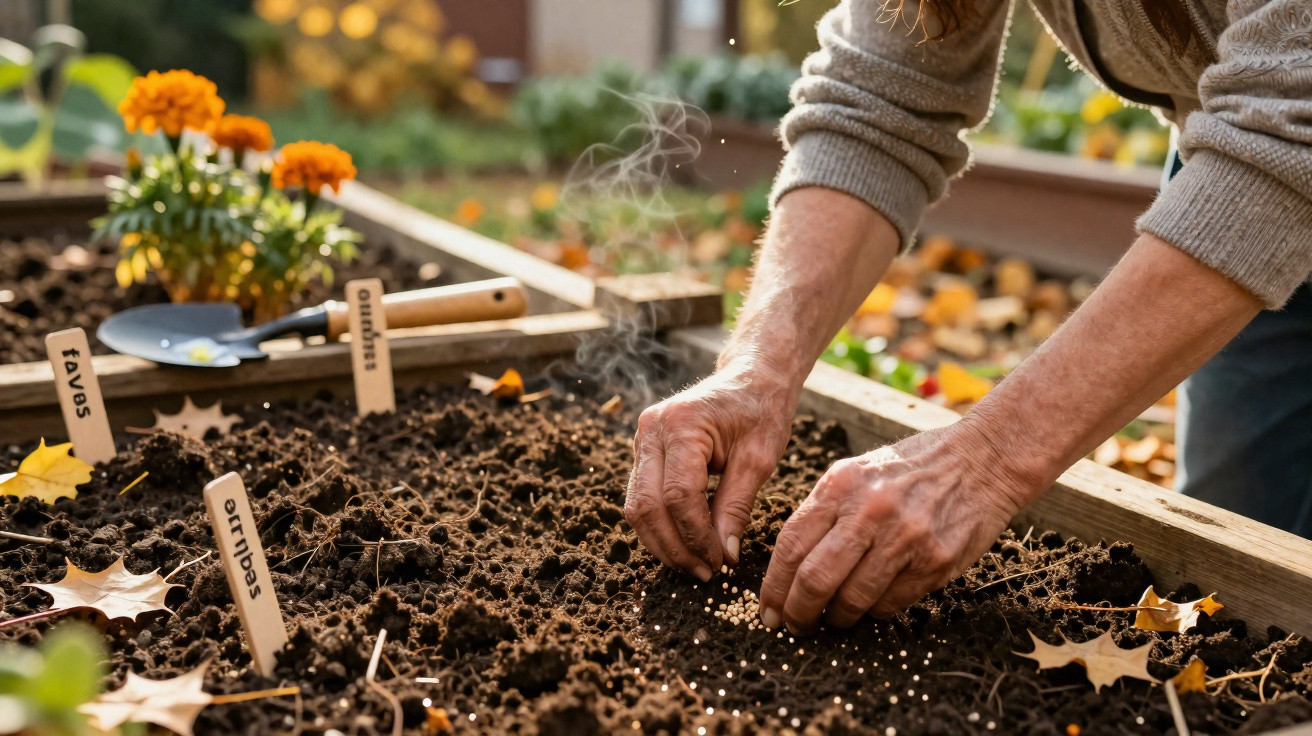
- Loosen the soil and remove large stones and roots.
- Sow sparingly rather than emptying an entire packet into one spot.
- Firm the seeds in gently or cover them with only a light layer of soil, depending on the variety.
- Water carefully, then keep the soil evenly moist.
- Thin out seedlings later so that every plant has enough room.
Flowers sown too closely together will produce weak, spindly stems and very few blooms. Be bold about thinning them early, and you will be rewarded with stronger plants.
The nine fastest flowering stars for beds and containers
The following combination does more than fill bare patches: it creates a complete floral display, ranging from tall, dramatic plants to low, cushion-like flowers.
- Zinnia
- Globe amaranth (Gomphrena)
- French marigold (Tagetes)
- Sunflower
- Borage
- Nasturtium
- Celosia
- Petunia
- Spider flower (Cleome)
Zinnias: bursts of colour for beds and vases
Zinnias can be started in warmth from March or sown straight into the bed from May. They quickly become sturdy plants with striking, usually large flower heads. Tall varieties are excellent cut flowers, while shorter types, including many compact series, create a particularly dense, unified effect in beds and window boxes.
Globe amaranth: long-flowering and heat tolerant
Gomphrena is known for its resilience. Once established, it copes extremely well with heat and drier spells. Its rounded, papery blooms last into autumn and can later be dried, making them ideal for dried arrangements.
French marigolds: easy-care guardians for flower beds
Tagetes grow very quickly, tolerate less-than-perfect soil and bring bright yellow to orange tones into the garden. Smaller forms make low cushions, whereas taller varieties work well in mixed borders. Their distinctive scent deters some pests and makes them a good companion for vegetable beds.
Sunflowers: instant height in the garden
Sunflowers add structure and stand like living posts among the planting. There are options ranging from dwarf types for pots to enormous garden varieties. If space is limited, choose medium-height, bushy plants with plenty of side shoots.
Borage: a pollinator magnet with an extra benefit
Borage grows exceptionally fast and flowers for a long period. Its star-shaped, usually blue blooms attract bees and other pollinators. The herb can also be used sparingly in the kitchen, as an edible garnish or traditionally in cucumber salad.
Nasturtiums: climbers and ground cover in one
Nasturtiums can be sown directly from April. Depending on the variety, they will climb fences and trellises or spill over container edges like a cascade of flowers. Both leaves and blooms are edible, with a mildly peppery flavour that suits salads.
Celosias: glowing flames in the flower bed
Celosias have flower heads resembling flames or velvety plumes. They thrive in warmth and develop intense colour when positioned correctly. They are particularly effective at the front of a bed, where they add structure and a slightly exotic touch.
Petunias: classics for window boxes
Petunias turn window boxes and hanging baskets into dense carpets of flowers. They grow quickly, although they need regular watering and feeding. Removing faded blooms considerably extends the flowering period.
Spider flowers: airy accents at the back of the border
Spider flowers produce long, elegant stems topped with eye-catching blooms that resemble tiny fireworks. They add height while retaining a light, open appearance, making them perfect for creating contrast among more substantial plants.
Creating a dense floral display in record time
For an overall look that feels lush, layering different plant heights and forms is essential. Sowing only one variety will certainly provide colour, but it will offer little depth.
| Height | Suitable plants | Position in the bed |
|---|---|---|
| Tall | Sunflower, spider flower | At the back or in the centre of large beds |
| Medium | Zinnia, borage, celosia | Middle of the bed, larger containers |
| Low | Tagetes, nasturtium, petunia, globe amaranth | Front of the bed, edges, window boxes |
A simple rule is to plant tall sunflowers and spider flowers at the back, followed by zinnias, borage and celosias, with Tagetes, petunias and low-growing nasturtiums right at the front. Globe amaranth can fill any gaps where soil is still visible.
Repeating the same varieties in beds and in pots creates a coordinated look around the house – as though it has all been designed as one.
Common beginner mistakes – and how to avoid them
Many fast-growing flowers forgive minor errors, but a few mistakes can seriously slow the rush of blooms:
- Starting outdoors too early: Seeds may rot in cold, wet soil.
- Waterlogging: Improve heavy soil beforehand with sand or compost.
- Constantly wet compost in pots: Make sure containers have drainage holes, and do not leave saucers permanently full of water.
- Failing to thin seedlings: Plants growing too close together compete for light and nutrients.
- Too few nutrients in containers: Plan regular feeds, especially for petunias.
Practical benefits: flowers, insects and the kitchen
Many of these flowers offer more than visual appeal. Borage, nasturtiums and, in some cases, Tagetes provide edible flowers for the table. Growing these varieties near vegetables also supports pollinators and beneficial insects.
A mix of nectar-rich plants such as borage and zinnias, together with dense flowering cushions of petunias and Tagetes, encourages a steady stream of insect visitors. The more insects moving through the garden, the more stable this small ecosystem becomes – with fewer aphid problems and better pollination of tomatoes, courgettes and more.
These nine fast-growing flowers can create a lively, colourful and useful garden space in a short time. Anyone who has seen a seemingly empty bed overflow within a few weeks will often start planning the following spring while it is still high summer – and keep a packet of zinnia or nasturtium seeds in reserve.

Comments
No comments yet. Be the first to comment!
Leave a Comment