
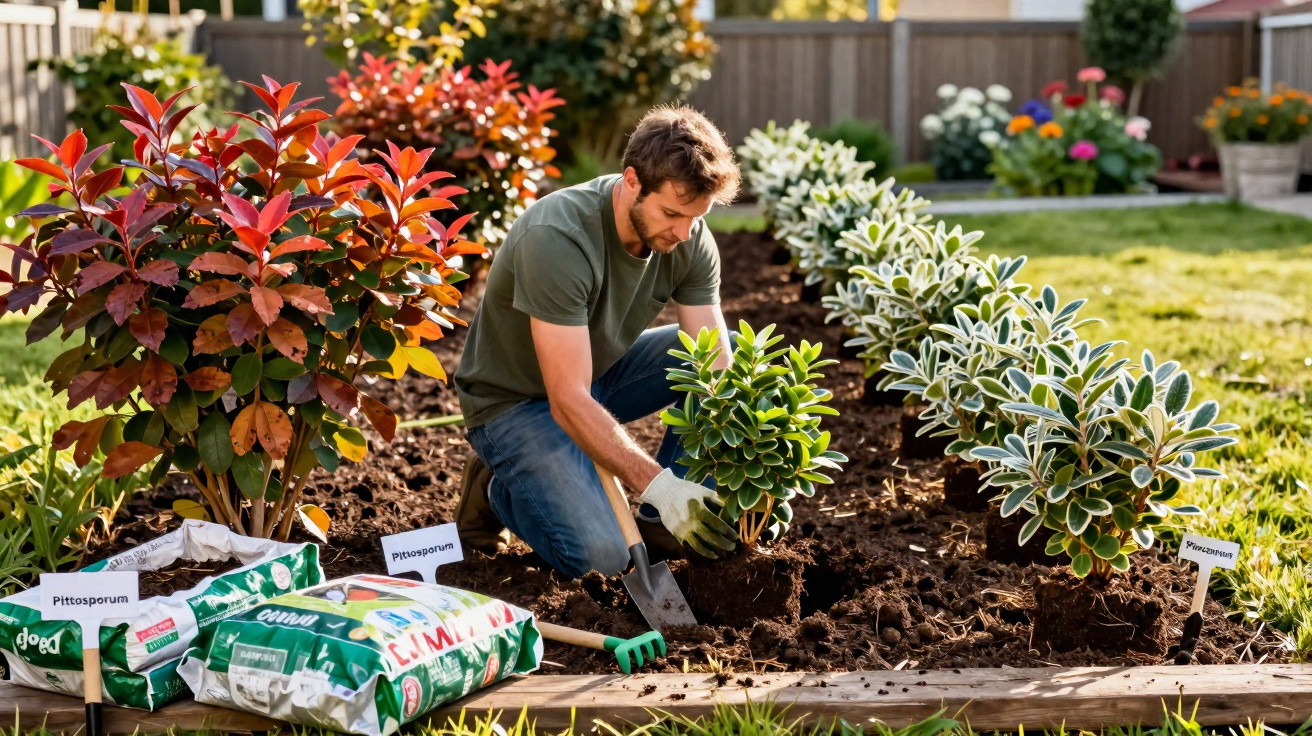
In many gardens, the shine has come off the once hugely popular Photinia hedges. Marked leaves, bare patches and continual leaf drop: the issues are mounting up. Garden professionals are therefore increasingly turning to a colourful replacement shrub that is markedly tougher and needs little attention.
Why Photinia hedges are failing in large numbers
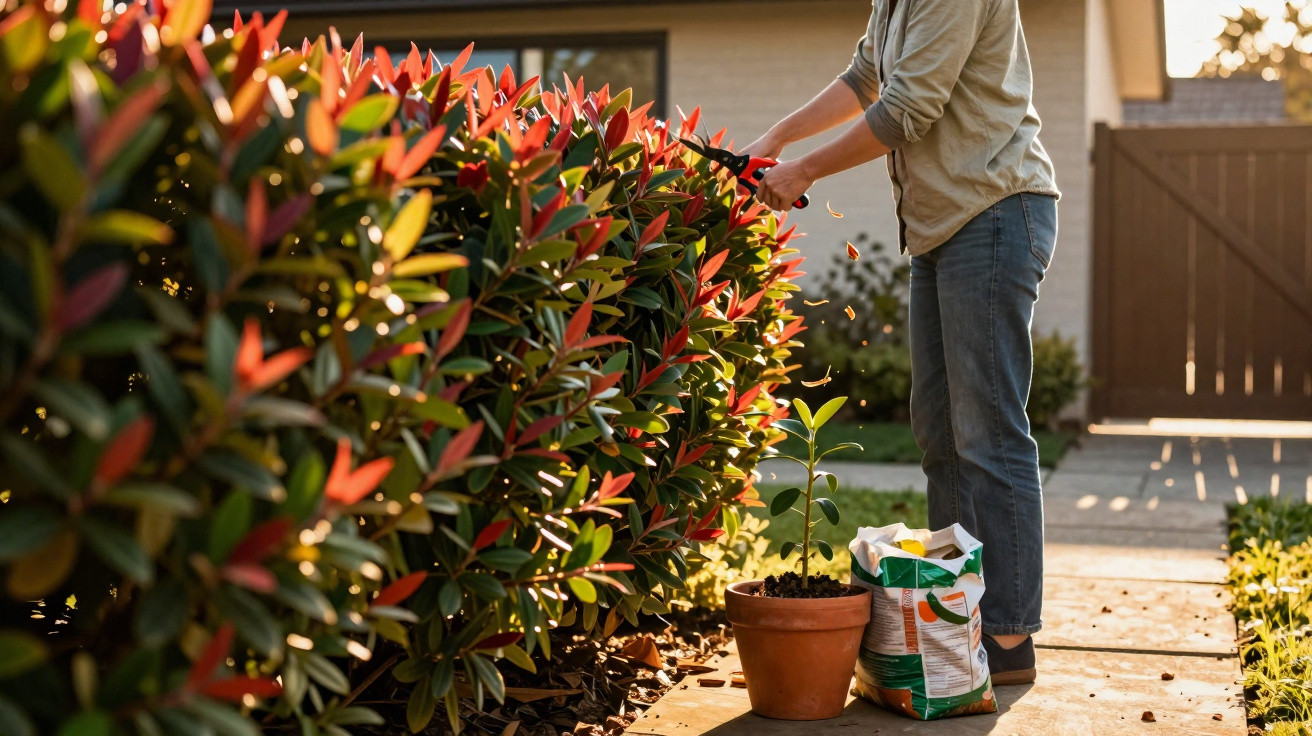
For years, Photinia was the favourite choice on new-build estates: it grows quickly, stays evergreen and produces bright red new shoots in spring. In other words, everything wanted from a fast privacy screen. Recently, however, complaints have become more frequent. Hedges look full of gaps, shed leaves in large quantities and are often half bare by late summer.
The chief culprit is a fungal disease known professionally as Entomosporium leaf spot. At first, it appears as tiny red or brown marks on the foliage. These develop into large, irregular patches; leaves dry out and fall, while the plant becomes weaker year after year.
“A mild winter followed by a wet spring is the ideal climate for fungal infection on Photinia.”
The situation is especially critical where a hedge has been planted very densely. Air cannot move freely, leaves take longer to dry after rain and the fungus can spread easily. Many amateur gardeners also leave infected foliage in the bed. Spores survive there and launch a fresh attack the following year.
Anyone who replants Photinia in the same place without improving the soil or reconsidering plant spacing will generally face the same disappointment again. At this stage, starting afresh with a different species is often worthwhile.
Pittosporum: the easy-going replacement for troublesome Photinia hedges
One shrub is emerging as a favourite among garden designers, despite still being overlooked in many areas: Pittosporum. It has a more contemporary appearance than thuja or cherry laurel, remains evergreen and, depending on the variety, introduces a surprising amount of colour.
Pittosporum is recognised by its dense, glossy foliage. Some varieties are a rich dark green, while others have creamy white or yellow leaf edges; certain forms even appear almost silver. This creates an eye-catching, lively display without flowers, making it ideal for front gardens and patio areas.
Its growth rate is fairly moderate. The hedge fills out steadily rather than shooting upwards within two years. One annual trim is enough to keep its shape under control. Those who prefer a particularly neat result can give it a second cut in late summer.
“Pittosporum forgives pruning mistakes, keeps its foliage dense and does not look offended even after a heavy-handed cut.”
Another benefit is that Pittosporum is considered far less susceptible to the fungal diseases currently affecting Photinia. It copes with urban conditions, handles wind better than many people expect and combines well with other shrubs.
Why a mixed hedge is now the smarter option
Many garden owners still think of a hedge as an uninterrupted wall made from a single species. That works until a disease or pest targets that exact plant. When this happens, the whole planting can collapse. A hedge made up of several shrub species responds much more robustly to such attacks.
Pittosporum is an excellent structural base. Other dependable species can be planted between it:
- Eleagnus (oleaster) – extremely resilient, tolerant of salt and wind, and ideal for urban settings too.
- Cornus sanguinea (common dogwood) – its red winter stems are a real feature and give structure during grey months.
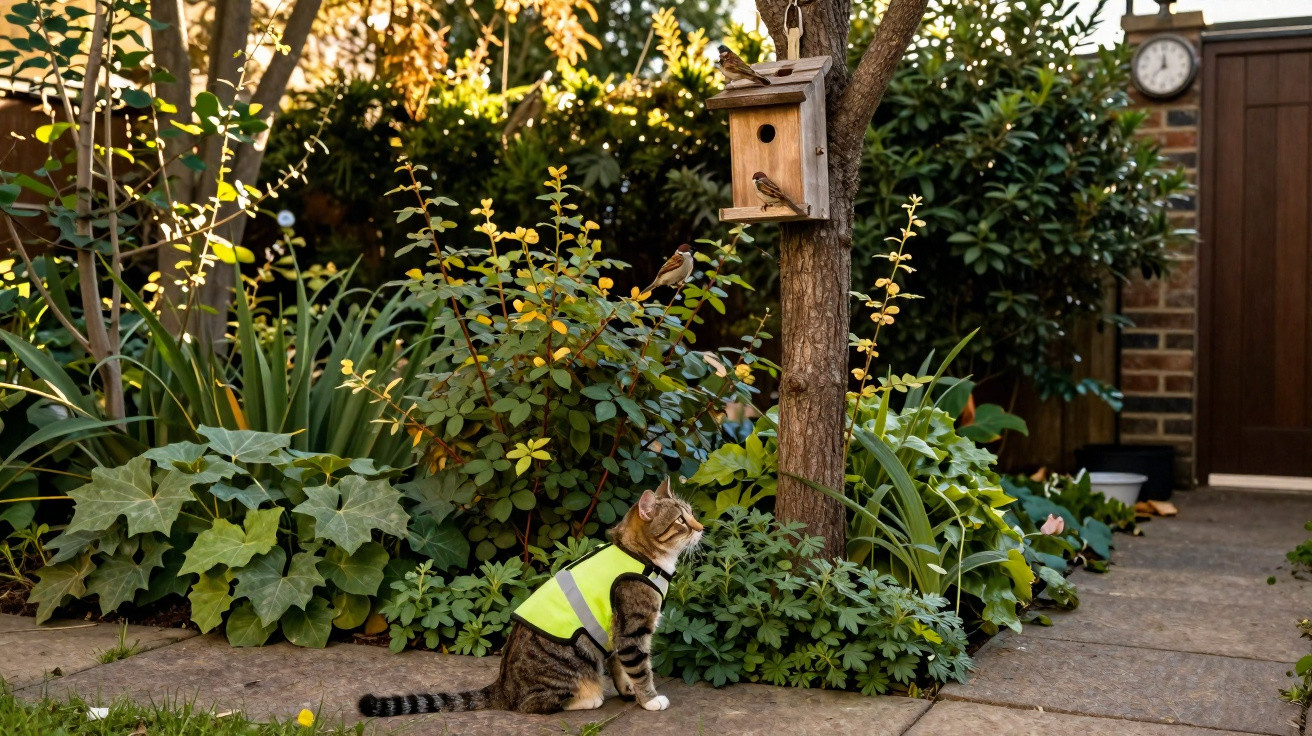
- Hazel shrubs – bring a native character, flowers for early insects and, later, nuts for squirrels and birds.
This type of mix makes a garden more lively. Different flowering periods, varied leaf colours and more food for wildlife create a more natural effect than a monotonous “green wall”, while also protecting against the complete loss of a single species.
Step by step: replacing a weak Photinia hedge
Assessing the existing hedge and preparing the soil
- Inspect the hedge section by section: are only individual plants affected, or does the problem extend across several metres?
- If bare branches, heavily spotted leaves and almost no new growth occur over long stretches, a full replacement is usually the best option.
- Removal: take out all infected shrubs, including their root balls. Do not compost diseased branches and leaves; dispose of them or burn them.
- Loosen the soil and remove old root remains as completely as possible. Identify areas of standing water and break them up with sand or a thin layer of gravel.
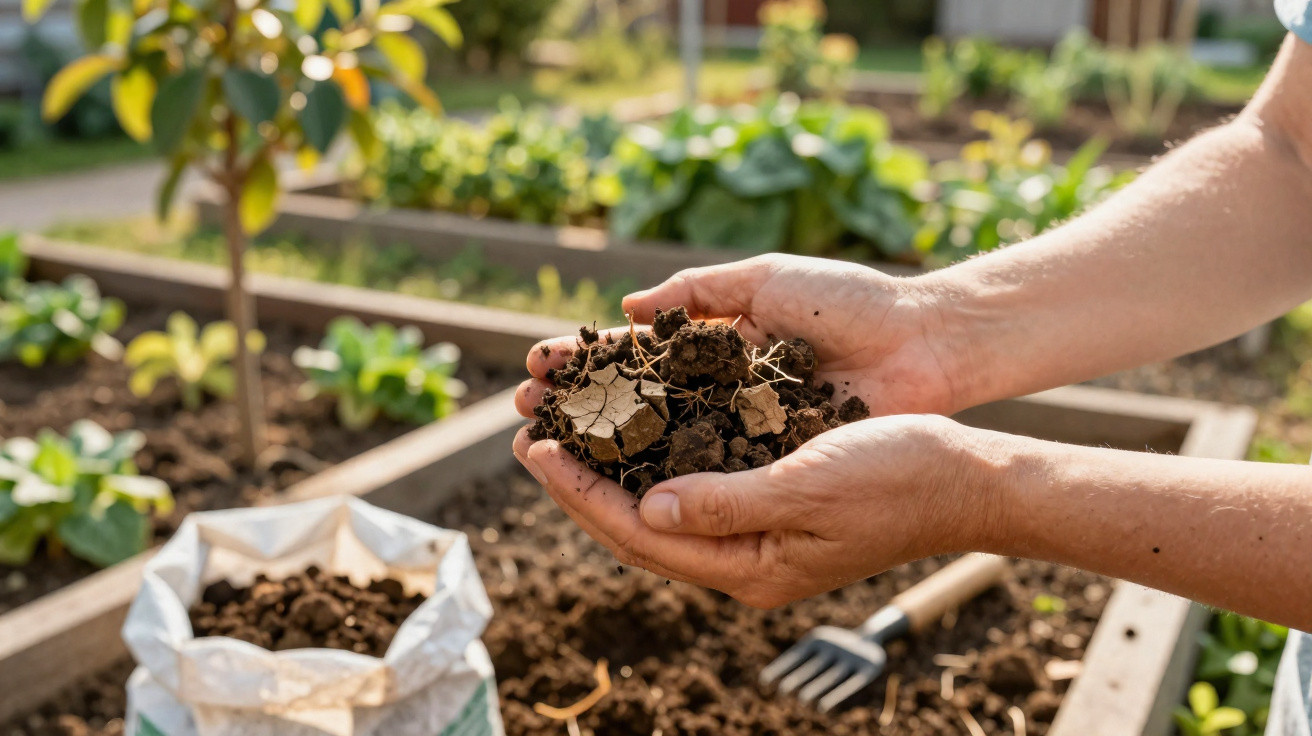
- Work roughly one bucket of well-rotted compost into each planting hole to bring life back to the soil.
Spacing and layout for the new hedge
- Plant Pittosporum 80 to 100 centimetres apart. This keeps the hedge dense while allowing sufficient airflow.
- For a 10-metre hedge made entirely of Pittosporum, 10 to 12 plants will normally be enough.
- For a mixed hedge, you could plan it like this:
- 6 Pittosporum for the main framework
- 2 Eleagnus as hardy “buffers”
- 2 Cornus sanguinea for winter colour accents
- Apply a circle of organic mulch around the plants, such as bark compost or woodchip, to a depth of around five centimetres.
- In exposed locations, give every young shrub a support stake for its first year.
Low maintenance, not no maintenance: keeping Pittosporum in shape
Compared with temperamental Photinia, Pittosporum is reassuringly straightforward. It is not entirely maintenance-free, though. The first year after planting is particularly important, as it determines whether the hedge establishes a strong root system.
During dry spells, give young shrubs about ten litres of water per plant once or twice a week. Once a vigorous root system has formed, their needs fall considerably, especially in deep soils.
A light feed in spring is sufficient: approximately 50 grams of a balanced general fertiliser per linear metre will nourish the shrubs. Those who mulch regularly can usually use less fertiliser, as the soil regenerates naturally.
“A hedge that is cut once a year, mulched and watered moderately will remain healthier in the long term than an overfed problem hedge.”
Common mistakes when changing hedges – and how to avoid them
- Insufficient spacing: Plants are set too close together for fear of gaps. The result is poor ventilation and greater disease pressure.
- Old fungus, new plants: Removing diseased Photinia while leaving infected leaves in the soil quickly brings the problem back.
- Nutrient shock: Applying large quantities of fast-acting fertiliser after planting is more likely to cause stress than a growth spurt.
- Hard pruning at the wrong time: Cutting back severely in high summer weakens plants. Light shaping trims are better at this time.
What amateur gardeners should also know about Pittosporum
Pittosporum originally comes from milder regions and does particularly well in wine-growing climates, urban areas and sheltered positions. In very exposed, colder locations, choose a site protected from wind, such as in front of a house wall or close to a garden wall. The shrub benefits from the extra warmth there.
Choosing the right variety matters greatly: compact forms are suitable for low borders or front gardens, while more vigorous types can form a traditional privacy hedge. For more colour, select variegated varieties with pale leaf margins, which brighten even dull days.
Pittosporum becomes especially interesting when paired with other garden features. Its evergreen foliage looks particularly fresh against grey gabions, while alongside timber patios it creates a Mediterranean feel. The shrub can also be grown in containers on a balcony, provided that the pot is large enough and does not freeze solid in winter.
For many garden owners, saying goodbye to Photinia is initially discouraging. Yet anyone who uses the opportunity to rebuild their hedge with Pittosporum and a few robust companions gains in the long run: less disease pressure, cleaner shapes, more colour and, above all, far less work dealing with emergency interventions for fungal problems.

Comments
No comments yet. Be the first to comment!
Leave a Comment