
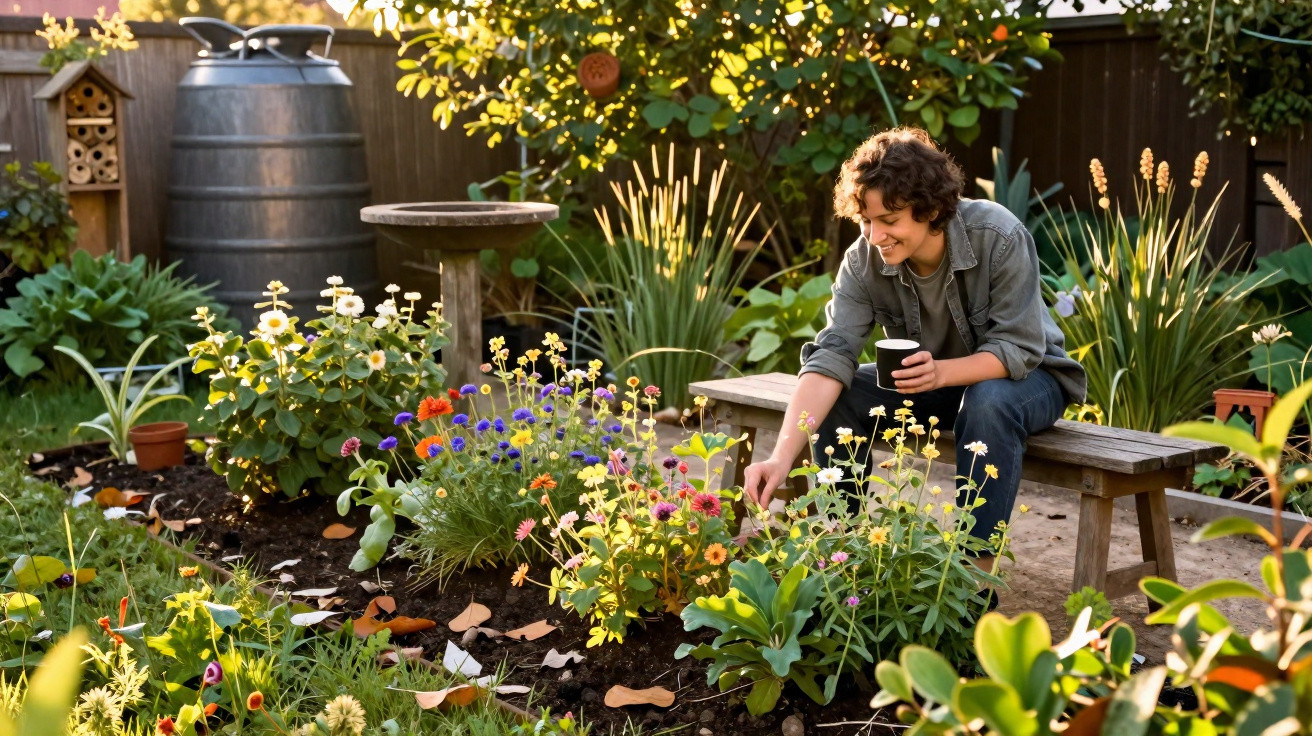
The first clue was the sound. It was not loud, merely unbroken: bees tracing unhurried circles around lavender stems, a blackbird squabbling with something unseen in the hedge, and leaves brushing together despite there being no proper breeze. Standing there with a coffee, I wondered why my little city garden had begun to resemble a busy café at peak time.
Nothing had been immaculately cut back. A dandelion had boldly opened in the centre of the gravel path, while a spider had spun a web across the watering can during the night. The whole place seemed a little beyond my control, as though the garden had decided it no longer needed approval.
Oddly, it felt completely right.
Then the thought arrived: softly, but unmistakably.
When “messy” means your garden is saying “I’m OK”
You may know that curious sensation: a garden does not resemble a magazine photograph, yet you cannot stop looking at it. Everything moves, creating a gentle disorder that never quite becomes still. The lawn is not an immaculate green carpet, and the borders do not follow stiff, precise lines.
But the air is full of life.
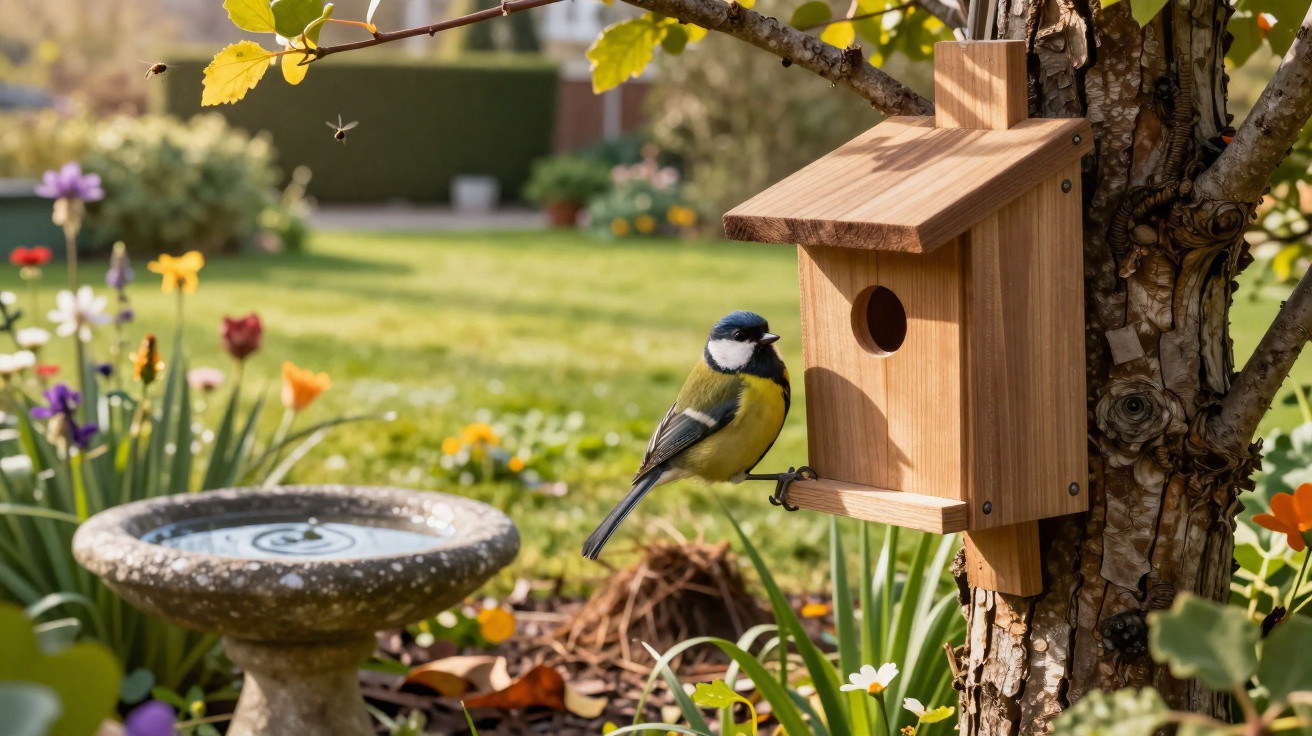
Plants support one another, insects follow unseen routes through the air, and birds flick in and out like unexpected visitors who nevertheless fit right in. That backdrop of buzzing, fluttering and rustling is an early, subtle indication that the system is doing its job. It is not pristine or tightly managed; it is simply functioning.
A reader once told me about her “failed” garden. She had aimed for the traditional style: neatly clipped box spheres, exposed soil around roses and a weekly mow at the lowest setting. It appeared crisp in photographs, but in person it felt unexpectedly lifeless.
One spring, she left for a ten-day business trip and returned to grass up to her ankles, self-sown cosmos and clover throughout the garden. At first, she was alarmed. Then she spotted other changes: butterflies she had never seen there before, children stretched out on the lawn watching beetles, and a robin trailing her every step as she removed a handful of weeds.
The garden had moved away from her rigid design. Yet it had suddenly become more alive than it had ever been.
That sense of “unpredictability” often points to one straightforward reality: your garden has enough diversity to regulate itself. Various plants sustain different insects, predators discreetly prevent pest numbers from soaring, and flowers open in succession so there is always something available to eat.
From a human viewpoint, it may seem haphazard, but ecologically it is often a remarkably orderly calculation. Aphids arrive and ladybirds find a plentiful meal. Snails feast on soft leaves, and blackbirds get breakfast. Clover may “spoil” a flawless lawn, yet it fixes nitrogen in the soil while feeding bees as well.
Your garden is not defying you. It is working out its own peace agreement.
How to support garden balance without losing your mind
When a garden already feels full of life, the aim is not to flatten that vitality through tidiness. Instead, give its wildness a few light boundaries. Begin modestly by choosing one area you will permit to remain “looser” than the rest: longer grass, a mixture of flowers, perhaps a log left to decay gradually.
See what develops there before you alter the entire garden.
You could also arrange planting in layers rather than lines. Position taller shrubs at the rear, perennials in front and groundcover around their bases. Additional layers create more habitats, insects and birds. The border may appear a little entwined, but the life inside it can become impressively stable.
Many of us fall into the mistake of believing that balance means control. We spray as soon as aphids appear, pull out every weed immediately and worry when something chews the cabbages. We have all experienced that moment of seeing holes in rose leaves and feeling as if the garden is passing judgement.
That’s usually the moment to breathe, not to reach for the chemicals.
Allow predators time to discover the feast. Keep a few aphid colonies for ladybirds and hoverflies, and let certain “weeds” flower, particularly the small early blooms that sustain bees during lean months. Genuine balance requires a little flexibility in the system.
Sometimes the most skilled gardeners are the ones who learn when not to intervene.
- Leave small wild patches
A square metre of “let it be” can support more insects than an entire immaculate border. - Mow less, not never
Mow paths and sitting areas, but allow the remaining grass to grow somewhat longer between cuts. - Plant for every season
Spring, summer, autumn and even winter seed heads: wildlife needs food across the whole year. - Avoid sterile plants
Double flowers may look elaborate, but many provide no nectar or pollen whatsoever. - Observe before acting
Monitor a pest issue for a week. You might find predators are quietly resolving it without help.
Let your garden surprise you deliberately
A balanced garden does not feel like a completed painting. It is more like a conversation that continues. On some days, everything works beautifully; on others, a storm topples your favourite delphinium and a slug consumes the final strawberry. You respond, and the garden responds in turn.
The key is to stop pursuing a fixed “end result” and begin noticing recurring patterns instead. Where does water remain after rain? Which flowers hum most loudly at midday? Which corner do birds use as a thoroughfare? Once those hidden traffic routes become visible, your decisions shift. You grow more of what welcomes life and less of what merely occupies a gap.
Let us be honest: no one follows every gardening rule without fail, every day. Gardens that feel magical usually belong to people who quietly tolerate some disorder, trust the process and step in as editors rather than dictators.
You do not require a flawless plan. You need curiosity, patience and the confidence to let your garden become slightly wilder than feels natural. That vibrant, unpredictable hum may not be a warning at all; it may be the sound of everything finding its place.
| Key point | Detail | Value for the reader |
|---|---|---|
| Life equals balance | A varied mix of plants and insects forms a self-regulating system | Less worry about pests and “imperfections” |
| Controlled mess | Permitting wilder areas and using layered planting | More wildlife, greater resilience and increased visual interest |
| Observe before acting | Noticing patterns before intervening | Smarter, lighter work with better long-term results |
FAQ:
- Is a “messy” garden really better for nature? Often, yes. A greater number of plants, flowers and places to shelter means more insects and birds. What looks a little untidy to us can be a five-star hotel for wildlife.
- How do I know if things are actually balanced, not just neglected? Seek variety rather than simply unchecked growth. Look for different insect species, varied bird calls, flowers across many months and no individual pest dominating the whole garden.
- Will my neighbours complain if I let things grow wilder? You can retain distinct edges and paths while allowing borders to become softer. Clear outlines suggest “intentional” rather than “abandoned”. Speak with neighbours if necessary, and show them the wildlife your garden supports.
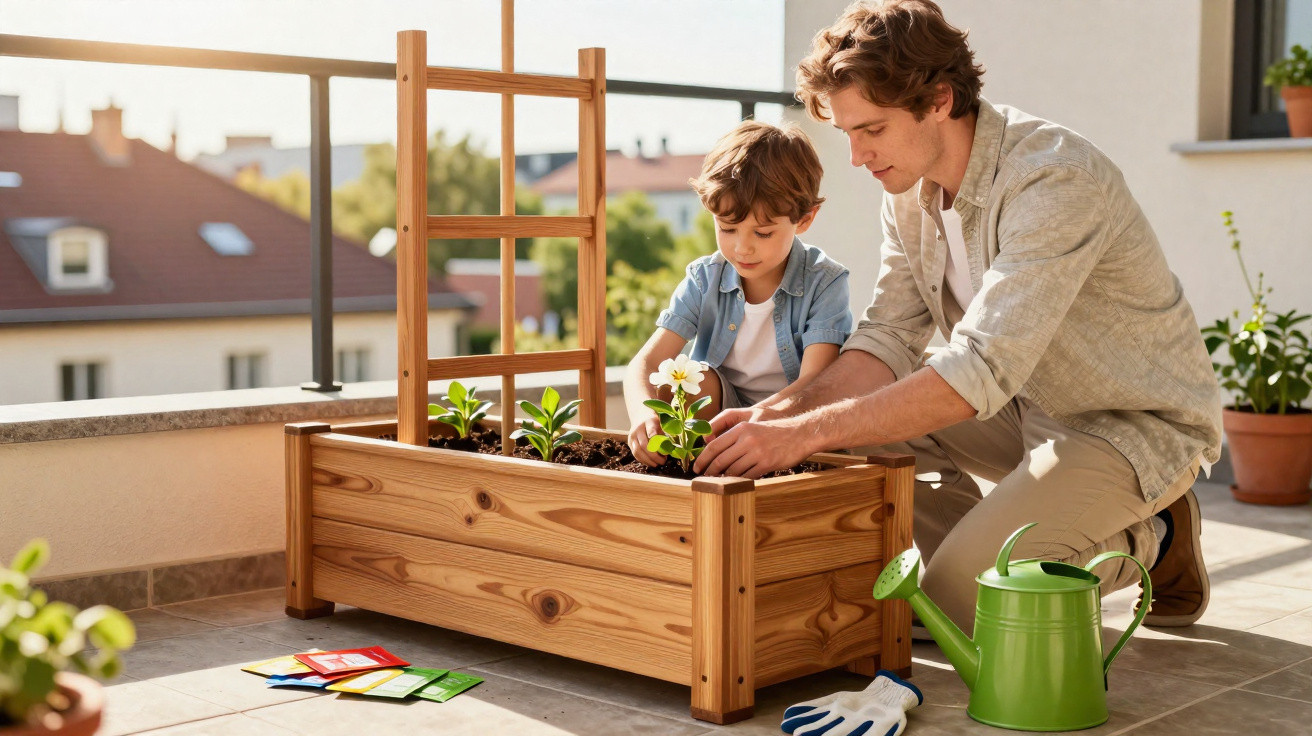
- Can a small urban garden be well balanced too? Absolutely. Even a balcony with varied pots, herbs and a small dish of water can attract pollinators and birds, forming its own small web of life.
- What’s one simple change I can make this week? Choose one spot and stop over-tidying it. Allow a section of lawn to flower, leave some seed heads or plant three nectar-rich flowers. Watch what appears. That is your first view of balance.



Comments
No comments yet. Be the first to comment!
Leave a Comment