
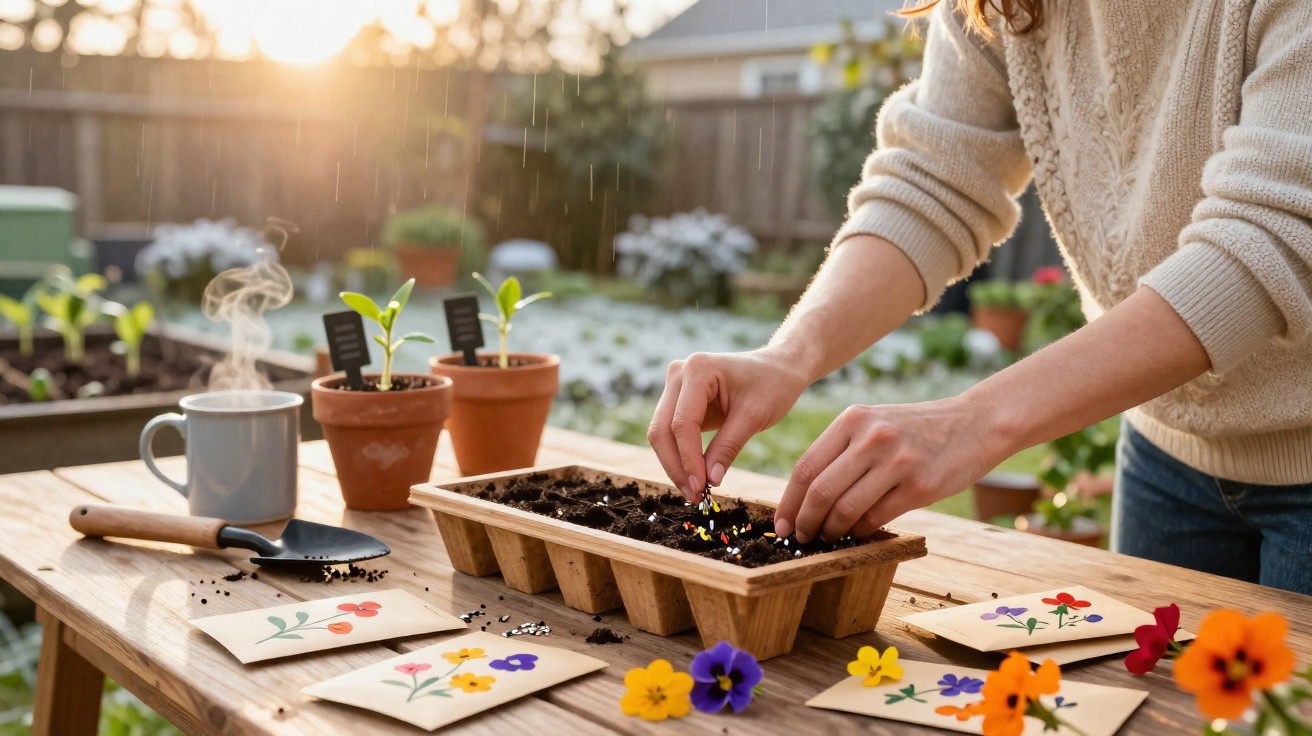
Between drizzle, late frosts and the first rays of sunshine, March brings a surprisingly important choice: which flowers to sow. Choose suitable varieties now and raise them under cover, and from June you can enjoy a blaze of colour that lasts into autumn – without having to work constantly in the borders.
Why March determines your summer garden
As the days grow longer, many amateur gardeners are itching to get started. The garden may still look as though it is stuck in winter, but the season is already beginning beneath the surface. This is the opportunity: flowers sown early establish strong roots and gain a clear head start.
Sowing in March brings the flowering season forward – your summer garden begins earlier and keeps going for longer.
There is one catch: this month remains unpredictable. In many areas, night frosts are still possible until April. That is why experienced gardeners opt to raise plants in a sheltered place:
- on a bright windowsill
- in a simple plastic-covered greenhouse
- in a well-protected, light garage or shed with a window
- in an unheated conservatory
This allows young plants to grow steadily yet sturdily until they can be moved into the borders after the last frosts. With proper planning, they will later fill every gap that would otherwise show bare soil.
Choosing wisely: selecting seed with care
It is a familiar experience: you buy seed packets, sow them carefully and water them – only to end up with a few feeble plants. Often, the issue is not a supposed lack of gardening skill, but simply the seed itself.
For this reason, an increasing number of amateur gardeners look for open-pollinated, seed-saving varieties. Seeds collected from their own plants can be used to grow fresh flowers again the following year. That saves money and reduces reliance on each season's offers at the garden centre.
There is another benefit: plants whose seed is gathered from the same garden year after year gradually adapt to the site. Many observers find that these flowers appear hardier, more resilient and more vigorous.
Anyone keen to share can look for seed swaps in their town or city. Libraries, community gardens and environmental groups often run small “seed libraries”, where you can leave your own seeds and take home new treasures.
The 7 best flowers to sow in March
The following seven varieties can turn even an unremarkable border into a ribbon of flowers that lasts all summer. Each is considered relatively straightforward and well suited to beginners.
Zinnias – vibrant, long-flowering favourites
Zinnias are among the classic choices for abundant summer borders. They introduce bold colours, from bright pink and orange-red to bicoloured blooms. These plants thrive in warmth and full sun.
- Sowing: indoors from March, directly into the border from May
- Position: sunny and sheltered from wind
- Key benefit: ideal for colourful summer bouquets
Remove faded flower heads regularly and the plants will reward you with a continual supply of new buds.
Sweet peas – fragrant climbers for fences and balconies
Annual sweet peas create a summery atmosphere through both their appearance and their scent. Their delicate pink, violet or white flowers climb trellis, fences and balcony railings.
Sowing a few seeds in pots in March and raising them indoors produces lush climbing plants later on. One point is crucial: their roots are sensitive. It is best to sow them in individual pots, then plant them carefully with the entire root ball intact.
Nasturtiums – attractive, low-maintenance and edible
Nasturtiums are the all-rounders of the summer garden. Depending on the variety, they grow as ground cover or climb along fences. Their vivid yellow, orange and red flowers bring life to both the border and the kitchen.
Flowers and young leaves have a gently peppery flavour and are perfect in summer salads or on a slice of buttered bread.
They can be sown successfully in pots or straight into the border. In cooler areas, it is worth starting them indoors so that the plants are already growing strongly by June.
Wallflowers (sweet alyssum and related plants) – old-fashioned garden charm
Strongly scented plants are currently enjoying a revival. Varieties within the traditional wallflower group evoke historic cottage gardens with their fragrance. They work beautifully along patio edges and paths, or in mixed perennial borders.
Sow them in March for compact plants with richly coloured blooms and a pleasing scent – ideal for those brief evenings spent sitting in the garden.
Coreopsis – patches of sunshine for the border
Coreopsis, often known as tickseed, adds glowing accents with yellow to orange flowers. The plants produce many blooms and resemble little points of sunshine among the planting.
- Sowing: indoors in March, outdoors from May
- Especially suitable for: border edges and naturalistic planting schemes
Leaving the seed heads in place provides birds with an additional food source in late summer.
Nigella (love-in-a-mist) – delicate and romantic
With its finely divided foliage and gently dreamy blooms, nigella looks as though it belongs in a nostalgic gardening book. As well as looking lovely in borders, it produces decorative seed pods for dried arrangements.
Sowing is simple: scatter the fine seed in trays during March or, in mild areas, directly in the border, press it down only lightly – and that is all there is to it.
Papaver (poppies) – a wildflower meadow in no time
A patch of flowering poppies instantly gives a garden the appearance of a small wildflower meadow. Individual delicate blooms may last only a few days, but a steady succession of buds keeps bringing fresh flashes of colour.
Many poppy species self-seed – allowing this to happen brings new surprises to the border every year.
In cold areas, raising plants first in pots gives them a head start. In sheltered, milder locations, direct sowing from March or April is often sufficient.
How to grow sturdy young plants from seed
For March sowing to be genuinely successful, a few essentials matter more than expensive equipment:
- Loose growing medium: Special seed compost or a blend of potting compost and sand enables the fine roots to develop well.
- Light, but no intense heat: Bright windowsills are ideal. Seedlings can scorch in sunshine directly behind south-facing windows.
- Water moderately: The compost should remain damp but not wet. Waterlogging quickly causes fungal problems.
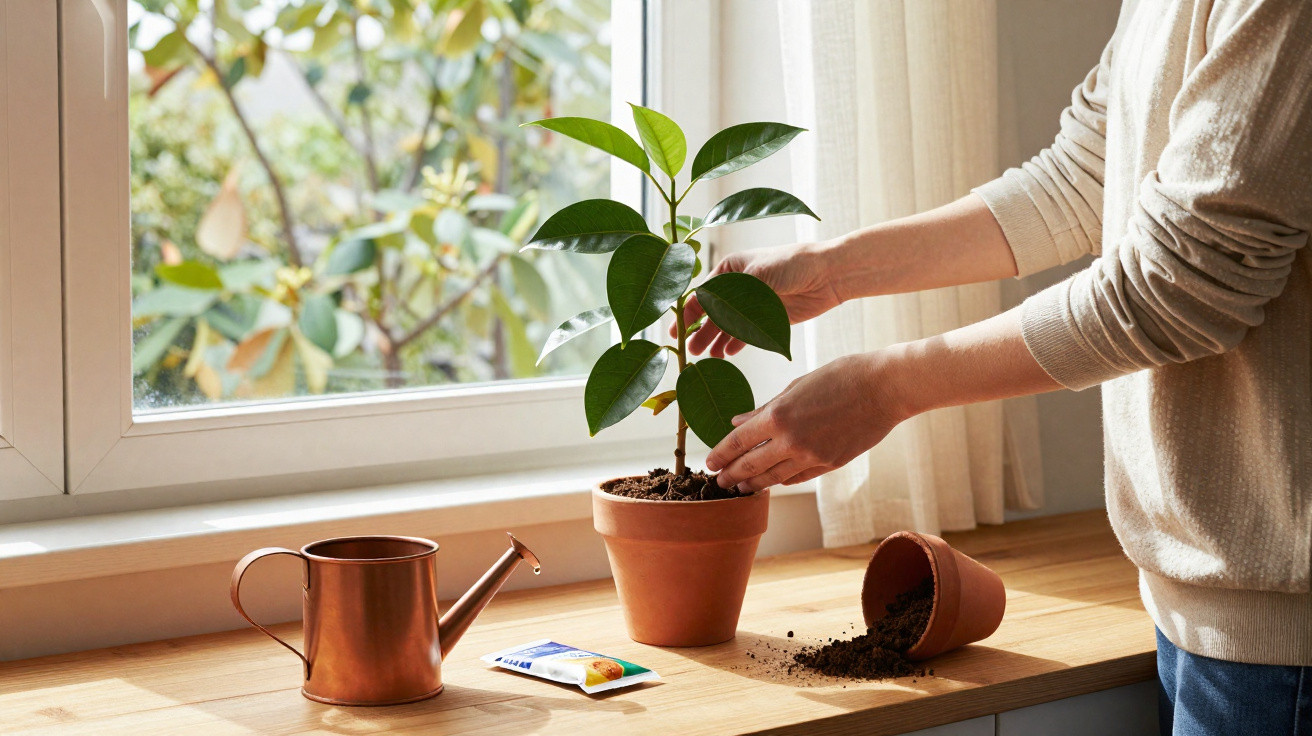
- Prick out seedlings: Once plants have developed several leaves, move them into individual pots. This encourages strong, separate plants.
After the final frosts, it is time to harden them off. Put the young plants outside for a few hours at a time during the day, initially in a spot protected from wind. This helps them become accustomed to sunshine and fluctuating temperatures.
What these flowers also do in the border
Beyond their appearance, many of these species offer additional advantages:
- Nasturtiums attract aphids, helping to keep them away from more sensitive vegetables.
- Floriferous varieties such as zinnias and coreopsis are genuine insect magnets and support wild bees.
- Self-seeding species such as poppies and nigella provide new plants each year with no extra effort.
Combined thoughtfully, they do more than fill borders with colour: they create a small ecosystem. Tall zinnias, climbing sweet peas and ground-covering nasturtiums form lively layers that also cope better with dry spells.
It is practical to view the seed for these seven flowers as a personal “basic package”. A few packets in March are enough to plant window boxes, containers and several borders. What starts as an initially unremarkable selection becomes a summer garden that looks as though it was designed by a professional – even though it all began with a few modest seeds in the still-cool March weather.


Comments
No comments yet. Be the first to comment!
Leave a Comment