
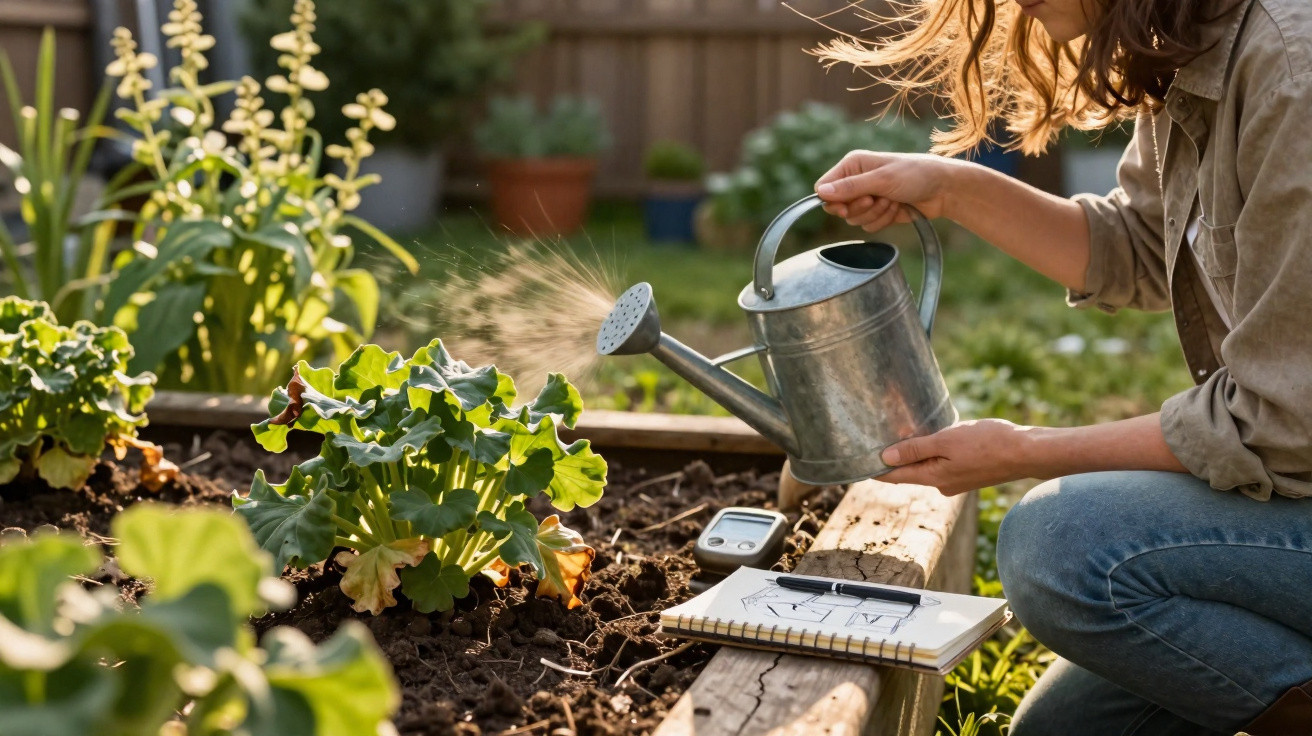
The first time I properly noticed it was on a Tuesday afternoon during one of those deceptively sunny spring days. The sky was clear and the light looked ideal, yet the wind had a real bite to it. I went into the garden feeling rather pleased with myself because I had watered everything the previous day and assumed the plants were sorted. By midday, though, the tomato leaves had begun to curl, the basil looked thoroughly unhappy, and the lettuce had taken on that familiar dull, thirsty appearance.
I checked beneath the mulch and found that the soil surface was already dry, almost powdery. The sunshine had not changed, and neither had the temperature. There was only one difference.
The air had not stopped moving.
That was when I understood it: in my garden, the wind was using up water faster than the sun.
When wind becomes a thief of plant water
I once assumed that intense sunshine was the main threat to plant hydration: the fierce, overhead light of a summer day at noon. If I looked at the weather app, saw a cloud symbol and relaxed, I thought I was being sensible. Then a run of windy days quietly proved that logic wrong.
The sky appeared mild, almost welcoming, but the wind kept coming. Suddenly, my watering can seemed inadequate, as though I were trying to fill a bucket with a hole in it.
One morning, I decided to test what I suspected. I watered deeply, as gardening guides always advise, then left an inexpensive moisture meter in the soil beside my pepper plants. It was a mild day, but gusty throughout.
By late afternoon, the meter had already moved into the “dry” range. Meanwhile, the bed in a more sheltered corner - with the same sunlight but hardly any wind - still showed “moist”. It was the same garden and the same sun, but completely different wind exposure. Compared with the exposed plants, the sheltered ones looked almost self-satisfied.
That little test sent me down a slightly obsessive path of reading about evaporation and transpiration. It turns out that wind behaves rather like a vacuum for moisture. It removes the thin layer of humid air that normally sits around leaves and over the soil, making water escape more quickly.
Sunshine certainly warms everything up, but wind intensifies the loss. It does not only dry out the soil; it also draws water from the leaves themselves. Plants therefore lose moisture from both directions at once. No wonder they looked so offended.
Changing how, where and when I water
Once I recognised that wind was the real bully, I adjusted my routine. Instead of checking the temperature alone, I began paying attention to wind speed as well. When breezy weather is forecast, I water earlier and more deeply, allowing the soil to absorb moisture gradually before the gusts get to work.
I also started placing vulnerable plants, including lettuce, basil and young seedlings, behind low screens, close to walls or beside taller plants. A sunflower can make a surprisingly effective windbreak for a timid little pepper plant.
I used to spray everything from above with the hose, feeling productive for perhaps five minutes. Then I noticed that the wind was catching the droplets in mid-air and blowing them away from the beds. About a third of that water was not reaching anywhere useful.
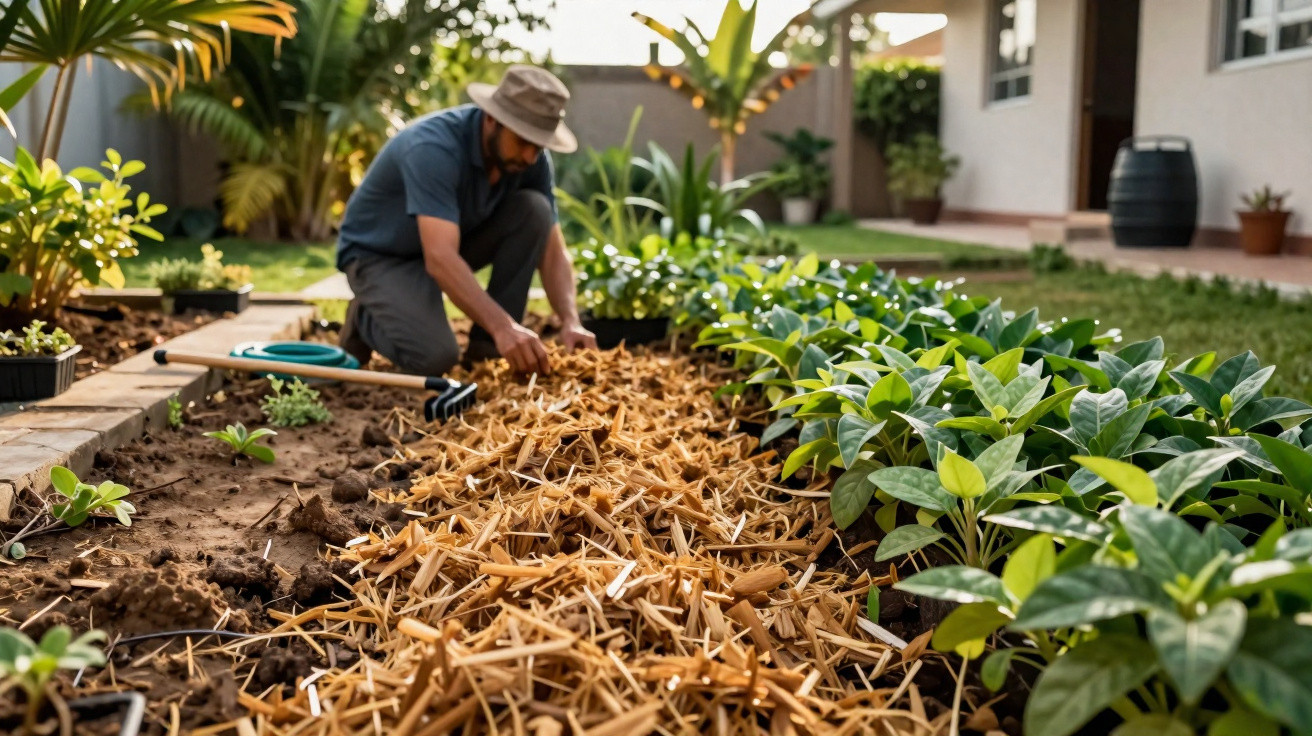
Now I water low down and close to the ground, aiming directly at the base of each plant with gentler pressure. I have become more committed to mulching too, using a 5–7 cm layer of straw, wood chips or even shredded leaves. Mulch keeps the soil cooler in sunshine and reduces its exposure to moisture-stealing air currents. Let’s be honest: nobody manages this without fail every day. But doing it most of the time makes a real difference.
There is an emotional side to gardening as well: that quiet frustration of doing “everything right” and still watching plants wilt. We have all experienced it, staring at drooping tomatoes and wondering which invisible rule we have broken.
Understanding that wind was part of the equation felt oddly reassuring. It was not poor soil, poor plants or poor gardening instincts. It was simply physics moving through the air.
Listening to what wind-stressed plants are telling you
The more closely I watched during windy conditions, the clearer the pattern became. Lettuce was always the first to object, its leaves turning limp while the soil still appeared almost normal. The beans would then angle their leaves away from the gusts. Tomatoes held on for a little longer, but once they began to droop, I knew the bed was losing the fight.
So I started using my fingers rather than relying on my eyes. If the top couple of centimetres felt dry after only a few windy hours, I knew I needed to reconsider my whole idea of “one good watering”.
Many of us fall into the same trap: treating sunshine as the main signal. Bright day? Water more. Cloudy day? Take it easy. Windy day? Just irritating weather for your hair. Yet wind dehydrates quietly. Soil may still look dark after a morning watering, even while its upper layer is beginning to form a dry crust.
I also learnt not to water during the hottest and windiest part of the day. Wind, light and water sitting on the surface combine to create a rapidly evaporating display. Watering in the early morning or evening, when the air is calmer, gives plants a proper chance to take up moisture rather than losing it to the sky.
After a few weeks, I settled on one simple rule for windy days in my garden:
“If the wind makes your shirt flap, it’s already changing how your plants drink.”
That changed the way I organise my gardening time:
- Check wind forecasts as well as temperature and sunshine symbols.
- Water earlier and more deeply when steady or strong wind is expected.
- Give delicate plants protection with low barriers, crates or taller neighbours.
- Treat mulch as a shield against both wind and sunshine.
- Test the soil with your fingers instead of judging it by appearance or habit alone.
This modest change in perspective made the garden feel less like a permanent emergency and more like a system I could genuinely understand.
Letting the garden teach you, gust by gust
Once you begin observing the wind, you notice the garden in a different way. You see which corners take the full force of gusts and which remain strangely still. You spot one row of beans struggling while another, behind a low fence, flourishes. You realise that a plant said to “dislike full sun” may actually dislike full wind.
The garden stops being a flat space and becomes a landscape of microclimates, all shaped by moving air.
The amusing thing is that wind is not entirely harmful. It strengthens stems, improves air circulation to help keep fungal diseases at bay, and cools plants during heatwaves. The difficulty begins when we water as though sunshine is the only factor, then blame ourselves when leaves sag on a bright but blustery day.
Perhaps that is the real change: stop treating watering as a fixed task and start seeing it as a conversation with the weather. Some days, your plants will need water not because the sun is strong, but because the wind won’t shut up.
You do not need expensive equipment to spot it. You only need to pay attention: press a fingertip into the soil, watch how the leaves move and check the forecast for “wind” rather than only “sunny or cloudy”.
Once you see wind as a player in plant hydration, you can’t unsee it. Quietly, your garden begins to look less worn out and more alive.
| Key point | Detail | Value for the reader |
|---|---|---|
| Wind speeds up water loss | It removes moisture from soil and leaves, including on mild or cloudy days | Helps explain “mystery” wilting during cool, breezy weather |
| Adapt watering to wind | Water earlier, more deeply and closer to the soil on windy days | Reduces plant stress and saves water |
| Create simple wind protection | Use walls, fences, taller plants or low barriers as windbreaks | Keeps vulnerable plants hydrated for longer and more stable |
FAQ:
- Does wind really dry soil faster than sun? On its own, sun warms soil and plants, but wind magnifies the effect by continuously removing the humid layer of air at the surface. Water therefore escapes faster from both the soil and the leaves.
- Should I water more on windy days? You will not always need more water overall, but you do need better timing: water deeply in the early morning or evening, while paying extra attention to exposed areas.
- How can I protect potted plants from wind? Group pots together, place them against a wall or fence, choose heavier containers, and add a layer of mulch to slow evaporation and keep roots cool.
- Is wind ever good for plants? Yes. A gentle breeze strengthens stems and improves air circulation, which can reduce fungal diseases. The issue is strong, dry or continuous wind that causes moisture loss faster than plants can replace it.
- What signs show my plants are wind-stressed, not sunburned? Watch for curling or drooping leaves on cooler days, dry soil only in exposed sections, and plants near windbreaks that remain noticeably happier than those in open positions.




Comments
No comments yet. Be the first to comment!
Leave a Comment