
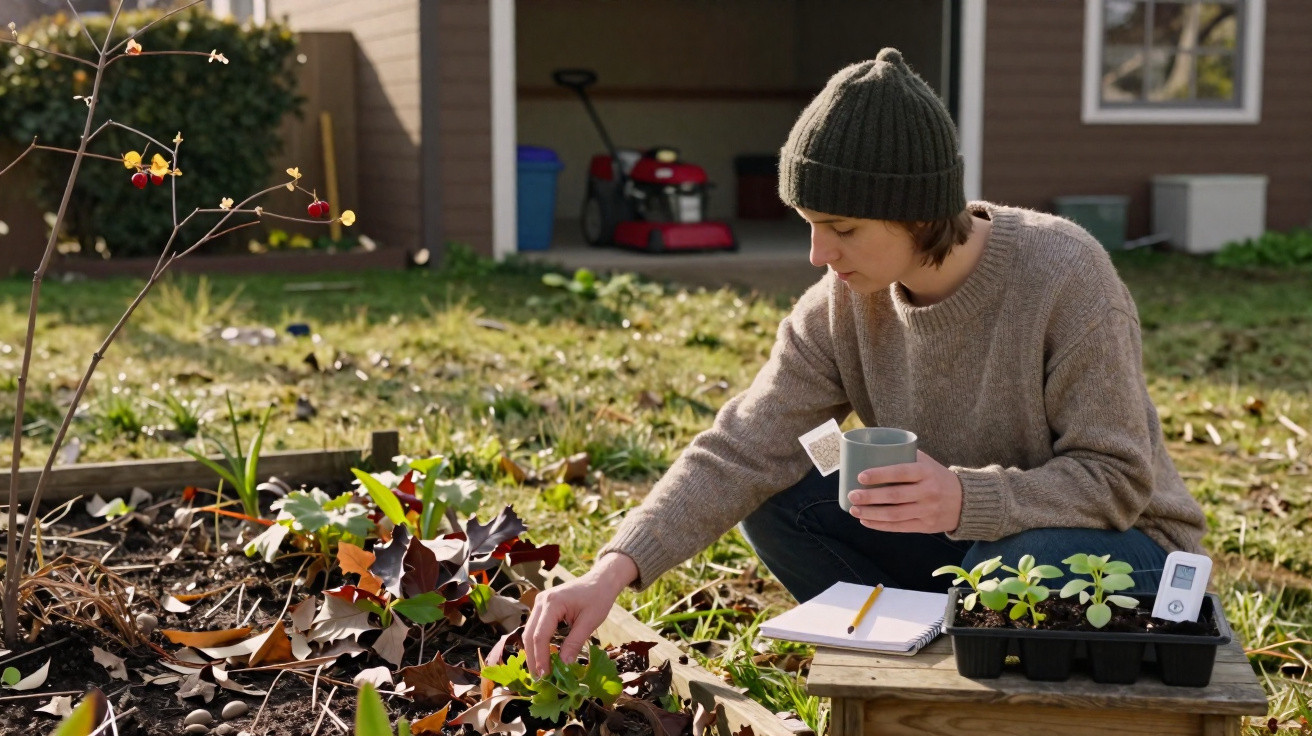
The first mild day after winter can feel like an invitation to tackle a major spring clear-up in the garden. Many people immediately reach for the rake, lawnmower and hedge trimmer. Yet that can cause problems: plants are still weakened, animals may be in the middle of hibernation, and the law imposes clear restrictions. In many cases, holding back now benefits your garden more than overenthusiastic action.
Why you should slow down your garden plans in March
March is a month of transition. While daytime temperatures become noticeably milder, nights can still drop back towards freezing. Soil, plants and wildlife are caught in between: winter has not quite ended, but spring conditions are far from stable.
"Starting too early in March can harm beneficial wildlife, weaken plants and potentially breach nature conservation law."
Rather than trying to get everything into shape, take a close look first: what still needs undisturbed rest, what could put wildlife at risk, and what is legally off limits? The following five points should be at the top of your hands-off list.
1. Fallen leaves and dead plants: apparent mess, essential protection
Many amateur gardeners want neat beds and tidy lawns as quickly as possible in spring. From an ecological perspective, the opposite approach makes more sense. Leaves, faded stems and small branches provide valuable shelter and food for countless animal species.
The Nature and Biodiversity Conservation Union advises leaving leaf litter and plant debris from autumn and winter in place until around April. There are several reasons for this:
- Insects, spiders and other small creatures overwinter in deep layers of leaves.
- Birds collect dry stems and twigs to use as nesting material.
- As the layer decomposes, it improves the soil and supports biodiversity.
Only intervene where it is genuinely necessary. Clearly mouldy or fungus-infected plant material should be removed to prevent diseases from spreading. Everything else can remain where it is, even if it looks a little untidy.
"A garden that appears ‘untidy’ can save insects’ lives and strengthen the entire ecosystem."
If you wish, pile leaves and stems into a small Benjes hedge or deadwood heap. This creates a structured refuge for hedgehogs, beetles, amphibians and many other garden inhabitants.
2. Lawn mowing in March: leave the mower in the garage for now
It is an easy trap to fall into: the lawn is turning a rich green again and some blades already look quite long. Even so, it is generally too early to start the mower. Grass roots remain weak after winter, while the ground is often wet and vulnerable.
Mowing now also compacts damp soil. This creates compaction that damages the roots. The turf then recovers far more slowly, while moss and weeds can establish themselves easily.
These broad guidelines apply to the first lawn cut:
- The grass is around five to seven centimetres tall.
- The ground is visibly dry rather than slick or muddy.
- Daytime temperatures remain consistently at roughly 7 to 10 degrees, without frequent overnight frosts.
Many specialists recommend starting from mid-March to early April, depending on the region. In higher areas or shaded gardens, it may need to be later still.
How to use the waiting period productively
If you do not want to be inactive, you can support the lawn gently without cutting it:
- Carefully remove branches and substantial winter debris from the surface.
- Avoid walking on wet patches until they have dried out.
- Service the lawnmower, sharpen the blade and check the petrol, so everything runs smoothly in April.
3. Do not cultivate beds deeply or sow outdoors yet
Patience is also needed in flower and vegetable beds. Many amateur gardeners want to work the soil with a hoe and scatter their first seeds as early as March. It may sound like useful preparation, but for many areas it is simply too soon.
Deep soil cultivation can create several problems:
- Fine roots from perennials and woody plants can easily tear.
- Beneficial creatures resting in the upper soil layers may be disturbed or injured.
- Open soil pores make it easier for fungi and pests to enter.
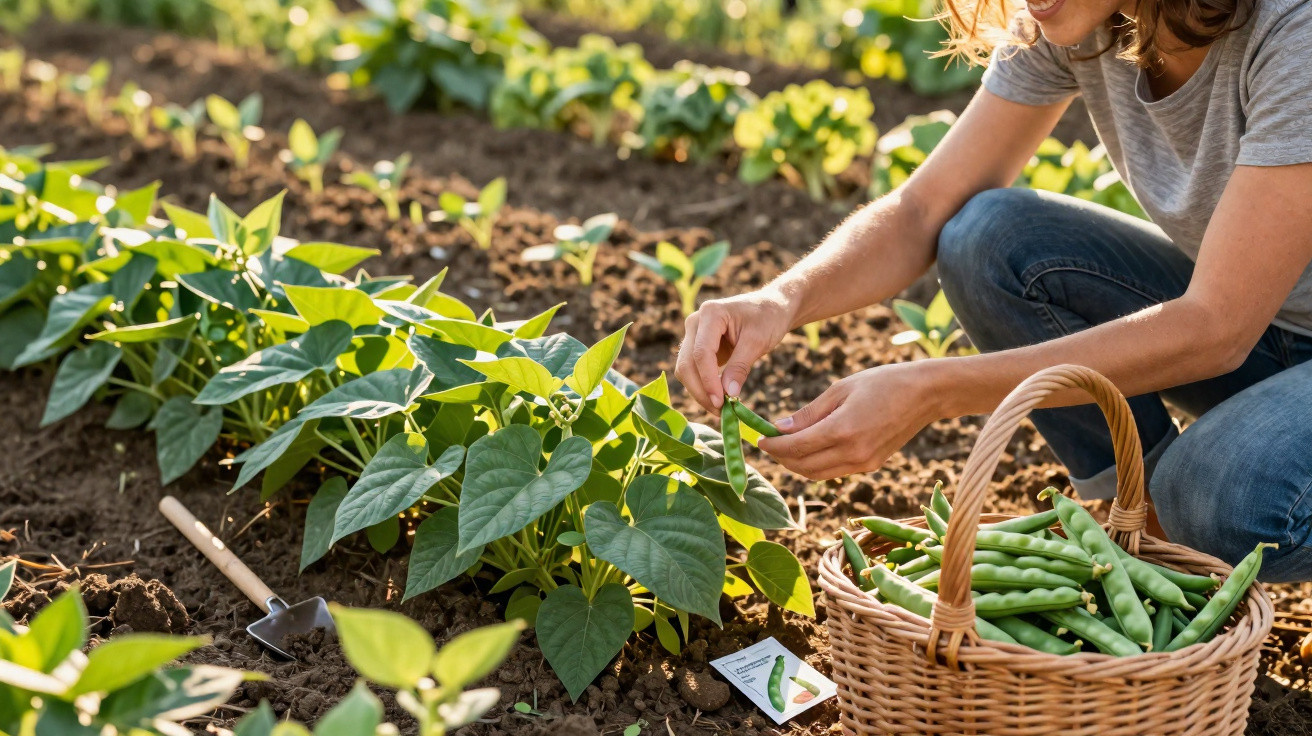
If you still want to do something, loosen only the very top layer with a rake, without digging over or working deeply into the soil. It is better to start frost-sensitive seeds indoors or in a greenhouse in March. Cold weather and late frosts can quickly destroy seedlings outside.
Which seeds can be sown successfully in March
Some hardy vegetables cope better with cold conditions, including:
- Spinach
- Lamb's lettuce
- Winter peas
- Early carrot varieties
Even with these crops, it is worth checking local conditions. In exposed areas, seeds can remain in cold soil for longer and germinate unevenly. Using a cold frame or a simple horticultural fleece can make the start much more reliable.
4. Feeding and new planting: late frost remains a risk
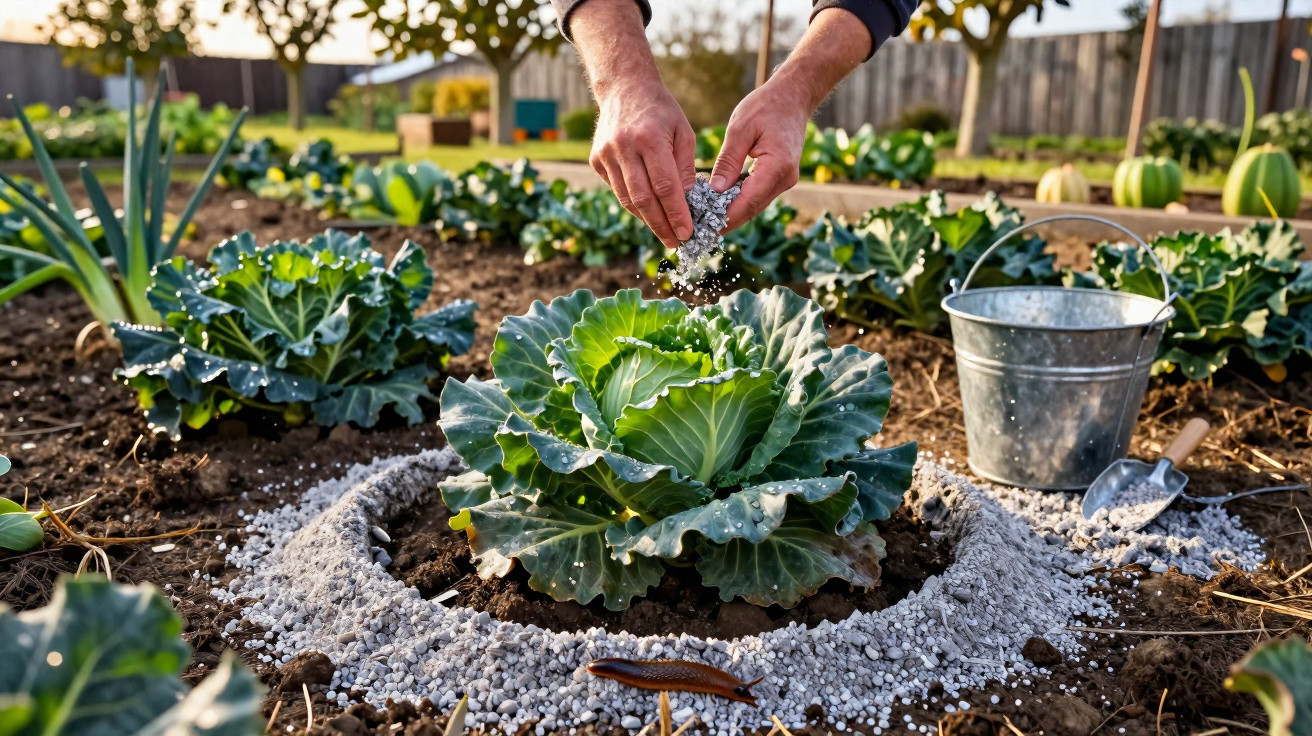
Mild March weather can encourage you to give the garden an energetic boost. Fertiliser, new shrubs and fresh perennials may all seem ready to grow and flower quickly. However, this can put plants under strain.
Fertiliser stimulates growth. If temperatures then fall below zero overnight, young and soft shoots are especially likely to be damaged by frost. The same applies to newly planted specimens: their roots must first establish themselves in the soil before they can cope with cold spells and dry periods.
"More intensive feeding and planting are only worthwhile once the ground is genuinely frost-free."
Depending on the region, this may not happen until the middle or end of March, and it can take longer in cooler places. If you do not want to wait, choose sheltered spots near a house wall or garden wall, where warmth is retained more effectively.
A gentler start: mulch instead of complete fertiliser
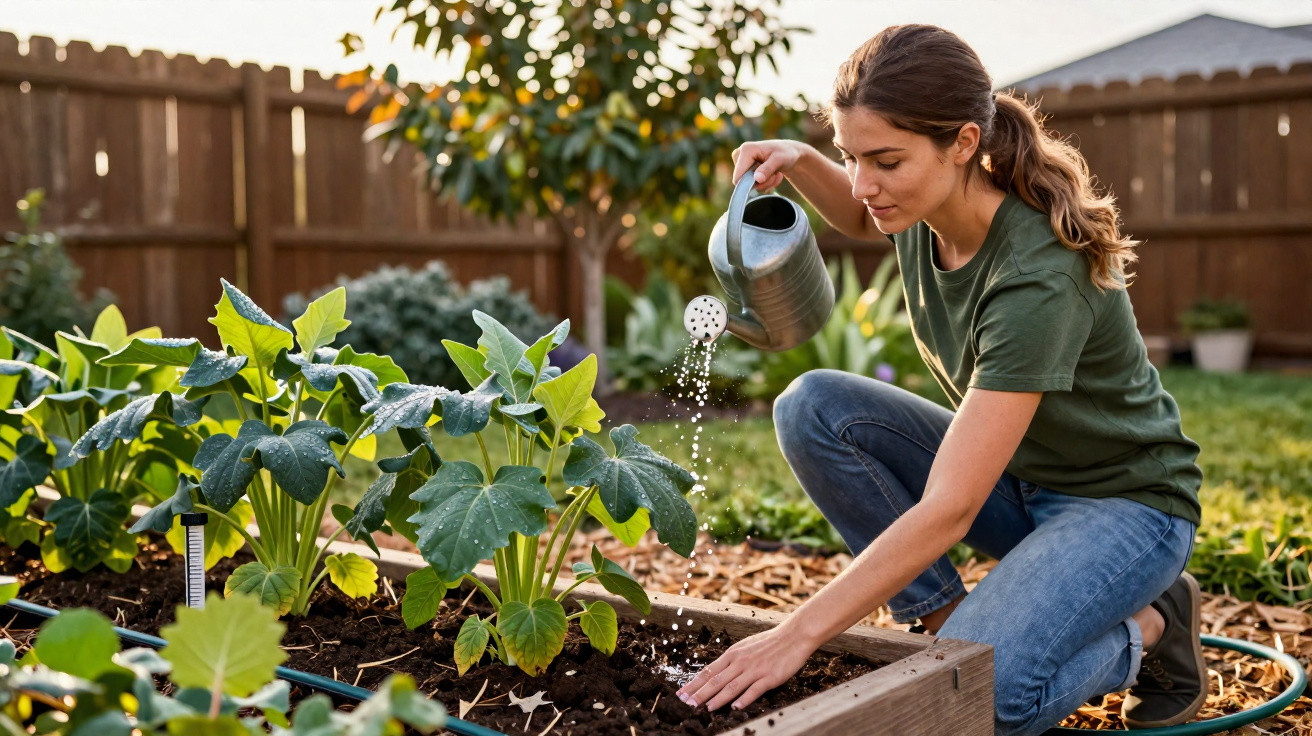
A thin layer of mulch is a gentle option, using bark mulch, leaves or lawn clippings from the previous year. Mulch:
- retains moisture in the soil for longer,
- protects the surface against erosion, and
- gradually supplies nutrients without overwhelming plants.
Important: do not press the layer directly against the stems of perennials or young woody plants, as this can cause rot.
5. Hedges and shrubs: the law bans drastic cutting from 1 March
At the start of March, many gardeners reach for the hedge trimmer, but this can be legally problematic. The Federal Nature Conservation Act prohibits major cutting back of hedges, shrubs and woody plants between 1 March and 30 September.
The reason is clear: birds begin searching for nesting sites and building nests from March onwards. Dense hedges provide ideal protection. Hedgehogs, insects and other animals also use woody growth as cover and habitat.
Anyone who cuts back severely or removes whole hedges during this period destroys breeding sites and refuges. This may result in substantial fines, which can run well into four figures depending on the federal state and the scale of the offence.
What is still permitted - and what to check first
Light maintenance pruning remains allowed during the breeding season. This includes:
- Removing individual protruding shoots,
- cutting back dead wood,
- making minor shape corrections.
Before making any cut, inspect the hedge carefully. Is there already a nest hidden inside? Are sparrows, blackbirds or tits regularly using the branches? If you find signs of breeding activity, leave the trimmer in the shed.
Why patience benefits the garden in the long term
Deliberately slowing down in March lays the foundations for a healthy garden throughout the year. Plants have time to strengthen, animals retain places of refuge, and the soil stays alive. This can reduce later issues such as pest infestations, fungal diseases, and dry or compacted areas.
Many common March tasks can simply be postponed, often with much better results. For example, if the lawn is cut lightly in April and then fed moderately, it will usually grow denser and more resiliently than if it is stressed in March.
Practical alternatives: what you can do in March instead
If you enjoy being active, you do not have to do nothing in March. There are plenty of jobs that will not disturb plants or wildlife while still giving you a sense of progress.
| Activity | Suitable in March? | Benefit |
|---|---|---|
| Clean and sharpen garden tools | Yes | Less risk of injuring plants, easier work |
| Create planting plans and plan beds | Yes | Better use of space and light |
| Start plants indoors (tomatoes, peppers, flowers) | Yes | Strong young plants for planting later |
| Heavy hedge cutting | No | Breaches nature conservation law and risks harming birds |
| Mow the lawn | Better not | Stresses weakened grass roots |
Putting up nest boxes or insect hotels also suits this stage of the year. In this way, you can support wildlife without destroying existing structures.
Extra tips: assess microclimate, soil and region correctly
Every garden responds differently. A sheltered courtyard behaves very differently from an exposed plot on the edge of a village. Observing your own space more closely will help you make better decisions:
- Note where snow remains for a long time in winter, as the soil there often stays cold for longer.
- Remember corners that dry out particularly early in spring, as mulch can be especially worthwhile there later on.
- Watch for typical cold-air pockets, such as dips in the ground or the far end of the garden.
Once you understand these characteristics, you can adapt the timing of sowing, feeding and pruning more effectively instead of relying on the calendar alone.
Looking at local weather lore or speaking with neighbours can help too. The right time often differs by weeks, depending on whether you garden in northern Germany, the Alpine foothills or a mild river valley.
In the end, a relaxed approach usually pays off. A garden that is not polished to perfection in March often begins the year in a more stable state, with more life, less stress and considerably easier care in summer.



Comments
No comments yet. Be the first to comment!
Leave a Comment