
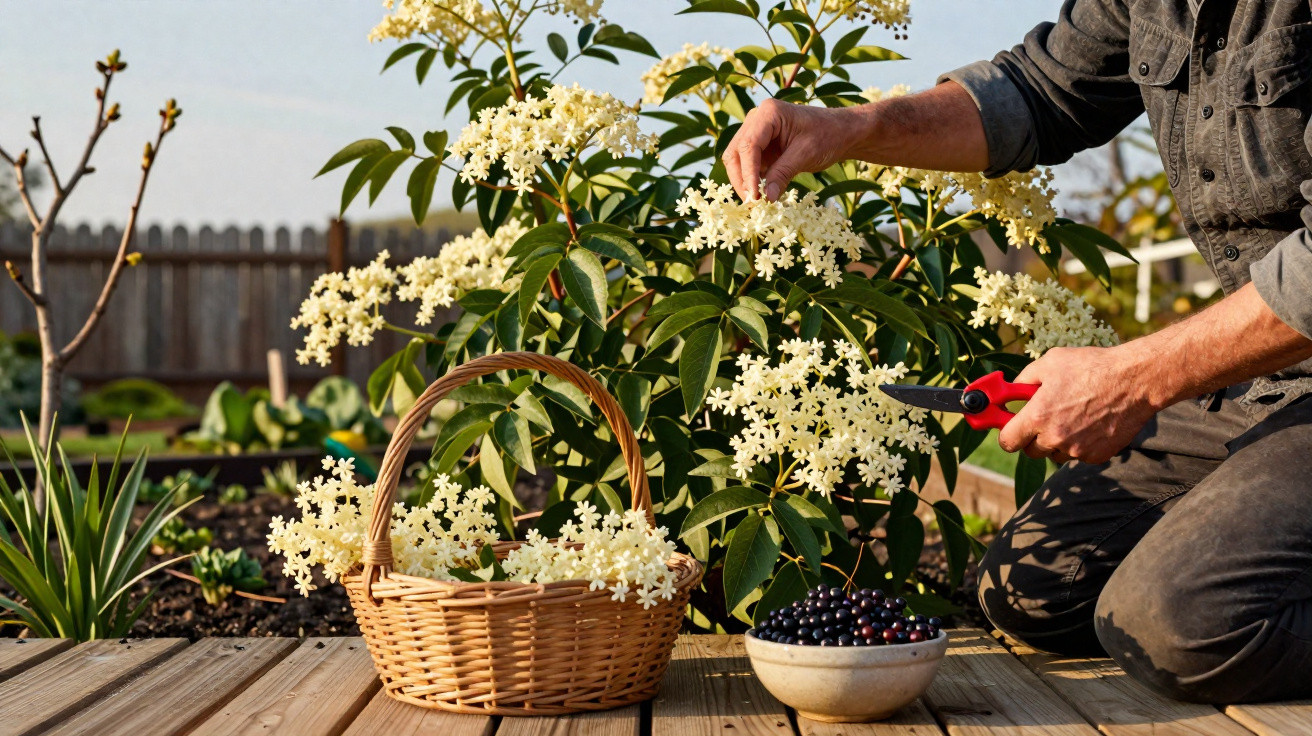
Between bare fences, empty beds and leafless branches, a garden can look rather bleak in late winter. Yet this is precisely when a long-standing native favourite begins its grand display – many people know it from hedgerows and verges, but few deliberately grow it in their own garden.
A familiar plant with a fresh reputation
This is the black elder, botanically known as Sambucus nigra. It is a shrub found throughout Central Europe, yet it is surprisingly seldom planted intentionally in gardens. Dense green foliage in summer, a delicate outline in winter, plus flowers and fruit for people and wildlife – it has everything you could want from a ‘multi-purpose shrub’.
“Anyone who plants an elder now gains privacy screening, fragrant flowers, food for insects and birds – as well as free ingredients for the kitchen.”
Its bare winter shoots are easy to overlook. From late spring onwards, however, the shrub bursts into life: large creamy flower heads, an intense and unmistakable scent, and the kind of buzzing that resembles an airport for insects.
At a glance: what makes black elder so interesting
| Feature | Details |
|---|---|
| Botanical name | Sambucus nigra |
| Common name | Black elder |
| Mature height | Around 3 to 6 metres |
| Spread | Around 2 to 4 metres |
| Position | Sun to partial shade |
| Hardiness | Down to approximately -20 °C |
| Leaves | Deciduous; shed in winter |
That makes elder an ideal choice for wildlife-friendly gardens, along a boundary, or within a mixed hedge. Rather than looking formal or sterile, it has a rural, almost ‘farmyard’ character – a style that is enjoying a strong revival.
Why this shrub brings the garden to life in spring
As temperatures rise, elder quickly gets going. It first produces vigorous new growth, followed soon after by broad flower clusters. Perched on the shoots like small clouds of cream, they stand out even from a distance.
- Appearance: large, flat flower heads in creamy white
- Fragrance: strong, sweet and unmistakably ‘elder’
- Wildlife: heavily visited by bees, hoverflies and butterflies
- Effect in the garden: softens harsh fences, frames seating areas and fills bare corners
During summer, the flowers develop into densely packed clusters of black berries. For blackbirds, thrushes and numerous other bird species, they provide a ready-laid feast. Anyone looking to bring more life into their garden will find elder a real wildlife magnet.
Plant black elder now: how to get it established
Early spring is the best time to plant elder, once the ground is no longer frozen but still retains plenty of moisture. March and April are particularly suitable.
Choosing the right garden position
Elder is forgiving, although a few considerations still matter:
- Pick a position in sun or partial shade.
- Do not squeeze it directly against tight walls – it needs room to grow.
- It works especially well at the edge of the garden or in a mixed hedge.
- Varieties with dark or golden foliage particularly appreciate a bright spot.
“Anyone wanting to give their garden structure, flowers, fruit and privacy screening in one go should start with an elder at the garden boundary.”
Planting instructions in a few steps
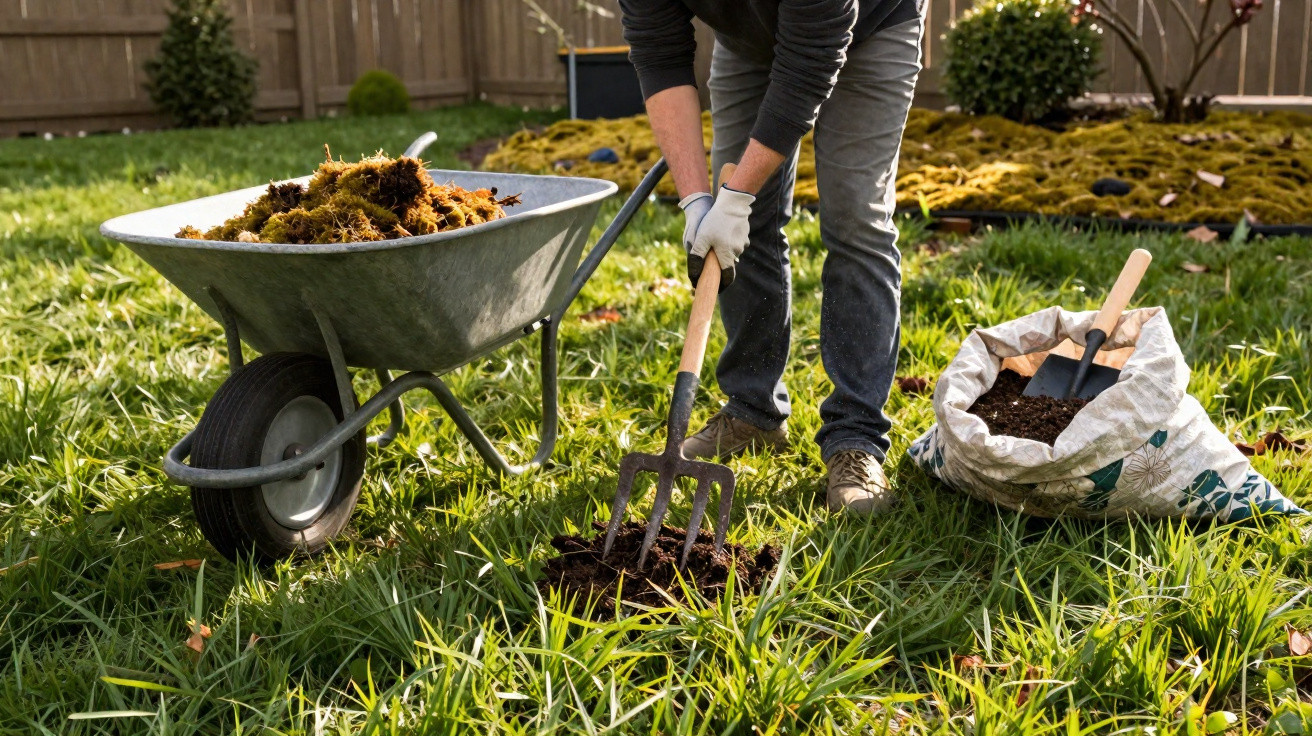
- Dig a planting hole at least twice as wide as the root ball.
- Mix the excavated soil with well-rotted compost.
- Plant the shrub at the same depth as it was in its pot, or slightly deeper.
- Refill the hole with the compost-enriched soil and firm it gently.
- Water thoroughly, until the soil is moist deep down.
- Apply a mulch layer made from leaves, grass clippings or bark pieces.
The mulch helps the soil retain moisture and protects young roots from temperature fluctuations. In exposed, windy places, it is worth using a support stake until the elder has rooted firmly.
Care: little effort, impressive results
Once established, this shrub needs very little attention. It dislikes waterlogged soil, but once its roots reach deep into the ground, it copes easily with brief dry spells.
How to prune elder correctly
In most cases, an annual check is enough:
- In spring, remove dead branches, inward-growing growth and crossing stems.
- Every few years, cut out old, very thick stems close to ground level to encourage young replacement shoots.
- Cut back unwanted root suckers early if they appear where they are not wanted.
Those who prune very hard will sacrifice some of that year’s flowers. In return, the shrub will regrow vigorously and densely – useful when it needs bringing back into shape.
Both kitchen and garden benefit
Elder is not only attractive and ecologically valuable; it also adds flavour to the kitchen.
Flowers – the classic spring ingredient
Harvest the flower heads when the blooms have freshly opened and have not yet turned brown. A dry morning after one or two sunny days is ideal. They can be used for:
- syrup made with flowers, sugar, water and lemon
- flower heads dipped in batter and fried as a sweet treat
- flavoured vinegar or sugar
Many families associate elderflower syrup with childhood memories. With a shrub of your own, you can recreate that flavour every year – without artificial additives.
Berries – enjoy only when cooked
The ripe, deep-dark berries are a valuable food source for many bird species. Some can also be used in the kitchen. The important points are:
- pick berries only once they are fully ripe
- never eat large quantities raw
- always heat them sufficiently, for example for juice, jelly or purée
When raw, the berries and other parts of the plant contain substances that can cause gastrointestinal upset. Cooking largely breaks down these components.
Risk of confusion: what gardeners should watch for
In the wild, black elder grows alongside the poisonous dwarf elder (Sambucus ebulus). Mixing them up would be unpleasant, but a few features make them fairly easy to tell apart:
- Black elder: woody, shrub- to tree-like, and several metres tall
- Dwarf elder: herbaceous, bushy and much lower-growing; its above-ground growth dies back in winter
- Both have similar pinnate leaves, but their growth habits are clearly different
Anyone using berries or flowers from their own garden should be certain that they really have black elder. If in doubt, consult a plant guide or ask a specialist nursery or garden centre.
Why elder is perfectly suited to the present day
Many amateur gardeners are looking for plants that do more than simply look attractive. They should be tough, support wildlife and, ideally, offer something useful as well. Black elder sits exactly at this intersection.
It suits increasingly dry summers because, after its establishment period, it manages with little water. It supports pollinators, supplies food for birds and adds a slightly ‘wild’ touch to front gardens that might otherwise appear sterile. Combined with hazel, Cornelian cherry or wild roses, it creates lively hedges that offer something for almost the entire year.
So, if you are currently looking at a somewhat empty, winter-weary garden and wondering what to begin with, it is difficult to go wrong with an elder. Once planted, it reliably returns each spring with clouds of flowers, buzzing life and an invitation to use the garden with all the senses rather than merely looking at it.
Comments
No comments yet. Be the first to comment!
Leave a Comment