
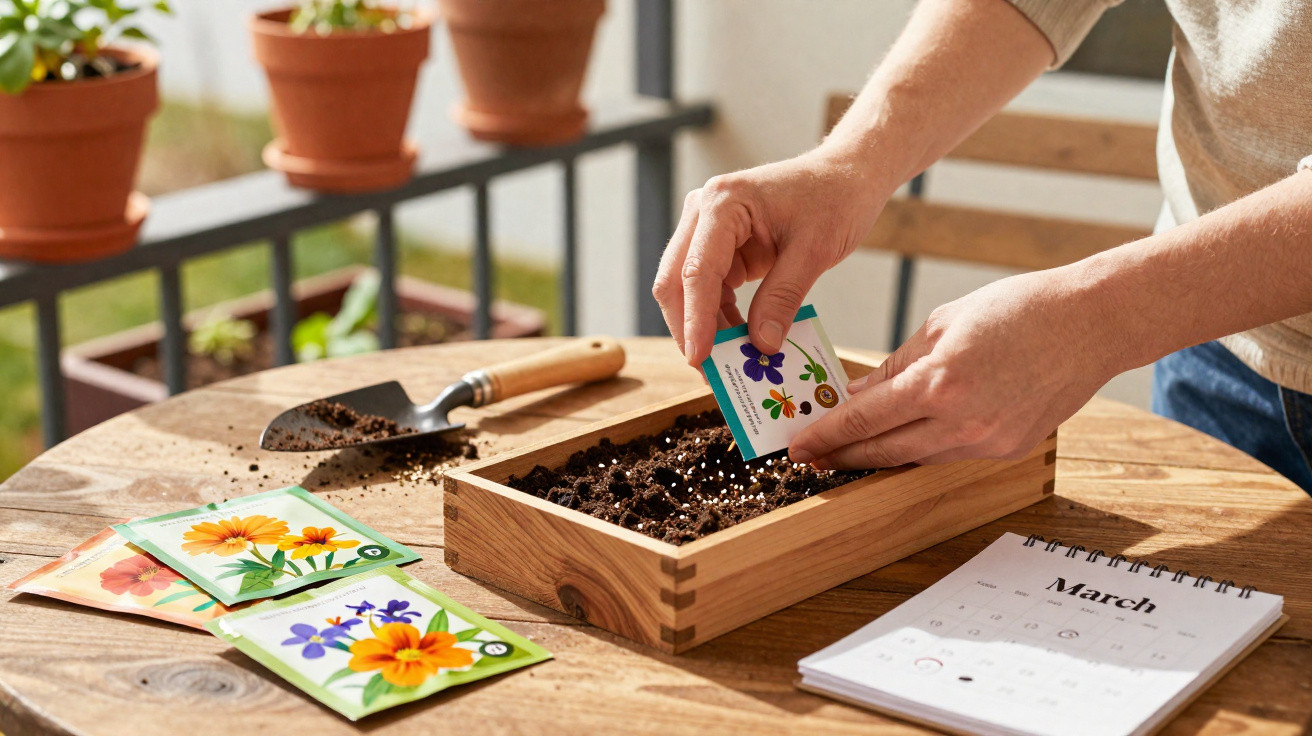
Empty beds, dreary window boxes and the lingering feel of winter can all leave you craving colour. Choose the right fast-growing flowers, however, and March becomes the moment to get started, with vibrant blooms appearing just a few weeks later. The key is to choose genuine quick growers and follow a handful of straightforward steps.
Why March is the secret fast-track month for flowers
As spring arrives, the soil gradually warms up, daylight hours increase and the sun finally makes more frequent appearances. This combination is exactly what many annual flowers need to grow rapidly.
There are, broadly speaking, two groups:
- Hardy annuals (tough plants that cope with cool nights and can be sown straight into beds)
- Warm-loving annuals (plants that should begin indoors or in a protected greenhouse)
Many traditional bedding plants need around three months from sowing to their first flowers. If you cannot wait that long, choose varieties that manage it in six to ten weeks. These are the “turbo flowers” worth focusing on now.
“Anyone who sows the right quick starters in March can expect their first blooms in around 60 days – often even before the official start of summer.”
The fastest flowering stars for beds and window boxes
A number of species stand out for their exceptional growth rate. They are ideal when garden beds are still bare or window boxes are in urgent need of colour.
Calendula and friends: hardy early starters for outdoors
Hardy annuals can be sown directly outside in March once the ground is no longer frozen:
- Calendula: This copes well with cool conditions and produces its first orange-yellow flowers in late spring. It is perfect for edging beds and filling gaps.
- Cornflower: A classic cottage-garden plant, best known for its intense blue blooms but also available in pink and white. When sown in March, it often flowers by late spring.
- Love-in-a-mist (Nigella): A delicate, slightly whimsical plant with blue, white or pink flowers, followed by decorative seed pods.
- California poppy: It enjoys sunshine and poor soil. Its bright yellow and orange flowers bring colour to beds just a few weeks after sowing.
These plants tolerate cooler nights provided the soil is not completely waterlogged. Another advantage is that many self-seed and reappear the following year.
Warm-loving quick growers: begin them indoors
Other popular flowering plants can be started in March, but initially need shelter:
- French marigold: In good conditions, it can flower just 45 to 60 days after sowing. It is considered particularly easy to grow and is ideal for beginners.
- Zinnia: It loves warmth and full sun, rewarding you with strong colours and large flower heads, usually after around 65 days.
- Cosmos: Slender and airy, with plenty of open, bowl-shaped flowers. Sown on a windowsill in March, it will flower continuously from late spring onwards.
- Petunia: A classic choice for window boxes. It can flower for many months if faded blooms are removed regularly. It is best started indoors in seed trays.
“Regular deadheading – removing spent flowers – keeps many of these plants going for considerably longer and encourages new buds to form again and again.”
Nasturtium, borage and more: colour, flavour and usefulness together
Some fast-growing plants offer more than flowers alone.
- Nasturtium: It grows quickly, climbing or trailing depending on the variety, and produces vivid yellow, orange and red flowers. Its blooms are edible and work well in salads.
- Borage: Often grown as a magnet for bees, its blue-violet, star-shaped flowers appear early and in abundance. The plant will usually self-seed too.
Growing these varieties brings not only colour but also pollinators into the garden, which is a bonus for anyone growing fruit or vegetables.
The ideal March routine: getting flowers started on time
Choosing the variety is only half the task. The rest depends on using the right approach. A few basic rules will help plants grow as quickly as possible.
Prepare the soil and choose the right position
A little preparation before sowing the first seed is worthwhile:
- Loosen the top layer of soil and remove perennial weeds.
- Work in a shallow layer of mature compost or potting compost so young plants can access nutrients.
- Pick a spot that receives at least six hours of sun daily – light is the most important driver of growth.
Heavy, wet soils slow down germination. If this is a problem, mix in some sand or fine grit to improve drainage.
How to sow hardy and warm-loving flowers correctly
For a March start, a simple three-step rule works well in many gardens:
Sow hardy annuals directly Calendula, cornflowers, love-in-a-mist and California poppies can go straight into the bed. Make only shallow seed drills, sow thinly and firm the soil gently. Keep it moist, but never saturated.
Sow warm-loving varieties indoors Start zinnias, French marigolds, cosmos and petunias in seed trays or small pots on a windowsill. Do not plant them outside until there is no longer a risk of overnight frost.
Leave enough space Plants need room to gain momentum. Thin out rows sown too densely later on, so every plant receives enough light and nutrients.
“Less is often more: crowded young plants grow slowly, become more prone to disease and flower later.”
How to extend the flowering season with simple tricks
If you do not want everything flowering at once, use staggered sowing. A second sowing two to three weeks after the first ensures new plants take over as the earliest ones begin to fade.
Many annuals can be combined into a long succession of flowers. A typical March plan could look like this:
| Flower | Sowing in March | Approximate first flowering |
|---|---|---|
| French marigold | Start indoors | From May |
| Calendula | Sow directly in the bed | From late spring |
| Cornflower | Sow directly in the bed | Late spring to early summer |
| Nasturtium | Pot or bed, in a sheltered position | After around two months |
| Zinnia | Start indoors | From early summer, then for a very long time |
Common mistakes with fast starts – and how to avoid them
Wanting quick colour can make it easy to overdo things. These pitfalls occur repeatedly:
- Too much water: Waterlogging causes seeds to rot and pushes oxygen out of the soil. Water gently with a rose and allow the surface to dry slightly.
- Too much fertiliser: Young plants need nutrients, but only in moderation. Overfed seedlings develop soft growth, topple over easily and become more vulnerable.
- Too little light: On a dark windowsill, seedlings become leggy and fall over. Move them to a brighter place or choose hardier varieties for direct sowing outdoors.
- Underestimating frost: A sudden cold snap can destroy warm-loving young plants in a single night. Keep a close eye on local frost dates before planting them out.
More impact with colour planning and companion planting
Spending a little time on colour combinations can make the same plants look far more striking. Blue cornflowers beside orange calendulas, with a ribbon of yellow nasturtiums, create a bold contrast that can also make small gardens appear larger.
For pots and window boxes, combine trailing plants with upright growers: petunias and nasturtiums can spill over the edge, while zinnias and cosmos add height. This quickly creates a full-looking display without requiring dozens of varieties.
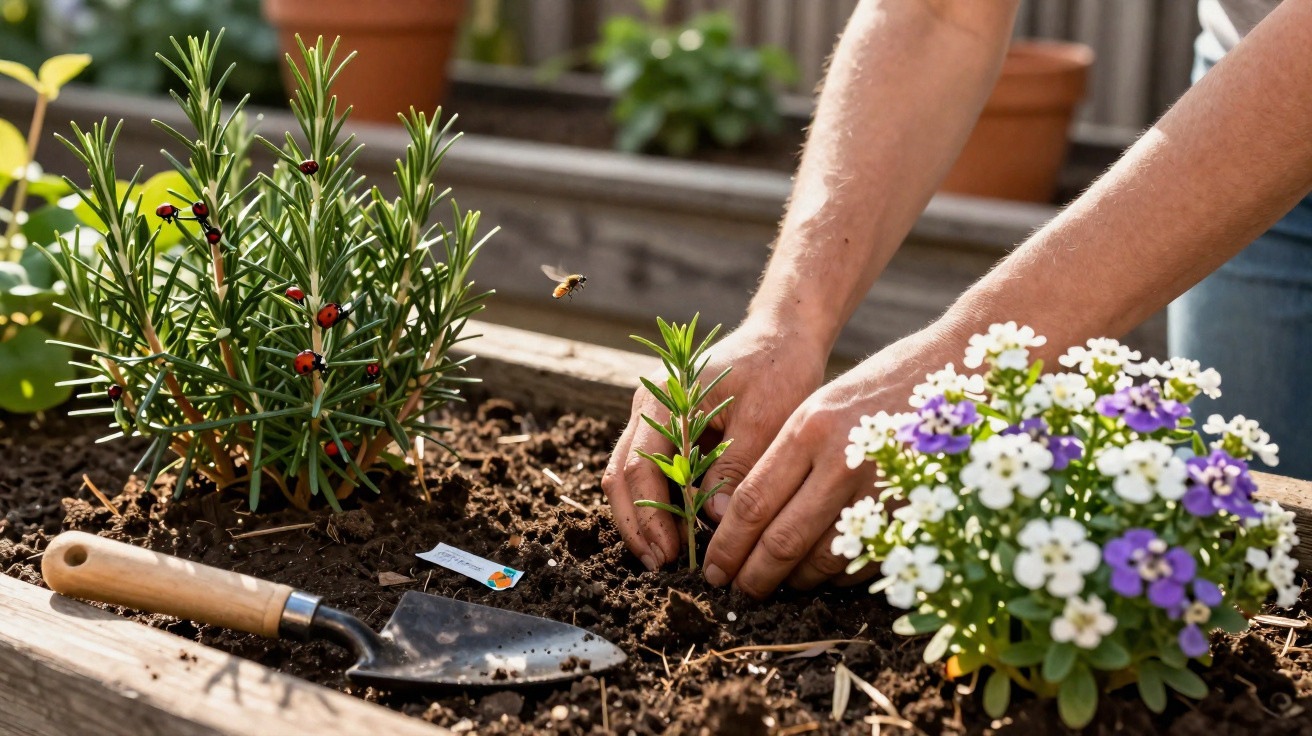
Combining flowers with vegetables is practical too: nasturtiums attract aphids and draw them away from lettuces, borage brings bees to strawberries and tomatoes, and calendulas are often used in companion planting to help counter soil fatigue.
Anyone who takes half an hour in March, buys a packet of seeds and follows these basic rules can transform their own garden from winter grey into a lively sea of flowers in record time – without professional equipment or years of experience.

Comments
No comments yet. Be the first to comment!
Leave a Comment