
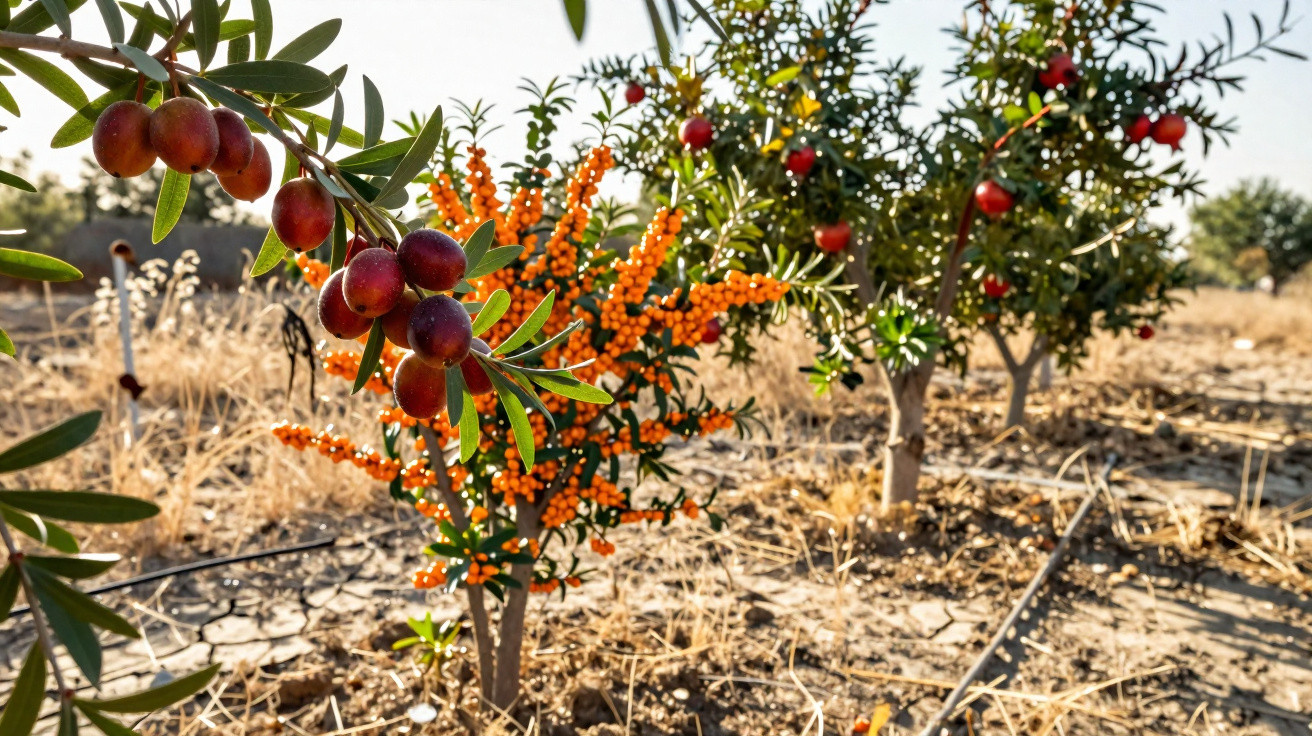
While apple, cherry and plum trees in many gardens are already struggling after the first heatwave, another name is suddenly appearing in gardening forums and blogs: a small, tough fruit tree from northern China that copes remarkably well with frost, heat and drought. In France, it is already regarded as the “fruit tree of tomorrow” – and curiosity is now clearly growing in German-speaking countries too.
A fruit tree for extreme summers: the jujube tree
The jujube tree (Ziziphus jujuba), often called the Chinese date, originates from areas where winter temperatures can drop to –25 °C and summer temperatures readily reach 40 °C. The air there is usually dry and the soil poor – precisely the conditions increasingly familiar in our gardens.
The jujube tree is considered by specialists to be a fruiting woody plant that withstands heat, drought and frost considerably better than many conventional varieties.
In southern France, mature specimens have already been growing for decades, including around Marseille and Carpentras. They demonstrate that this is not simply a short-lived trend, but a tree that can establish itself for the long term when given the right site.
Why the jujube tree is so hardy
In its native habitat, this tree has to endure late frosts, blazing sunshine and infertile ground. This natural “training” makes it particularly interesting in a changing climate. The key requirement is soil that may be dry but never remains waterlogged. It dislikes standing water entirely, while freely draining soil suits it extremely well.
Once it has established a good root system, the tree needs surprisingly little water. Whereas other fruit trees falter without regular watering, the jujube tree continues to set fruit. It is also resilient against common fruit-tree diseases and insect pests. So far, problems in home gardens have been very rare, meaning sprays and demanding treatments are generally unnecessary.
- very high tolerance of summer heat
- copes with brief periods of frost
- needs little water once established
- tolerates poor, sandy or compacted soils
- rarely susceptible to diseases and pests
A practical additional benefit is that the tree is generally self-fertile. It therefore does not need a second tree for pollination in order to crop each year. It also shows far less alternate bearing – years of heavy crops followed by scarcely any fruit – than apple or pear trees.
Site and soil: where the jujube tree thrives
For anyone with a garden in a relatively dry location, this tree could be an ideal choice. Its preferred position is:
- in full sun, or at least a very bright spot;
- in well-drained soil that carries rainwater away quickly;
- on relatively poor, sandy or stony ground;
- somewhere that does not regularly become waterlogged.
Where the soil is heavy clay, improving it with sand, grit and a little compost is advisable so that water can drain away more easily. The tree is unlikely to perform well in damp hollows or consistently wet parts of the garden.
How to plant a jujube tree in spring
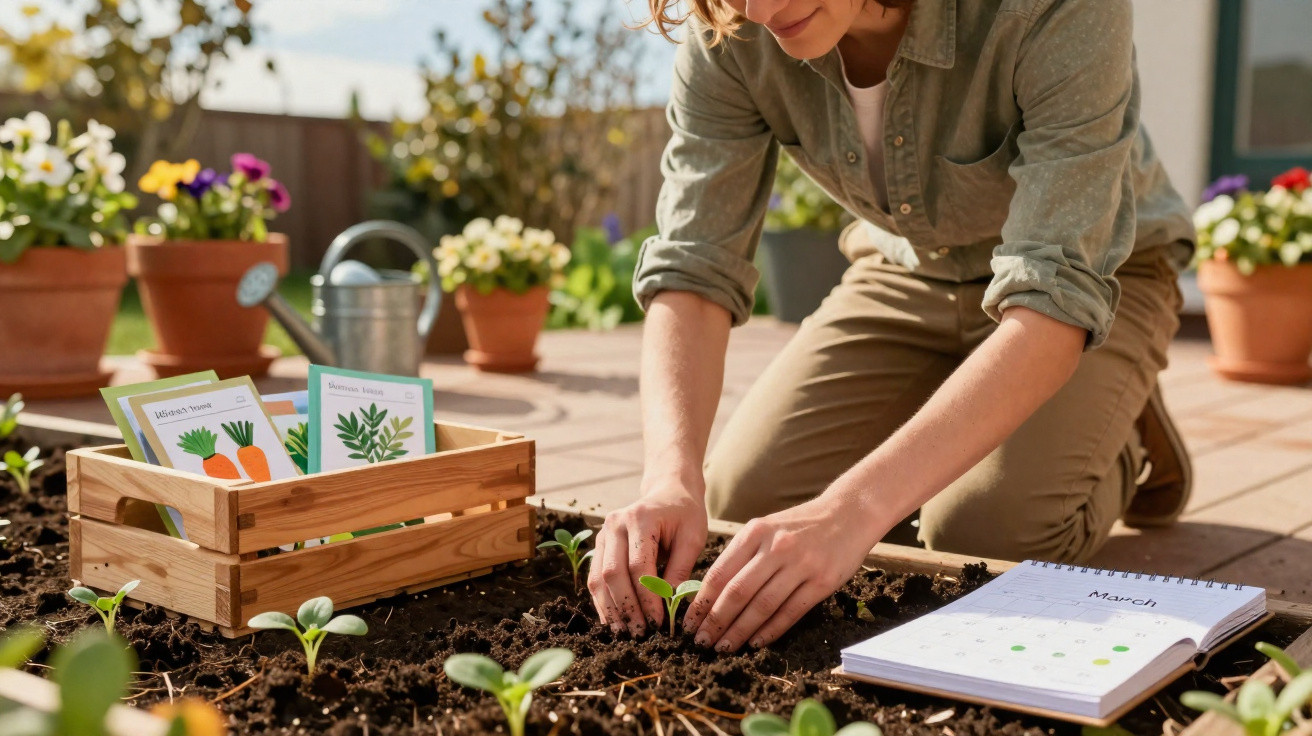
Spring is the best planting season, once the ground has dried out and is no longer frozen. This gives the roots several months to establish firmly before the first major heatwave arrives.
The planting process is straightforward, but each step matters for a strong start:
- Dig a planting hole that is noticeably wider and slightly deeper than the root ball.
- Mix the excavated soil with mature compost or well-rotted farmyard manure – but do not overdo it, as the tree prefers leaner conditions.
- Position the tree so that the root collar will sit exactly at soil level.
- Refill the hole with the improved soil and firm it gently to remove air pockets.
- Water thoroughly, then keep the soil evenly but only lightly moist during the first few months.
Only the first year is crucial: once the jujube tree has rooted in, its watering needs decrease considerably.
A mulch ring made from shredded branches or leaves helps prevent the shallow roots from drying out and suppresses weeds. Keep the material away from the trunk itself so that the bark does not rot.
Jujube, sea buckthorn and pomegranate: a trio for a dry fruit garden
Anyone planning more than a single tree and aiming for a particularly water-efficient fruit-growing area can combine the jujube tree with two further species: sea buckthorn and pomegranate.
Sea buckthorn as a natural soil improver
Sea buckthorn (Hippophae rhamnoides) is native to Europe and Asia, and copes well with poor, windy and salty sites. With the aid of soil bacteria, it fixes nitrogen from the air and gradually enriches the soil with it. This quality makes it a kind of living fertiliser supplier working quietly in the background.
Its bright orange berries generally ripen from late summer onwards. They are exceptionally high in vitamin C and can be used for juice, purée or jelly. They also provide an important food source for birds once other shrubs have already been picked clean.
Pomegranate for colour and an autumn harvest
The pomegranate tree (Punica granatum) comes from the Mediterranean region and enjoys warmth and sunshine. Some varieties, including traditional strains from southern France or Italy, can tolerate light frosts of around –10 °C in a sheltered position. In harsher areas, it is better grown in a container that can be moved closer to the house during winter.
The tree produces spectacular vivid red flowers, which develop into the familiar fruit. In German-speaking regions, pomegranates tend to ripen late, usually from late September to October – exactly when the jujube tree is also producing fruit ready to harvest.
| Fruit type | Main advantage in a dry garden | Typical harvest period |
|---|---|---|
| Jujube tree | highly drought tolerant, rarely affected by disease | October to November |
| Sea buckthorn | improves soil structure, supplies nitrogen, berries for people and birds | Late summer to early autumn |
| Pomegranate | warmth-loving, ornamental, aromatic fruit | Late September to October |
This combination spreads the harvest over several months. With thoughtful planning, it is possible to pick home-grown fruit from late summer into late autumn without constantly having to reach for the hose.
What do jujube tree fruits taste like?
In appearance, ripe jujubes resemble small reddish-brown olives or miniature apples. Early in the ripening process, they are crisp and mildly tart; later, they become sweeter and softer. In many Asian countries, they are eaten fresh or used dried, in teas, desserts and savoury dishes.
The fruit can easily be dried at home: lay it out on a rack in a warm, airy place, or use a dehydrator gently at low temperatures. The result is small, sweet snacks that keep for a long time.
Tips for beginners
- Try individual trees first before redesigning larger areas.
- Protect young plants from late frosts during their first two years, for example with horticultural fleece.
- In very windy places, provide light wind protection so that the tree can establish more successfully.
- When growing in a container, ensure there is sufficient volume and a drainage layer.
Anyone keeping a jujube tree in a pot should take particular care of its roots in winter: containers freeze through much more quickly than garden soil. An insulating base and some protective fleece around the pot help to prevent damage.
What gardeners should consider when planning a “dry fruit garden”
Although the jujube tree appears highly robust, choosing the right location remains essential. A tree expected to crop for decades is better given a little extra room rather than too little. Root competition from large neighbouring trees, permanent shade or severely waterlogged soil will hold it back.
A sensible approach is to combine several species with similar needs for sun and soil. By growing jujube tree, sea buckthorn and pomegranate together, gardeners can manage with minimal watering while still enjoying a varied selection of fruit – from a vitamin-packed crop to snacks for winter stores.
With summers becoming ever hotter in German-speaking regions, it is worth looking beyond the traditional fruit bowl. The jujube tree shows that “exotic” does not automatically mean “delicate”; at its best, it can mean precisely the opposite: a fruiting woody plant that keeps producing where others have long since given up.


Comments
No comments yet. Be the first to comment!
Leave a Comment