

An experienced nursery professional has established a surprisingly simple approach that puts an end to blindly “cutting everything back”. Anyone who assesses their roses using this logic in spring before reaching for the secateurs will usually be rewarded with stronger plants, better-balanced shrubs and significantly more flowers – without any complicated specialist techniques.
Why conventional rose pruning so often disappoints
In many gardens, rose pruning follows a familiar routine: cut everything back once a year, thin it out a little, and call it done. The outcome is often underwhelming. Sometimes the shrub produces only a few new shoots; at other times, its whole shape is ruined.
The fundamental mistake is treating every rose alike and relying on blanket measurements in centimetres. Yet plants respond very differently depending on the variety, location and condition. Cutting back too hard can drain a shrub’s reserves. Being overly cautious, on the other hand, allows it to become old and tired, weak shoots accumulate and diseases can take hold easily.
Anyone who prunes roses without a plan risks fewer flowers, more disease and straggly, unbalanced growth.
These shrubs often look dense in summer, yet flower only at their tips. Inside, a dark area with poor air circulation develops. Fungal diseases find ideal conditions there, while the plant gradually loses vigour.
The professional rose-pruning method: observe first, cut second
Nursery growers take an entirely different approach. Rather than attacking the shrub with secateurs straight away, they first spend time “reading” the rose plant.
They focus particularly on three things:
- Which shoots appear strong and healthy?
- Where is there old, dead or exhausted wood?
- How do the branches run – do they cross, rub against each other or grow inwards?
Once this assessment has been made, the pruning decisions almost make themselves. The aim is not a perfectly tidy, overly manicured shrub, but an open, balanced shape. The rose needs light in its centre, space to grow outwards and room for young, vigorous shoots.
The professional’s most important rule: encourage strength, remove weakness – and direct growth clearly outwards.
The basic principles of this method are:
- Keep strong shoots: They form the plant’s framework.
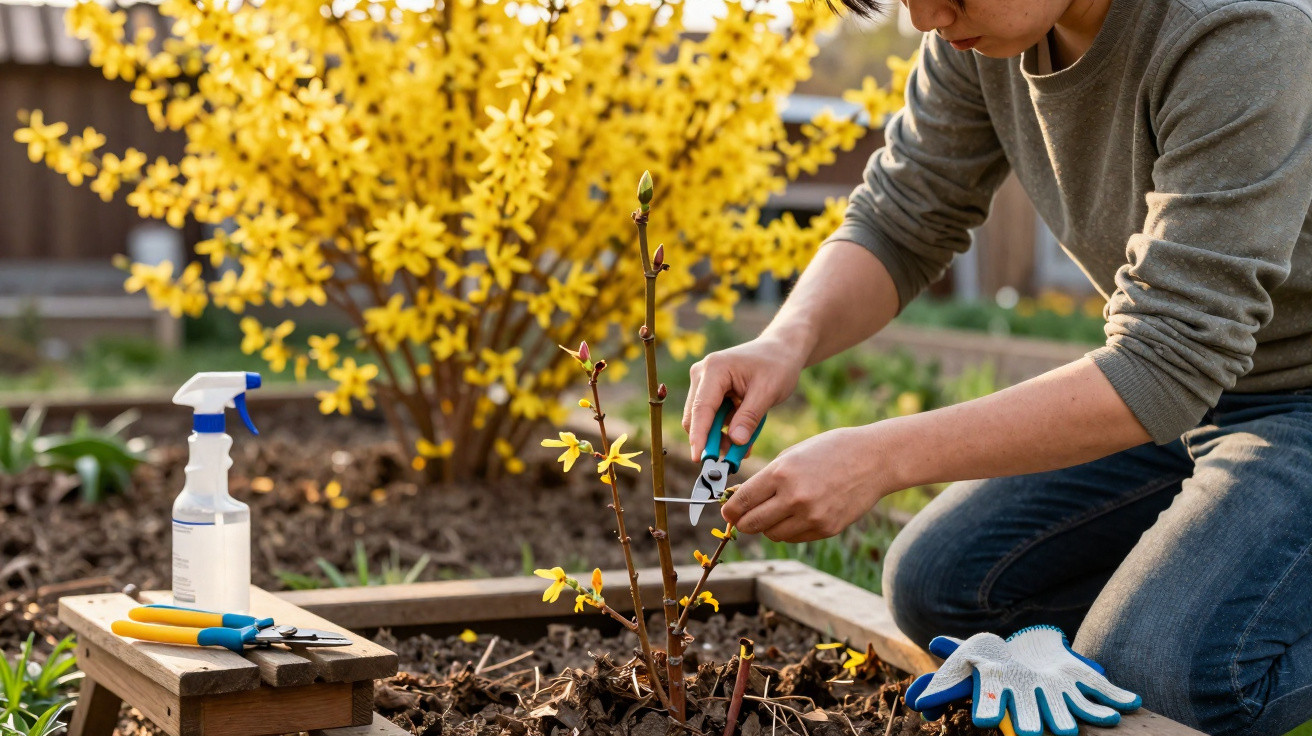
- Remove dead wood and weak branches: Cut away anything black-brown, brittle or as thin as a matchstick.
- Take out rubbing or crossing branches: This prevents wounds caused by friction.
- Always cut above an outward-facing bud: This directs the new shoot away from the centre.
This reasoning makes all the difference: the shrub can “breathe”, its crown has a clear structure, and young shoots grow towards light and air.
The right time in spring
Timing matters just as much as technique. Pruning too early risks late frosts damaging freshly stimulated shoots. Leave it too late, however, and you remove energy the rose has already invested.
The buds provide a useful guide: pruning can begin once they are visibly swelling, their first green tips are showing and prolonged hard frosts are no longer expected. In many areas, this falls between late winter and early spring.
If small shoots are already present on the branches, there is no need to panic. Just prune a little more carefully and avoid cutting back too deeply. Roses can cope with more than many people assume.
Step by step: how to prune roses properly
Before making the first cut, take a brief walk around the shrub. Look at it from every angle, then focus on the task in hand.
Essential work with the secateurs
- Remove dead and damaged wood: Cut back all black, grey, brittle or clearly dead parts to healthy wood.
- Cut out very thin shoots: Anything noticeably thinner than a pencil will produce hardly any flowers and merely uses up energy.
- Remove crossing branches from the centre of the shrub: This avoids rubbing points and brings light into the middle.
- Choose the framework: For bushy bedding roses and shrub roses, generally retain 3–5 strong, well-spaced main shoots.
- Shorten these framework shoots: Make every cut a few millimetres above an outward-facing bud.
The cut surface should be clean and smooth. Sharp, clean tools reduce the risk of fungal infection and prevent crushed bark. A slight angled cut is entirely sufficient; complicated angles are unnecessary.
How far back should you cut? Height depends on vigour
This is another common error: cutting every rose to one standard height. Professionals never do this. They assess the plant’s vigour and set the pruning height accordingly.
| Rose type / condition | Recommended pruning height | Aim |
|---|---|---|
| Very vigorous bedding rose | approx. 20–30 cm | Lots of new growth, lots of flowers |
| Weaker or young rose | leave slightly taller, 30–40 cm | Conserve energy, encourage development |
| Old shrub rose | thin out only where possible | Rejuvenate while retaining character |
Cutting every rose equally short deprives many plants of their individual character. Some respond with thin emergency growth, while others develop bare patches near the base.
Common mistakes you can avoid from now on
The same mishaps occur in gardens year after year. Three of them are easy to prevent with a little attention:
- Cutting back without a plan: Ignoring shape and shoot structure creates rounded “ball roses” with neither air nor order.
- Being too cautious with old branches: Fear of taking too much off leaves too many tired shoots in place. The rose becomes aged, and vigorous new growth barely appears.
- Cutting directly at the bud: Cutting too close may cause the bud to dry out. Leaving roughly 1 cm of space is perfectly adequate.
The tools are often underestimated too. Sticky, blunt secateurs leave ragged wounds, creating easy entry points for fungi and bacteria to enter the wood. A quick wipe with alcohol or hot water between working on several plants substantially reduces the risk.
Care after pruning: roses need support now
Pruning alone is not enough. The plant must seal its wounds, form new shoots and develop flowers. To do this, it needs energy and stable conditions around its roots.
The following steps are especially helpful now:
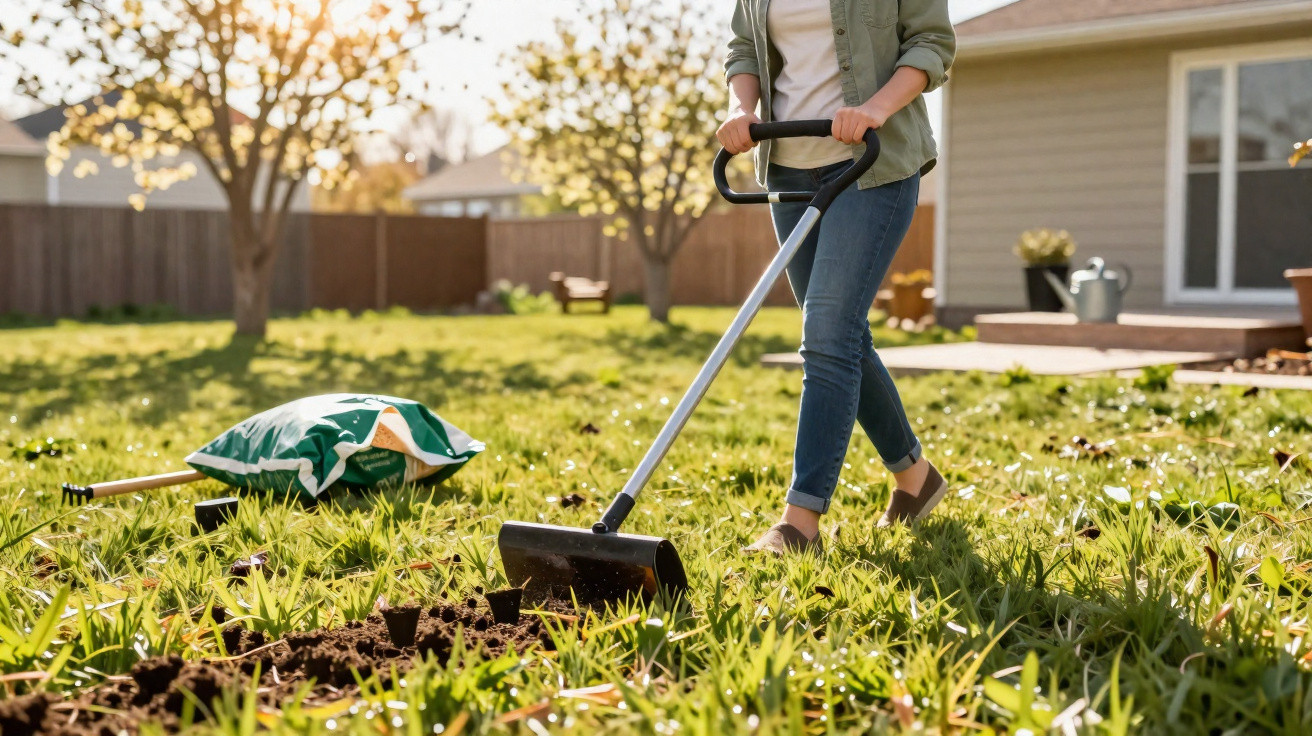
- Water thoroughly in dry conditions: Particularly in light soils, reach for the watering can promptly.
- Provide nutrients: Well-rotted compost or a specialist rose fertiliser supplies what the plant needs to start the season.
- Mulch the soil: A layer of bark humus, dried grass clippings or fine shredded prunings retains moisture, suppresses weeds and stabilises soil temperature.
After good pruning, roses repay care with vigorous new growth, less disease pressure and a noticeably longer flowering period.
Anyone who keeps an eye on fresh growth in the following weeks will soon see whether the rose has responded well. If several strong, light-green shoots emerge from the outward-facing buds, the plant has received the right stimulus.
How this method changes the way you view the garden
The professional technique is more than a different pruning guide. It changes your attitude towards the plant. Instead of mechanically repeating the same routine every year, you begin a kind of dialogue with the shrub: How did it come through winter? Where does it show strength, and where weakness? What shape makes sense?
Many amateur gardeners report that this approach improves not only their roses but also makes the whole garden feel calmer and more harmonious. Once you have learned to recognise shoot structures, you can work much more purposefully with other woody plants too – including lavender, sage, ornamental shrubs and soft fruit.
One aspect is often forgotten: every cut puts the plant under stress. When it is made deliberately, it acts like a training stimulus that encourages fresh, strong growth. When cuts are made indiscriminately, the intervention is more like an injury from which the rose must recover with difficulty.
Practical extra tips for healthy, free-flowering roses
To get the most from this new pruning strategy, a few additional adjustments can help:
- Check the position: Roses need sunshine, moving air and no constant shade. Disease pressure increases dramatically when foliage stays permanently wet.
- Rejuvenate regularly: Every few years, remove individual old main shoots close to ground level so new basal shoots can grow.
- Do not forget summer care: Remove spent flowers promptly; many varieties will then produce a second or even third flush.
- Rethink your choice of variety: Some highly sensitive varieties offer little pleasure even with perfect pruning. Modern, robust cultivars make life considerably easier.
Anyone who keeps these points in mind while adopting the nursery grower’s approach – observe first, then act – will usually see a clear difference after just one season: less untidy growth, less frustration after pruning, and far more buds gradually opening in spring.

Comments
No comments yet. Be the first to comment!
Leave a Comment