
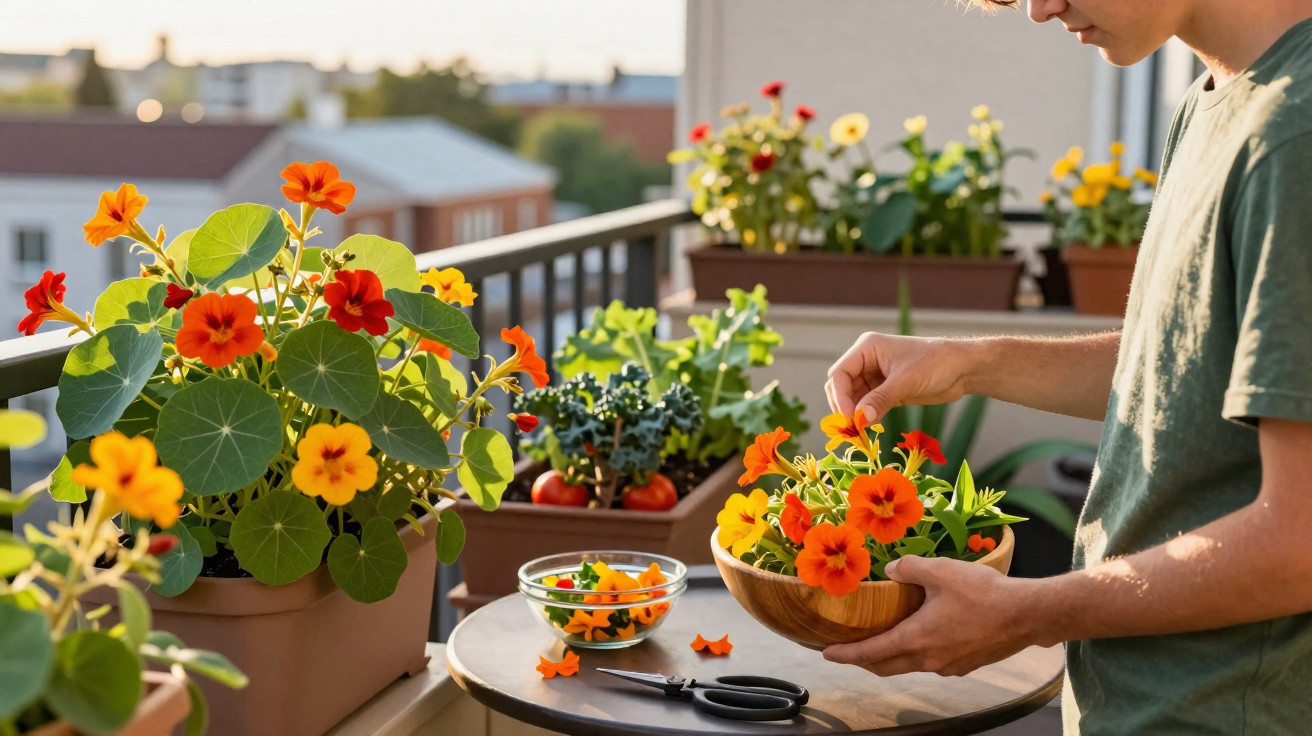
Long thought slightly old-fashioned, almost too plain to catch the eye, the nasturtium is making a striking comeback in 2026, outshining more traditional flowers. It surprises, adds colour and grows quickly. Above all, it gives gardens the relaxed, lively feel that so many people now want.
Why the nasturtium is attracting so much attention in 2026
The reason is straightforward: the nasturtium meets nearly every requirement of the modern garden. Attractive, undemanding, useful in the vegetable patch and low-maintenance, it is exactly the plant many gardeners had been missing.
Its natural, free-growing character is another part of the appeal. This is not a delicate flower requiring endless care. It develops quickly, spreads generously and can turn an ordinary spot into a colourful display in only a few weeks.
Its colours are equally eye-catching: vivid orange, brilliant red and bright yellow. The flowers stand out immediately, while the rounded leaves, almost like small shields, bring a particularly soft note to the whole display.
An easy flower to grow, even for beginners
For anyone new to gardening, nasturtiums can be genuinely reassuring. Sow them directly into the ground or in pots. There is no need for complicated equipment or a carefully mapped-out planting plan: they prefer simple conditions.
Spring, once the risk of frost has passed, is the right time to sow. Pick a sunny position and light soil with good drainage. Leave some room between the seeds, around 25 cm. The plant quickly takes up space, sometimes more than expected.
In containers, it simply needs regular watering, particularly in hot weather. Planted in the ground, it has even more freedom. Depending on the variety, it will grow upwards, climb or trail downwards. This unpredictability is one of its greatest charms.
Why urban gardeners love nasturtiums
In towns and cities, people often want plants that deliver plenty with very little. The nasturtium is ideal: it can dress up a railing, conceal a rather gloomy wall, brighten a window box or bring life to a balcony with little effort.
It is also well suited to small spaces. You do not need a large garden to enjoy it. Even a modest windowsill can accommodate a compact variety. Within a few weeks, the area takes on a different look: livelier, cheerier and almost more welcoming.
The plant also fits perfectly with current gardening tastes. Many people now want gardens that are less formal, freer and more natural. The nasturtium expresses exactly that idea. It grows as it pleases, yet does so with great charm.
A valuable companion for the vegetable patch
The nasturtium is more than a pretty flower: it is useful in the garden too. This is one of the main reasons for its renewed popularity. It attracts aphids, especially black aphids, and can therefore act as a trap crop.
In practical terms, some pests will choose to settle on it rather than on your tomatoes or rose bushes. It is clever, and rather surprising. You can then remove heavily affected parts, or let ladybirds do their work. The garden can regain its balance more easily.
It also draws in bees, bumblebees and other pollinators, which benefits the entire vegetable patch. A living garden works better when helpful insects are present. The nasturtium then becomes one small but important part of a much wider whole.
Everything you can do with nasturtiums
The surprises do not end there. Nasturtiums are edible too, which is excellent news for anyone who enjoys plants that are both decorative and useful.
Their leaves have a mildly peppery flavour, similar to watercress, and give salads a welcome lift. The flowers add colour along with a gentle, spicy taste. Even on a simple plate, they make an impression.
The seeds can be used as well. Pickled in vinegar, they are reminiscent of capers. It is a fun way to enjoy the plant differently. Here is a very simple idea:
- 1 small handful of nasturtium seeds
- 200 ml white vinegar
- 1 pinch of salt
- 1 small clean jar
Soak the seeds in salted water for 24 hours, then rinse them. Put them in the jar and cover with vinegar. Leave for at least 2 weeks before tasting. The result is surprising and very handy in the kitchen.
How to enjoy nasturtium flowers all summer
Nasturtiums give their best once they are properly established. Remove faded blooms from time to time. This simple step often helps extend flowering and keeps the plant looking tidier.
For bolder visual effects, try combining several varieties. Some climb, while others remain more compact. Certain types produce single flowers and others double blooms. The result can become wonderfully rich, almost like a small living picture.
It copes well with warm weather, although it still appreciates a little attention. Consistent watering, a good spot and enough room are usually all it needs. There is no need for heavy treatments or complicated fertilisers, which is another reason it is so easy to adopt.
A plant suited to a new way of gardening
The return of the nasturtium is no accident. It reflects something deeper. Today, many gardeners want plants that are less demanding, more natural and more adaptable. They are looking for pleasure rather than constraints.
The nasturtium answers that wish. It grows without fuss, attracts wildlife, pleases the eye and can sometimes even feed you. It is a reminder that a garden does not need to be perfect to be beautiful. Above all, it needs to be alive.
There is one further appealing detail. In mild climates, it may self-seed from one year to the next. A few forgotten seeds can sometimes restart the whole display the following spring, like a welcome surprise returning without warning.
Do roses and hydrangeas really need replacing?
Not necessarily. But the nasturtium shows that gardens have other kinds of beauty to offer: less expected, freer and simpler too. Perhaps that is exactly why it resonates so strongly in 2026.
If you are looking for a flower that is easy, generous and useful, it clearly deserves a place. It asks for very little in return for colour, life and a real burst of freshness in the garden.
Roses and hydrangeas remain great classics, of course. Yet the nasturtium brings something different: a more spontaneous spirit and a less prim charm. Sometimes, that is exactly what is needed to make you want to garden again.
Comments
No comments yet. Be the first to comment!
Leave a Comment