
A calm five minutes outdoors can transform how a garden appears and feels, while also reshaping the rhythm of your week.
More home gardeners are adopting small, barely noticeable routines instead of draining weekend clear-outs. This relaxed method takes its cue from professional cleaners and experienced horticulturists: rather than tackling disorder once a month, you gently restore balance to the garden each day.
Why a five-minute ritual is better than marathon garden clean-ups
For many households, conventional garden maintenance follows a familiar pattern: the mess is left until weeds swallow the borders, the patio becomes green and the lawn turns straw-like. A Saturday is then set aside, tools are hauled from the shed, and hours of hard work follow. The garden may look smart afterwards, but you are exhausted-and the same cycle soon begins again.
Brief, frequent jobs disrupt that routine. They deal with weeds and debris before they build up, support healthier soil and stop visual mess becoming overwhelming. Rather than mounting an occasional rescue operation, you give the garden a small daily correction.
Five minutes of smart habit every day usually prevents the kind of mess that would take five hours to fix later.
Healthy soil is central to this approach. Exposed ground becomes compacted, loses moisture and attracts opportunistic weeds. Cover the soil with mulch, groundcover plants or follow-on crops, however, and it performs quite differently. It remains more open, supports more living organisms, drains more effectively and withstands both dry spells and heavy rain. In turn, this means less weeding, watering and urgent remedial work.
9 micro habits that keep a garden looking clean almost on autopilot
These nine micro habits are not intended as a strict to-do list. Treat them as a set of tools to use while moving around the garden. Most require only moments, yet together they establish an understated and effective maintenance rhythm.
1. Do a brief daily observation walk
Spend 60 seconds walking over the lawn, beside the borders and past containers, and you create an early-warning system. You can notice slugs before they destroy young hostas, aphids before they cover the roses and snapped stems before they begin rotting at the plant base.
The earlier you catch a problem outside, the smaller and cheaper the fix usually is.
The walk also develops your powers of observation. Within a few weeks, you will begin recognising when a plant seems “off”: perhaps its leaves have changed colour, its stems are drooping or part of the lawn is drying unexpectedly. These small clues allow you to intervene before the problem takes hold.
2. Weed by hand, little and often
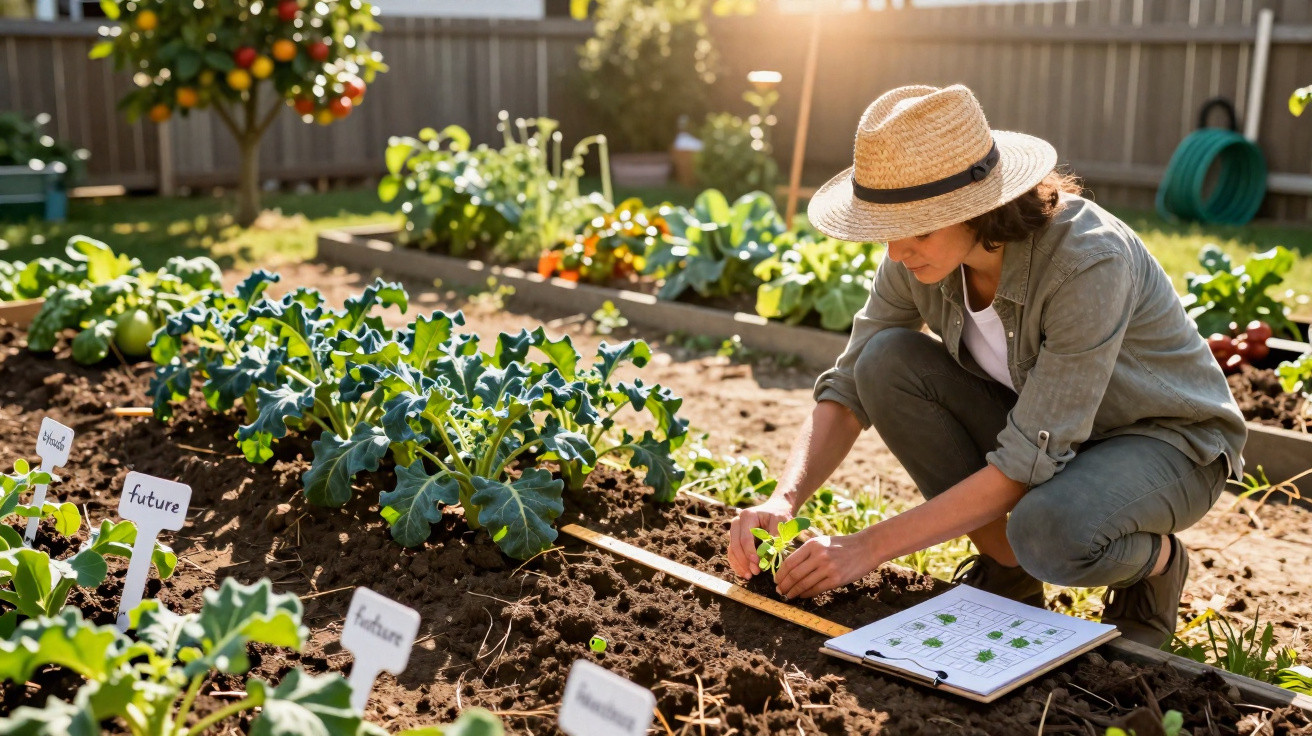
Rather than planning an intimidating weeding session, remove a few weeds whenever you walk past a bed, pot or path. Focus on seedlings and very young weeds, as they pull out in seconds and have not yet scattered seed.
- Pinch out or pull annual weeds when they are still small.
- Use a hand fork to ease taproots out near paths and patios.
- Put pulled weeds into a small bucket rather than leaving them in heaps.
This method reduces the seed bank and avoids the alarming sight of mature thistles or docks seemingly appearing overnight.
3. Deadhead and remove petals as you go
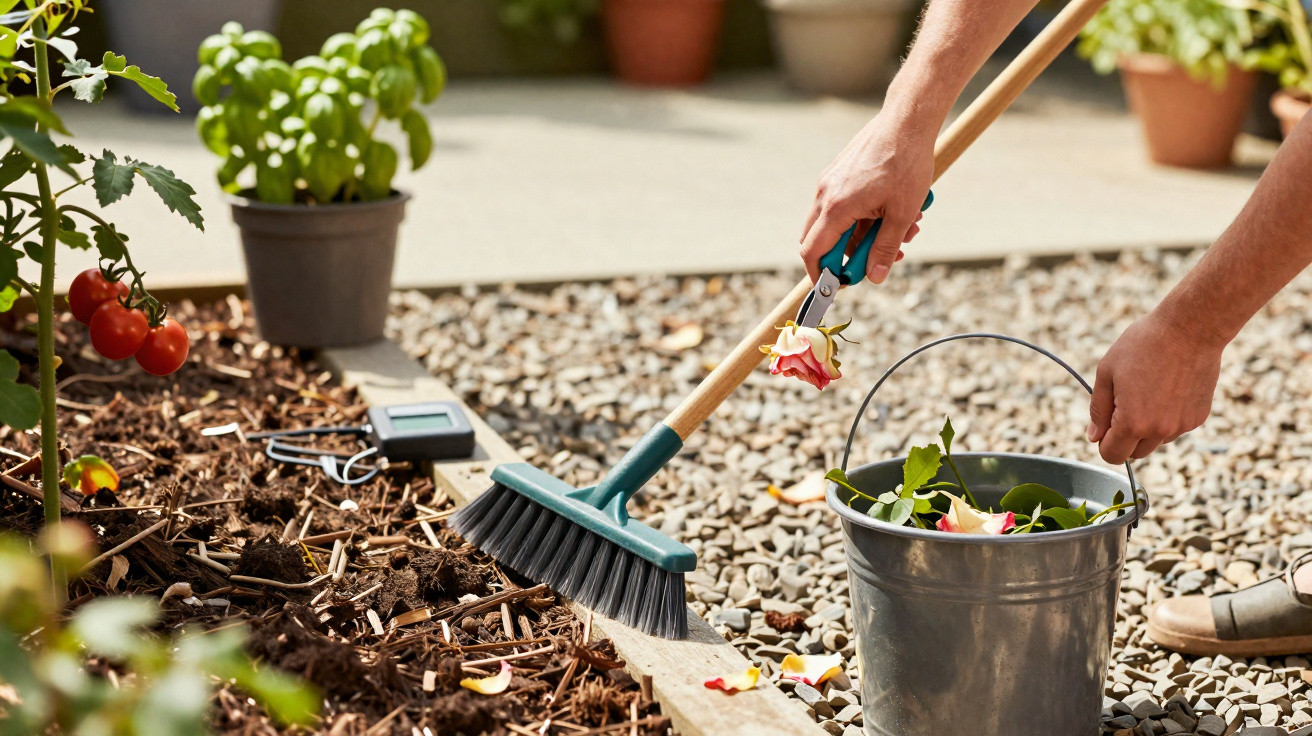
Roses, geraniums and numerous perennials benefit from frequent deadheading. As you pass, pinch off or cut away faded flowers, then brush fallen petals from gravel, furniture and steps.
Borders look tidier as a result, and many flowering plants produce another flush rather than diverting energy into seed production. It also reduces slippery areas of decaying petals on terraces and paths.
4. Sweep paths and terraces quickly
Garden paths and patios create a powerful first impression. When they are covered with leaves, splashes of soil and windblown petals, the whole garden can seem untidy even when the borders are well kept.
A quick sweep of the principal path or sitting area removes loose matter before it turns into grime or moss. In wet climates, two minutes with a broom can lengthen the time between intensive scrubbing or pressure-washing.
5. Test soil moisture before using the hose
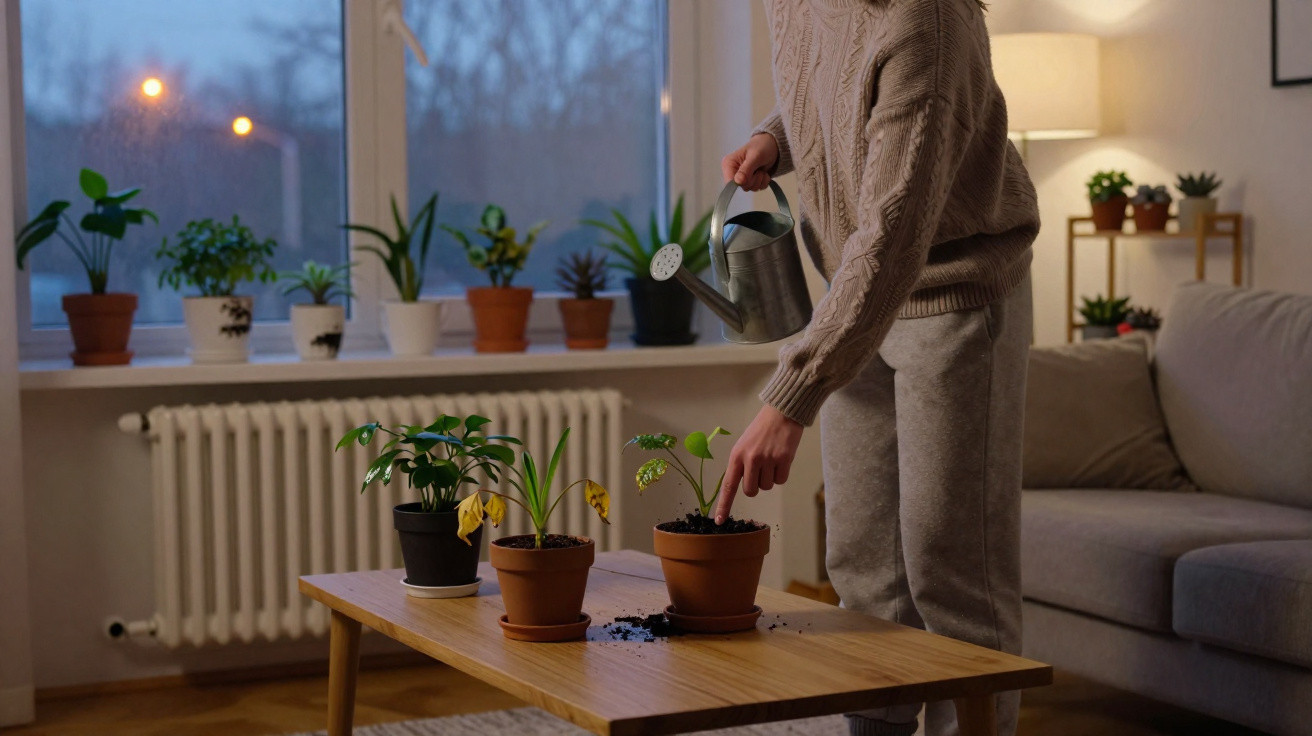
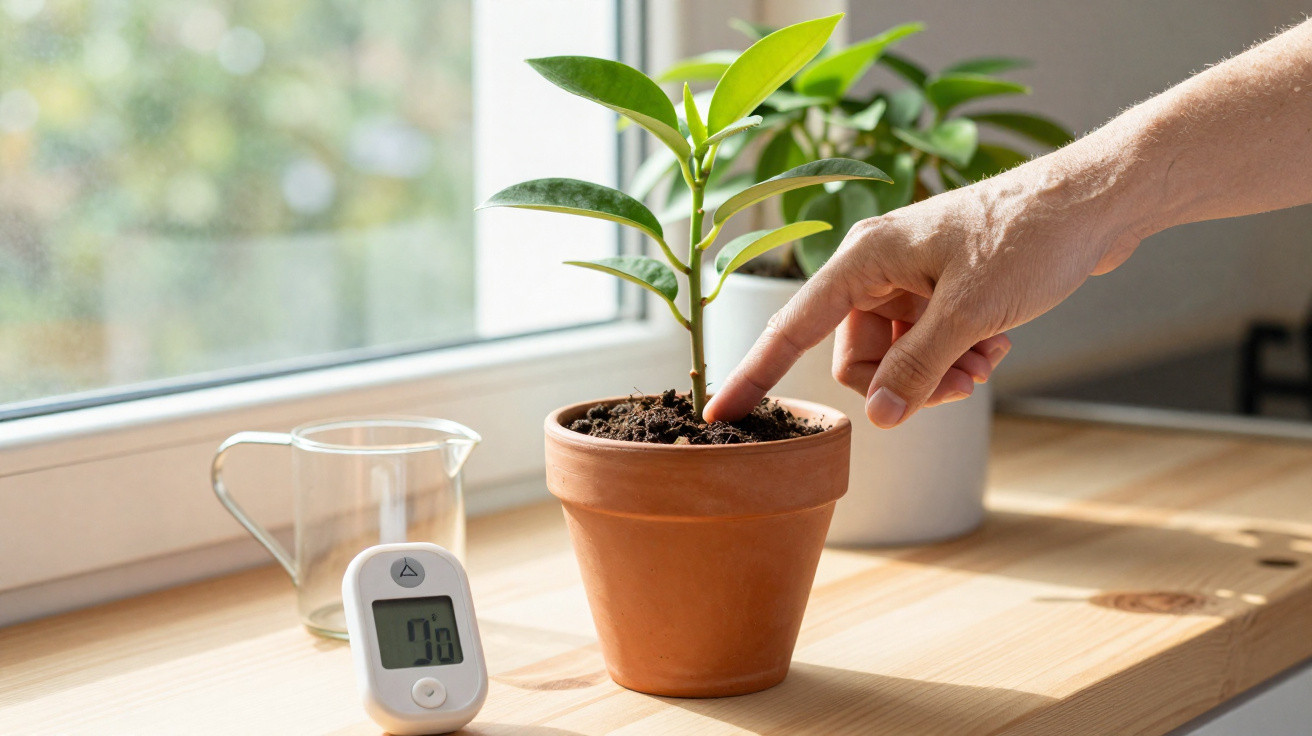
Fixed watering routines can waste water and frequently put plants under strain. A basic finger test-pushing your finger into the soil as far as the second knuckle-offers more useful information than an app. When the soil remains cool and a little moist, watering can be skipped safely.
Most established plants prefer a deep drink when the soil genuinely dries out, not frequent shallow sprinkles.
Leaf position provides another useful clue: leaves that droop slightly at midday may be responding to heat rather than a lack of water. Over time, you learn which borders, planters and raised beds dry first, allowing you to water those areas deliberately.
6. Cover soil rather than leaving it bare
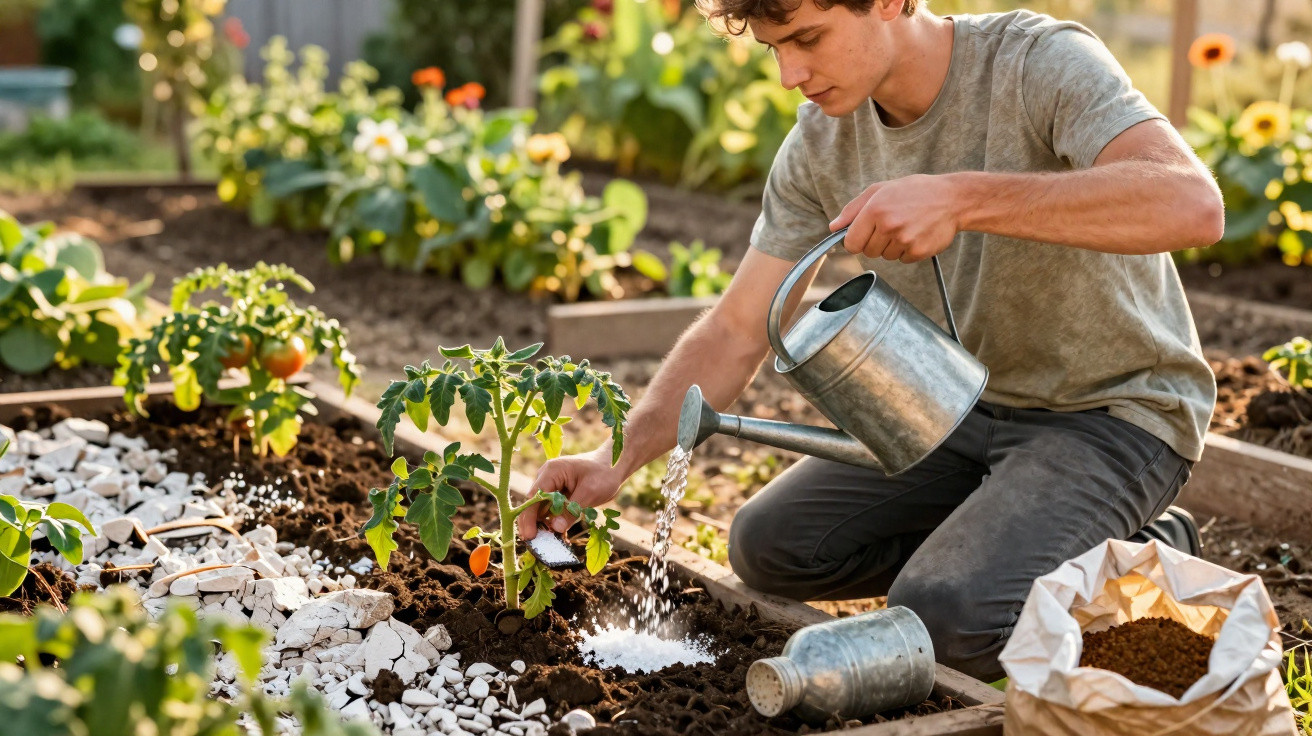
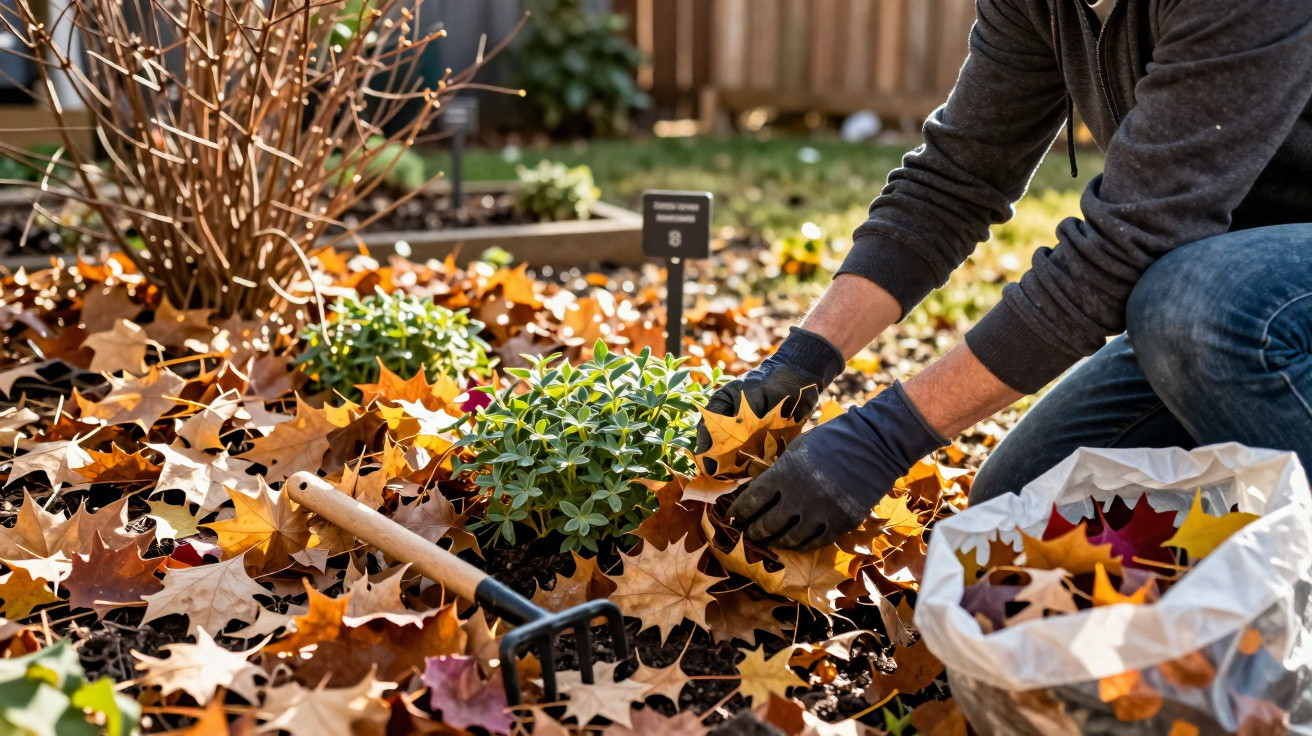
Whenever soil is exposed, weed seeds have an opening. Adding a light mulch of compost, shredded bark or seed-free grass clippings blocks sunlight, retains moisture and makes bare areas less visually harsh.
In unused vegetable beds, some gardeners sow quick-growing green manures or low-spreading groundcovers. These living covers limit erosion and nourish soil life when they are later cut down and left in place. The garden appears more settled, while you spend less time breaking up hardened soil.
7. Pick fruit, vegetables and herbs when ripe
Ripe crops left on plants or lying on the ground attract pests and mould, while also making the garden look neglected. A brief daily harvesting round relieves heavily laden branches, keeps smells under control and prevents soft fruit becoming food for wasps.
Frequent harvesting also encourages many crops-beans, courgettes and cut-and-come-again salads-to continue producing. You gain more food while the potager maintains a cleaner, more purposeful appearance.
8. Keep a ready-to-use green waste bucket
Rather than making small heaps of weeds and prunings “to deal with later”, place a compact bucket or trug near the door. Put material straight into it as you weed, deadhead or trim. When returning indoors, empty the container into the compost heap or council bin.
Clearing green waste promptly stops half-finished jobs turning into permanent eyesores in a corner of the garden.
This simple practice also provides a steady flow of compost ingredients, helping compost bins warm up and decompose material more consistently.
9. Clean and put away tools immediately after use
Secateurs and trowels left outside soon rust and lose their edge, making every job more difficult. A two-minute routine-removing soil, quickly rinsing or brushing the blades, and hanging each item on a basic hook board-keeps equipment prepared for the next short session.
Many gardeners store a small kit by the back door in a bucket or crate: gloves, a hand fork, trowel, pruning snips and a small broom. With everything close at hand, you are much more likely to deal with the minor issues you spot.
How these habits change with the season and your lifestyle
Daily upkeep does not require identical jobs throughout the year. Personal routines, daylight hours and weather conditions change, so the micro habits should change with them.
| Season | Main focus of the 5-minute ritual |
|---|---|
| Spring | Removing weed seedlings, shielding tender growth, looking for slugs and adapting early watering. |
| Summer | Checking water needs, deadheading, harvesting quickly, shading susceptible pots and monitoring heat stress. |
| Autumn | Clearing leaves from paths, replenishing mulch, removing finished crops and beginning cover planting. |
| Winter | Inspecting structures after storms, removing damaged branches, and planning and maintaining tools on milder days. |
Following heavy rain, five minutes may be spent checking drains, waterlogged low points and mulch that has washed out of beds. In a heatwave, sweeping may be postponed so all available time goes towards water triage: deciding which plants truly require a thorough soak and which can wait.
Gardeners with lengthy commutes or compact urban gardens often combine some of these tasks. On a weekday, there may only be time for a quick check and a little hand-weeding by the door. Weekends can then include somewhat longer sessions for mulching or cleaning paths, without returning to punishing day-long marathons.
Soil, climate and risk: what a five-minute ritual quietly prevents
These minor actions achieve more than a neat-looking garden. They also reduce several common but easily missed risks. Frequent observation can identify fungal disease early, before it spreads across roses or hedges. Removing plant debris from damp spots makes slippery algae or moss less likely to make steps hazardous.
Looking after mulch and groundcovers also shields soil from severe weather. During the hotter, drier summers now common in many areas, covered ground remains cooler and loses water more slowly. This steadies plant roots, reduces watering costs and makes the garden better able to cope with abrupt heat spikes.
There is a psychological advantage too. A brief everyday ritual creates a feeling of steady control instead of guilt over “falling behind”. This change in mindset often gives people confidence to grow unfamiliar crops or dedicate an area to wildlife planting, because routine care finally seems achievable.
Going further: connecting micro habits with wider garden goals
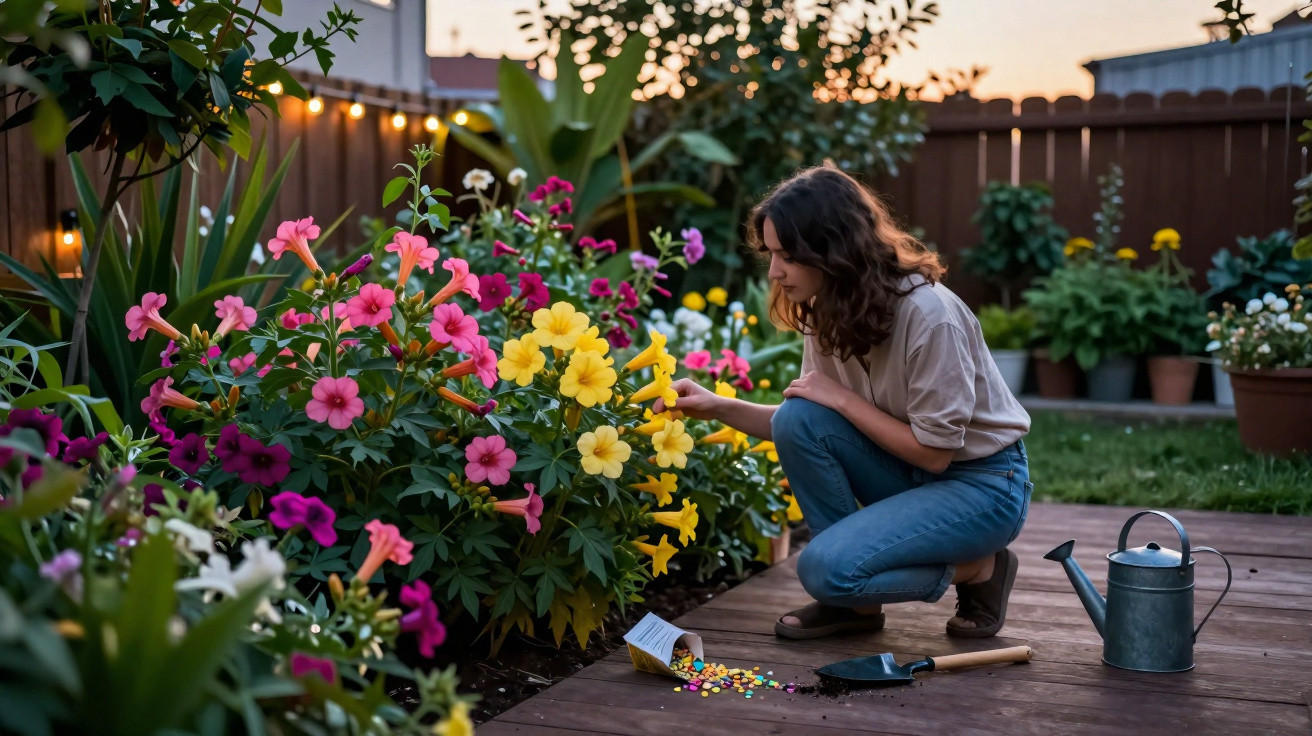
Five-minute routines can also support bigger garden ambitions. For a wildlife-friendly garden, the observation walk can become a short wildlife survey: noting where bees congregate, which plants provide birds with food and how much bare soil is available to ground-nesting insects. You may allow weeds to flower in planned areas while ensuring paths remain clear.
For those aiming to reduce household costs, these same habits make it easier to monitor water and fertiliser consumption. Checking soil moisture, covering ground and composting green waste all lessen dependence on purchased products. Across a season, such small changes can bring a garden nearer to self-sufficiency without requiring additional time.
Comments
No comments yet. Be the first to comment!
Leave a Comment