
The sun is appearing more often, the beds are waiting – and many people notice that, after an hour in the garden, they feel pleasantly tired yet surprisingly light inside. That feeling is no coincidence. Gardening combines exercise, fresh air and purposeful tasks, making it a free health programme right outside the back door.
Why gardening feels so good
Anyone working with a spade, secateurs and watering can is doing far more than simply “pottering about in the garden”. Specialists regard it as gentle full-body exercise that can also reduce stress and boost self-esteem.
Gardening brings together endurance, strength, coordination and relaxation – at a pace that can be adapted to your own body.
Its biggest advantage is that it does not feel like an obligation to exercise. You plant, prune and water, while your whole body is working almost unnoticed.
Fresh air instead of stuffy exercise rooms
Simply being outdoors can provide a small lift in mood. Daylight stimulates vitamin D production, which is important for strong bones and a robust immune system. At the same time, a natural setting tells the nervous system that it can slow down a little.
Many amateur gardeners say they can truly switch off in the garden. Traffic noise fades into the background, replaced by the wind, soil and birdsong. The mind feels clearer, and repetitive worrying often eases after only a few tasks.
Exercise for the heart, circulation and muscles
Although it may look leisurely from the outside, gardening sets plenty in motion within the body. Even moderate bending, lifting and raking can raise the pulse noticeably.
- Heart and circulation: Regular gardening can have a positive effect on blood pressure and blood sugar.
- Muscles: The arms, legs, abdomen and back are constantly involved – often without you noticing.
- Mobility: Numerous small movements help to keep joints supple.
- Balance: Walking on uneven ground improves steadiness and can help prevent falls.
This is particularly valuable for older people. They often do not move enough, while step counters and fitness apps can quickly lose their appeal. A flower bed that needs attention is more persistent than any smartphone notification.
The garden as a “fitness room” for older people
Some doctors and therapists specifically recommend making gardening part of everyday life. They see it as a form of individually adjustable “exercise at home”. Pruning shrubs or gathering leaves works the legs and core without having to remember complicated routines.
The key is not to overdo it. Especially after a long break, enthusiasm may be high, but the body often needs time to become accustomed to the exertion again.
Short sessions with breaks challenge the body – without overloading it.
Precision work with secateurs and spades
Many garden tasks require surprisingly fine motor skills. Pruning shrubs, tying in shoots or pricking out young plants calls for steady hands and concentration. This challenges the brain and muscles at the same time.
When cutting back roses or hydrangeas, for example, you squat down, stand up again, turn and shift your weight. This strengthens the thighs and buttocks and, with the right technique, reduces strain on the back.
How to put less strain on your back and joints
| Task | Gentler approach |
|---|---|
| Weeding | Use a kneeling pad or small stool, and keep your back as straight as possible |
| Moving heavy pots | Use wheeled boards or plant trolleys, and do not lift them alone |
| Cutting close to the ground | Squat rather than bending over, and use long-handled secateurs where appropriate |
| Watering | Carry several light watering cans instead of one that is far too full |
Anyone who is unsure, or already has problems with their joints, back or heart, should speak to their GP or physiotherapist before the season begins. The aim remains to gain the benefits without causing pain.
Gardening for the soul
Garden work can feel like a break from a hectic daily routine. Your attention turns to tangible things: a bud opening, a bed gradually becoming fuller, or a home-grown lettuce finally ready to harvest.
Anyone who works in the garden quickly experiences small successes – and that strengthens inner balance.
Many people miss these visible results in office life. A freshly mown lawn, a neatly trimmed shrub or a vegetable patch that suddenly has structure offers instant feedback: “I achieved something there.” This can ease depressive periods and reduce anxiety.
Gardening together – including social benefits
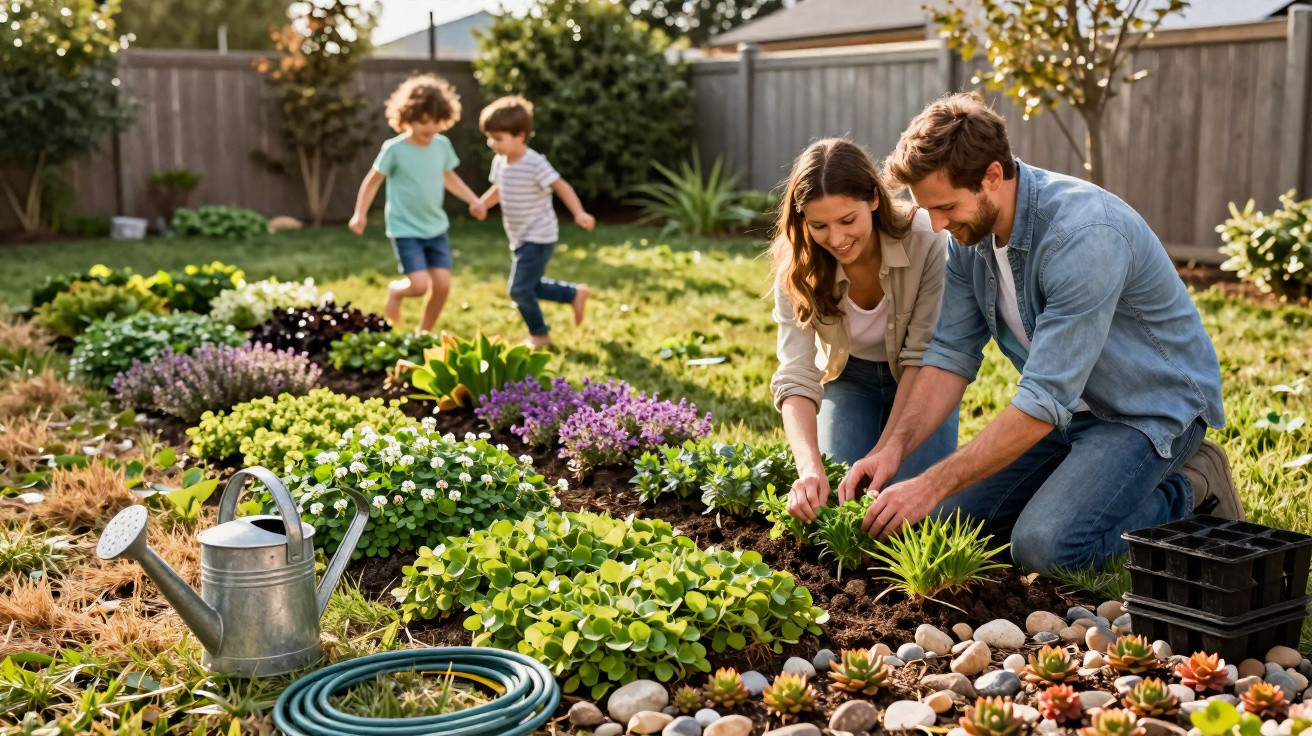
When two people or a family work in the garden together, there is an additional benefit: closeness. They plant, discuss, plan, laugh at crooked rows and share the harvest. This exchange protects against loneliness, particularly in later life.
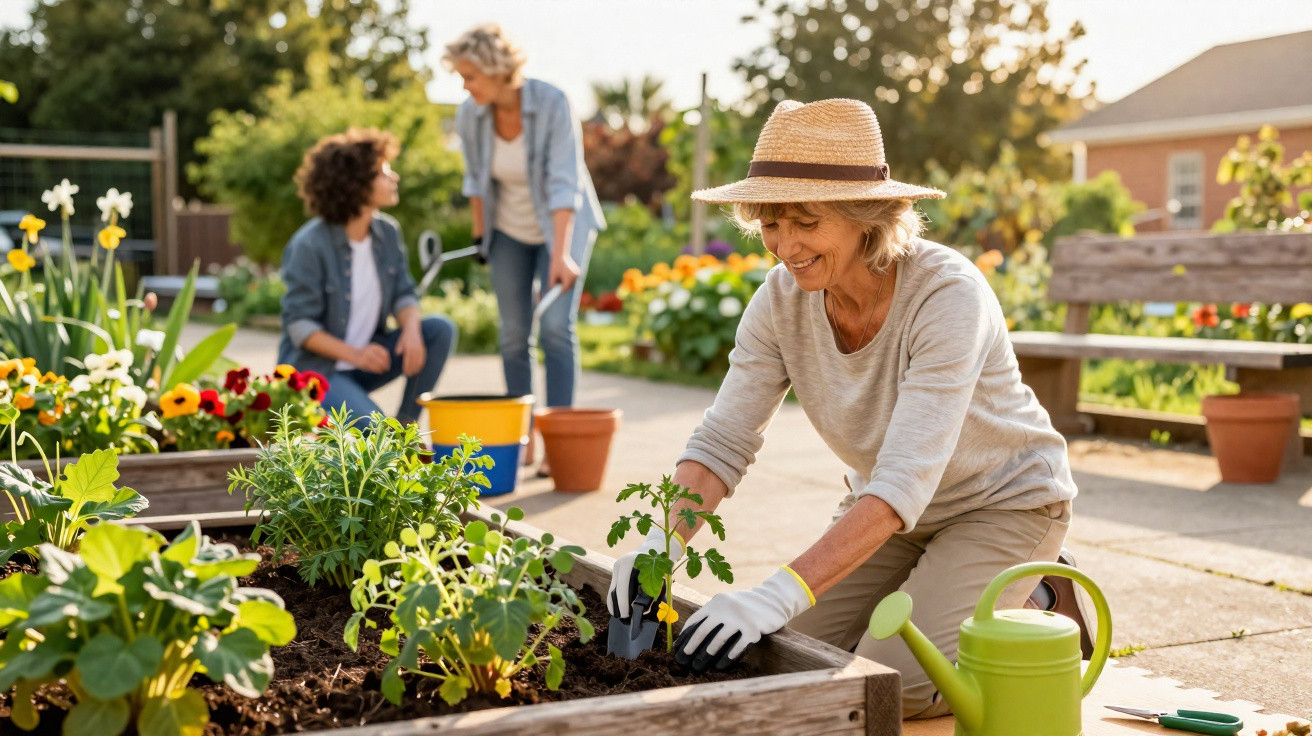
Community gardens are thriving in many towns and cities. People without their own plot share beds, tools and knowledge. They bring together a diverse mix of young families, pensioners and students. Those active in such a project move more and meet new people along the way.
How beginners can make a healthy start
Not everyone knows how to create a bed sensibly or when each plant needs pruning. Staff at garden centres or nurseries can help. They can explain which varieties suit your site, how closely to plant and which tools are worthwhile.
- Start small: a raised bed, a few containers or one corner of the garden is enough.
- Plan realistically: it is better to care for a smaller area thoroughly than spread yourself too thinly.
- Split up the work: schedule different tasks for different days.
- Build in breaks: after 20 to 30 minutes, briefly stretch, drink water and check how you feel.
This helps motivation last and makes overexertion less likely.
Know and avoid the risks
Of course, gardening is not a free pass. Anyone who is unfit and carries heavy bags for hours or works bent over risks strains, back pain and irritated joints. Sun protection matters too: a hat, sun cream and enough fluids should all be taken out to the beds.
People with allergies should watch pollen forecasts and, if in doubt, garden early in the morning or after a rain shower. Gloves protect against stings, thorns and minor injuries that could otherwise become infected quickly.
Related activities with a similar effect
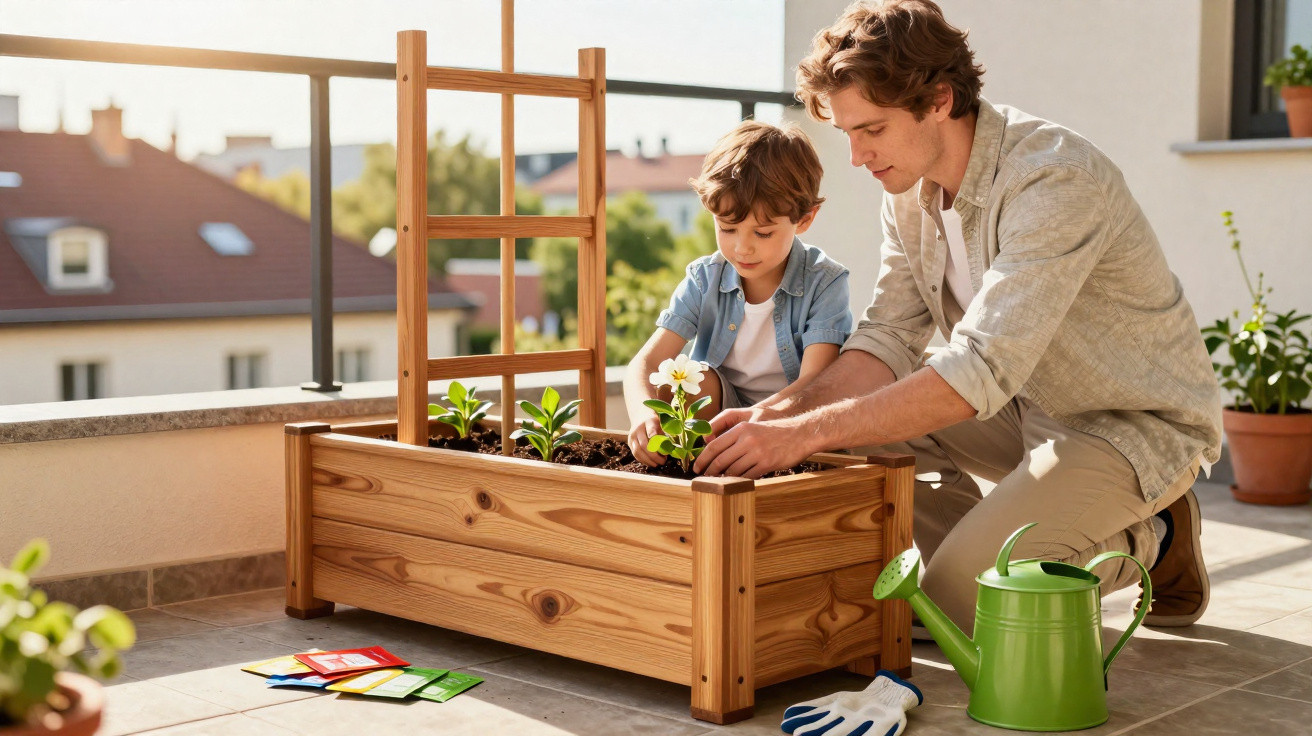
Not everyone has a large garden. People with only a balcony, patio or windowsill can benefit too. Window boxes, herb pots or a small tomato planter also provide exercise, light and meaningful tasks.
Those with no space of their own can find alternatives:
- Helping in a community garden
- Supporting older neighbours who have a garden
- Getting involved in school or nursery projects with vegetable beds
All of these activities combine physical movement with social contact and a clear outcome – much like working in your own garden.
Why the effect grows over time
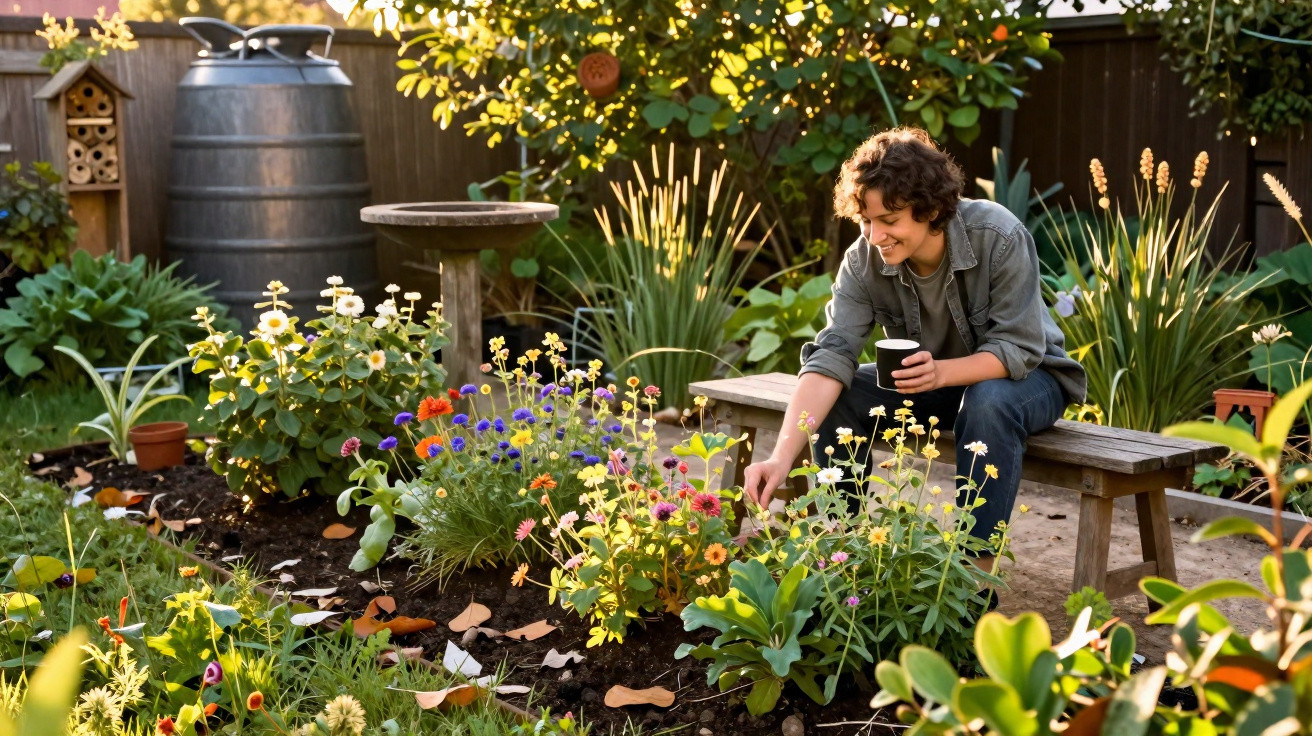
The longer people garden regularly, the more pronounced the benefits become. Muscles develop, movements become easier and stamina improves. At the same time, routines and rituals emerge: a regular time for watering, a particular day for pruning, or coffee on the garden bench once the work is done.
For many, this combination of movement, structure and contact with nature acts as a quiet antidote to constant stress. Anyone who has experienced the feeling soon understands why so many amateur gardeners describe their garden as “better than any gym”.
Comments
No comments yet. Be the first to comment!
Leave a Comment