
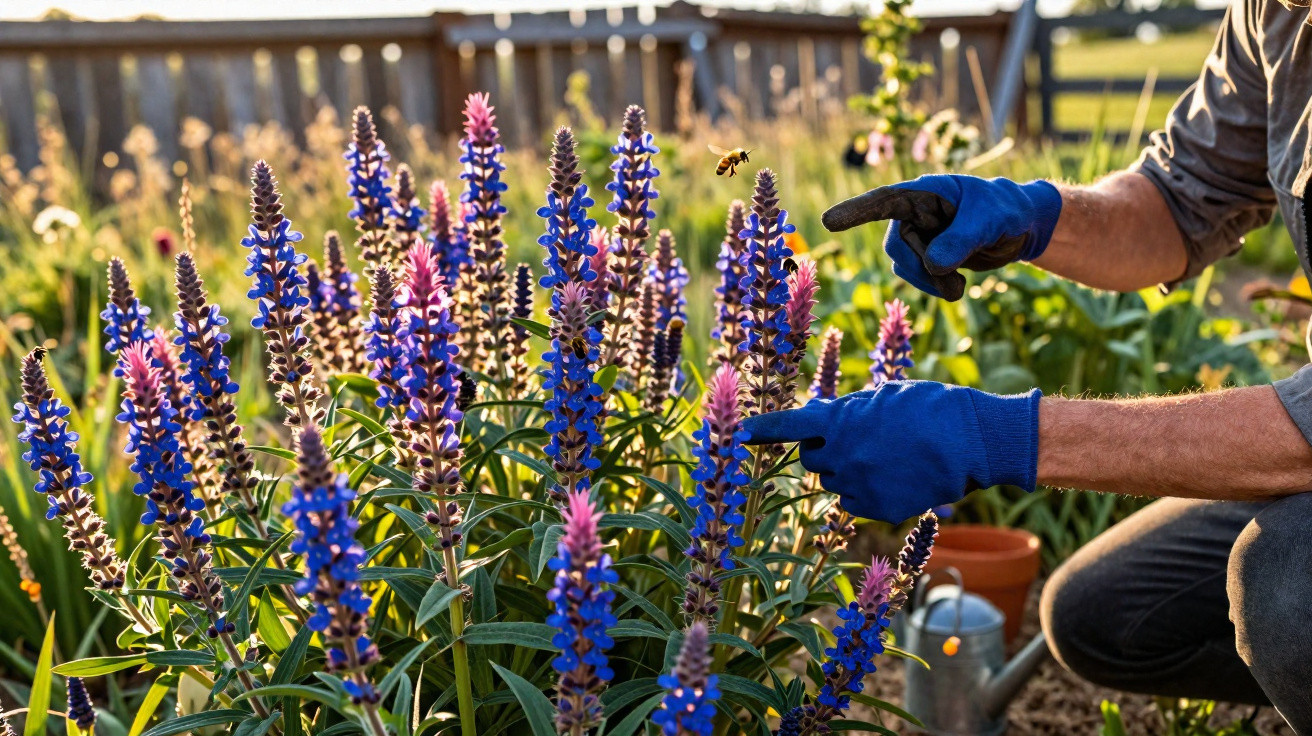
Among the many wild plants that stand out across European landscapes, Echium vulgare-usually known in the UK as viper’s bugloss, or blueweed-received particular recognition in 2026 when it was named Wildpflanze des Jahres, meaning ‘Wild Plant of the Year’. Picture a plant that thrives in a neglected patch of ground: dry, stony and seemingly lifeless, yet capable of bursting into intensely blue flowers. It does exactly that, appearing on embankments, roadside verges and sunny clearings, where its colourful displays attract countless insects.
What makes Echium vulgare such a tough and distinctive plant?
Viper’s bugloss is a biennial or short-lived plant in the Boraginaceae family. It is readily identified by its rough stems and leaves, which are covered in stiff hairs. These hairs limit water loss and deter grazing animals, acting as a “protective coat” in hot, dry settings.
Its flower clusters form in coiled spikes known as scorpioid cymes. They gradually unfurl, extending the flowering season. This keeps gardens colourful for weeks while giving insects access to resources for longer, which is especially valuable during increasingly unpredictable summers.
How do Echium vulgare flowers work, and why are they so striking?
The flowers of Echium vulgare generally open pink, then gradually turn vivid blue as chemical changes involving pH and anthocyanins take place. To an observer, this creates a nearly hypnotic gradient of blue shades within the same flower bed.
The stamens project beyond the corolla and carry plentiful pollen, while sweet nectar gathers at the base of each flower. Together, these features benefit both long- and short-tongued insects, explaining the wide range of visitors, from small solitary bees to larger butterflies.
Why is Echium vulgare so valuable to bees and other pollinators?
In dry, open places, viper’s bugloss functions as a genuine “roadside restaurant” for winged wildlife. When summer heat has caused many other species to stop flowering, it continues to provide nectar and pollen reliably.
The species helps support entire insect communities in human-influenced settings, including railway embankments, roadside verges and low-maintenance gardens. Its most frequently mentioned benefits include:
- Abundant nectar production even in poor, sandy or stony soils.
- A long flowering period that supplies continuous food during scarce periods.
- Dense flower clusters that concentrate resources in a small area, making foraging more efficient.
- The attraction of different pollinator groups, keeping biodiversity active.
How can Echium vulgare be grown safely and used effectively in the garden?
Growing viper’s bugloss at home is straightforward. It prefers full sun, well-drained and nutrient-poor soil, without heavy fertilising. In many cases, all that is needed is a dry spot, reduced competition from vigorous grasses, and surface sowing from late winter to late summer.
Because it contains pyrrolizidine alkaloids, Echium vulgare is not recommended for routine internal use, and any more intensive external application should be guided by a professional. Its chief value today is ecological and ornamental: a hardy, heat-tolerant plant that suits naturalistic gardens filled with pollinators throughout the summer.

Comments
No comments yet. Be the first to comment!
Leave a Comment