
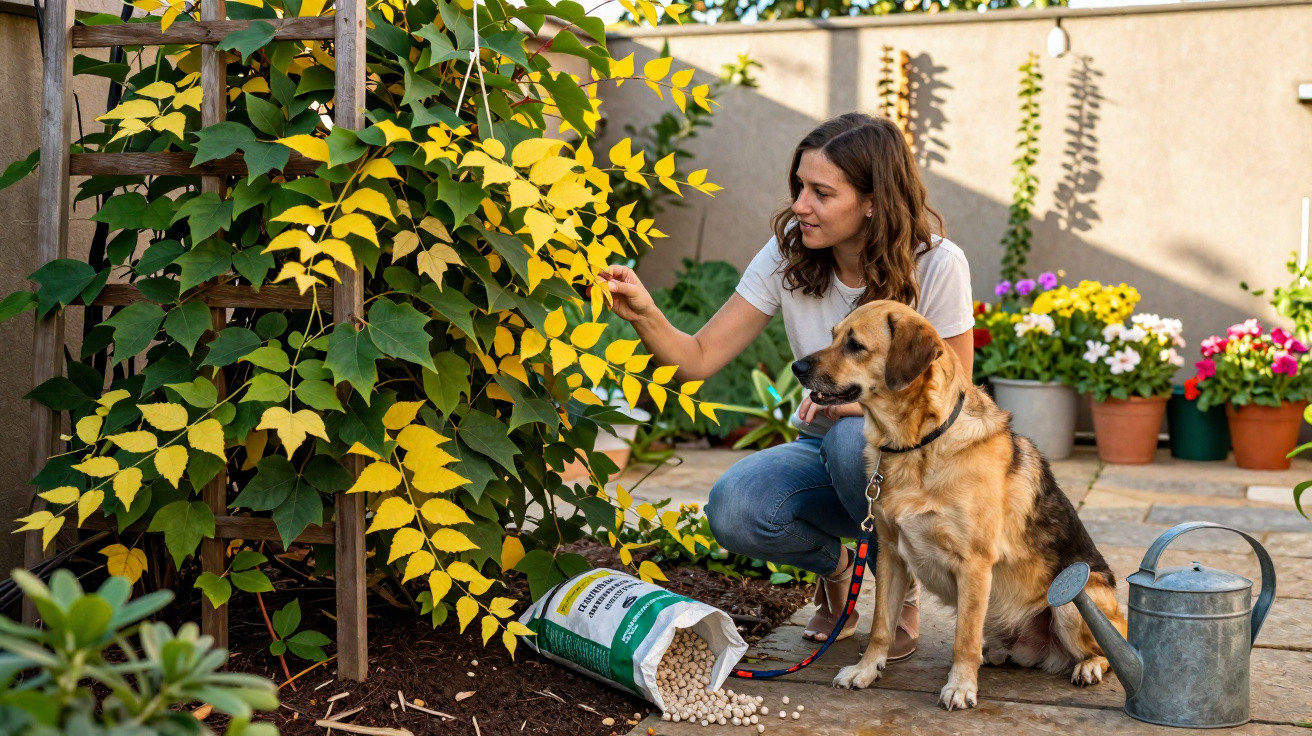
Anyone who fails to check the basics before planting risks yellow leaves, pest infestations and even a danger to dogs and cats.
Evergreen star jasmine is often seen as the perfect climber for a balcony, patio or house wall. Yet many plants end up on the compost heap in frustration because they die, become sparse or take over everything around them. The issue is even more delicate in households with animals. Ignore several key considerations and, instead of a Mediterranean feel, you may create a serious garden problem.
Location and climate: where star jasmine genuinely thrives
Star jasmine originates in areas with mild winters. Outdoors, it performs best where prolonged severe frosts are uncommon. It becomes vulnerable when temperatures repeatedly fall well below freezing.
In harsher locations, its foliage can turn black and shoots may die right back to ground level. Although some plants will grow again, they can lose their flower buds or flower very late as a result. Gardeners north of regions with mild wine-growing climates should therefore choose the position carefully.
In a cool climate, star jasmine is better kept in a large, well-insulated container against a sheltered south- or west-facing wall – rather than planted out in an open bed.
A sheltered site that warms up during the day without cooling completely overnight is ideal. A house wall retains heat, as do a stone wall or stone privacy screen. The plant quickly suffers in places exposed to extreme draughts, such as open high-rise balconies.
Keep vigorous growth under control early
Given favourable conditions, star jasmine grows at speed. Without regular limits, it can climb into gutters, wrap itself around pergolas, spread through a neighbour’s fence and crowd out weaker shrubs. This may look romantic at first, but becomes difficult to manage over the years.
- Plan for a sturdy climbing frame or wire trellis from the outset.
- Shorten side shoots regularly after flowering.
- Remove excessively long shoots early, rather than waiting until everything has been completely overgrown.
Guiding this fragrant climber with secateurs from the start keeps it shapely and avoids the need for drastic rejuvenation pruning later, leaving bare walls behind.
Yellow leaves and lost flowers: what causes these symptoms
Many owners struggle with yellow leaves, dropped buds or weak growth. In most cases, three factors are responsible: water, light and soil reaction.
Water needs: a thirsty beauty that dislikes drought stress
Star jasmine does not want its roots sitting in waterlogged soil, but it is highly sensitive to a drying root ball, particularly in a container. If the compost dries out completely, buds drop, leaves become pale, then brown, and eventually fall.
Useful rules of thumb:
- Never allow the root ball in a pot to dry out completely during summer.
- In hot weather on a balcony or patio, it is better to water once too often than too little.
- Use a loose, free-draining growing medium so excess water can escape.
If the pot has already dried out completely, only an “emergency soak” will help: stand the entire container in a bucket or tub of water for 10–20 minutes, until bubbles stop rising. Let it drain thoroughly afterwards.
Light and warmth: no sea of flowers without sunshine
Anyone hoping for scented blooms on warm summer evenings must provide sunshine. Star jasmine needs an average of five to six hours of direct sun each day, or at least very bright light in a warm window position.
If its position is too dim, the following can happen:
- Buds barely form or drop shortly before opening.
- Shoots become long and thin, stretching towards the light.
- Its evergreen nature suffers, and the foliage appears lacking in vigour.
Without enough sun, the celebrated fragrance is almost entirely absent – the climber then looks like any ordinary green houseplant.
Lime and pH: when chlorosis lightens the leaves
Star jasmine is among the acid-loving plants. Highly calcareous soil, or continuous watering with hard tap water, can readily cause chlorosis: leaves turn yellow while the veins remain green, and the plant looks dull.
Straightforward remedies include:
- Collect rainwater for watering and use it as the first choice.
- When repotting, incorporate specialist compost for ericaceous plants or rhododendrons.
- If yellowing is pronounced, apply chelated iron products, following the instructions on the packaging.
Choosing a slightly acidic growing medium at planting time prevents many yellow-foliage problems and promotes healthy growth.
Pests, pruning and star jasmine care pitfalls
Compared with many other climbing plants, star jasmine is considered fairly robust. Even so, pests can still appear, especially when the plant is weakened or kept in very dry air.
Mealybugs and more: sticky leaves are a warning sign
Scale insects and mealybugs are common unwelcome residents. They tend to gather on leaf undersides or young shoots, where they suck sap. Soon afterwards, a sticky coating becomes noticeable on the foliage and turns black as sooty mould colonises the sugary excretion left by the pests.
Acting quickly prevents more serious damage:
- Inspect the plant carefully, especially leaf undersides and shoot junctions.
- Prune out and dispose of heavily infested shoots.
- Spray with insecticidal plant soap or an approved oil-based product, coating both the upper and lower leaf surfaces.
- Repeat the treatment after several days to catch any late arrivals.
Chewed leaves and flowers are often caused by beetles or caterpillars. Usually, it is enough to collect them by hand and drop them into a bucket of soapy water.
The right pruning for more flowers and less chaos
A moderate trim after flowering is worthwhile. Overly dense foliage encourages fungal diseases and makes pest checks more difficult, while excessively long shoots deprive other plants of light.
This approach has proved effective:
- Remove every dead or frost-damaged shoot at the base.
- Redirect overly long stems onto a supporting framework or cut them back significantly.
- Rejuvenate very old, reluctant-flowering shoots gradually by removing only some of them each year.
This encourages young shoots that flower freely and keeps the plant visually appealing.
Pets and children: an underestimated risk in the family garden
Although star jasmine appears harmless, it can cause problems for dogs, cats and other small animals. The plant contains substances that can irritate the stomach and intestines if eaten.
Typical signs after nibbling it are vomiting, diarrhoea and unusual tiredness – in that case, it is best to call the veterinary practice promptly.
The milky sap released during pruning also deserves attention. This white latex can irritate the skin of sensitive people. Anyone working with it regularly should wear gloves and wash their hands thoroughly afterwards.
A safe position is particularly worthwhile in gardens with young children and inquisitive dogs:
- Plant it beyond children’s reach, for instance against higher walls.
- Do not place it directly beside a dog’s or cat’s favourite resting spots.
- Regularly sweep up fallen leaves if animals like sniffing around in the bed.
Check before planting: seven quick questions
Before star jasmine goes into the shopping trolley, a brief mental checklist can help. Anyone ticking “no” several times should perhaps choose a more robust climbing plant instead.
| Question | Yes | No |
|---|---|---|
| Are winter temperatures generally moderate, without prolonged severe frosts? | □ | □ |
| Is there a sheltered south- or west-facing wall for a container or planting bed? | □ | □ |
| Is rainwater or another low-lime watering source available? | □ | □ |
| Is a sturdy trellis or another climbing support in place? | □ | □ |
| Can the moisture level in the pot be checked daily during summer? | □ | □ |
| Can pets and young children be kept from reaching the plant? | □ | □ |
| Is there room to control its growth with secateurs? | □ | □ |
Practical additions for a successful start
When planting star jasmine, ideally mix some compost, bark humus and ericaceous compost into the soil. This creates a loose, mildly acidic environment that holds moisture without becoming waterlogged. In pots, a drainage layer of expanded clay at the bottom prevents waterlogging.
The plant needs fertiliser only sparingly: a slow-release fertiliser for flowering plants in spring, with possibly a light additional feed in summer, is often sufficient. Too much nitrogen encourages leafy growth and reduces flower production.
For balcony and patio gardeners, pairing it with other warmth-loving plants works well: lavender, Mediterranean herbs or grasses are visually compatible and favour similar conditions. Arranging several pots at different heights quickly creates a dense yet manageable “fragrance window” – without allowing one individual plant to dominate everything.


Comments
No comments yet. Be the first to comment!
Leave a Comment