
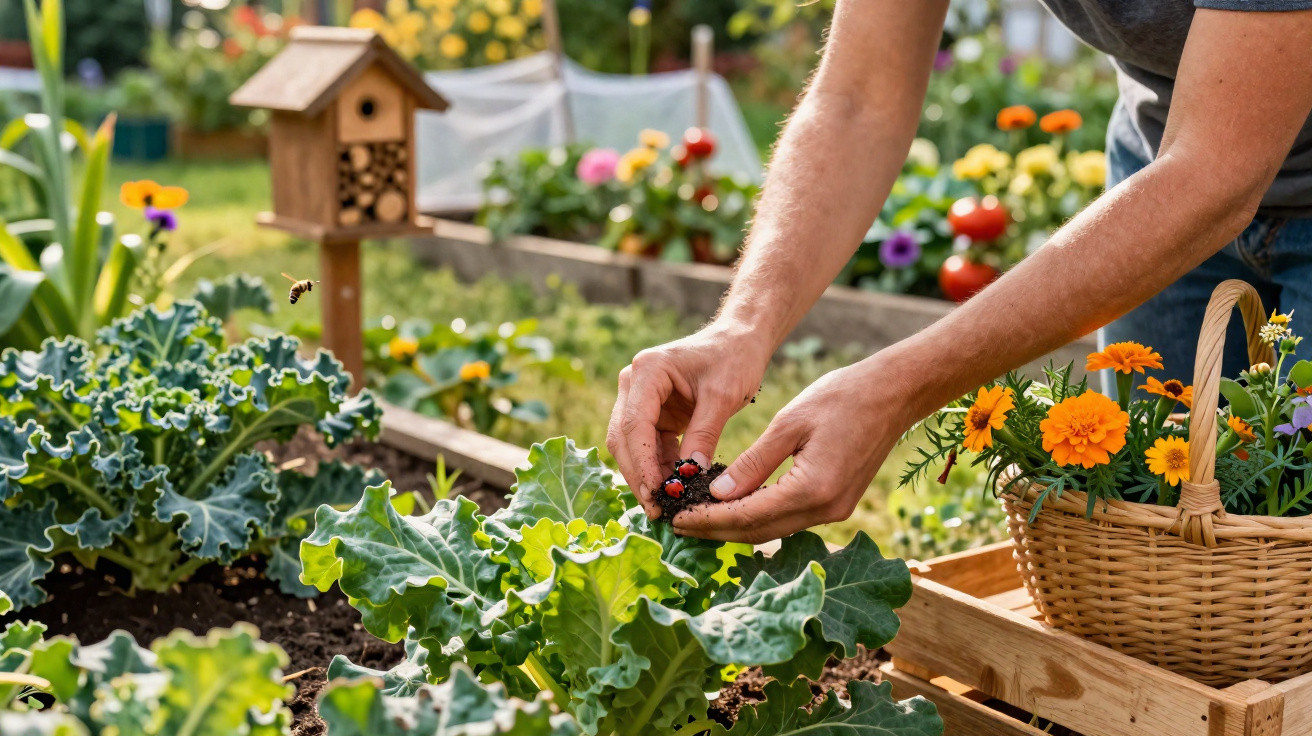
Up close, it looked like a crime scene. Slugs had reduced the first spring crops to lacework, aphids had assembled a silent army beneath the rose leaves, and a single plucky tomato plant had been chewed back to a forlorn green stem.
Whether it is a compact suburban terrace or a large rural back garden, the sight is strangely familiar. You crouch down, pleased with your efforts, then your heart sinks at the first ragged leaf edge. At that point, many people reach for a spray bottle: a rapid answer, a cloud of chemicals, and the comforting impression that the trouble has gone away.
But the soil retains the memory. So do the bees. At times, your own lungs do too. Increasingly, gardeners are fed up with that compromise and are choosing an entirely different route: one that is calmer, slightly more untidy, and much more full of life.
Why a living garden beats a chemical quick fix
The first thing that stands out in a pesticide-free garden is its soundtrack: birds shifting through hedges, bees humming around herbs, and beetles softly rustling in the mulch. Rather than feeling sanitised, it feels active.
Here, pest control is not something stored in a shed bottle; it is an ecosystem doing its job. Spiders shelter beneath pots, ladybirds keep watch, and toads sit in the moist shade beside the water butt. Instead of declaring war on every insect they notice, the gardener aims to shift the balance enough for their vegetables to have room to thrive.
This approach is slower than spraying. It requires observation, a little patience, and an acceptance that some leaves will have holes. In return, you gain a garden that is increasingly able to protect itself from one season to the next.
At a London community garden, volunteers chose to stop using synthetic pesticides overnight. The first summer was difficult. Cabbage white butterflies drifted over the brassicas like confetti, while slugs feasted in the lower beds.
In response, they set beer traps, used copper rings and created a small frog pond. Dill, fennel and yarrow were planted to attract lacewings and hoverflies. Within a year, aphid outbreaks had fallen dramatically, while the worst slug activity had moved into the wilder corners rather than the salad beds.
A survey of the group revealed something unexpected. Most participants said they felt “less stressed” about pests than they had previously, even when the visible damage was much the same. They felt they could understand the process: they saw predators arriving, rather than simply watching plants decline for no apparent reason.
The principle behind it is straightforward. Pests reproduce quickly when they discover a plentiful food source with no predators around. A garden saturated with chemicals removes that second element.
Natural control is, in essence, about being welcoming. You encourage the useful visitors while making conditions less convenient for the unwanted ones. Close planting shades weeds and provides fewer clear landing areas for pests. Combining flowers, herbs and vegetables also means that if one type of plant is attacked, another may avoid it.
Rather than taking a “me versus them” approach, the gardener acts more like a conductor. You do not mute the orchestra; you direct its louder instruments so that the music does not become noise.
Practical, natural hacks that quietly crush pests
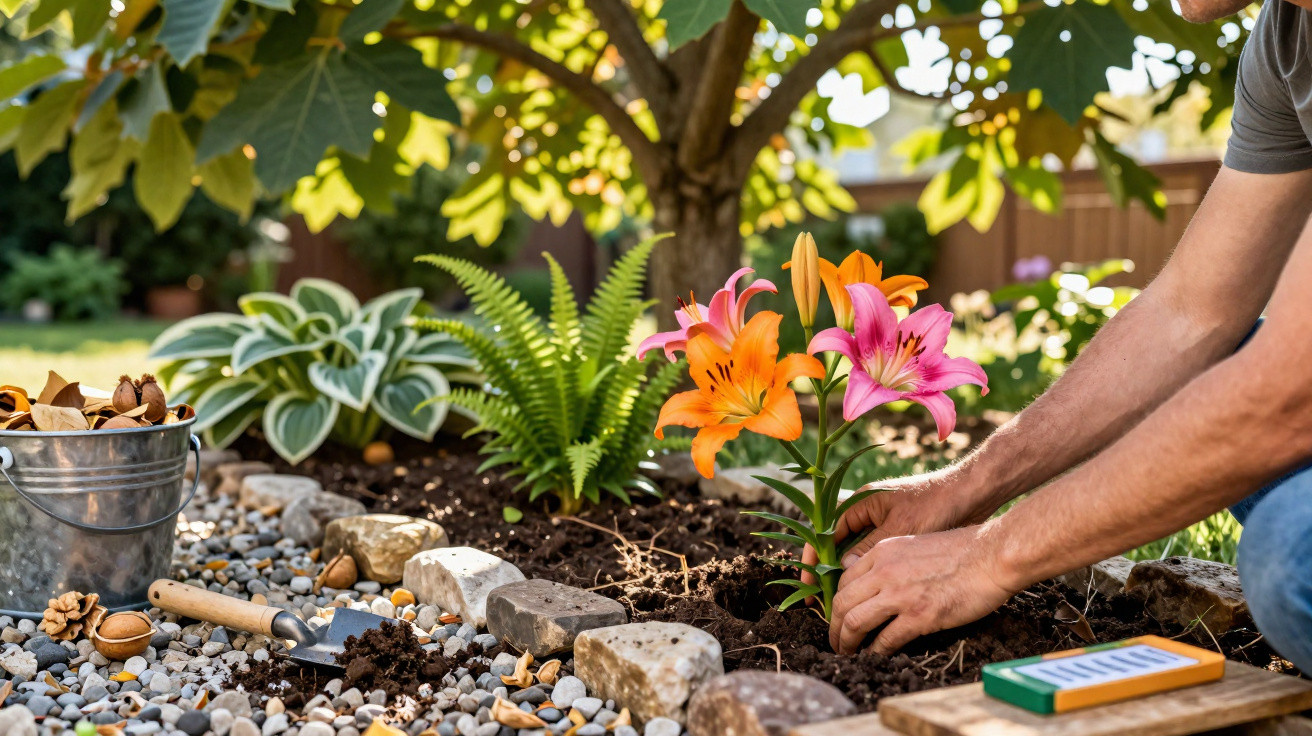
Visit any flourishing organic plot and one feature appears repeatedly: diversity at soil level. Mulch, companion plants, pieces of wood and even broken pots used as miniature shelters all create micro-habitats where beneficial insects can rest and hunt.
One simple, targeted tactic is to surround susceptible plants with helpful companions. Grow basil and marigolds around tomatoes to confuse whiteflies, or place garlic between roses to make aphids reconsider. A row of sacrificial nasturtiums can draw blackfly away from your beans by acting as a magnet for them.
Row covers offer a gentle kind of force field. Fine mesh over carrots excludes carrot root fly without smothering the crop. Beer traps, sunk to ground level, attract slugs after dark. None of these methods is magical on its own, but together they create a discreet layer of protection.
The most frequent natural pest control error is waiting until foliage resembles Swiss cheese. By then, you are bargaining with an infestation rather than preventing one. Small, early steps have far more impact than dramatic last-minute rescue efforts.
Another pitfall is striving for a vegetable patch as flawless as a catalogue photograph. That fixation easily sends people back to aggressive products. A few marks on a leaf, a nibbled strawberry or a rose that is not ready for Instagram are simply part of life in a living garden.
During a hectic weekday, inspecting every plant may be the last thing you want to do. Let’s be honest: nobody really does that every day. However, a five-minute evening stroll that catches the earliest warning signs is generally enough. Your eyes are still the best pest control tool you own.
“When I stopped trying to kill every insect, the garden calmed down – and so did I,” confided Emma, a balcony gardener who swapped chemical sprays for soap solutions and hand-picking. “I still lose a few leaves, but I don’t lose sleep anymore.”
A few straightforward foundations can make this a routine rather than a burden:
- Keep a small “pest kit” ready: gloves, a jar of soapy water, soft brush, headlamp.
- Choose two set walk-through days each week rather than checking at random.
- Record one brief observation on your phone: “first aphids on beans”, “slugs near compost”.
- Appreciate the helpers you spot: a cluster of ladybirds, a toad beneath a pot or a spider’s web.
On a peaceful evening, these habits feel less like labour and more like a slow exchange with the garden. In a difficult week, they prevent minor issues from becoming the sort of stories told through gritted teeth.
Tools, tricks and timing that make natural control actually work
| Key point | Details | Why it matters to readers |
|---|---|---|
| Use targeted home sprays, not “kill-everything” mixes | Mild soap sprays (1–2 teaspoons of pure liquid soap in 1 litre of water) reduce aphids and whiteflies on contact. Neem oil, applied sparingly at dusk, interrupts the life cycle of many soft-bodied pests without eliminating every insect it encounters. | Readers receive precise, inexpensive recipes to prepare in the kitchen rather than vague DIY advice or costly shop-bought alternatives. |
| Time your interventions for evenings or early mornings | Spray or hand-pick when sunlight is low and pollinators are less active. Cooler leaves are less likely to be scorched by home-made treatments, while bees and butterflies are disturbed far less. | This limits damage to beneficial insects and reduces plant stress, which matters especially if you already feel uneasy about “interfering” with the garden. |
| Combine barriers with habitat for predators | Apply copper tape or wool pellets around beds to slow slugs, while adding a small pond, log pile or dense groundcover where frogs, beetles and hedgehogs can shelter and hunt. | Rather than pursuing every slug indefinitely, readers build a system in which nature does most of the work, leaving them to focus on the most vulnerable crops. |
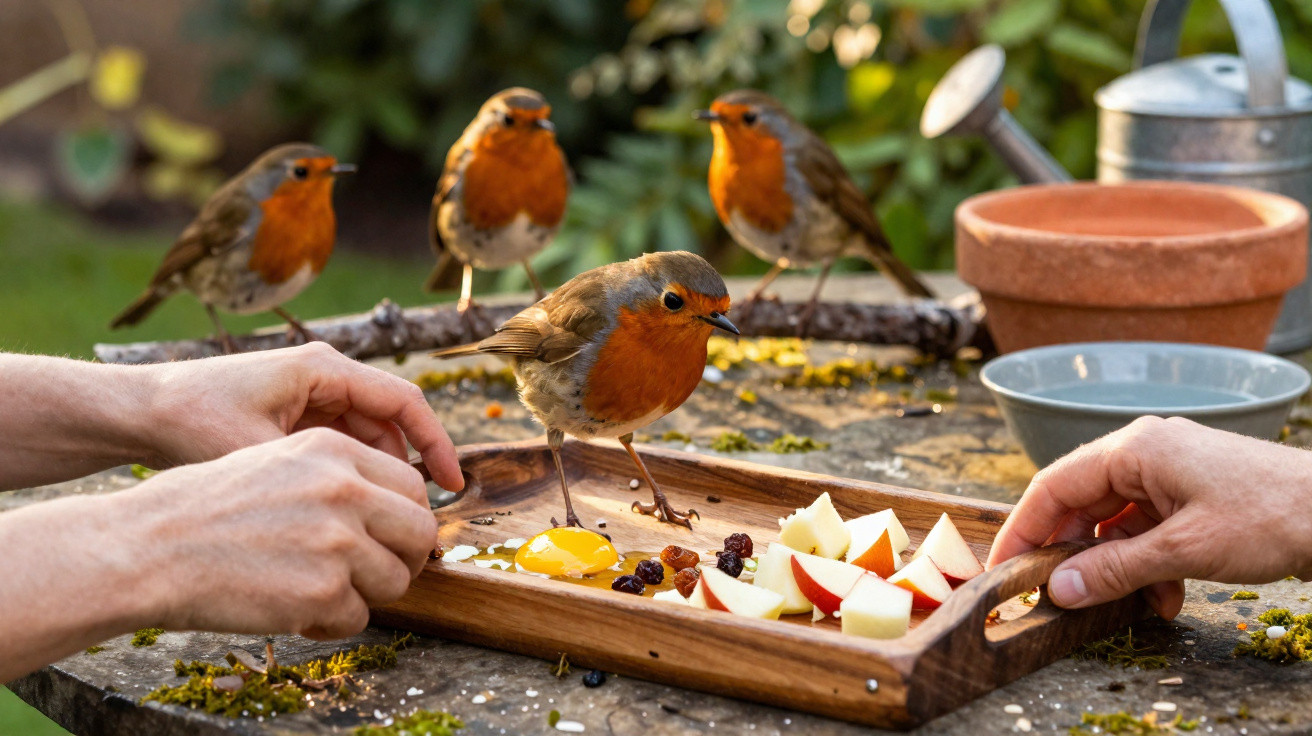
Natural pest control reshapes the way you view every part of the garden. A scruffy hedge is no longer “untidy”; it is a bug hotel. A shallow pebble-filled dish of water becomes a landing place for thirsty bees. Even one bird feeder can alter caterpillar numbers in a single season.
Everyone has had the moment of promising to “garden properly” this year, with impeccable timing and perfect plants. Then reality arrives: late frosts, work deadlines, holidays, children or simply exhausting evenings. These hacks are not intended to make you a full-time gardener. Their purpose is to make your limited time work harder.
Some days, you will do everything “right” and still watch slugs take an entire row of seedlings. On other days, you will forget the mesh and the carrots will somehow survive. A natural approach does not guarantee control over every detail. It offers another kind of success: a space that nourishes you, local wildlife and your curiosity all at once.
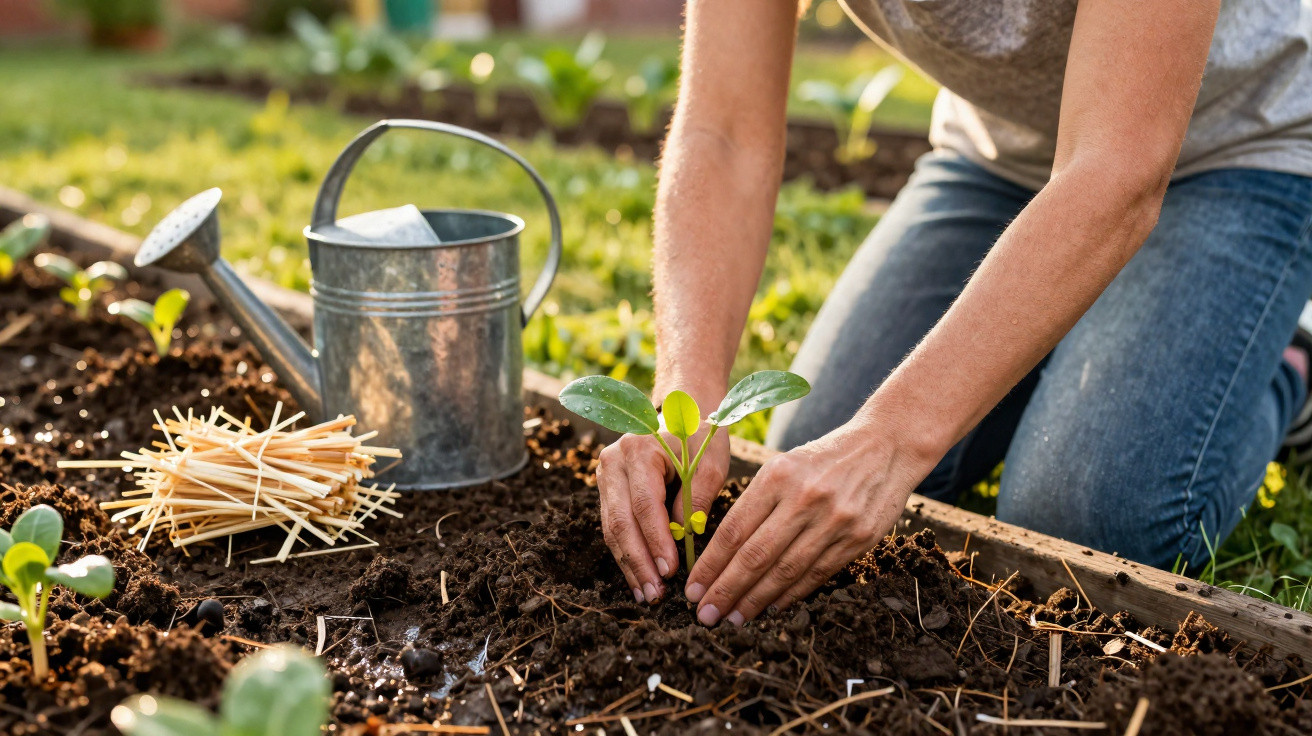
You could begin modestly: a pot of marigolds by the door, a bucket repurposed as a mini-pond, or a commitment not to buy harsh spray “just in case”. Across one growing season, those decisions build up. Across five, they transform the character of the whole space.
When you next find a chewed leaf, you can pick up a bottle, spray, walk away and try not to consider where the droplets will land. Or you can pause. Look more carefully. Ask what account the damage gives: what is feeding, what is hunting, and what is absent?
Many gardeners who follow this route never see their plot quite the same way again. A wasp is no longer simply “a sting”; it is a caterpillar hunter. A beetle is not just “a bug”; it is part of the night-shift patrol. Marks on a cabbage leaf stop seeming like defeat and instead become evidence that the garden is alive - and that you belong within that life rather than standing apart from it.
FAQ
- Do natural methods really work as well as chemical pesticides? They seldom work as quickly as a synthetic spray, but across a season they can be equally effective because they prevent major outbreaks. You build predator populations, make plants stronger and use simple measures before issues escalate, instead of reacting in panic.
- What’s the safest natural spray for beginners? A mild soap solution is a useful first option for aphids, whiteflies and spider mites. Mix a small quantity of pure liquid soap (not detergent) with water, test it on one leaf, wait 24 hours, then apply lightly in the evening if the plant responds well.
- How do I deal with slugs and snails without pellets? Use several methods together: hand-pick at night using a torch, set beer traps, shield young plants with collars or copper tape, and keep the soil surface drier around beds. Over time, encouraging frogs, birds and ground beetles will reduce the pressure on you.
- Will I still get a good harvest if I avoid chemicals? Yes, although it may appear less “perfect” in photographs. Many growers find yields rise after a couple of years as soil life returns and the garden food web becomes stable, even if a few leaves remain slightly holey.
- Are store-bought “organic” pesticides always safe for bees? Not necessarily. Some may still injure pollinators when sprayed on flowers or applied at the wrong time of day. Always read the label, avoid open blooms and spray at dusk, when bees and butterflies are not flying.
- What’s one simple change I can make this week? Leave or make a small wild corner: a stack of branches, tall grass or a dense shrub base. That little patch of “mess” shelters predators that quietly assist you throughout the year, without you having to lift a finger.
Comments
No comments yet. Be the first to comment!
Leave a Comment