
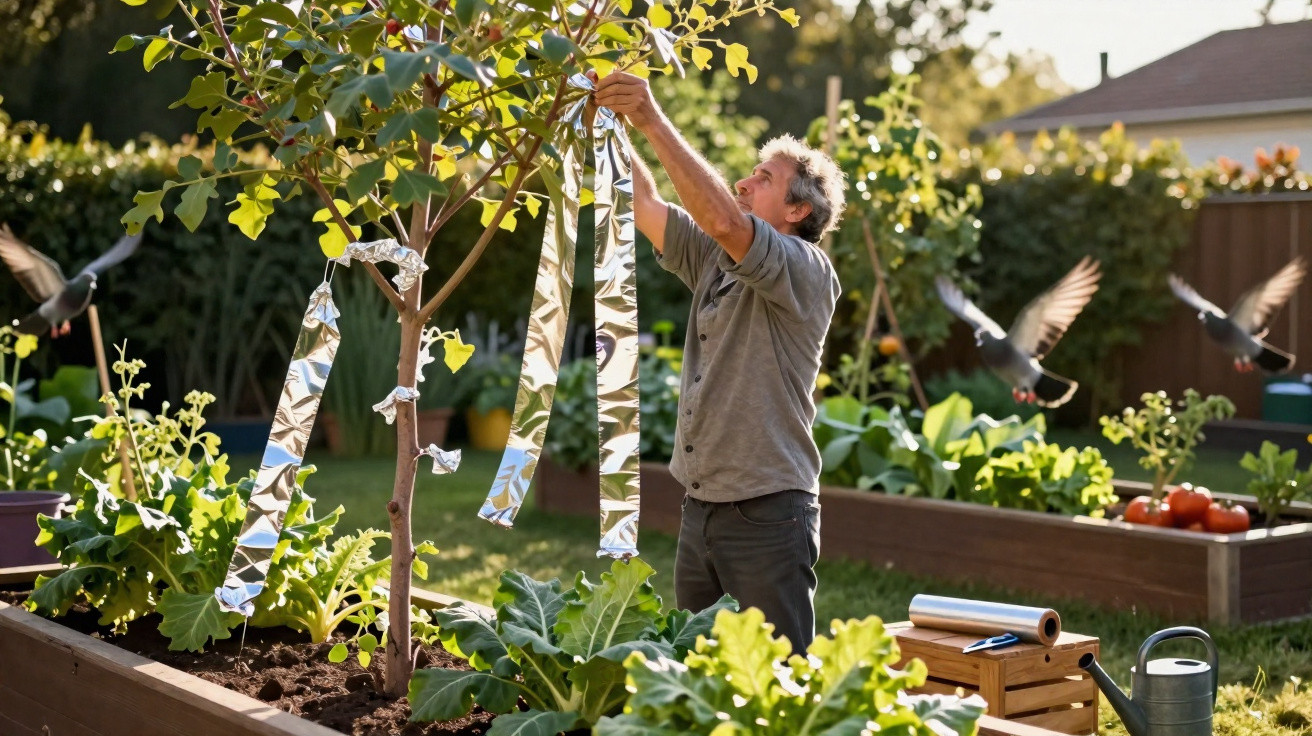
Anyone getting their garden ready at this time of year soon notices that spring affects more than flowers and vegetables. Urban pigeons and other birds in particular see newly prepared beds as a buffet, sometimes with frustrating consequences. Surprisingly, an everyday kitchen item may offer a simple remedy: an ordinary sheet of aluminium foil.
Pigeon problems in spring: why the garden suddenly becomes a trouble spot
Early spring marks the start of the breeding season for pigeons and many other bird species. They are then constantly looking for food, water and safe places to rest. Patios, balconies and gardens provide ideal conditions, especially in densely built-up residential areas.
Most amateur gardeners will recognise the usual damage:
- young lettuces and herbs are pecked at or completely ruined
- newly germinated vegetable plants disappear overnight
- window boxes and raised beds become perching and sleeping places
- patios, garden furniture and railings are covered in droppings
Experts warn that the problem is not merely cosmetic. Pigeon droppings are considered highly corrosive and may damage paintwork, wood stains and metal surfaces. There are hygiene concerns too: areas with substantial amounts of droppings can attract other pests, such as rats, which can in turn cause further issues around the house and garden.
“Anyone who consistently drives pigeons away from the outset not only protects beds and furniture, but also reduces the long-term risk of more extensive damage.”
How aluminium foil deters birds without harming them
Many standard deterrents are costly, difficult to fit or simply unattractive. Metal spikes, nets and elaborate electrical systems put off plenty of amateur gardeners. Garden experts are therefore increasingly recommending a straightforward alternative: aluminium foil scrunched into balls or cut into strips.
The method works in several ways:
- Light reflections: The foil’s smooth surface reflects sunlight in brief, bright flashes. Pigeons can find these rapid changes in light unsettling and threatening.
- Movement in the wind: Loosely suspended foil balls or ribbons wobble with every gust. This continual movement creates additional uncertainty for the birds.
- An unpleasant sensation: When pigeons touch the foil in a bed with their beaks or feet, its smooth, crackling surface feels uncomfortable, encouraging them to choose another location.
This creates a type of “visual and tactile fence” that keeps birds away without injuring them. It is therefore well suited to gardens where poisons, traps and harsh deterrents are to be avoided.
Where aluminium foil has the greatest effect in the garden
Correct positioning is crucial for this trick to work. Experts advise first watching where pigeons regularly gather. These locations are usually:
- window sills and balcony railings
- railings on patios and stairways
- crossbars on pergolas and carports
- tree branches close to beds
- edges of raised beds and plant containers
These are precisely the spots where the first pieces of foil should be placed. The more directly visible they are, the stronger their deterrent effect.
| Problem area | Recommended use |
|---|---|
| Window sill, balcony railing | Hang small foil balls from string or loosely place down strips of foil |
| Vegetable bed, rows of lettuce | Lay narrow strips between the rows or press them lightly into the soil |
| Fruit trees, berry bushes | Hang foil “garlands” in the branches, particularly around the outer edge of the canopy |
| Patio, railings | Loosely secure several shiny ribbons so that they flutter in the wind |
Step by step: how gardeners can use aluminium foil effectively
1. Identify pigeon routes in your garden
Before putting out foil, it is worth taking a quick walk around the garden. Where are droppings especially common? Which surfaces do the birds use as landing spots? A clear pattern often emerges, as pigeons are creatures of habit and frequently return to the same places.
2. Prepare the foil
An ordinary household roll is sufficient for use in the garden. Three basic forms are particularly practical:
- Balls: loosely scrunched, roughly walnut- to fist-sized, for hanging in trees and from railings
- Ribbons: torn into long strips by hand or cut with scissors, for beds and fences
- Sheets: flat pieces, for example to wrap around posts or lay across window boxes
3. Attach it correctly
The balls can be secured easily using twine or parcel tape. Positioning them at approximately eye to head height is ideal, allowing the light to catch them well and the wind to create movement. In trees, several smaller balls work better than one large, heavy piece.
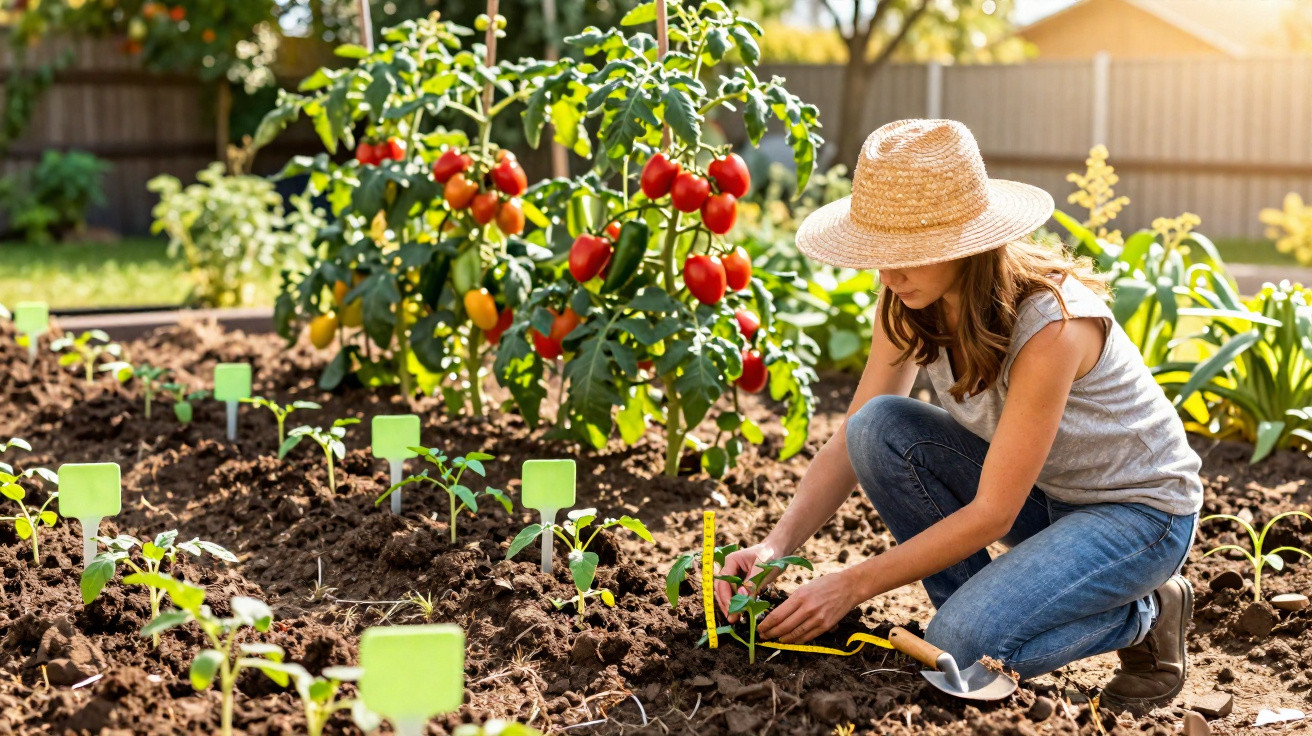
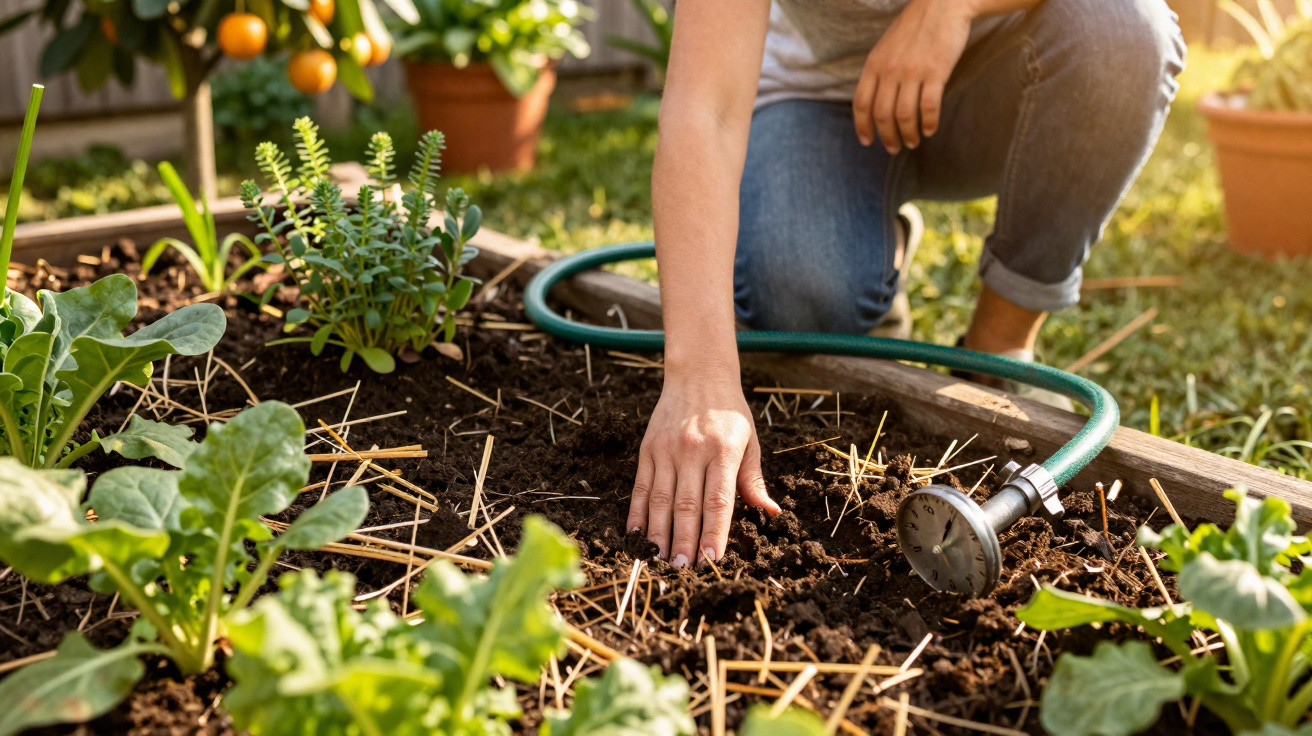
In vegetable beds, ribbons should not rest directly on delicate leaves. Instead, place them between plants or push them lightly into the soil. This prevents damage to the plants while keeping the foil visible and noticeable to the touch.
Advantages over expensive professional solutions
Many professional bird-deterrent systems quickly cost into three figures, particularly for larger houses or complex roof structures. Using aluminium foil, by contrast, offers several advantages:
- low cost, as a single household roll is usually enough
- quick to install without any tools
- easy to remove or reposition
- no risk of injury to animals
- can be combined with other gentle methods, including decoys or scent barriers
“A few strips of foil make it possible to test how sensitive the pigeons in your own garden are, without investing in permanent installations.”
What gardeners should consider when using aluminium foil
Useful as this method is, it has limitations. If foil remains in exactly the same place for months, some birds may become accustomed to it. It is therefore sensible to alter the arrangement slightly every few weeks. Different heights, alternative branches or subtly changed shapes help keep the disruptive effect fresh.
There is also an environmental consideration: aluminium foil should not go into garden waste at the end of the season. It should be collected again, preferably clean, and sent for recycling. Anyone wishing to protect the same area for several years can instead use reusable alternatives, such as reflective tape or old CDs, and combine them with foil.
Further ways to deter pigeons in the garden
Aluminium foil works best as part of a wider set of measures. Gardeners can also:
- reduce food sources, for instance by not leaving open feeding dishes out overnight
- position water sources so they are not directly beside beds
- plant climbing plants around popular landing sites to make them less comfortable
- use visible decoys, such as silhouettes of birds of prey, and move them regularly
In densely built-up urban neighbourhoods, coordinating with neighbours can be worthwhile. If one balcony is pigeon-free but a neighbour feeds birds generously every day, deterrent measures soon lose their effectiveness.
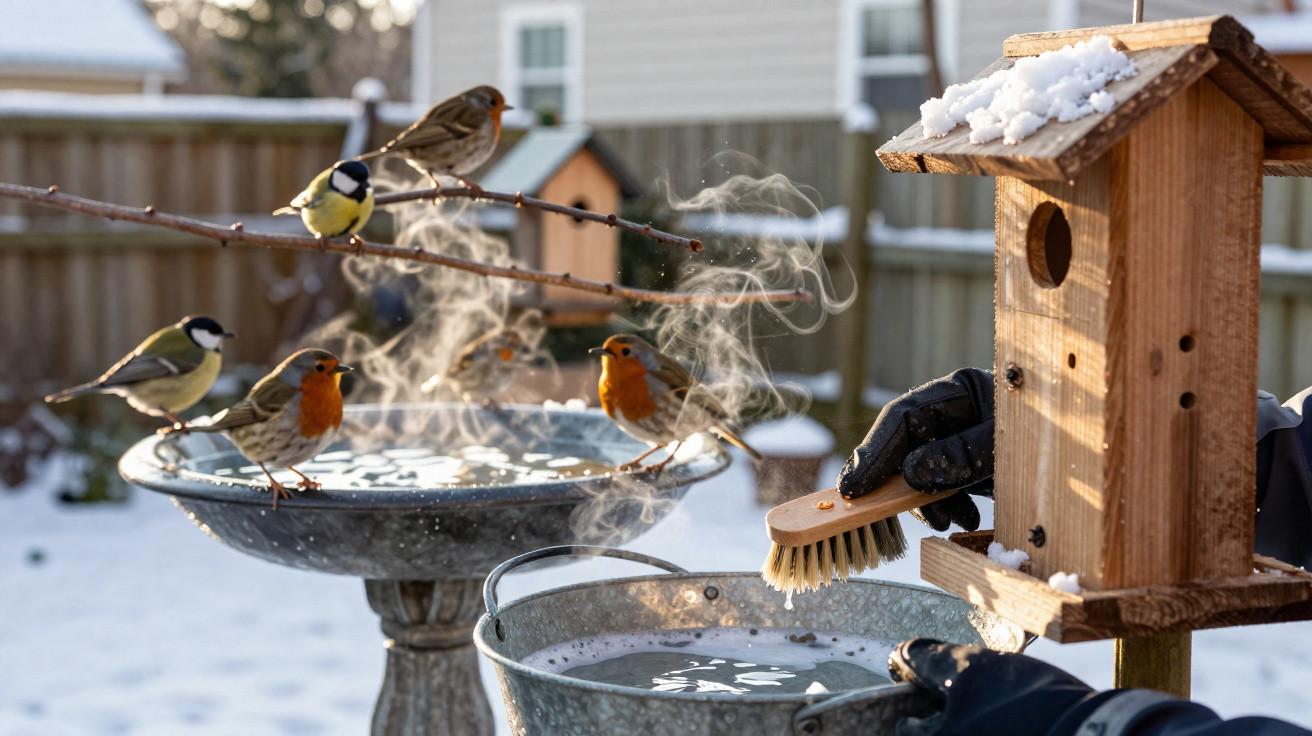
Nature lovers often wonder how to support birds generally while still protecting vulnerable areas. One approach is to set up suitable feeding stations at a greater distance from the vegetable garden. This supports songbirds while aluminium foil makes vegetable plants and patios less appealing.
Those who begin this spring with a few simple strips of foil can keep their beds calmer over the long term. The effort is minimal, the effect is often remarkable, and more of the coming harvest is likely to end up in your own basket rather than in pigeons’ beaks.
Comments
No comments yet. Be the first to comment!
Leave a Comment