
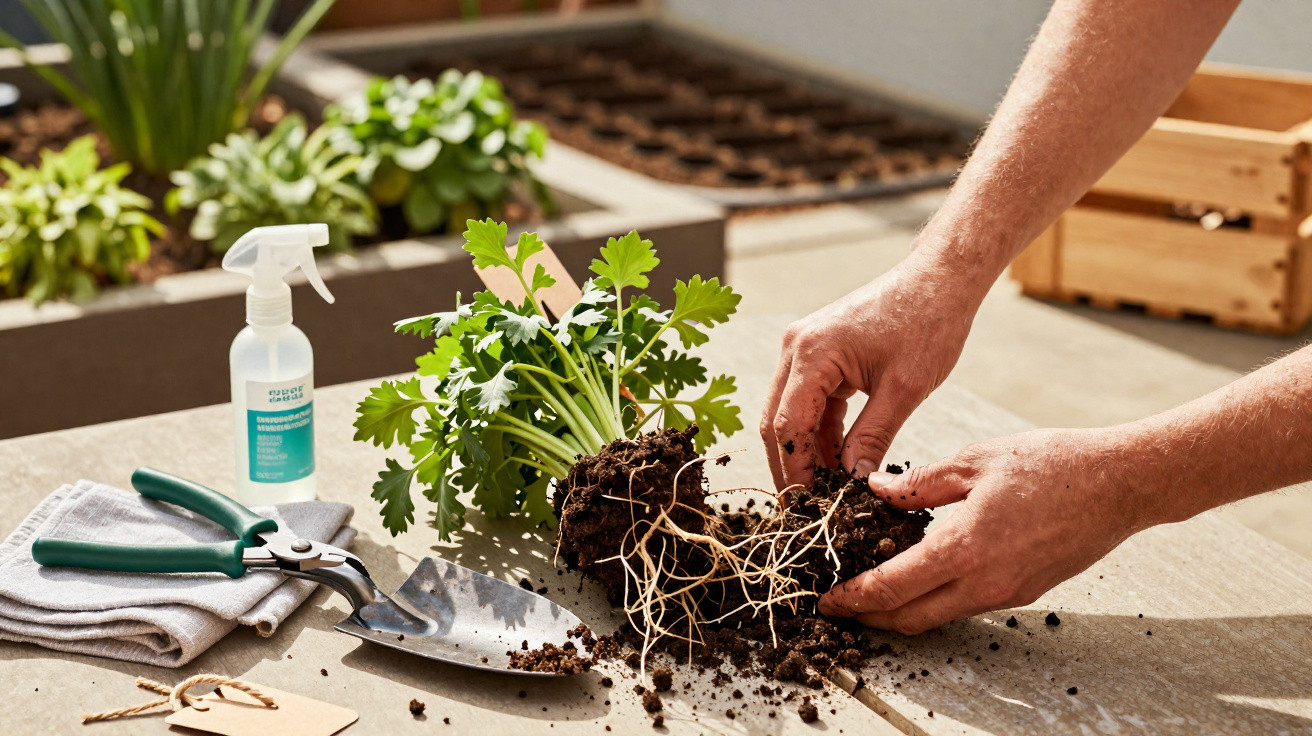
Most gardeners have put their tools away until spring, but professional growers are already reshaping their borders - and turning one exhausted clump into five healthy new plants at no cost.
Why late January is the sweet spot for dividing perennials
The usual instinct for home gardeners is to wait for warmer, sunnier weather before handling plants. That schedule may suit us, but not necessarily the plants. For many hardy perennials, late January is in fact the gentlest time to lift or divide them.
At this point, plants are deeply dormant. Their sap has withdrawn, above-ground growth has died back or vanished, and their roots are working only slowly. Moving or splitting them now causes much less disruption than it would when they are directing energy into fresh foliage and flowers.
Working in late January gives new divisions several weeks to heal and produce fresh root tips before spring growth demands kick in.
After a clump has been lifted and divided, small root wounds begin to callus and regrow. When the days lengthen and temperatures become milder, every division will be ready to support new shoots instead of spending valuable energy recovering from a late spring disturbance.
There is a practical benefit too: winter rain often softens the ground, so it is easier to cut around large clumps and lift them without breaking much of the root system.
Which perennials love being split now – and which should be left alone
Mid-winter division does not suit every plant. Concentrate on robust, deciduous perennials that have died back underground or remain as dry, brown stems above the soil. The strongest prospects are clumps that have occupied the same spot for at least three or four years and are beginning to flower less well at the centre.
Prime candidates for a January division
- Autumn asters: Left undivided for too long, these can become woody and prone to mildew. Splitting them maintains vigorous, bushy growth.
- Daylilies (Hemerocallis): Their substantial, fleshy roots are straightforward to cut apart and replant, and they recover quickly.
- Phlox paniculata: Mature clumps often flower weakly; division promotes fresh, upright and floriferous growth.
- Coreopsis and rudbeckia: These dependable border plants respond well when lifted and split every few years.
- Hostas: Provided the soil is not frozen hard, divide them before the new-growth “horns” emerge above ground.
Perennials that bloom during winter or very early spring should be treated differently. They are either actively growing already or do not tolerate root disturbance.
In particular, avoid hellebores and peonies. Hellebores are preparing to flower, and cutting into their roots now can reduce the display by half. Peonies can remain unhappy for years when moved or divided poorly.
As a rule, if a perennial is already in bud or bloom, or famously hates root disturbance, leave it alone until its resting phase.
Step-by-step: how to split a clump without killing it
The point at which many gardeners lose confidence comes when the plant is lifted and needs cutting. It can seem harsh. However, dividing a perennial is more like surgery than butchery: tired tissue is removed, while the strongest sections gain space to grow.
Lifting the plant
- Pick a day when the ground is workable rather than frozen hard or waterlogged.
- With a spade or garden fork, dig a generous circle around the clump, keeping several inches from the visible stems.
- Pry out the entire clump in one piece where possible, retaining as many outer roots as you can.
- Shake away or lightly tap off surplus soil to reveal the root system’s structure.
You will generally find a worn, woody middle section with fewer viable buds, encircled by younger and healthier growth. Put the central core aside for disposal and retain the outer sections.
Making the divisions
Once the clump is lifted, there are two main methods of dividing it.
- By hand: With plants that have flexible, fibrous roots, gently but firmly pull the clump into separate sections. Begin at the outside and work towards the middle.
- With a blade: For tightly tangled crowns, use a sharp spade, pruning saw or robust knife. Lay the clump on the ground and slice it into wedges as though cutting a cake.
Each new piece should have at least one or two visible buds and a decent fan of roots. Tiny scraps rarely thrive.
Do not worry if some roots snap during the process. Daylilies, rudbeckias and asters, among others, cope well with this treatment as long as each final division has sufficient roots and several growing points.
Replanting: the crucial hour after division
Newly cut roots can dry out remarkably quickly in winter winds. Once you begin lifting and splitting, plan to get the divisions back into the ground that same day.
If you can’t plant immediately
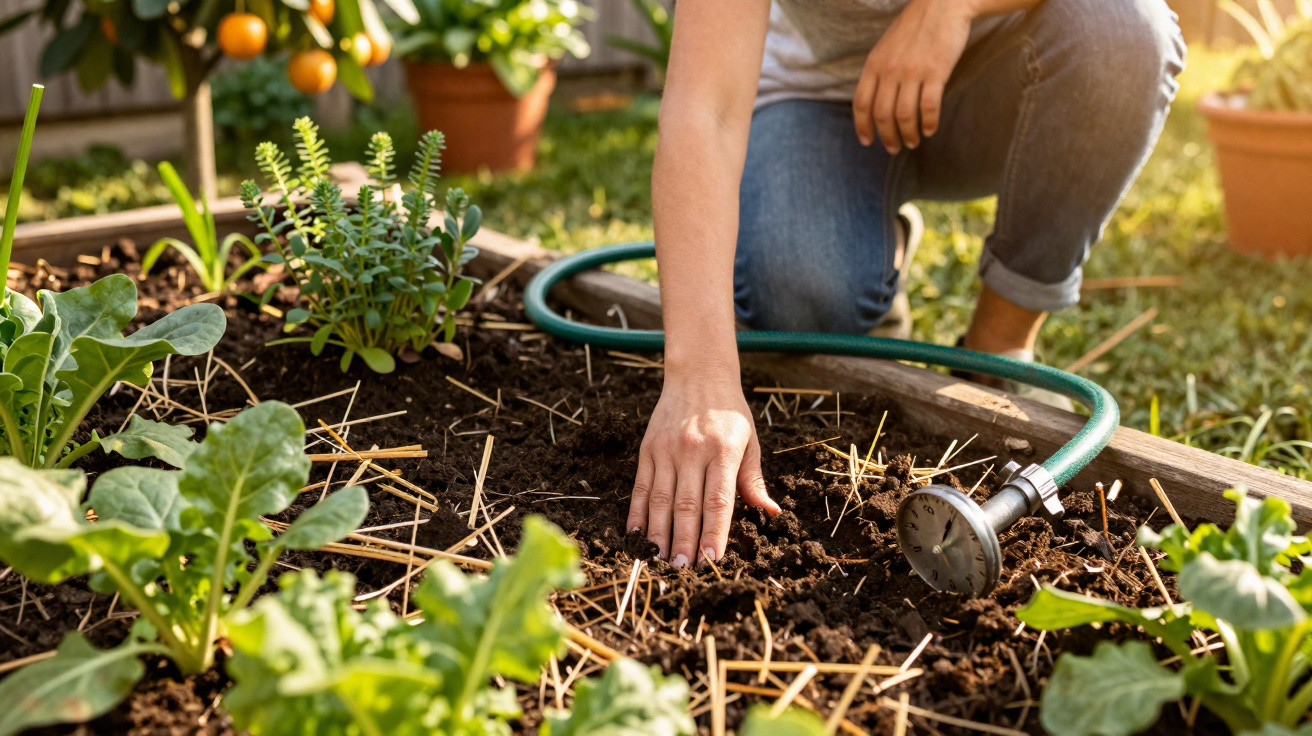
- Temporarily “heel in” the divisions in an unused vegetable bed: make a shallow trench, arrange the pieces in it and cover their roots with soil.
- Alternatively, pot them into containers of garden soil or peat-free compost and place them somewhere sheltered.
Preparing the final planting site matters just as much as making the cuts.
| Step | What to do |
|---|---|
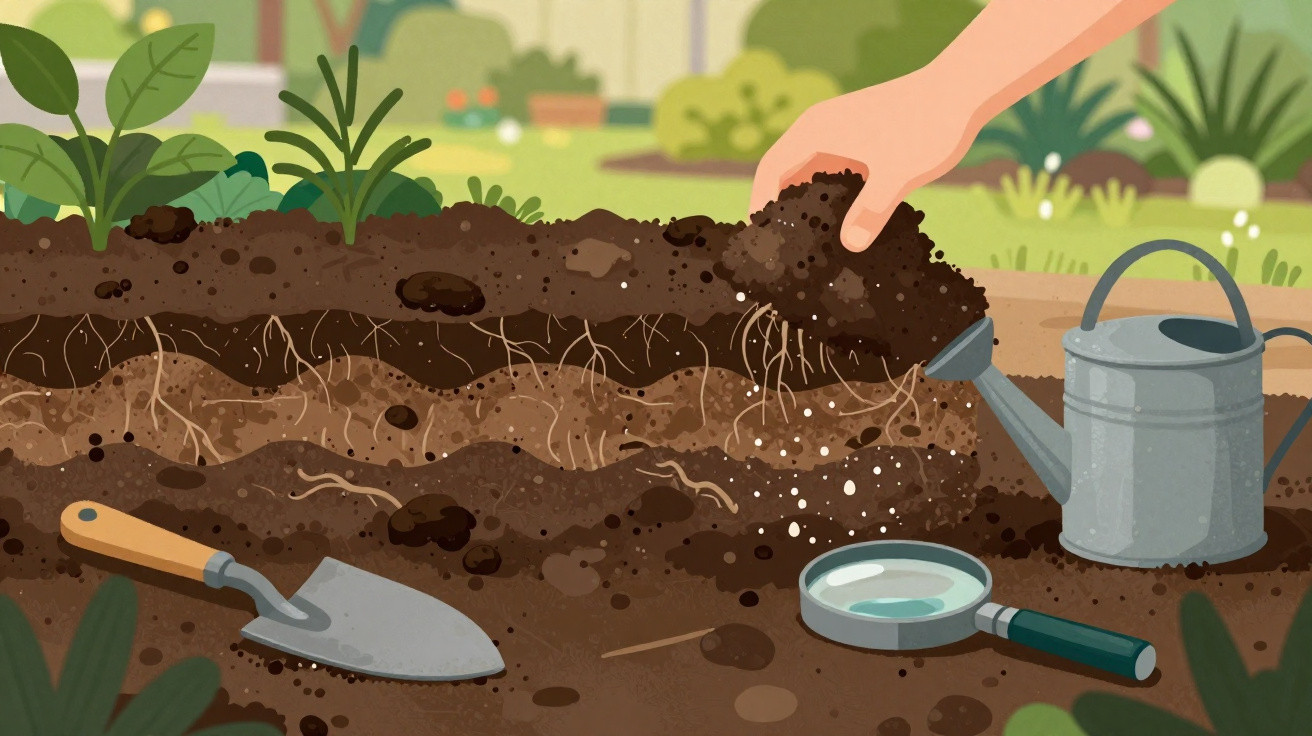
| 1. Improve the soil | Break up the planting area and incorporate well-rotted compost or a slow-release organic fertiliser. |
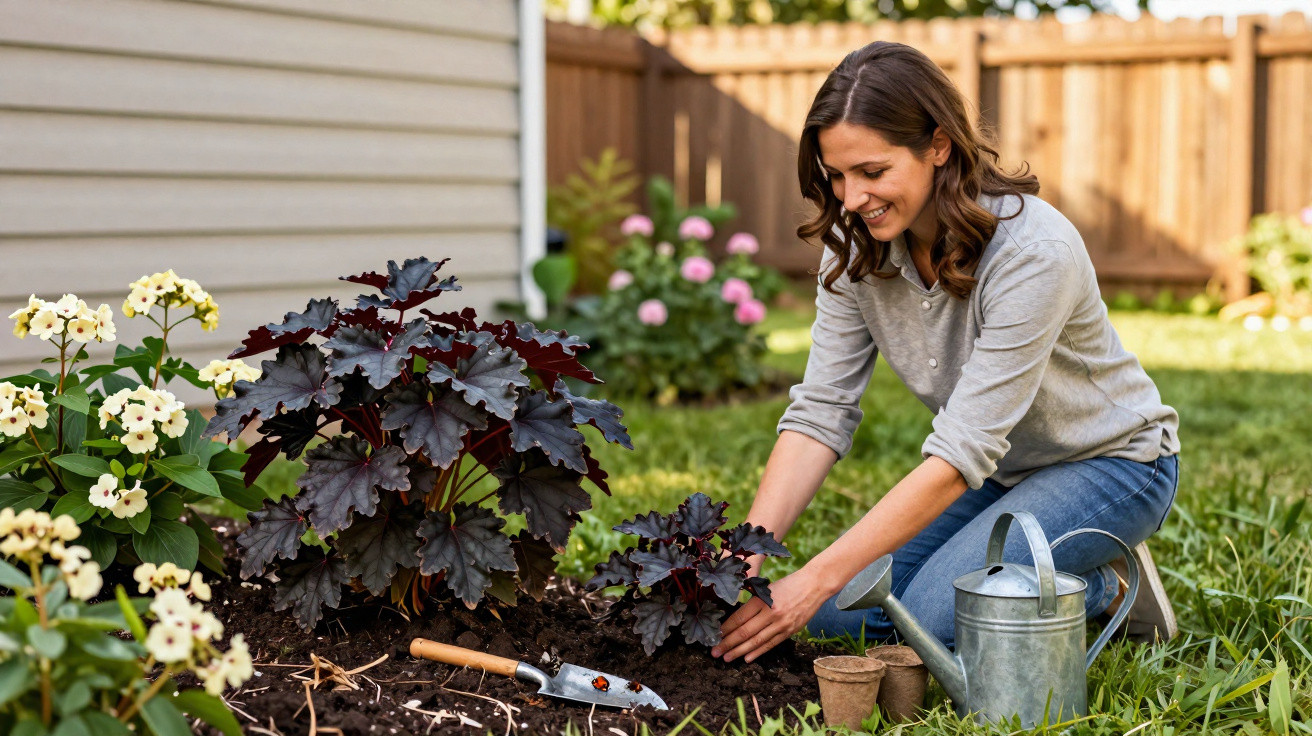
| 2. Plant at the right depth | Position the division with its crown - where roots join shoots - level with, or just above, the soil surface. |
| 3. Firm in well | Use your hands or boot to press soil around the roots and eliminate air pockets. |
| 4. Water once | Water thoroughly to settle the soil around the roots, even when rain is expected. |
Cold weather can still cause problems, particularly for recently disturbed roots.
A thick mulch of leaves, bark or straw around the base acts like a winter duvet, buffering young roots from hard frost.
Leave a small gap between the mulch and the growing points to prevent rot during prolonged wet weather.
The quiet maths: how one clump becomes a border
Dividing perennials in late January brings visual, horticultural and financial rewards.
Consider a mature daylily that has been growing in one place for five years. Above the ground, it may appear to be one plant, but below the surface it is often a ring of several smaller plants crowded together. Fifteen minutes with a spade can frequently produce five or six strong divisions.
If each of those divisions would cost £7–£10 at a garden centre, a single session with a spade can save £40 or more.
The less obvious benefit is better plant health. Ageing, overcrowded clumps slowly deplete the soil beneath them and can become increasingly susceptible to disease. Dividing them relieves that stress, provides each piece with fresh ground and often produces more striking flowers within a season or two.
There is a design benefit as well. Repeating one variety at intervals through a border creates a more unified overall effect. Dividing your own plants lets you build that rhythm and cohesion without having to search shops for matching cultivars.
Common pitfalls and how to avoid them
Most problems following division result from a handful of straightforward errors.
- Replanting divisions that are too small or lacking strength.
- Allowing exposed roots to sit in drying wind for several hours.
- Planting back into compacted, nutrient-poor soil without incorporating organic matter.
- Neglecting to water at planting because “it’s winter, the soil is wet”.
- Dividing plants that have not fully entered dormancy or dislike being disturbed, including peonies.
Avoid these mistakes and success rates should be high, especially with the hardy perennials named above.
A few useful terms and scenarios for new gardeners
“Dormancy” is a term that appears frequently in winter gardening guidance. Put simply, it is a plant’s resting period. Growth above ground stops, while below ground its metabolism slows without stopping altogether. This is why roots can continue to heal and grow gradually after a clump is divided in cold conditions.
Another helpful term is “crown”, also called the “collar”: this is where the roots meet the stems. Set it too deeply and the crown may rot; plant it too high and the roots are more likely to dry out or suffer frost damage.
Picture two neighbouring gardens this year. In the first, the gardener leaves every old perennial untouched until April. By then, shoots are appearing, so dividing plants interrupts them just when they are expending energy on growth. In the second garden, the gardener uses a cold Saturday in late January to divide three or four key clumps, replant the best portions and apply mulch.
By midsummer, the second garden usually shows fuller borders, more even flowering and fewer gaps – all for the price of a few hours in the cold.
For beginners, it is sensible to combine winter division with simple composting. The woody centre removed from older clumps need not be wasted: once decomposed in the heap, it contributes to future soil health. Over several seasons, this pattern of dividing, planting and composting can transform a sparse, uneven border into a rich, repeating tapestry of colour - without buying a single new plant in spring.
Comments
No comments yet. Be the first to comment!
Leave a Comment