
The summer my lawn became as hard as cardboard, I stood holding a hose and watched the water run pointlessly across split, baked earth. The rose leaves had scorched at their edges, the hydrangeas drooped, and my treasured box hedge looked as though it had been singed with a blowtorch. The garden I had painstakingly arranged for photographs and admiring comments simply was not built for the heat.
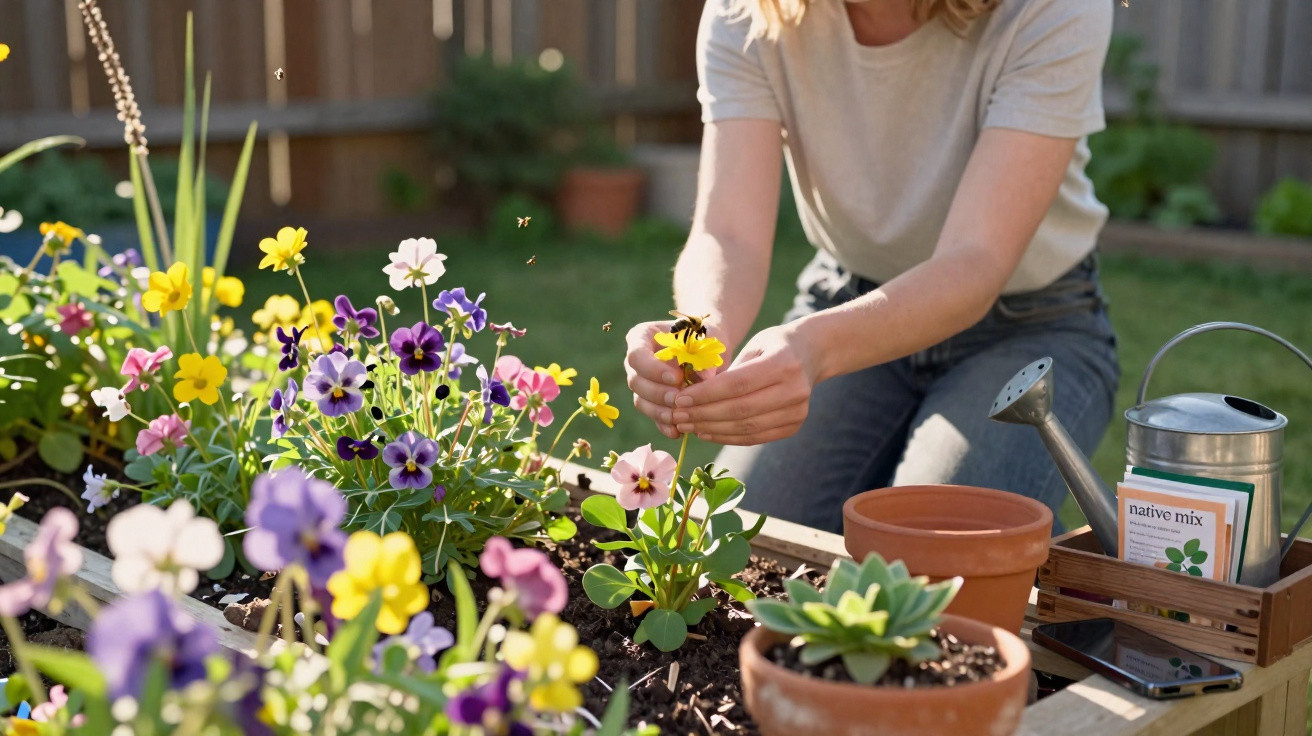
On the other side of the fence, my neighbour’s supposedly ‘messy’ plot seemed almost smug in its disorder, and it was humming with life. Bees worked their way around thistles I would once have removed immediately. Hoverflies drifted above the clover. A red admiral fluttered around an unkempt buddleia that had clearly never met a pair of secateurs.
That evening, I did something I had privately looked down on before: I began choosing flowers for insects rather than appearance.
The change came gradually, then seemed to happen all at once.
When I stopped gardening for Instagram and started gardening for insects
It started with one inexpensive tray of wildflower plug plants, bought almost on impulse. I planted them in the garden’s driest, most lifeless spots: the places where ornamental plants had repeatedly failed. Cornflowers, yarrow, verbena and field scabious - names I had noticed in seed catalogues but never properly considered.
Within a few weeks, the carefully maintained neatness I had spent years creating began to soften. Self-sown seedlings pushed up through gaps between paving slabs. Stems tipped, intertwined and relaxed the rigid borders. Instead of resembling an orderly photograph, my garden began to look like somewhere life was actually taking place.
Oddly, I loved it.
The first proper test arrived with a punishing heatwave. My immaculate front border, packed with water-hungry annuals, gave up in roughly three days. The plants browned at the margins, their leaves curled and the flowers fell almost overnight. I watered each evening, felt guilty, then watched them struggle again by the following day.
At the back of the garden, amid my ‘insect plants’, a very different scene was unfolding. The sedums hardly reacted. Echinacea remained upright, vivid and determined. Oregano, which I had previously thought of as little more than a culinary herb, was covered in bees. Crouching beside it, I counted more than twenty different pollinators in a single square metre.
The difference between those two areas of my own garden was embarrassing - but also unexpectedly encouraging.
Then the reasoning became obvious. Flowers cultivated for visual perfection - enormous petals, double blooms and unusual colours - often sacrifice the very things insects seek: nectar and pollen. Many also have shallow roots, so they require fussing over, fertiliser and regular watering merely to remain attractive.
The so-called weeds and uncomplicated perennials I had begun to grow were built for the longer term. They had deeper roots and stronger leaves, with flowers made for bees rather than catalogues. They were not flawless, but they recovered from heat, wind and sudden heavy rain as if they had endured it all countless times before.
My garden had not simply become beautiful in a different way. It had become more robust. Its resilience was inherent in the plants themselves.
How to plant for insects when you still secretly care about looks
The first useful adjustment was to divide the garden in my mind into insect ‘buffet stations’. Rather than planning blocks of colour, I began planning successive waves of nectar across the year: early, middle and late. That became the new approach.
For spring, I planted crocuses through the lawn, lungwort in shady areas and native primroses beneath the fruit tree. Next came dependable summer plants: lavender, catmint, marjoram, single dahlias, cosmos and beacon-like Verbena bonariensis. In autumn, I relied on sedum, asters, ivy flowers and late sunflowers allowed to become gloriously scruffy.
The aim was always to have something in bloom - not for me, but for them.
Naturally, I still wanted the garden to look good. I simply stopped pretending otherwise. I did not want a space that shouted ‘abandoned allotment’. Instead of chasing perfection, I used structure. Smart edges with untamed centres. Neatly cut paths beside relaxed borders. A clipped box ball next to a froth of wild carrot suddenly appeared intentional, even designed.
My biggest early error was relying too heavily on seed mixes, scattering them everywhere as though they were confetti. The outcome was the wrong sort of chaos: vigorous species took over, others disappeared, and I felt I had lost control. The insects loved it, but my eye did not. These days, I restrict mixes to smaller areas and instead weave individual, carefully selected plants through established beds.
Honestly, nobody manages this perfectly every day. I still make impulse purchases of ‘pretty’ plants. I just ask myself one additional question: who feeds from this?
Somewhere in the process, my view of untidiness completely changed. Rather than cutting every plant down to ground level in winter, I began leaving hollow stems standing. I accepted bare areas where solitary bees could burrow. A pile of logs that had once been heading for the tip became a permanent flat for beetles and spiders.
One discussion confirmed the decision for me. A local ecologist came to visit and said:
“Your garden doesn’t need to look like a field study plot. It just needs to stop being a food desert with a few decorative oases. Think of it as turning on little neon ‘Open’ signs for wildlife, month after month.”
I wrote down his most straightforward checklist and pinned it to the shed door:
- At least three nectar-rich plants in bloom each season
- Some bare soil, some long grass, some dead wood
- Mainly single flowers, not over-bred doubles
- Water source: birdbath, dish, even an old bowl with pebbles
- At least one “deliberately messy” corner left alone
I did not follow every point flawlessly. I followed enough of them. The insects took care of the rest.
The quiet power of a garden that can look after itself
What surprised me most was not the increase in life, but how much less anxious I felt. I no longer spent all my time battling the garden. When the next dry spell arrived, I watched the lawn lose its colour without panicking. Deep-rooted perennials withstood the heat, while the evening air still vibrated with bee wings. The garden felt… supported.
Neighbours remarked that it looked ‘wilder, but happier’. Children began noticing ladybirds and chasing butterflies along the path. Friends who insisted they ‘weren’t garden people’ spent longer outdoors, watching the constant small movements. Resilience, it seems, looks like activity rather than stillness.
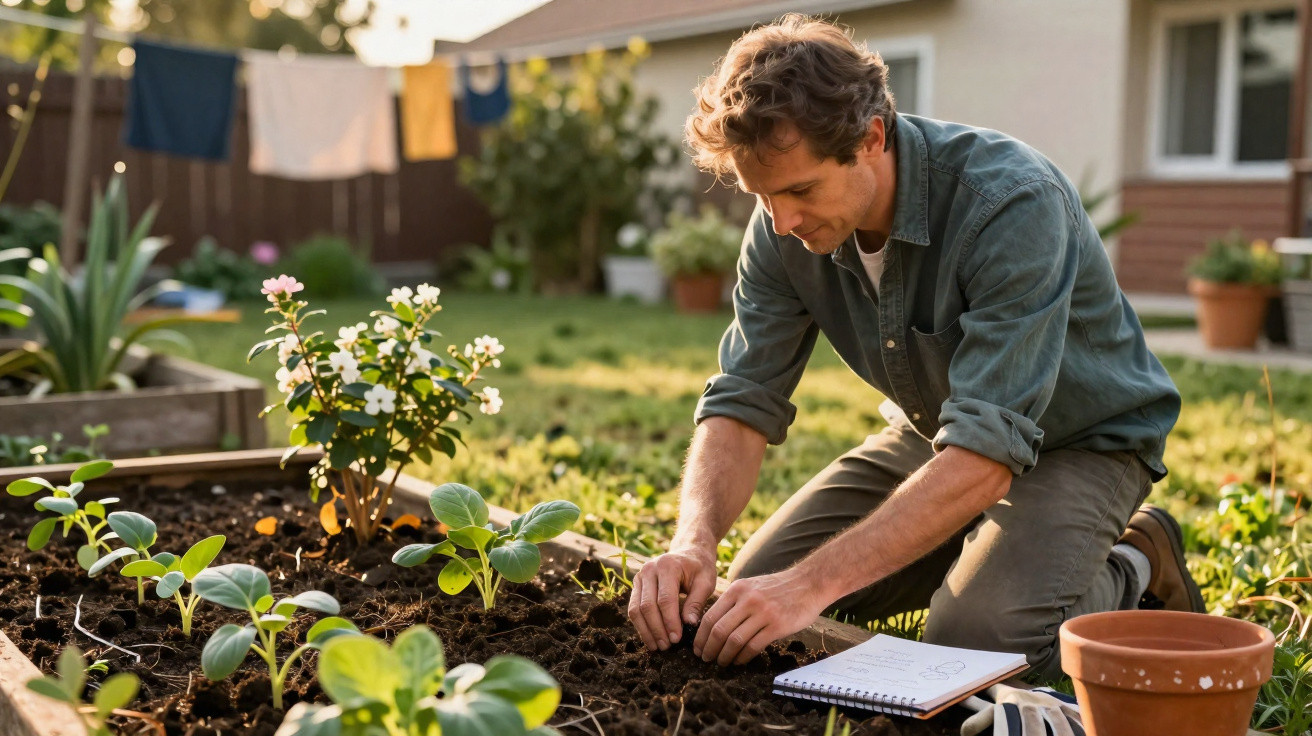
You may not want to turn your entire plot into a miniature meadow, and there is no need to do so. Start with one bed, one corner or one strip beside a fence. It can become an insect corridor rather than a lifeless, silent boundary.
The unusual magic is that, once you plant for insects first, the garden quietly begins planting itself. Seeds travel, plants naturalise and patterns emerge that you could never have designed. You shift from controlling every leaf to editing an ongoing living conversation. At a time when the weather, the news and life itself can feel uncertain, that small, determined patch of resilience outside the door feels less like a pastime and more like a modest act of sanity.
| Key point | Detail | Value for the reader |
|---|---|---|
| Plant for insects by seasons | Select nectar-rich flowers that bloom in early, mid and late seasons | Provides pollinators with food throughout the year and creates a garden better able to cope with stress |
| Mix structure with wildness | Maintain defined paths and edges while allowing borders to be looser and more varied | Produces a space that feels deliberate and attractive without sacrificing resilience |
| Welcome ‘messy’ habitats | Retain stems, bare soil, logs and a small untidy corner | Helps insects and predators that naturally reduce pests and watering needs |
FAQ:
- Will a wildlife-friendly garden look too messy? Not if you create a balance. Maintain tidy edges, mown paths and some structure, while allowing greater freedom within borders and in one or two designated ‘wild’ areas.
- Do I have to remove all my decorative plants? No. Begin by adding nectar-rich, insect-friendly plants among those you already grow, then gradually replace the poorest performers as they fail or outgrow their positions.
- Are wildflower seed mixes worth it? They can be, if used in contained areas. Sow them in a defined patch rather than across the whole garden, and be prepared to thin dominant species after seeing what emerges.
- Can a small balcony or patio really help insects? Yes. A few pots planted with herbs such as thyme, lavender and oregano, together with a shallow dish of water and pebbles, can provide an essential refuelling stop for urban pollinators.
- Won’t attracting more insects mean more pests? Counterintuitively, a more diverse insect community usually also attracts more predators, including ladybirds, lacewings and hoverflies. Over time, these help to control familiar pests without chemicals.
Comments
No comments yet. Be the first to comment!
Leave a Comment